Mathematical reasoning Easy Worksheets for Ages 4-8
4 filtered results
-
From - To
Welcome to our "Mathematical Reasoning Easy Worksheets" page designed specifically for children aged 4-8! These engaging and interactive worksheets help young learners develop essential mathematical skills while having fun. Our thoughtfully crafted activities focus on foundational concepts such as number recognition, simple addition and subtraction, shapes, and patterns. Each worksheet is tailored to inspire critical thinking and logical reasoning, making math accessible and enjoyable. Perfect for parents and educators, our printable resources support classroom learning or at-home practice. Boost your child's confidence in math and watch them thrive with our stimulating, age-appropriate worksheets! Explore and start learning today!
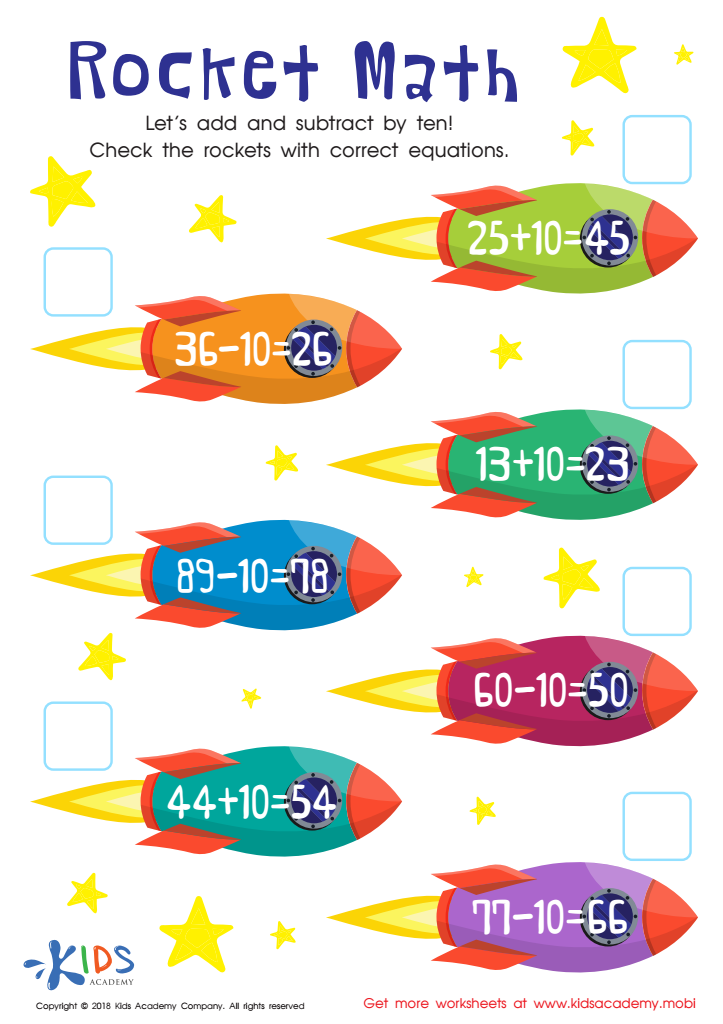
Rocket Math Worksheet
 Assign to My Students
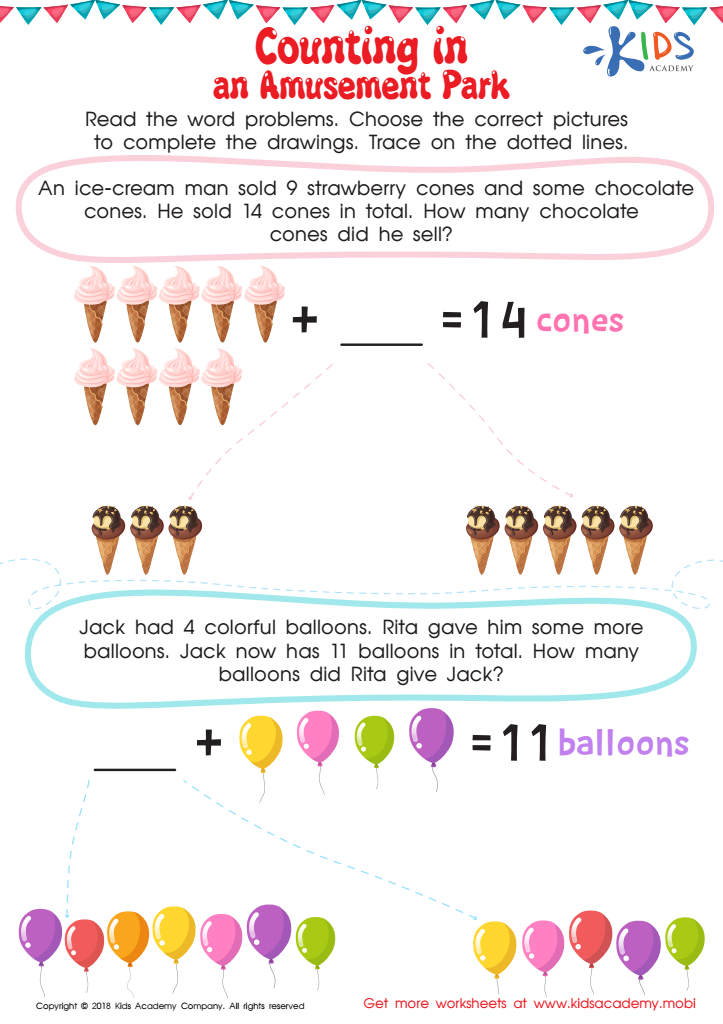
Counting in an Amusement Park Worksheet
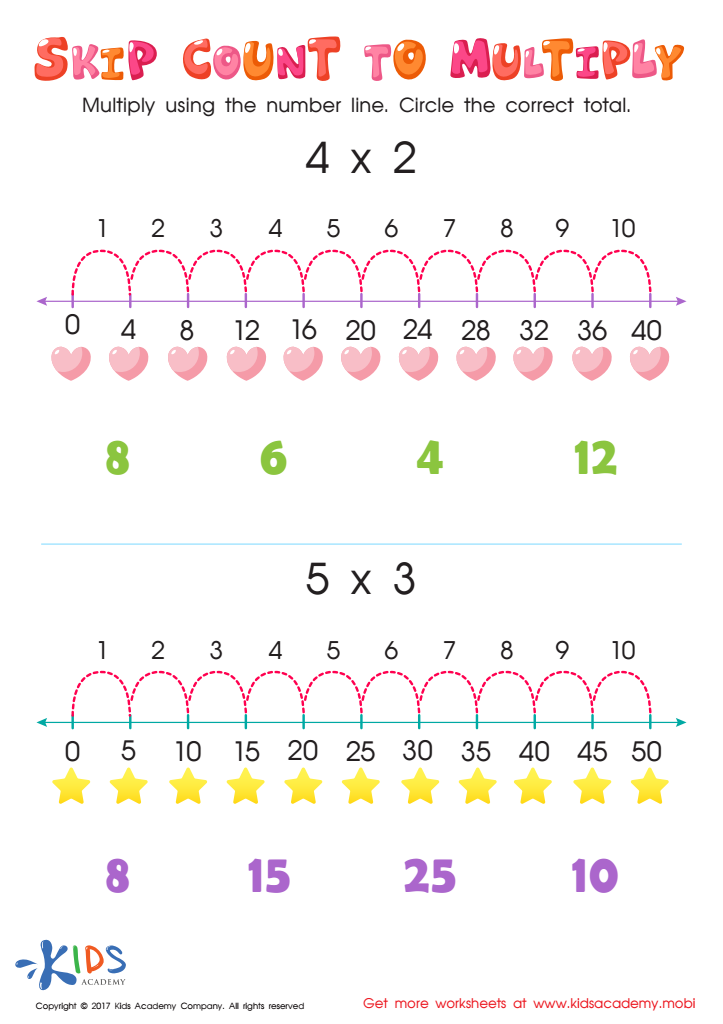
Skip Count Multiplication Worksheet
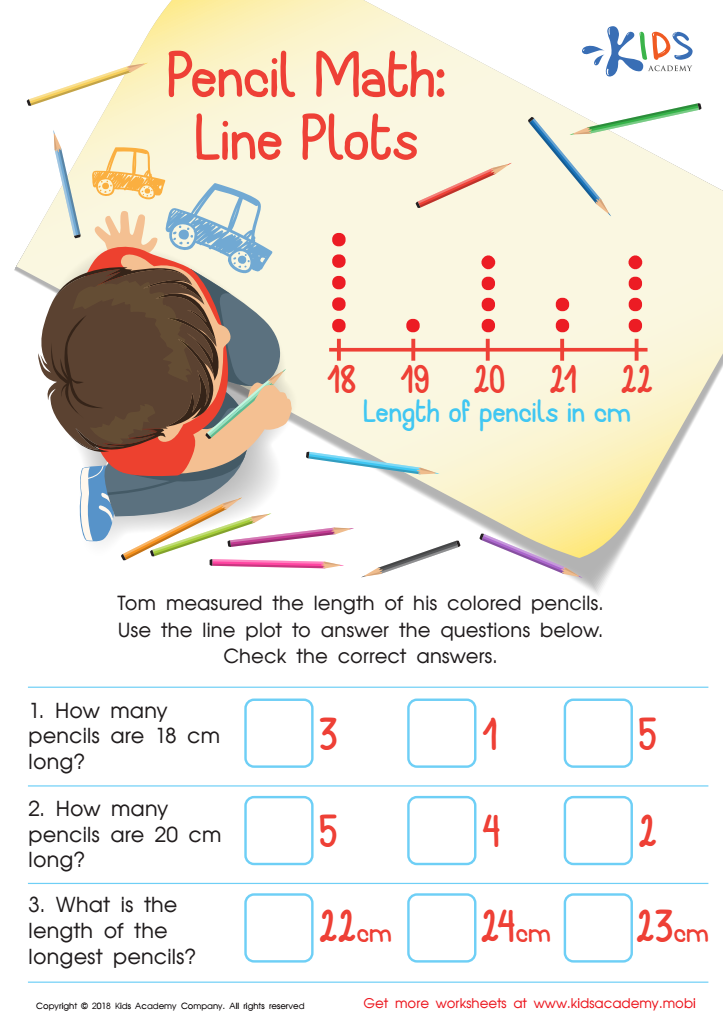
Pencil Math: Line Plots Worksheet





.jpg)
Mathematical reasoning is a fundamental skill for children aged 4-8, shaping their ability to think critically and solve problems. It involves understanding concepts like patterns, relationships, and reasoning through numbers, which lays the groundwork for more complex mathematics later on. Parents and teachers should care about fostering mathematical reasoning for several reasons.
First, it promotes cognitive development. Engaging children in activities that require reasoning helps them develop logical thinking and concentration. Such activities create a foundation for later academic success in not only math but also in subjects like science and reading.
Second, mathematical reasoning cultivates resilience and critical thinking. When children encounter challenging problems, they learn to persevere and explore various strategies, fostering a positive attitude towards learning.
Additionally, these skills have real-life applications. Understanding mathematics helps children make informed decisions, manage money, and recognize patterns in everyday situations, equipping them with tools essential for future independence.
By nurturing mathematical reasoning, parents and teachers empower children to feel confident in their abilities and cultivate a lifelong love of learning. This early investment supports a brighter future and better prepares children for academic challenges ahead.








