Sentence structure Easy Worksheets for Ages 4-8
6 filtered results
-
From - To
Unlock the foundation of strong writing with our "Sentence Structure Easy Worksheets for Ages 4-8." Specifically designed for young learners, these engaging and colorful worksheets introduce children to the basics of sentence formation. Kids will enjoy learning about subjects, predicates, punctuation, and more through interactive activities and fun exercises. Our resources are perfect for building early literacy skills, boosting confidence in reading and writing. Ideal for parents and educators, these worksheets ensure that children grasp essential language concepts in an enjoyable manner, laying the groundwork for future academic success. Let's make sentence learning fun and effective today!
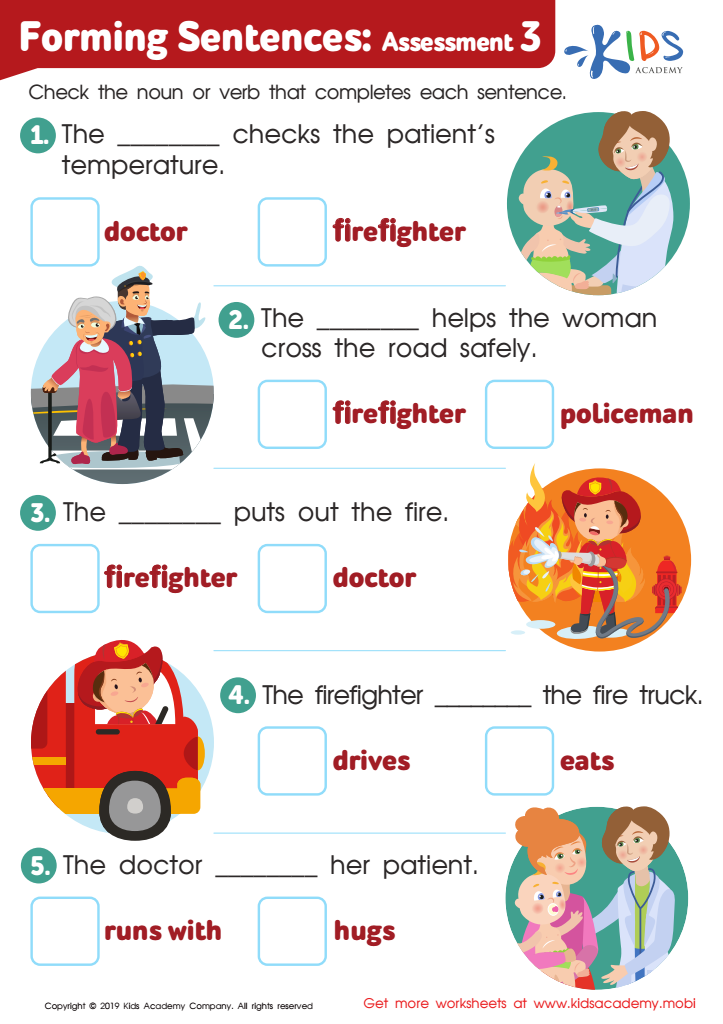
Forming Sentences: Assessment 3 Worksheet
 Assign to My Students
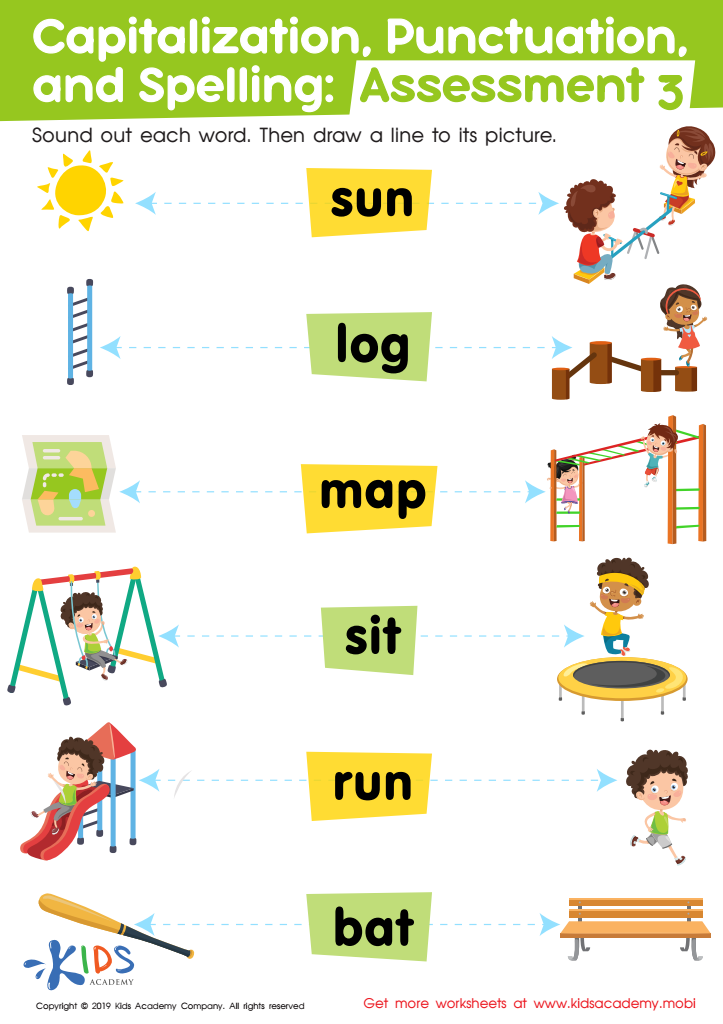
Capitalization. Punctuation. Spelling. Assessment 3 Worksheet
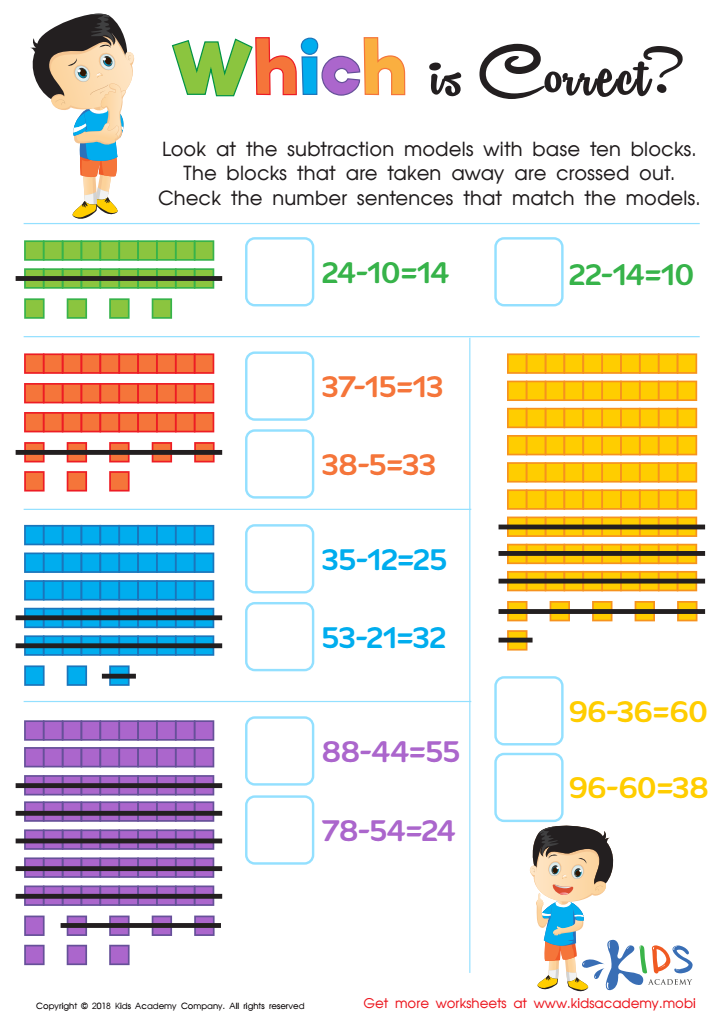
Which Is Correct? Math Worksheet
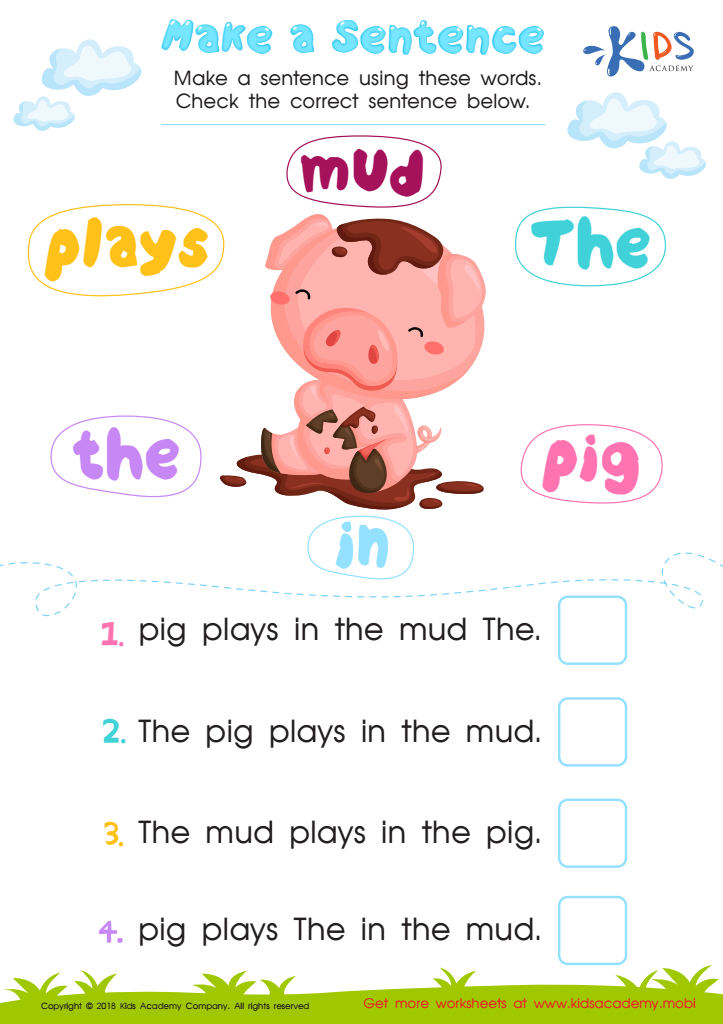
Assessment: Make a Sentence Worksheet
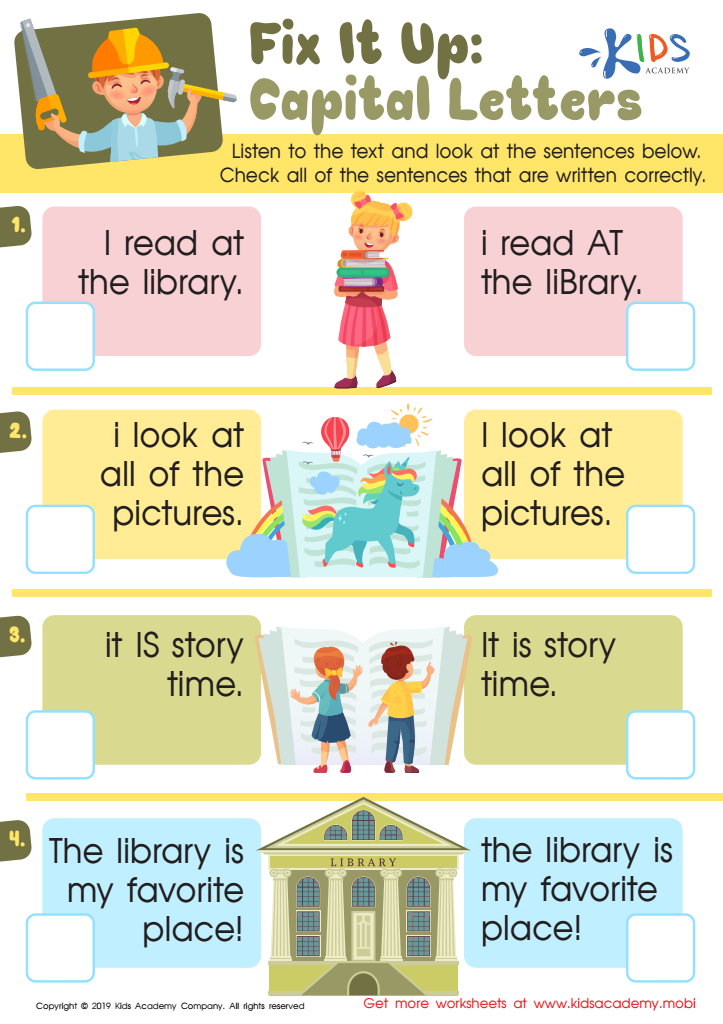
Fix Capital Letters Worksheet
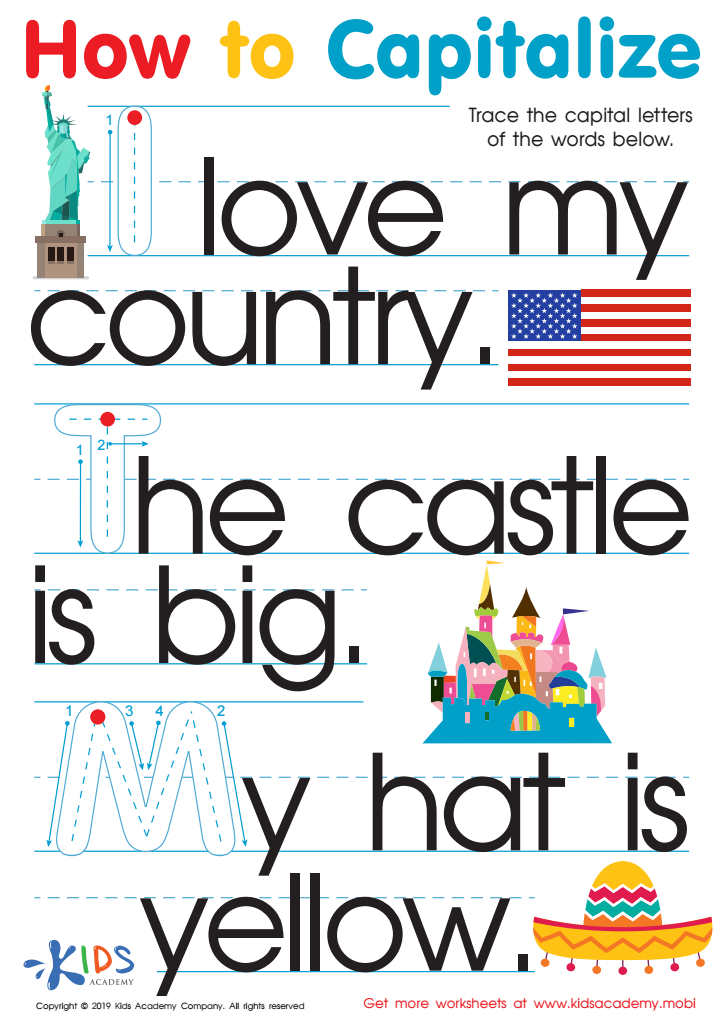
How to Capitalize Worksheet








Understanding sentence structure is crucial for children ages 4-8, as it lays the foundation for effective communication skills. At this age, children are developing their language abilities rapidly, and grasping basic sentence structure helps them express their thoughts, feelings, and ideas more clearly.
For parents and teachers, focusing on sentence structure is essential because it enhances children's reading and writing skills. Simple, well-constructed sentences make it easier for young learners to follow narratives in storybooks, participate in classroom discussions, and engage in social interactions. This early literacy skill sets the stage for more complex language development as children grow.
Moreover, mastering simple sentence structures boosts confidence. When children can form coherent sentences, they are more likely to participate in conversations, ask questions, and make friends easily. This social aspect is crucial for their overall emotional and psychological development.
In the classroom, a solid grasp of sentence structure helps children understand instructions better, which improves their learning outcomes across all subjects. It also makes learning new content less intimidating, as they can relate new information to the foundational language skills they have already acquired.
Ultimately, strong sentence structure skills are a stepping stone to academic success and holistic development, making them a priority for both parents and teachers.








