Vocabulary expansion Easy Worksheets for Ages 4-8 - Page 2
35 filtered results
-
From - To
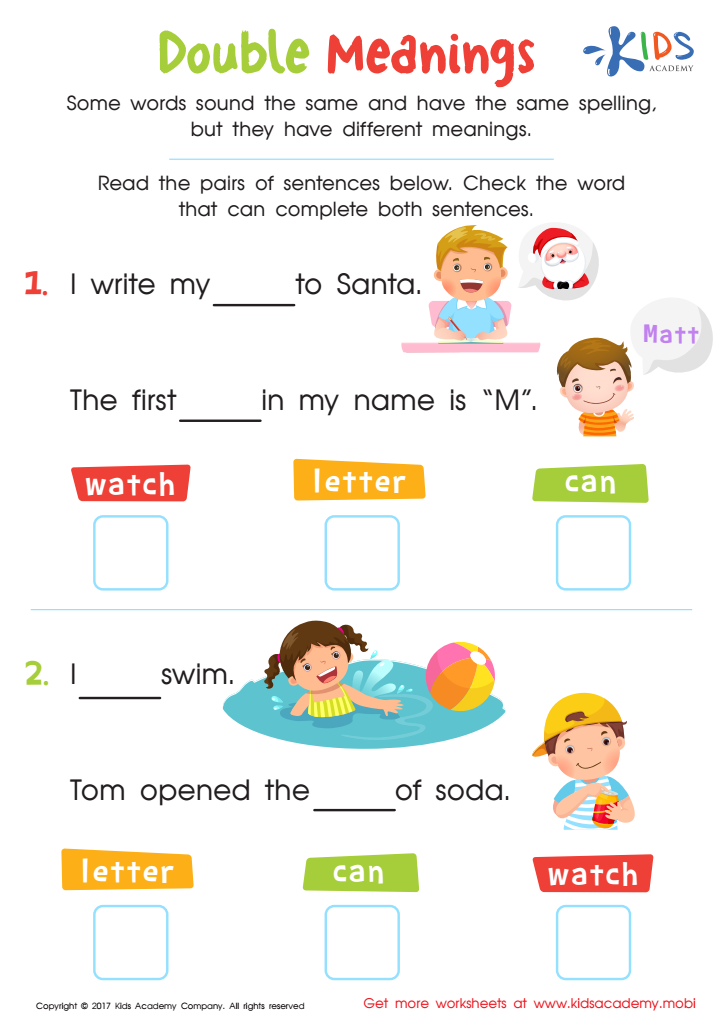
Double Meanings Worksheet
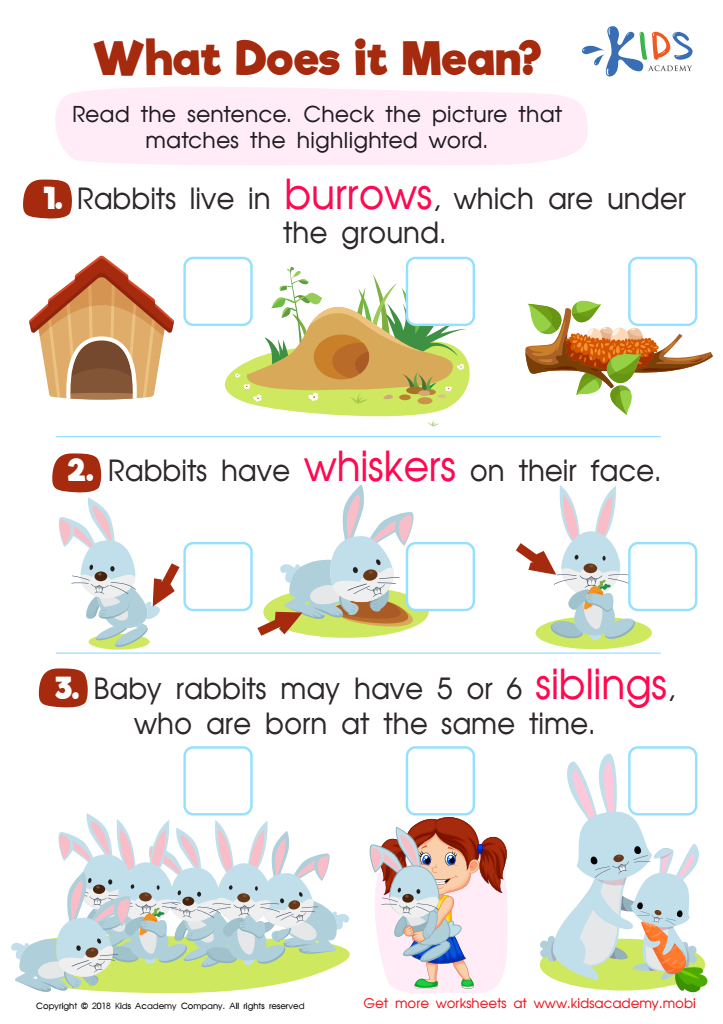
What Does It Mean? Worksheet
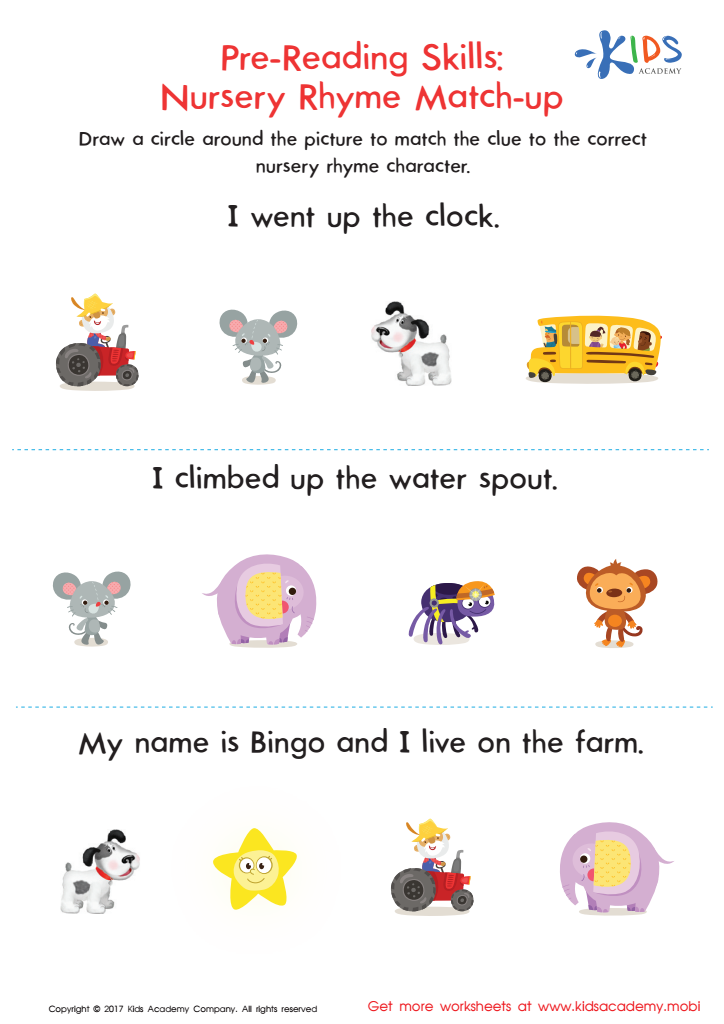
Nursery Rhyme Match–Up Worksheet
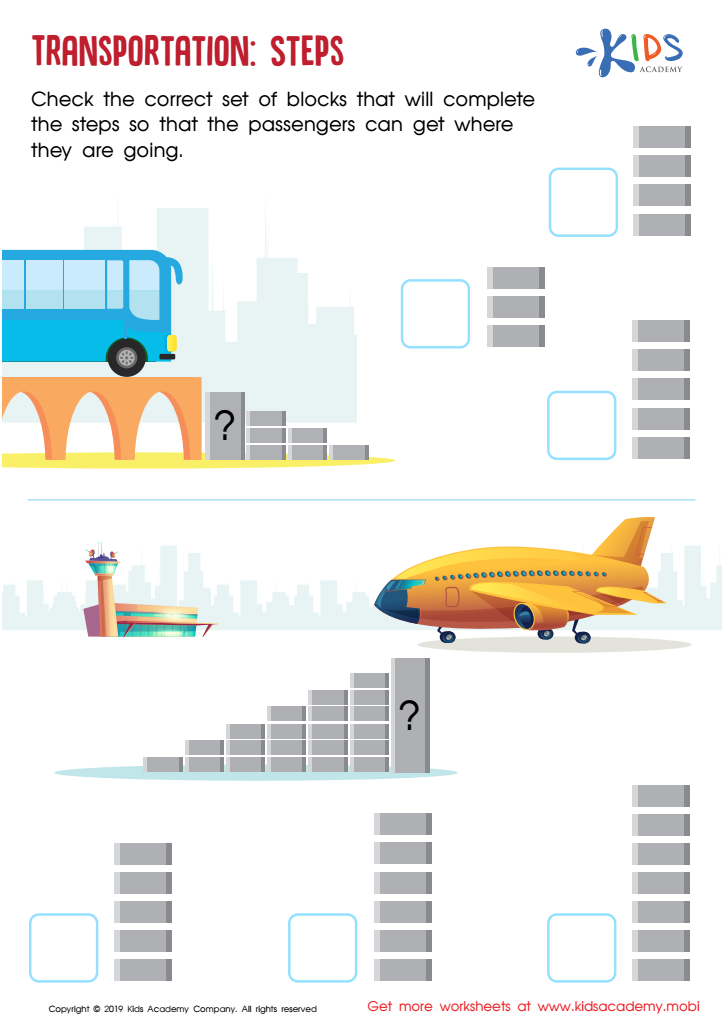
Transportation: Steps Worksheet
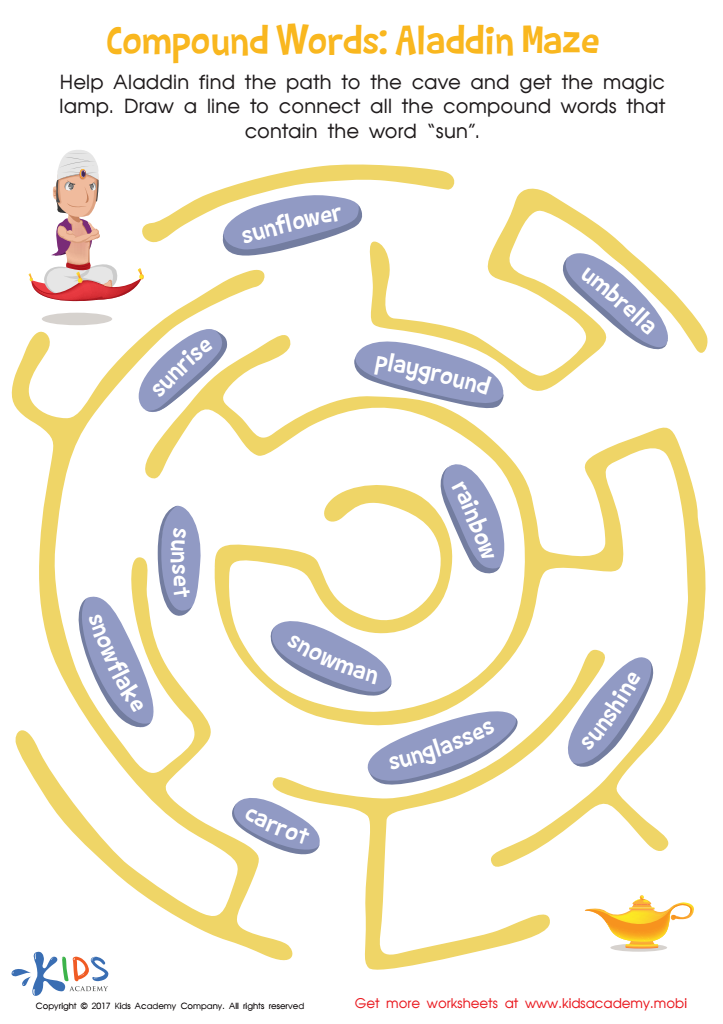
Compound Aladdin Maze Word Structure Worksheet
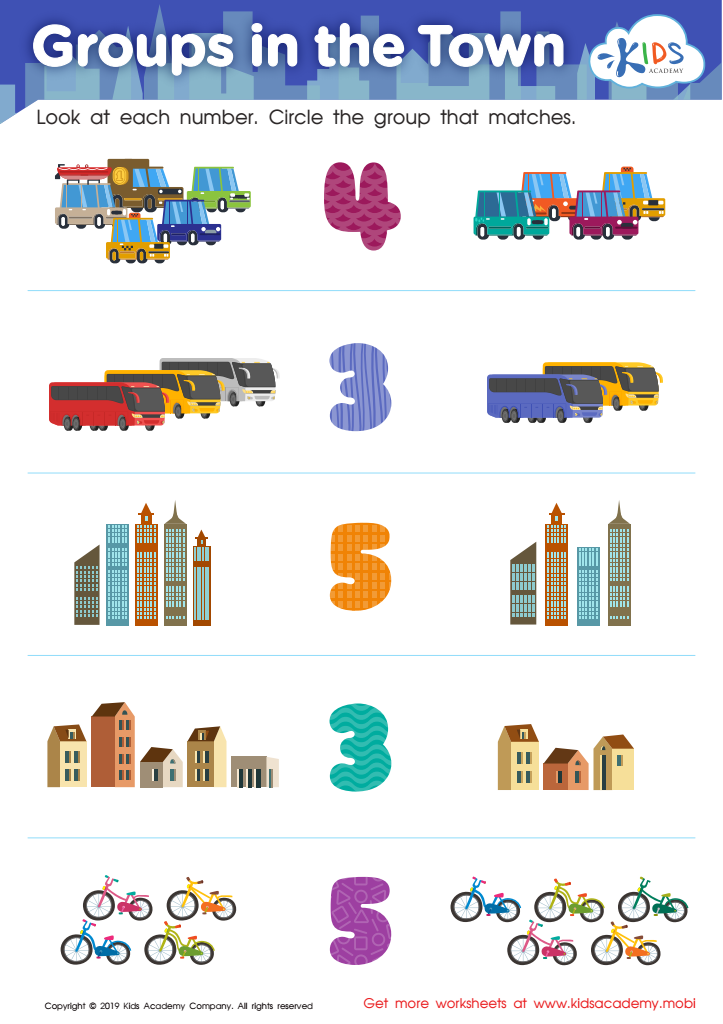
Groups in the Town Worksheet

Family Coloring Page
 Assign to My Students









Expanding vocabulary in children aged 4-8 is crucial and deserves significant attention from parents and teachers. During these formative years, children's brains are exceptionally receptive to learning new words. A rich vocabulary simplifies communication, enabling children to articulate their thoughts and feelings better. This ability fosters stronger relationships and effective social interactions.
Moreover, vocabulary growth significantly influences reading comprehension and academic success. When children understand more words, they find it easier to grasp the meaning of texts, leading to improved learning outcomes in subjects across the board. Reading to children and engaging them in various conversations introduces new words naturally, enriching their language skills.
Children with advanced vocabulary are more likely to think critically and solve problems efficiently, as they can make connections between different concepts. Additionally, a broad vocabulary boosts self-confidence. When children can express themselves clearly, they feel more confident participating in classroom discussions and other activities.
Incorporating fun and interactive methods—such as storytelling, games, and songs—engages children effectively, making learning new words a delightful experience. Ultimately, investing time in vocabulary expansion during these early years sets children on a path to academic success and effective communication, paving the way for future achievement and well-being.








