Understanding Sequences Easy Numbers Worksheets for Ages 4-8
3 filtered results
-
From - To
Discover the joy of learning with our "Understanding Sequences Easy Numbers Worksheets" designed specifically for ages 4-8! These engaging worksheets help young learners grasp the concept of number sequences through fun activities that promote critical thinking and early math skills. Ideal for both parents and teachers, our resources combine colorful illustrations with straightforward exercises, ensuring children stay motivated while developing essential counting and order skills. Whether you’re practicing at home or in the classroom, these worksheets provide an excellent way to build foundational math abilities in a playful and interactive way. Unlock your child's potential—get started today!
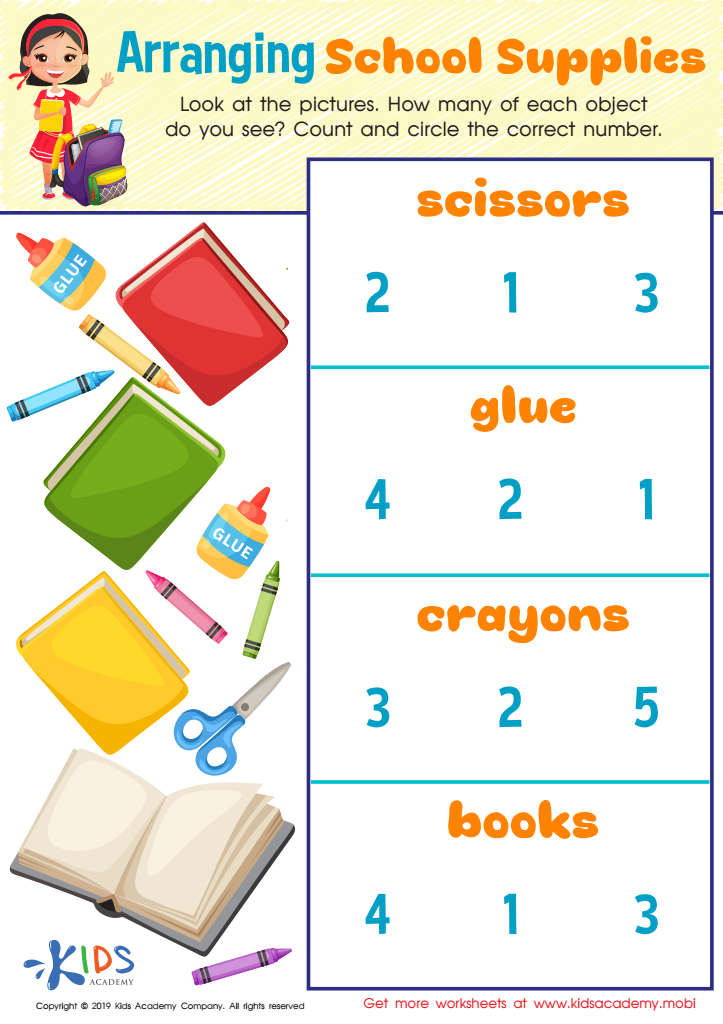
Arranging School Supplies Worksheet
 Assign to My Students
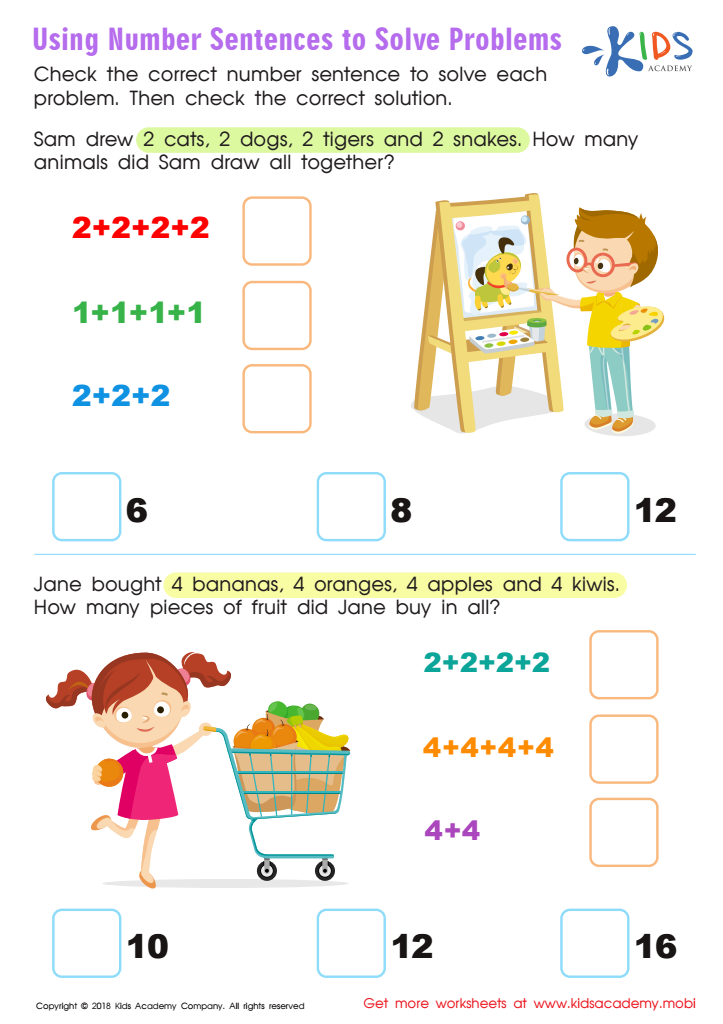
Using Number Sentences to Solve Problems Worksheet
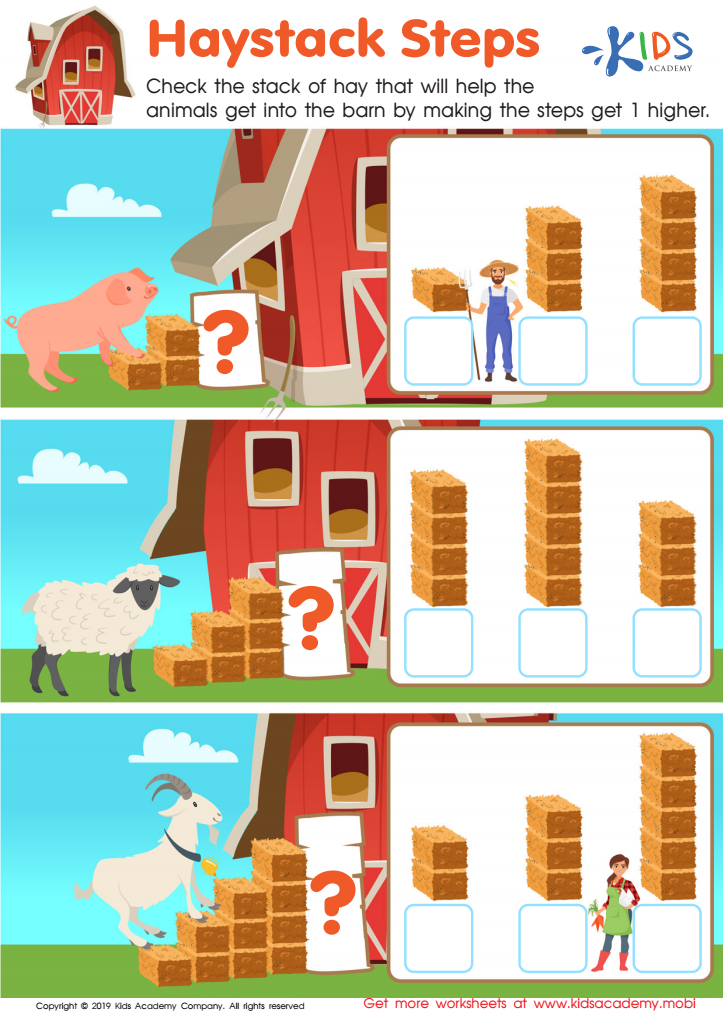
Haystack Steps Worksheet







Understanding sequences and easy numbers is foundational for children aged 4-8, making it critical for parents and teachers to prioritize this concept. At this stage, children are routinely identifying patterns and developing numeracy skills, which serve as the building blocks for advanced mathematical concepts in later years. Sequences, such as counting, arranging, or recognizing patterns, foster critical thinking and problem-solving abilities.
Moreover, engaging with sequences helps children enhance their cognitive skills, as they learn to anticipate what comes next and apply logical reasoning to determine outcomes. This early comprehension deeply influences their future performance in more complex subjects, such as mathematics and science, where sequences are key.
Additionally, understanding sequences supports literacy development—recognizing letters or words in an order can improve reading skills. It also promotes social interaction when children collaborate to solve sequence-related activities, fostering teamwork and communication.
Overall, emphasizing sequences and number patterns ensures that children not only grasp essential math skills but also develop a positive attitude towards learning, boosting their confidence and readiness for future academic challenges. Thus, parents and teachers should take an active role in incorporating these concepts into everyday learning activities.








