Logical Reasoning Easy Science Worksheets for Ages 4-8
3 filtered results
-
From - To
Discover our engaging Logical Reasoning Easy Science Worksheets designed for children ages 4-8! These worksheets promote critical thinking and problem-solving skills while making learning fun and interactive. Perfect for young learners, each worksheet features colorful illustrations and hands-on activities that help children connect scientific concepts to everyday life. From identifying patterns to drawing conclusions, our logical reasoning exercises make science accessible and enjoyable. Ideal for homeschooling, classroom use, or supplementary learning, these worksheets encourage creativity and foster a love of discovery. Empower your child's mind and enhance their reasoning skills with our thoughtfully crafted resources today!
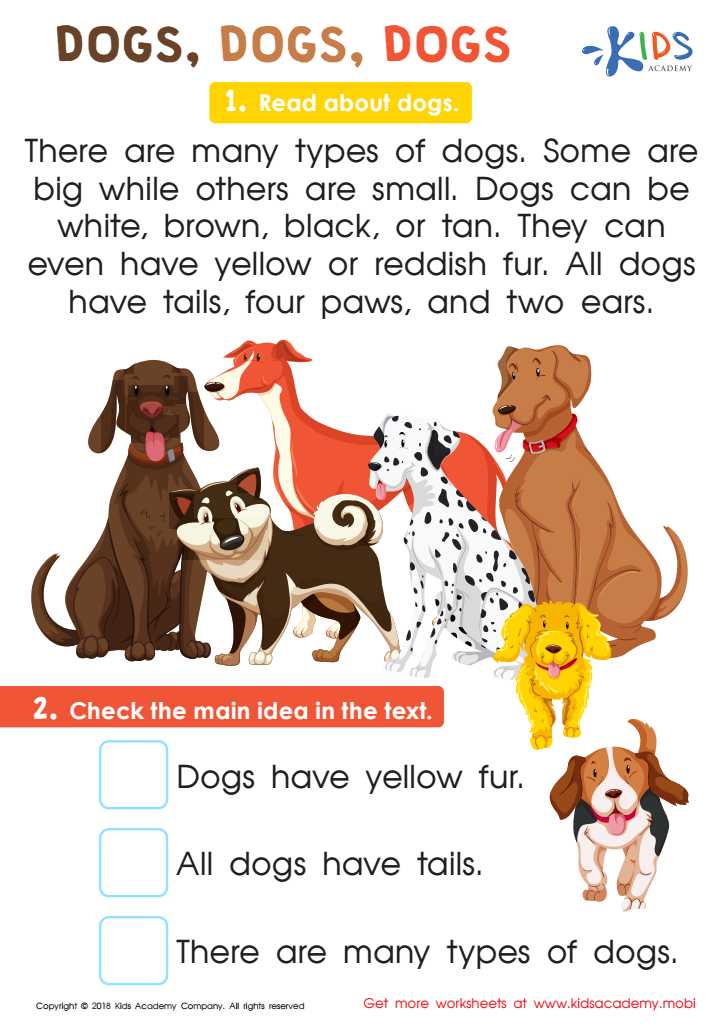
Dogs, Dogs Worksheet
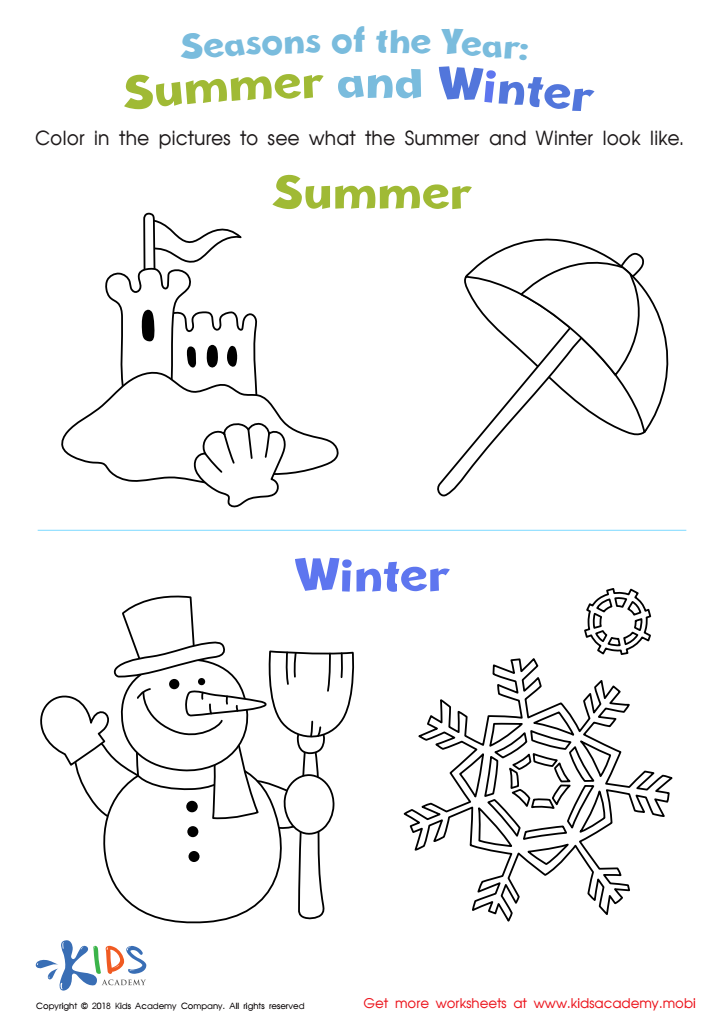
Summer and Winter Worksheet
 Assign to My Students
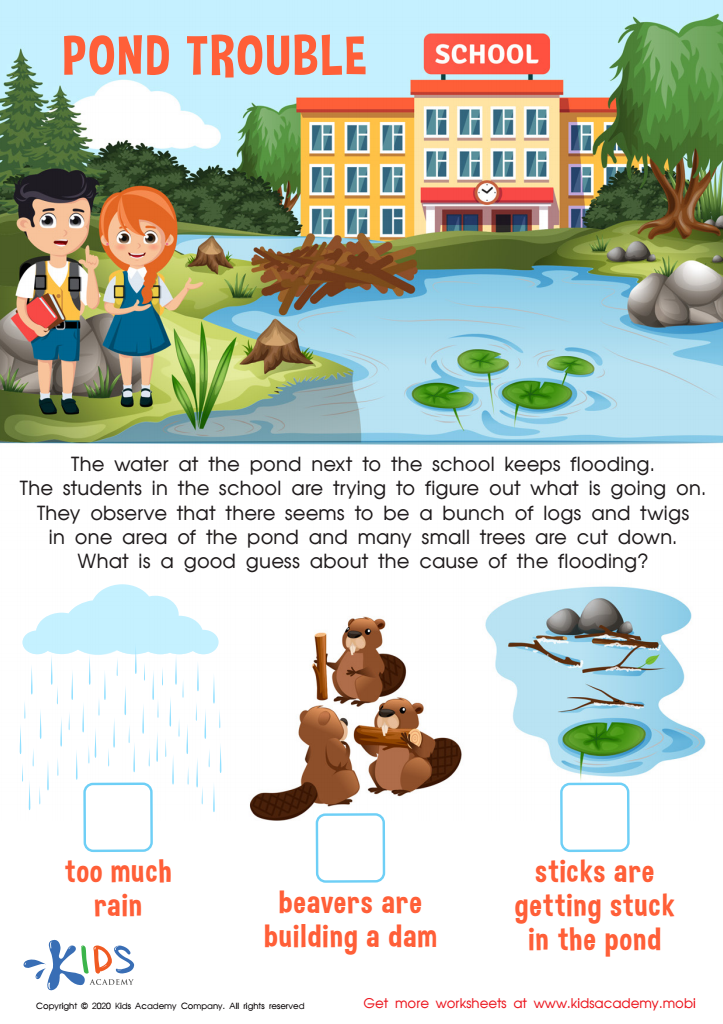
Pond Trouble Worksheet








Logical Reasoning Easy Science for Ages 4-8 plays a crucial role in early childhood education, and both parents and teachers should prioritize it for several reasons. First, engaging with logical reasoning helps children develop critical thinking skills, fostering an ability to analyze situations, make decisions, and solve problems—key competencies essential for lifelong learning.
Science concepts introduced in a fun way stimulate curiosity and exploration, allowing children to understand the world around them. When children connect logical reasoning with scientific inquiry, they learn to ask questions, perform simple experiments, and derive conclusions based on their observations. This process promotes a growth mindset, encouraging kids to embrace challenges and learn from mistakes.
Additionally, such activities enhance communication skills as children express their thoughts and explain their reasoning to others. It promotes peer discussion and a collaborative learning environment where sharing ideas becomes second nature.
By stressing Logical Reasoning Easy Science, parents and teachers equip children with the foundational skills needed not only for academic success but also for social interactions and emotional intelligence. Ultimately, these skills lay the groundwork for future educational endeavors, enabling children to thrive in an increasingly complex world.