Categorization skills Easy Worksheets for Ages 4-9
6 filtered results
-
From - To
Our "Categorization Skills Easy Worksheets for Ages 4-9" are designed to develop essential sorting and organizing abilities in young learners. These engaging and educational worksheets help children identify similarities and differences, group objects, and enhance critical thinking. Perfect for early education, each activity supports cognitive development while making learning fun. Whether at home or in the classroom, these worksheets provide an interactive way to practice categorization skills through colorful, age-appropriate tasks. Watch your child's confidence and understanding grow with our expertly crafted materials. Start exploring today and give your young learner the tools they need to succeed.
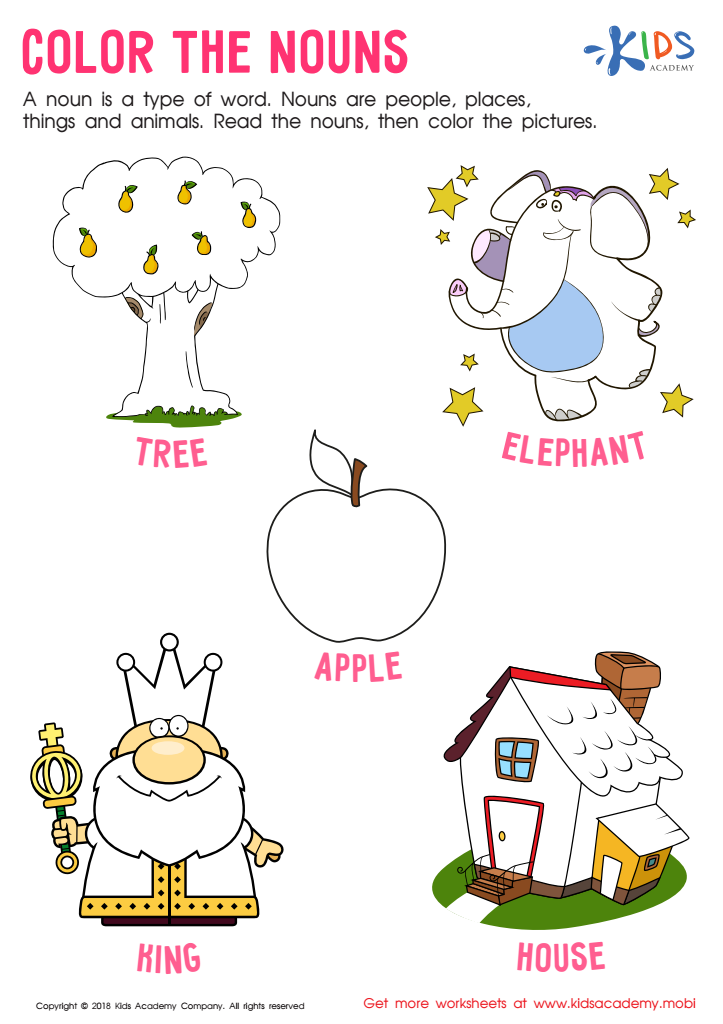
Color the Nouns Worksheet
 Assign to My Students
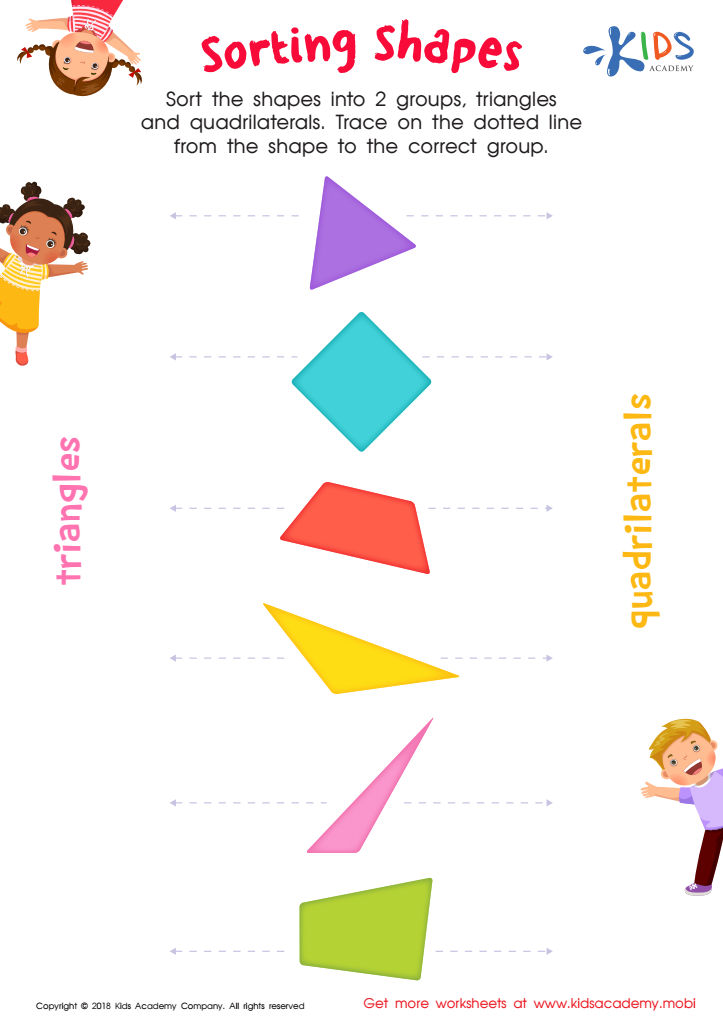
Sorting Shapes Worksheet
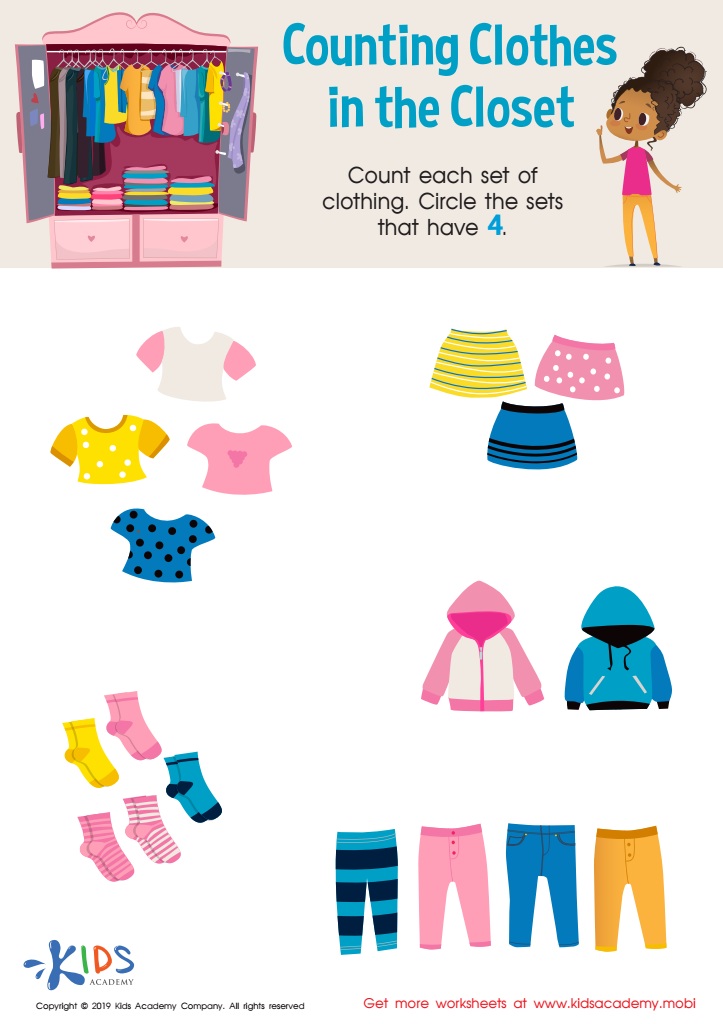
Counting Clothes Worksheet
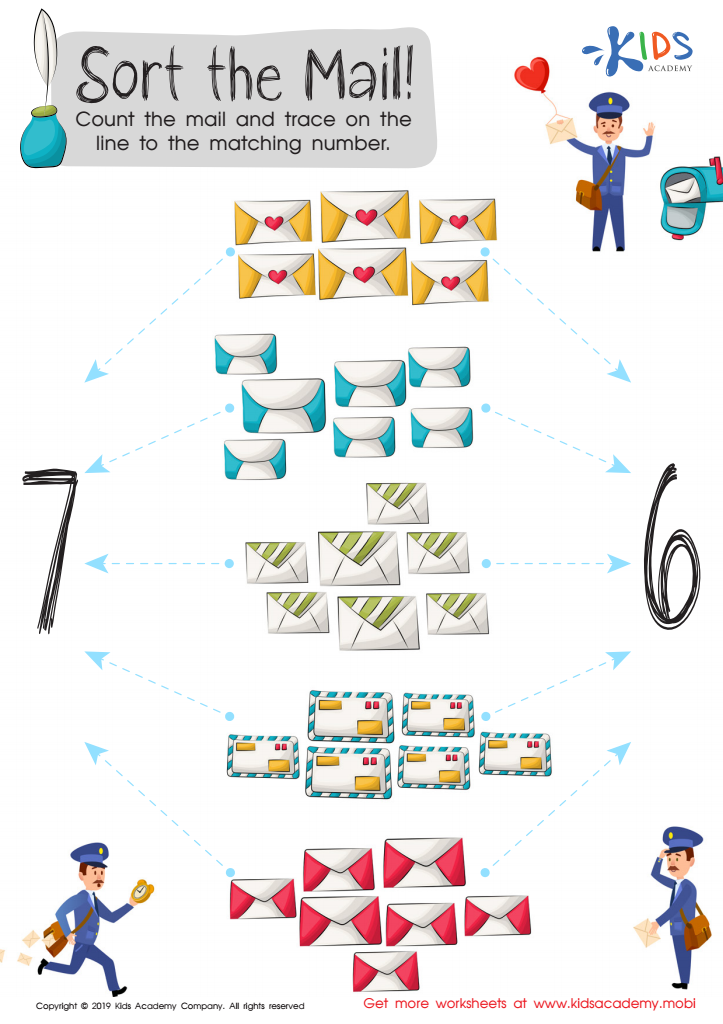
Sort the Mail Worksheet
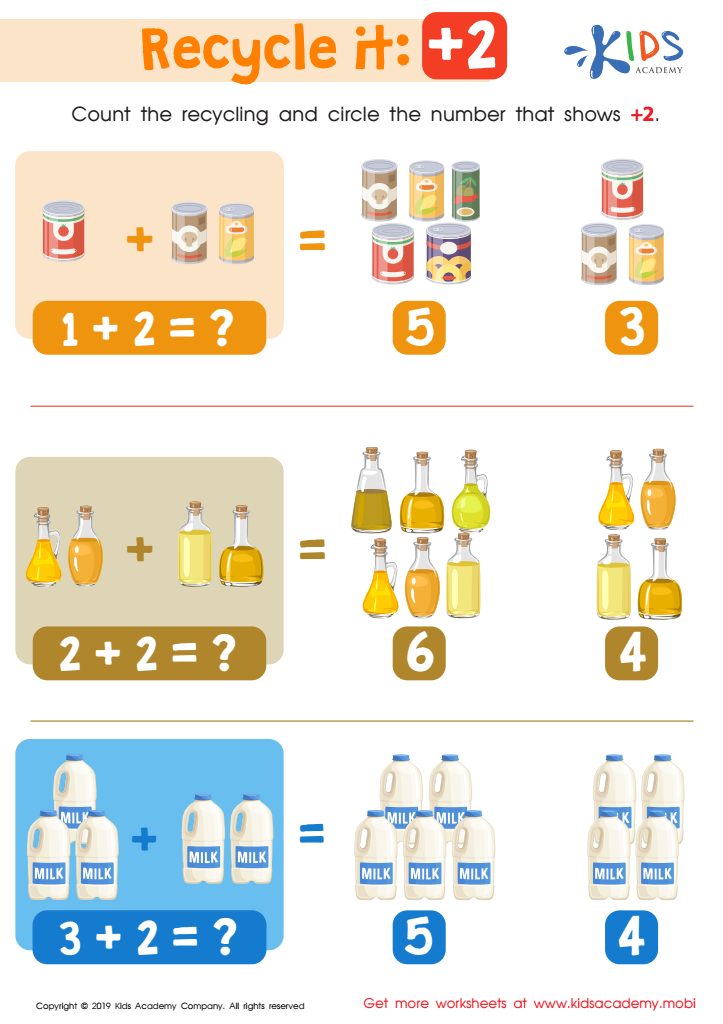
Recycle It: +2 Worksheet
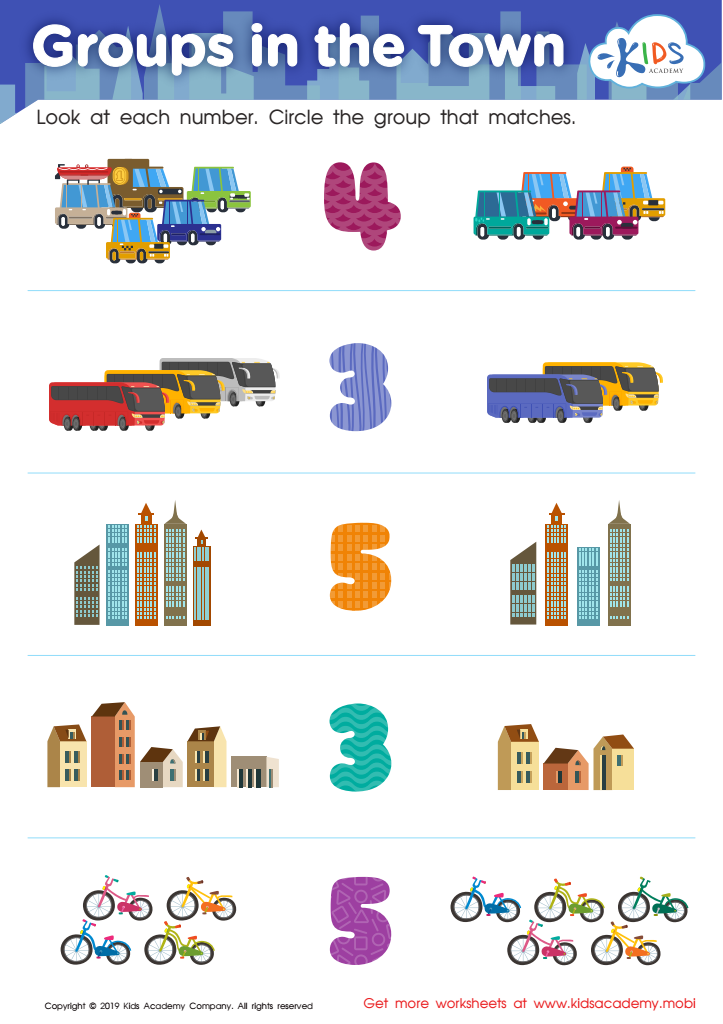
Groups in the Town Worksheet







Categorization skills are foundational for young children's cognitive development because they help kids organize the vast amount of information they encounter in everyday life. For children ages 4-9, learning to categorize objects, ideas, and concepts is crucial for several reasons.
First, categorization aids in memory retention. By grouping similar items, children can recall information more easily, which is essential for academic success. For example, if a child can categorize animals by their habitats or diet, they are more likely to remember details about each animal.
Second, categorization reinforces language development. When children sort items and label categories, they expand their vocabulary and grasp of language structure. This verbal skill is fundamental for reading comprehension and effective communication.
Third, it fosters critical thinking and problem-solving abilities. Learning to identify the characteristics that define a category helps children develop analytical skills. For instance, differentiating between fruits and vegetables requires understanding and applying specific criteria.
Lastly, categorization supports social development. By explaining their categorizing choices to peers or adults, children enhance their ability to reason and articulate, leading to better social interactions and cooperative play.
Parents and teachers can encourage categorization through play, discussions, and structured activities, thereby setting a solid foundation for future learning and development.








