
Cultural awareness Easy Worksheets for Ages 4-9
7 filtered results
Difficulty Level
Grade
Age
-
From - To
Subject
Activity
Standards
Explore our "Cultural Awareness Easy Worksheets for Ages 4-9" to inspire young minds and foster understanding of diverse cultures. These engaging and age-appropriate worksheets make learning about different traditions, languages, and customs fun and accessible. Our activities promote empathy, respect, and curiosity through interactive exercises, colorful illustrations, and simple, relatable scenarios. Perfect for early learners, parents, and educators, these resources are designed to build a strong foundation for global citizenship, helping children appreciate the world's rich cultural tapestry. Download now to start the journey towards cultural awareness and inclusivity for your little ones.
Favorites
With answer key
Interactive
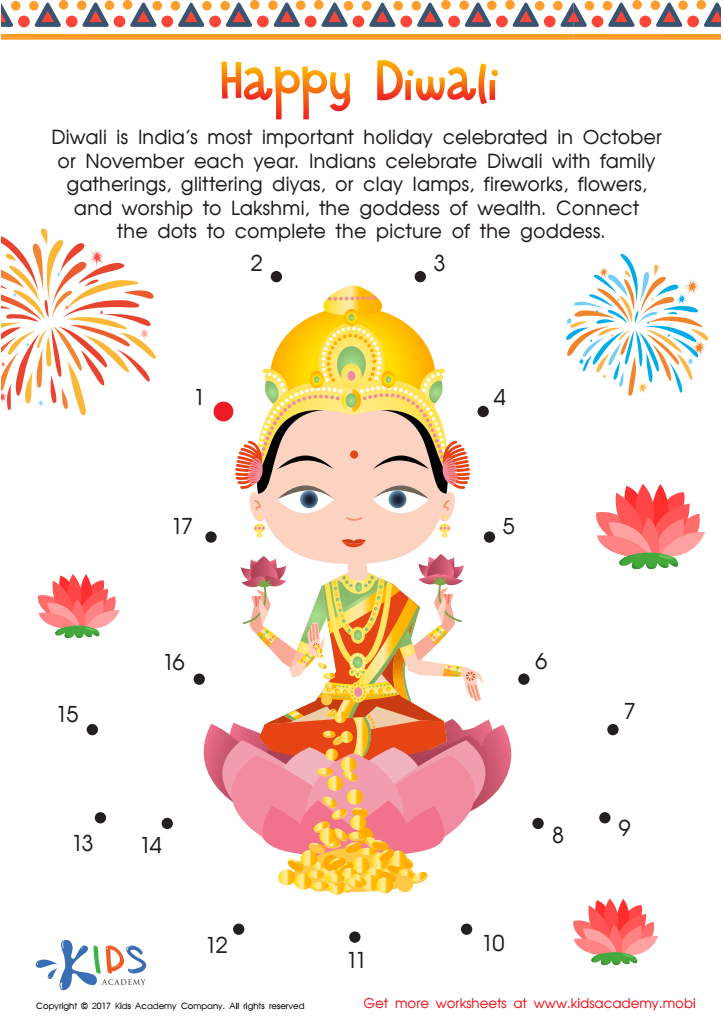
Happy Diwali Printable
Explore India this Diwali! Learn about India's most significant holiday, Diwali, with this fun-filled printable activity for kids. Your child can gain an appreciation for Indian culture with this Diwali dot to dot worksheet.
Happy Diwali Printable
Worksheet
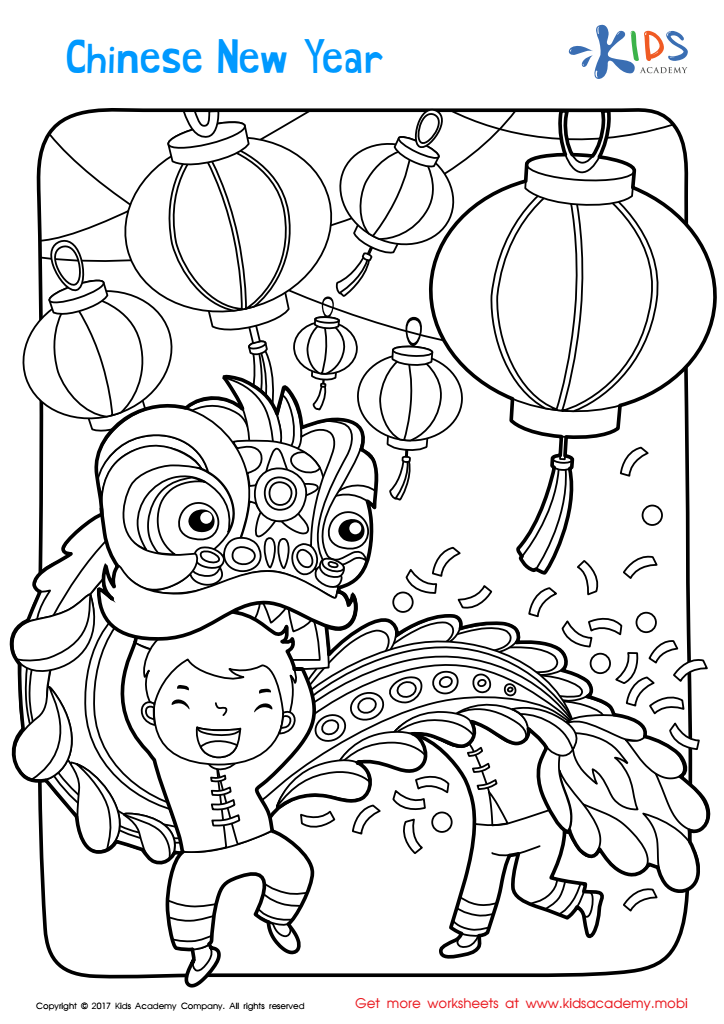
Chinese New Year Worksheet
Take a trip to China without leaving home! Let your child get creative with this Chinese New Year coloring page. They'll love coloring unique images while learning about this holiday. You can also talk about when it occurs and its significance.
Download (PDF)
 Assign to My Students
Assign to My Students
Chinese New Year Worksheet
Worksheet
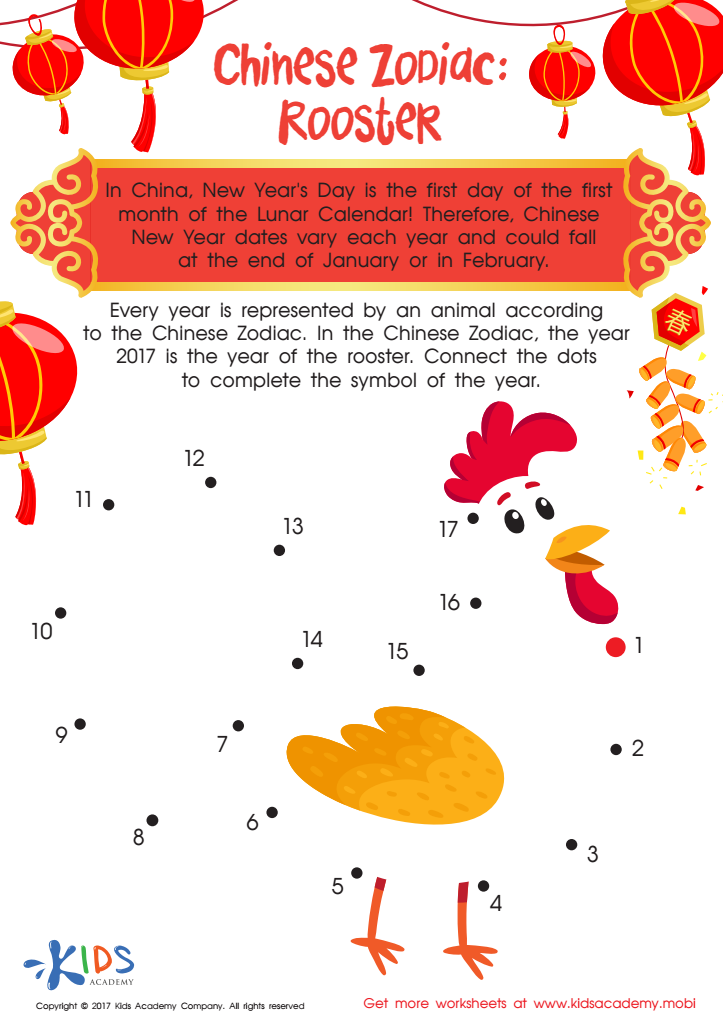
Chinese Zodiac Printable
Connect the dots to reveal a rooster and learn more about the Year of the Rooster. Perfect for preschoolers and kids of all ages.
Experience Chinese culture with this fun and interactive dot to dot printable! Connect the dots to discover a rooster, symbolizing the Year of the Rooster. Perfect for preschoolers and kids of all ages, this worksheet is a great way to explore new cultures and foster a spirit of diversity.
Chinese Zodiac Printable
Worksheet
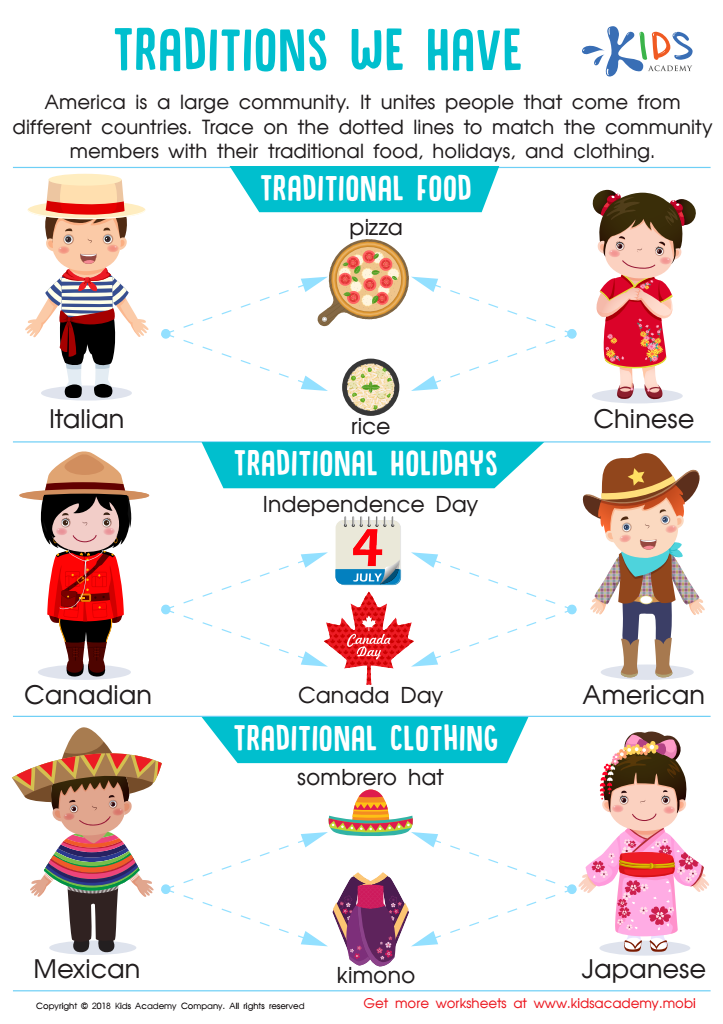
Traditions We Have Worksheet
Help your child learn about the world's diverse cultures with this tracing sheet. Trace the dotted lines to match different community members with their traditional holidays, foods and clothing. America is just one of many countries with multiple communities living together - teach your child that everybody has different backgrounds and customs, opening their minds to an even bigger world.
Traditions We Have Worksheet
Worksheet
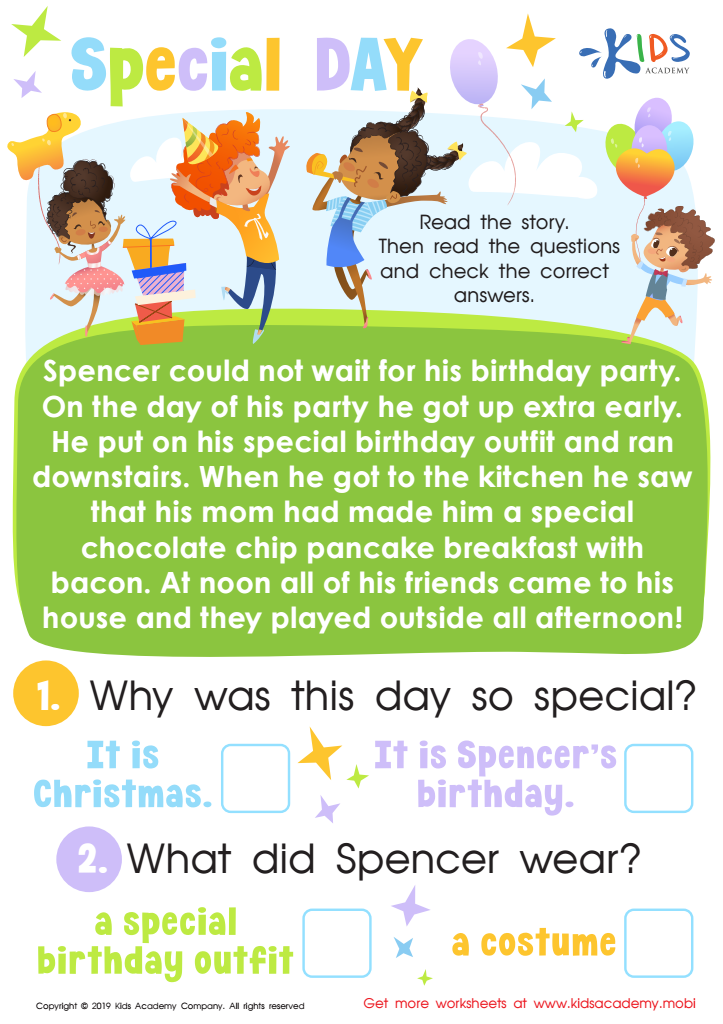
Special Day Worksheet
What's your child's favorite day? Let them tell you what makes it special and what they enjoy most. With the worksheet, show them the picture and ask them to identify the day. Read the story aloud, and help them answer the questions and check the right responses.
Special Day Worksheet
Worksheet
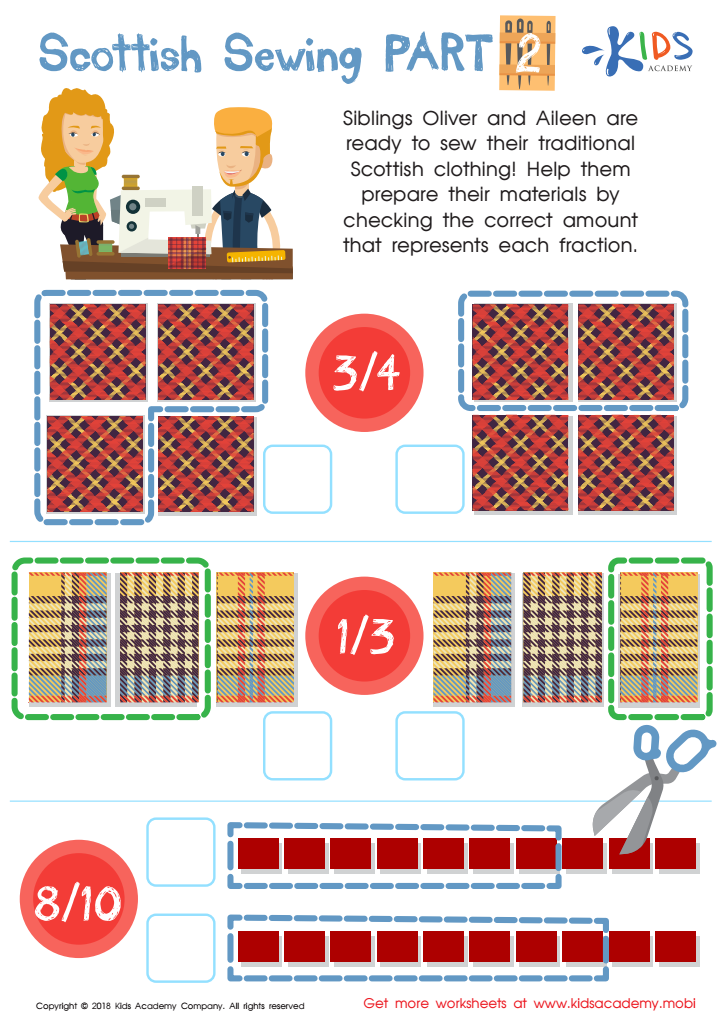
Scottish Sewing Part 2 Worksheet
Oliver and Alleen are sewing traditional Scottish attire. Help your kids count the cloth and check the correct fraction to support them. Have your kids check the correct amount that represents each fraction to help the brother-sister duo prepare their material.
Scottish Sewing Part 2 Worksheet
Worksheet
Join Kids Academy for Free
Who is primarily going to use this learning content?




.jpg)


Cultural awareness is crucial for young children aged 4-9 as it helps shape their understanding and acceptance of the diverse world they live in. At this impressionable age, children are forming ideas about themselves and others. Introducing them to various cultures enhances empathy, respect, and kindness. It equips them with the social skills necessary to interact positively with people from different backgrounds.
For parents and teachers, fostering cultural awareness can greatly enrich children’s learning experiences. When children learn about different customs, food, languages, and traditions, they develop a broader perspective. This awareness can reduce prejudice and stereotypes, making them more open-minded. Furthermore, cultural awareness promotes critical thinking and curiosity, encouraging children to ask questions and learn about the world beyond their immediate environment.
Moreover, in today’s globally connected world, being culturally aware is a life skill. Schools and communities are becoming increasingly diverse, and having an understanding and appreciation of that diversity can foster a more inclusive and harmonious environment. Additionally, children with high cultural awareness often exhibit greater self-esteem and confidence, as they feel more accepted and secure in their own identities while respecting others.
Ultimately, teaching cultural awareness is laying the foundation for a more harmonious, understanding, and peaceful world.








