Fine motor skills (writing) Easy Worksheets for Ages 4-9
3 filtered results
-
From - To
Discover our collection of easy worksheets designed to enhance fine motor skills in children ages 4-9! These worksheets focus on writing activities that engage young learners through fun and interactive exercises. By using tracing, connecting dots, and practicing letter formation, kids will improve their hand-eye coordination and build the essential skills they need for confident writing. Perfect for both home and classroom settings, our resources seamlessly integrate learning with play. Explore a variety of themes and levels to suit your child's unique needs and watch as they develop their writing abilities with joy and creativity! Start the journey today!
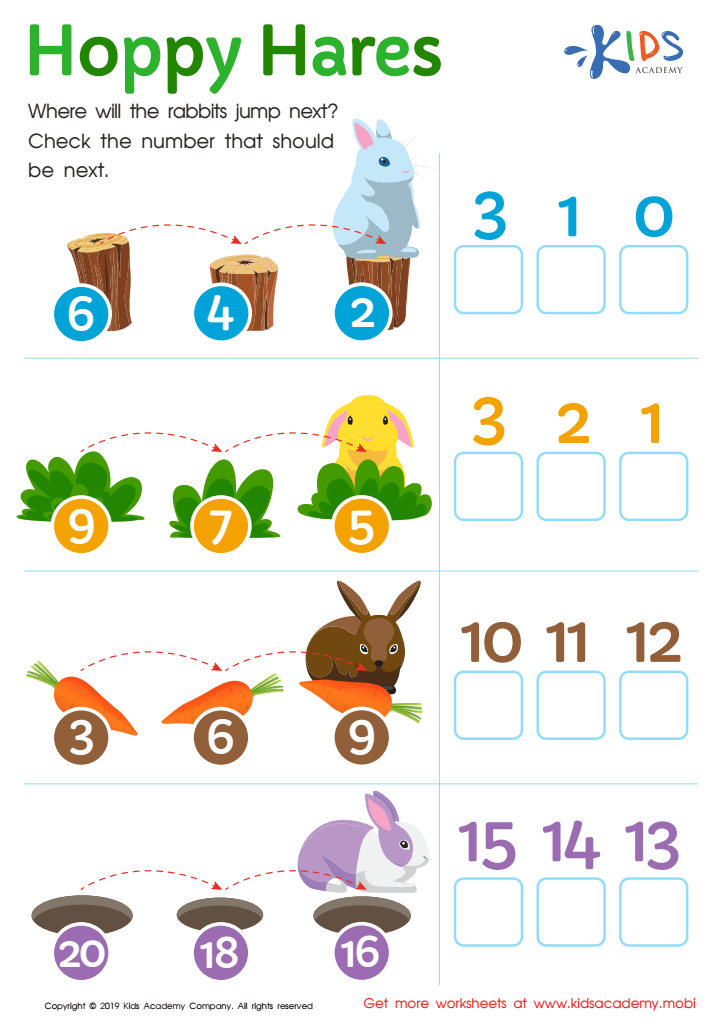
Hoppy Hares Worksheet
 Assign to My Students
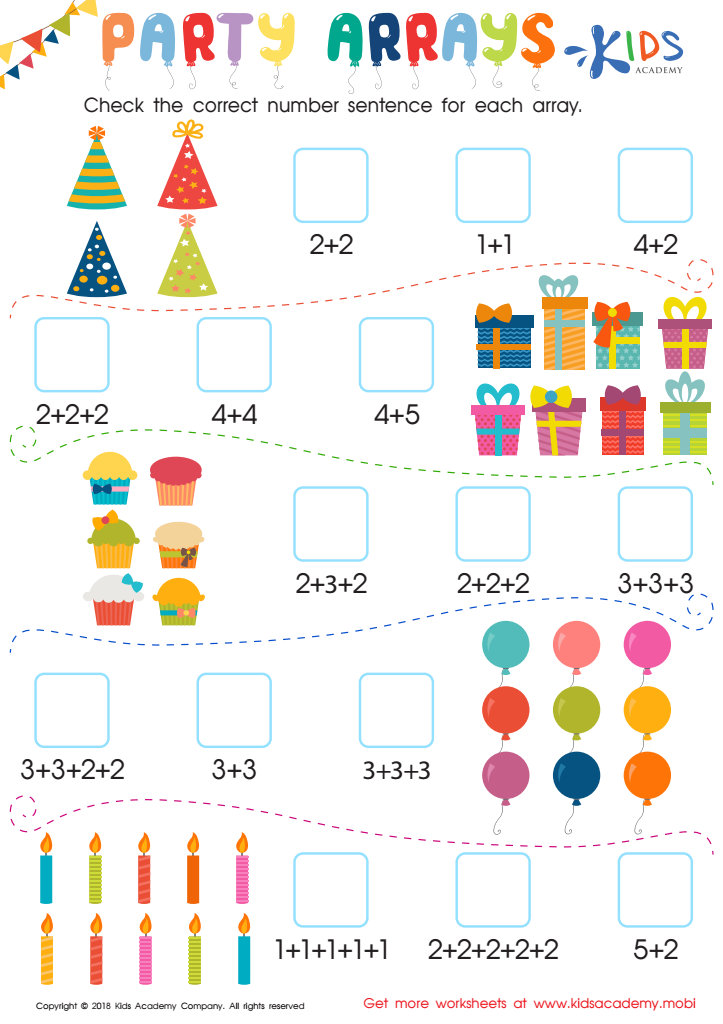
Party Arrays Worksheet
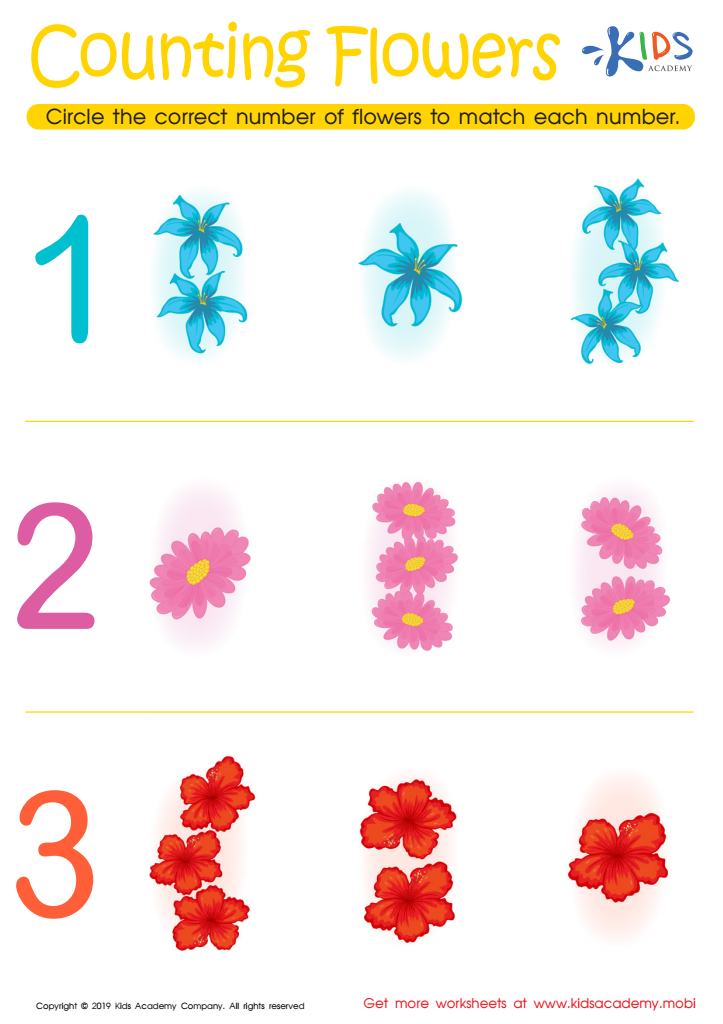
Counting Flowers Worksheet




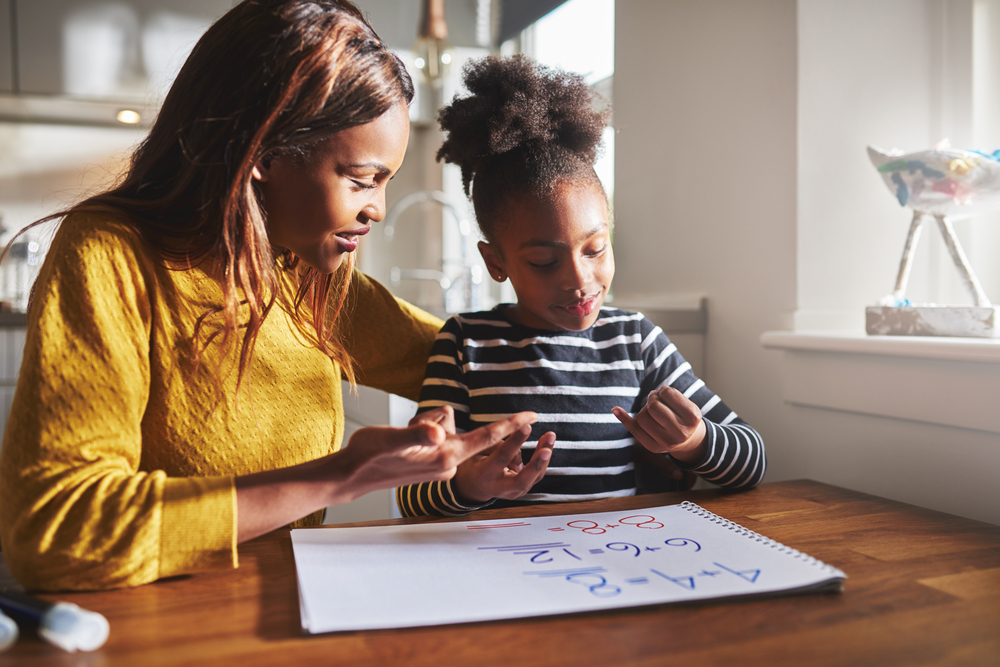


Fine motor skills, like writing, are essential for young children's development and learning. These skills involve the small muscles in their hands and fingers, which help them perform tasks such as holding a pencil, cutting paper, and buttoning shirts. For children aged 4-9, fine motor skills play a crucial role in their daily activities and academic success.
First, strong fine motor skills boost a child's confidence. When kids can write their names or draw pictures, they feel accomplished and ready to explore more challenging tasks. Additionally, these skills are closely linked to literacy development. Practicing writing enhances letter recognition, spelling, and early reading abilities.
Moreover, fine motor skills help children develop concentration and patience. Completing intricate tasks teaches them how to focus and be persistent, qualities that are vital in school and life.
As parents and teachers encourage and celebrate children's progress in fine motor skills, they lay the foundation for future learning. Engaging children in activities like drawing, crafting, and playing with building toys can be fun and beneficial. Overall, supporting fine motor skills helps children succeed in school and fosters lifelong learning habits.








