Phonics Skills Easy Worksheets for Ages 4-9
5 filtered results
-
From - To
Unlock your child's reading potential with our Phonics Skills Easy Worksheets, designed for children ages 4-9. These engaging and interactive resources are perfect for young learners, helping them grasp essential phonics concepts through fun activities. Each worksheet focuses on key phonetic sounds, blending practices, and word recognition, making learning both effective and enjoyable. Our user-friendly format allows for effortless printing, ideal for home, school, or on-the-go learning. Foster a love for reading early with colorful illustrations and captivating exercises that inspire confidence. Discover the joy of phonics with Kids Academy’s curated worksheets, and watch your child blossom into a skilled reader today!
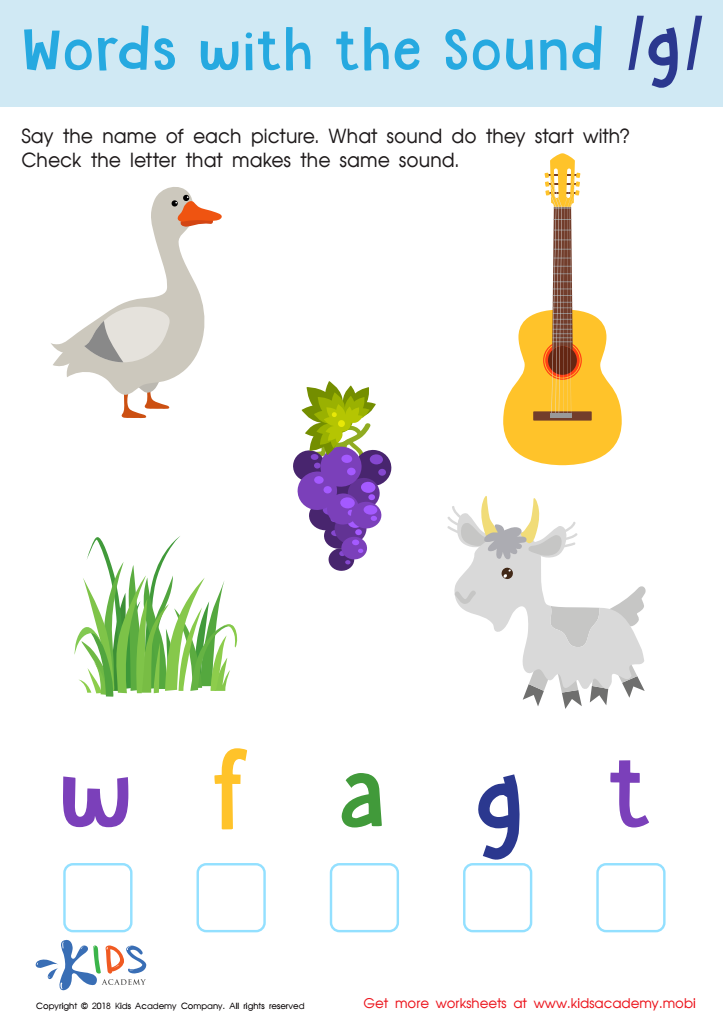
Words with sound g Reading Worksheet
 Assign to My Students
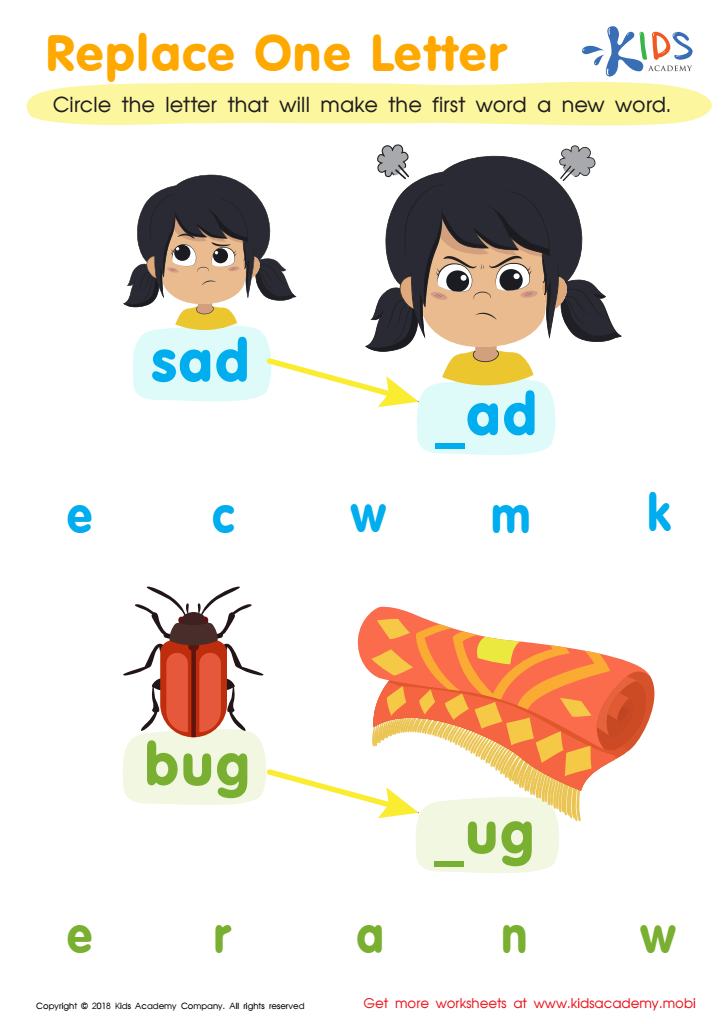
Replace One Letter Worksheet
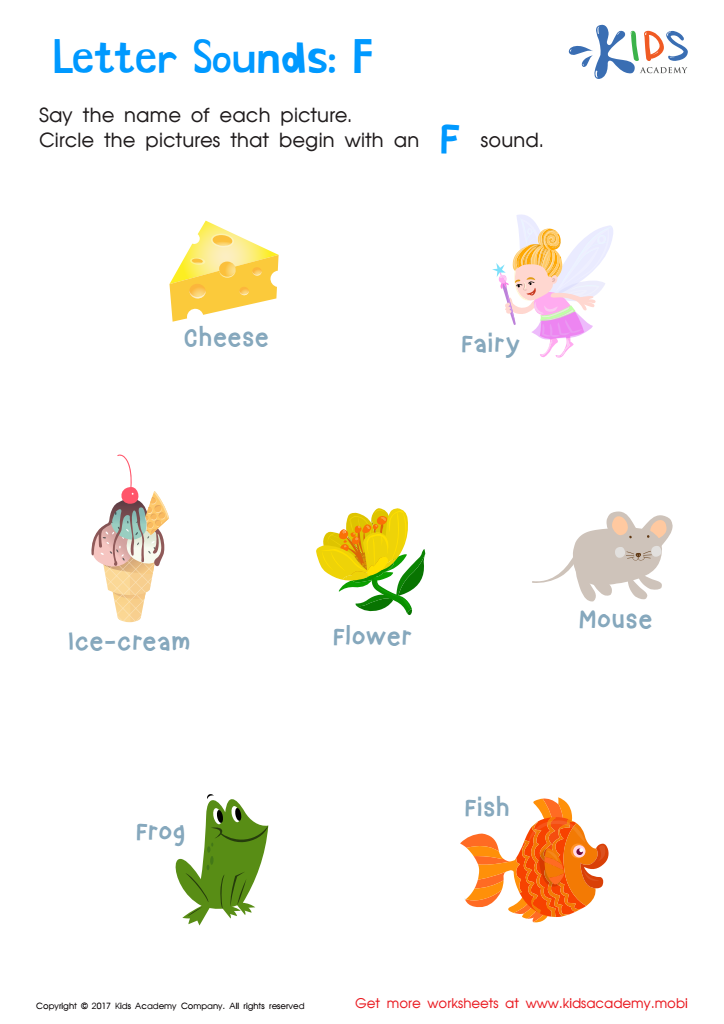
Letter F Sounds Worksheet
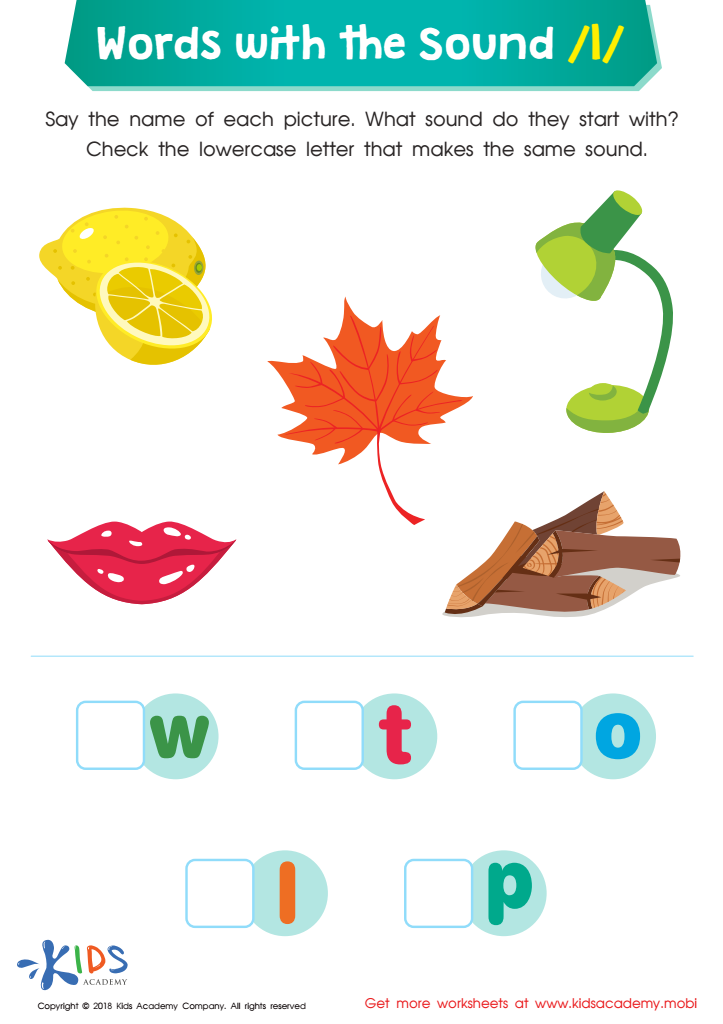
Words with Sound L Reading Worksheet
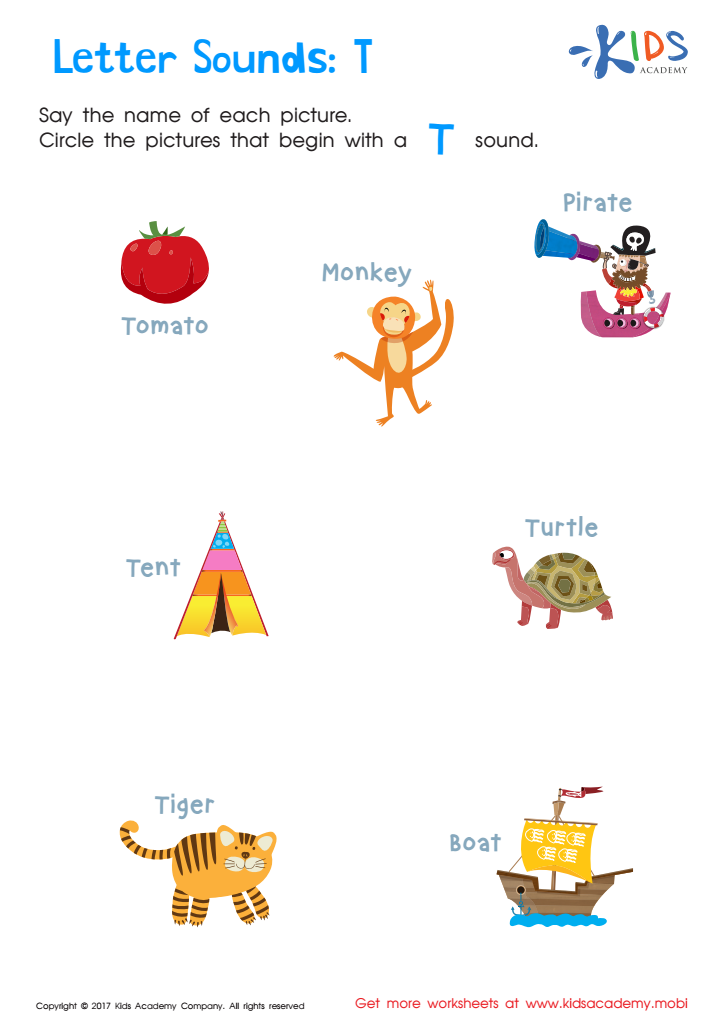
Letter T Sounds Worksheet







Phonics skills are essential for children aged 4-9 as they form the foundation for reading and writing. At this early age, children are developing critical literacy skills that will impact their academic success and lifelong learning. Knowing how to decode words using phonics helps children develop their reading fluency and comprehension, allowing them to engage with texts independently.
Parents and teachers should pay close attention to phonics skills because these abilities facilitate a child's transition from recognizing letters and sounds to understanding more complex text. Children who grasp phonics are often more confident readers, which can reduce frustration and foster a love for reading. Early phonics instruction can also identify and address potential reading difficulties before they become significant challenges.
By emphasizing phonics in the classroom and at home, caregivers can provide children with the tools they need to unlock the joy of reading and communication. Good phonics skills lead to better performance in school, setting a solid groundwork for various subjects that rely on literacy. Ultimately, fostering these skills empowers children, enabling them to express themselves effectively and navigate the world around them with greater ease and confidence.








