Counting practice Easy Addition Worksheets for Ages 4-9
5 filtered results
-
From - To
Discover our "Counting Practice Easy Addition Worksheets," specifically crafted for children aged 4-9! These engaging worksheets are designed to build essential math skills through fun activities that spark a love for learning. Each worksheet features colorful illustrations and clear instructions, making it easy for young learners to grasp foundational addition concepts through counting. Perfect for both classroom settings and at-home practice, our resources help children strengthen their number recognition, counting abilities, and addition skills in an enjoyable way. Join us in making math a fun and exciting part of your child's educational journey with our easy-to-use worksheets!
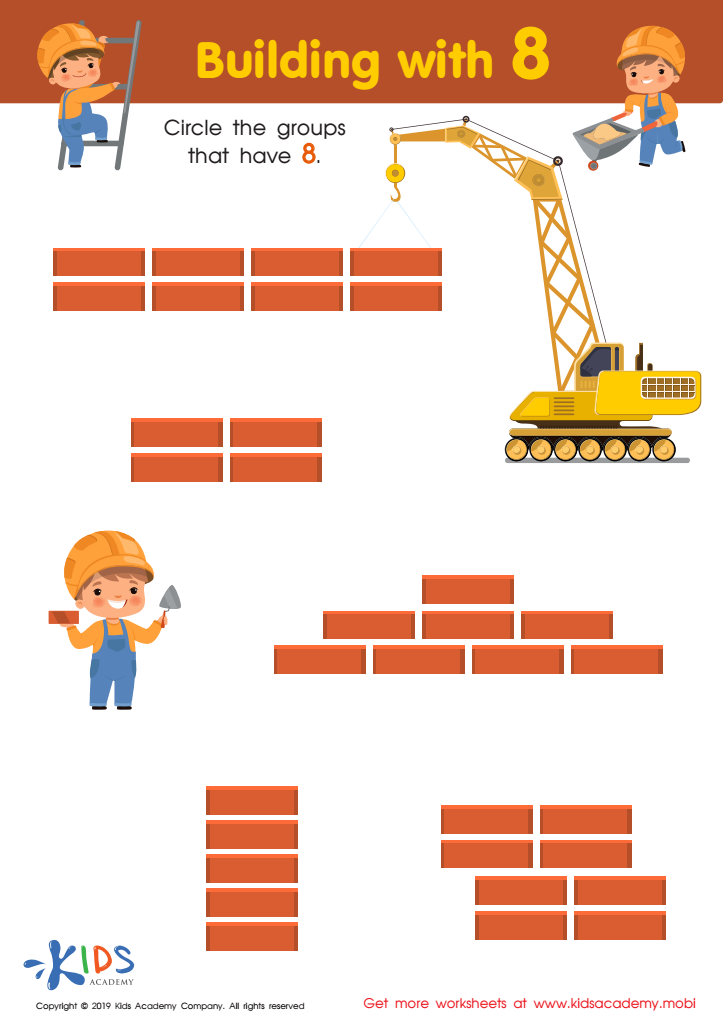
Building with 8 Worksheet
 Assign to My Students
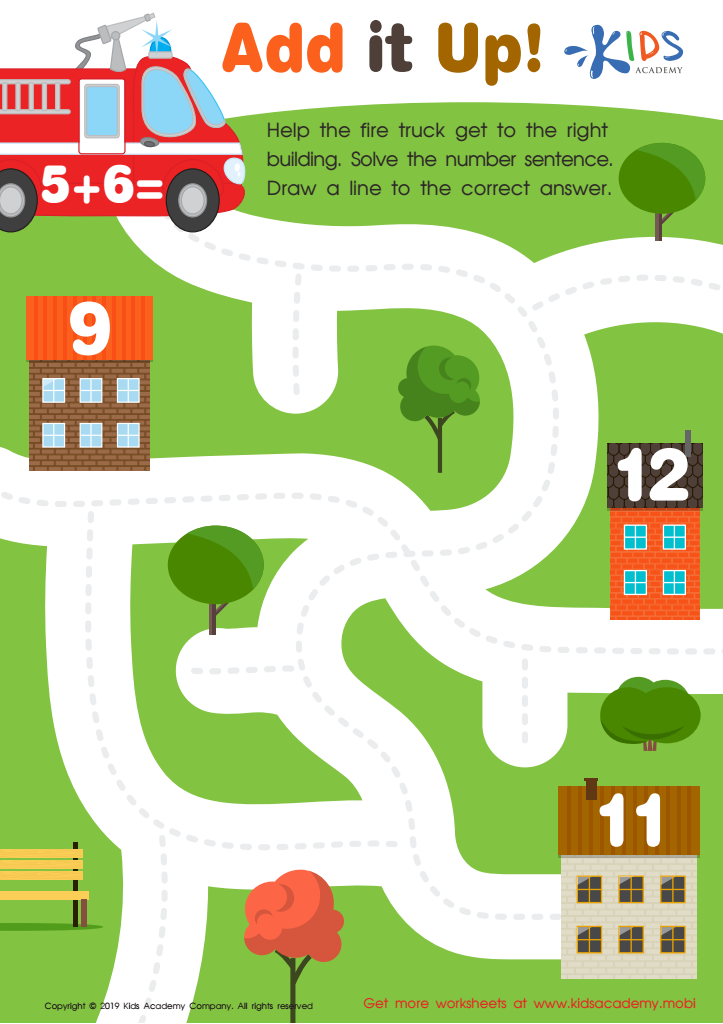
Add it Up Worksheet
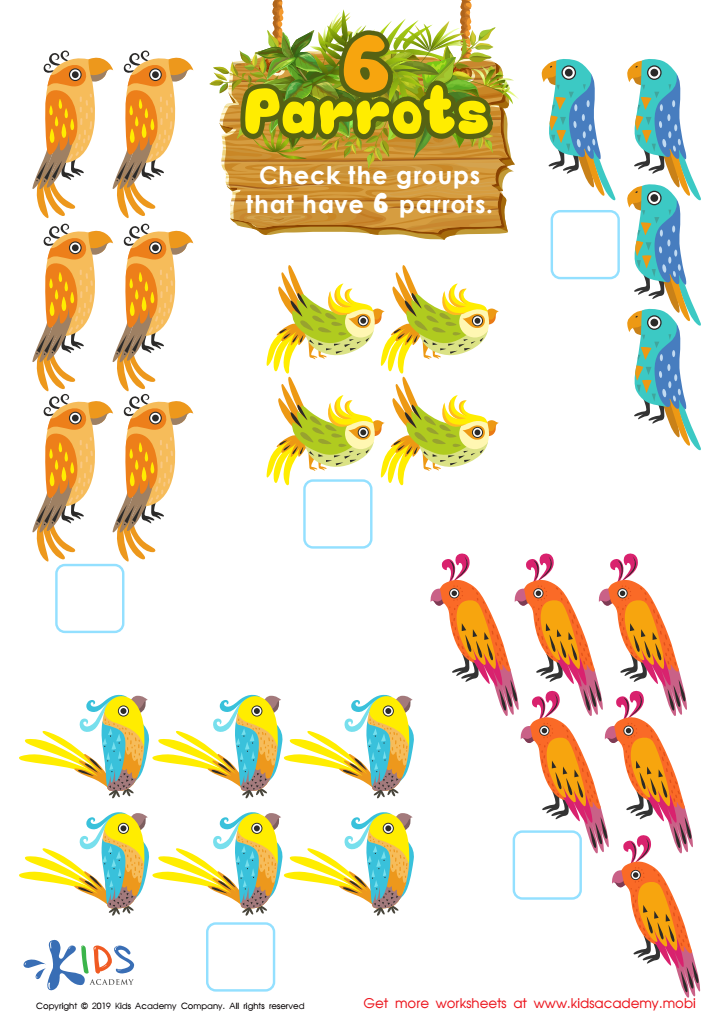
6 Parrots Worksheet
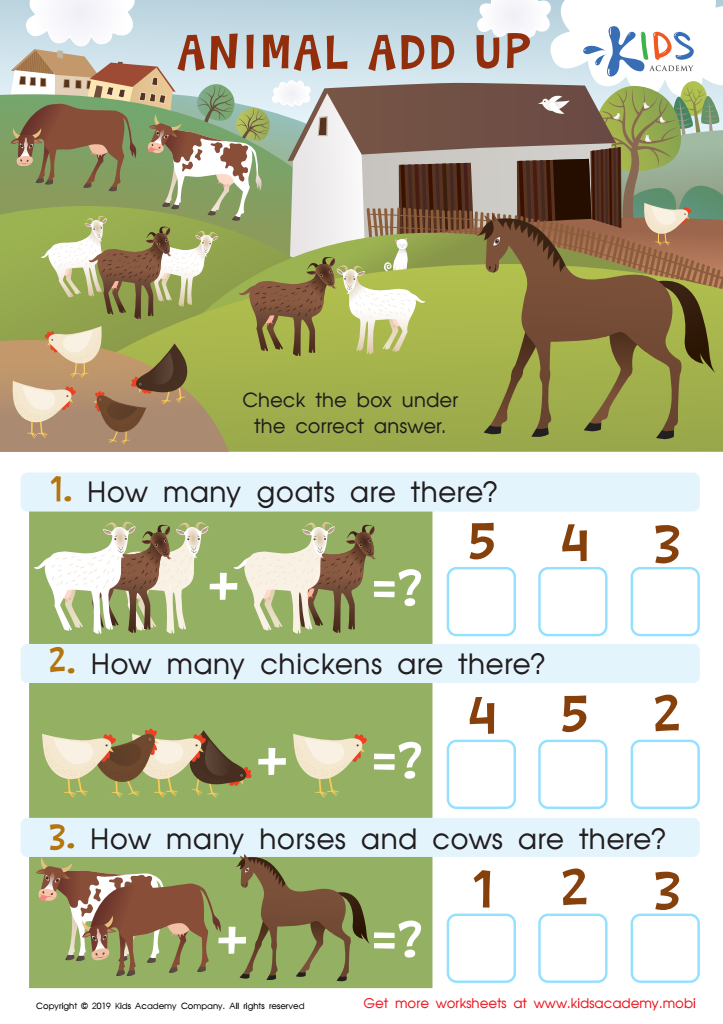
Animal Add Up Worksheet
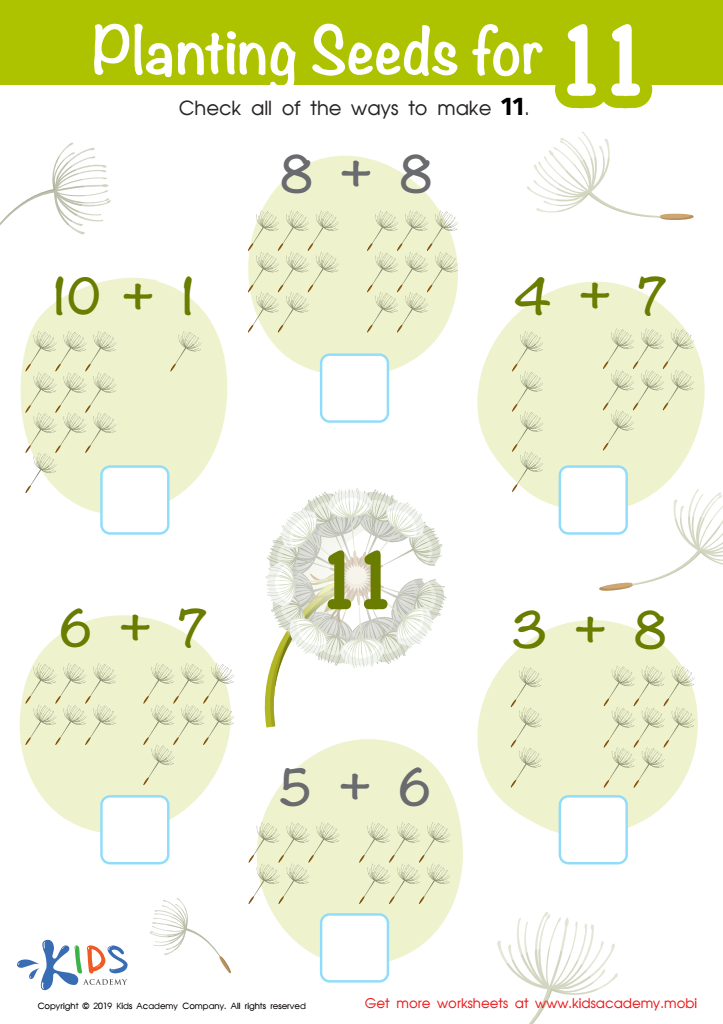
Planting Seeds for 11 Worksheet



.jpg)



.jpg)
Counting practice and easy addition are fundamental skills for children ages 4-9, laying the groundwork for their future mathematical understanding. At this age, children are naturally curious and eager to learn, making them uniquely receptive to engaging educational activities. By incorporating counting and addition into their daily routines, parents and teachers can foster a solid number sense that enhances cognitive development.
Understanding basic arithmetic not only aids in math proficiency but also sharpens critical thinking and problem-solving abilities. These skills are essential as children progress through school, as they will face increasingly complex mathematical concepts. Anticipating these challenges can inspire educators and parents to prioritize counting and addition practice, making learning both fun and effective through games, songs, and everyday activities.
Additionally, consistent practice helps build confidence, enabling children to approach mathematics with a positive mindset. This nurturing of mathematical skills sets the stage for academic success and contributes to essential life skills such as budgeting, time management, and analytical thinking. Ultimately, engaging in counting and addition during this formative stage lays a durable foundation for a child's lifelong educational journey, making it essential for parents and teachers to prioritize these practices.








