Shape Recognition Easy Math Worksheets for Ages 4-9
20 filtered results
-
From - To
Discover our engaging Shape Recognition Easy Math Worksheets, specially designed for children aged 4-9! These worksheets make learning fun and interactive while helping young learners master essential shape identification skills. With a variety of activities, including matching, coloring, and tracing, children will build confidence as they explore shapes such as circles, squares, triangles, and more. Each worksheet promotes critical thinking and fine motor skills, ensuring a well-rounded educational experience. Perfect for classrooms or home learning, our shape recognition worksheets are a fantastic resource for nurturing early math skills. Start fostering a love for learning through shapes with these enjoyable worksheets today!
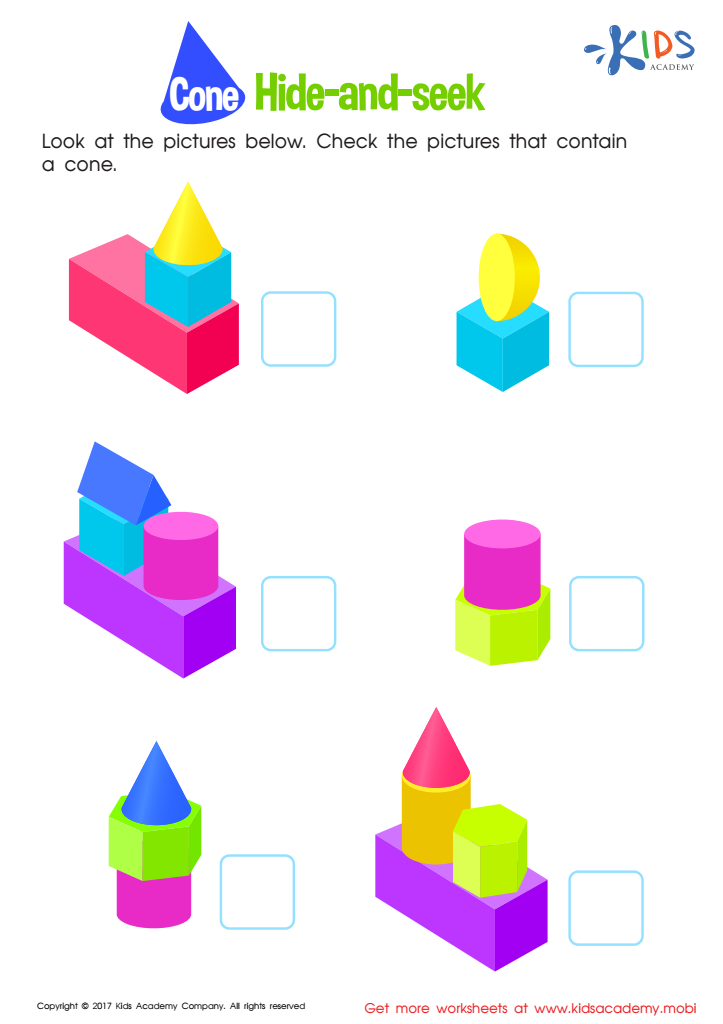
Cone Hide-and-Seek Worksheet
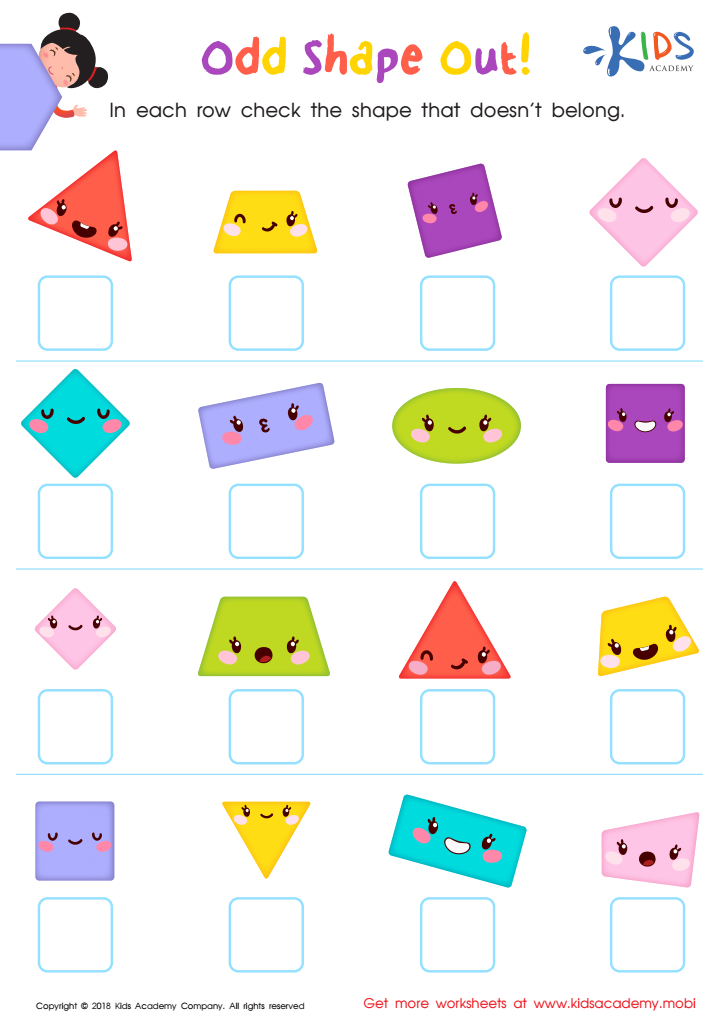
Odd Shape Out Worksheet for Grade 3
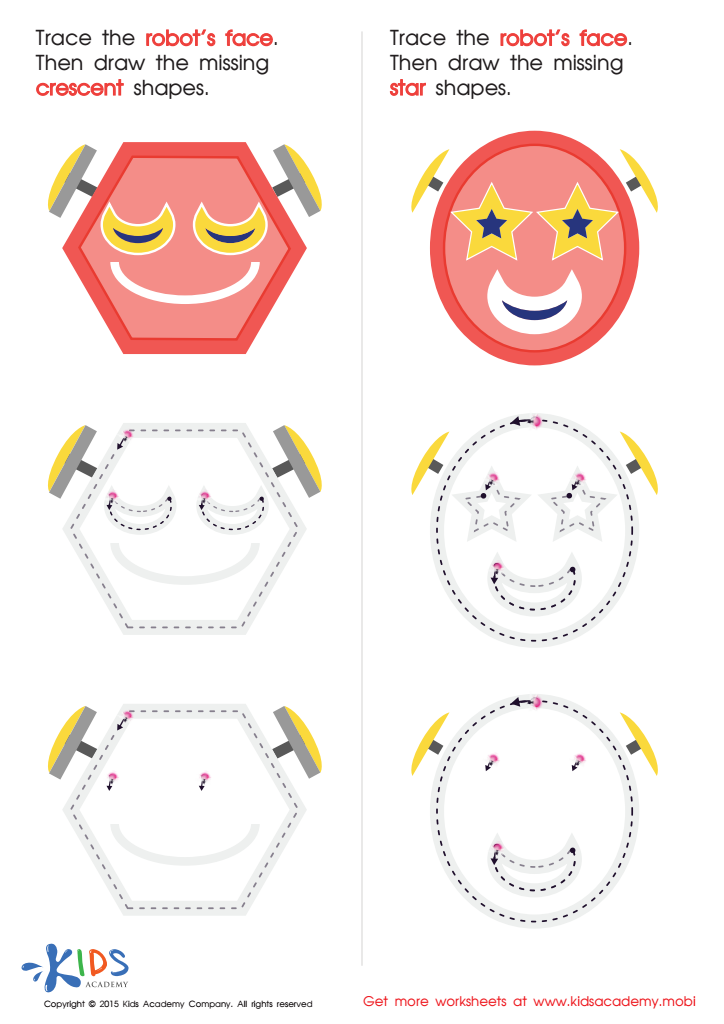
Composing a Robot's Face of Crescents And Stars Worksheet
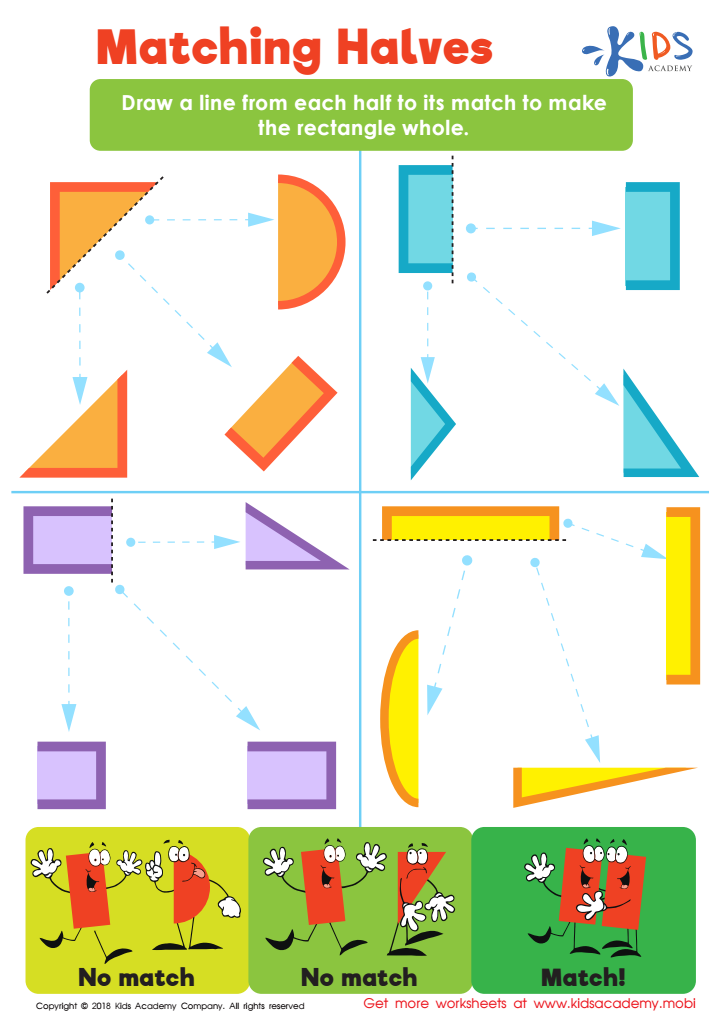
Matching Halves Worksheet
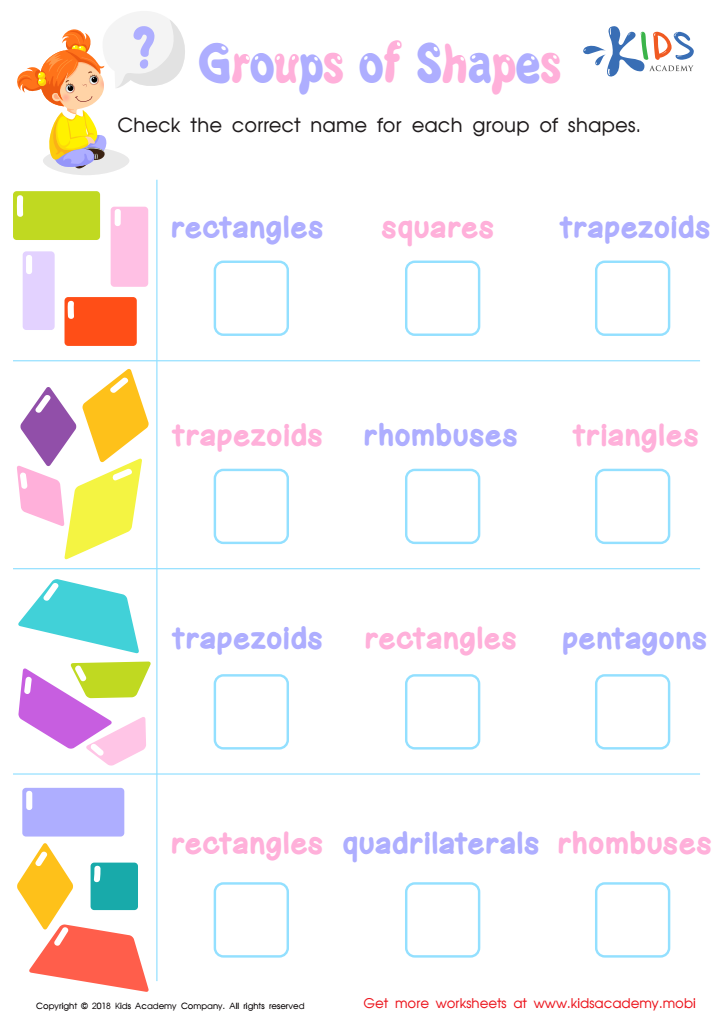
Groups of Shapes Worksheet
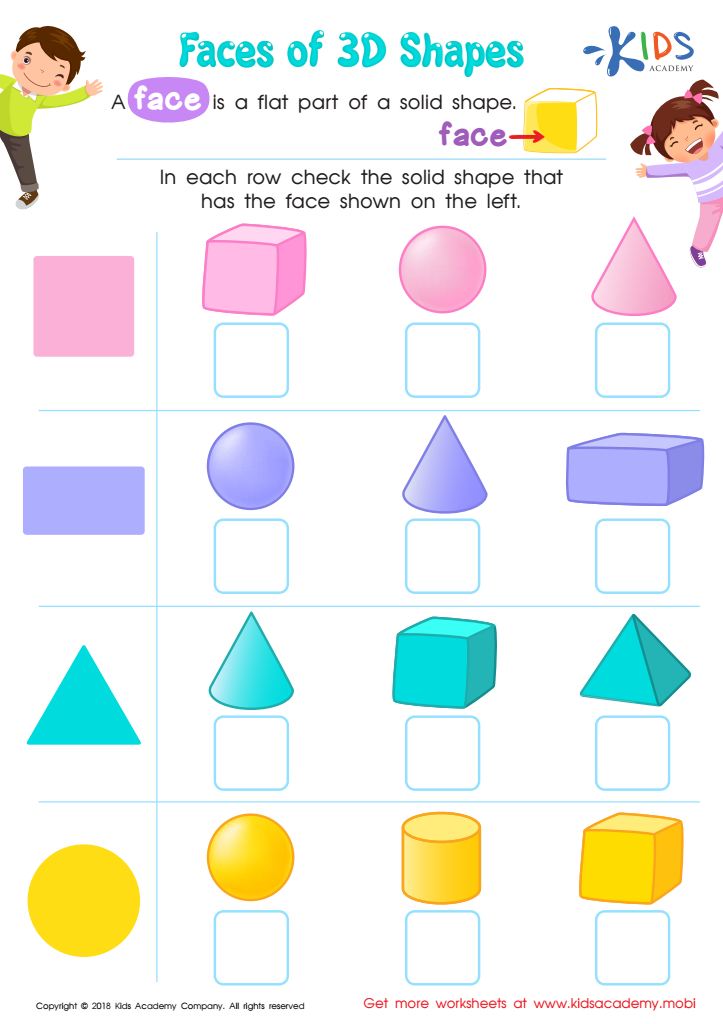
Faces of 3D Shapes Worksheet
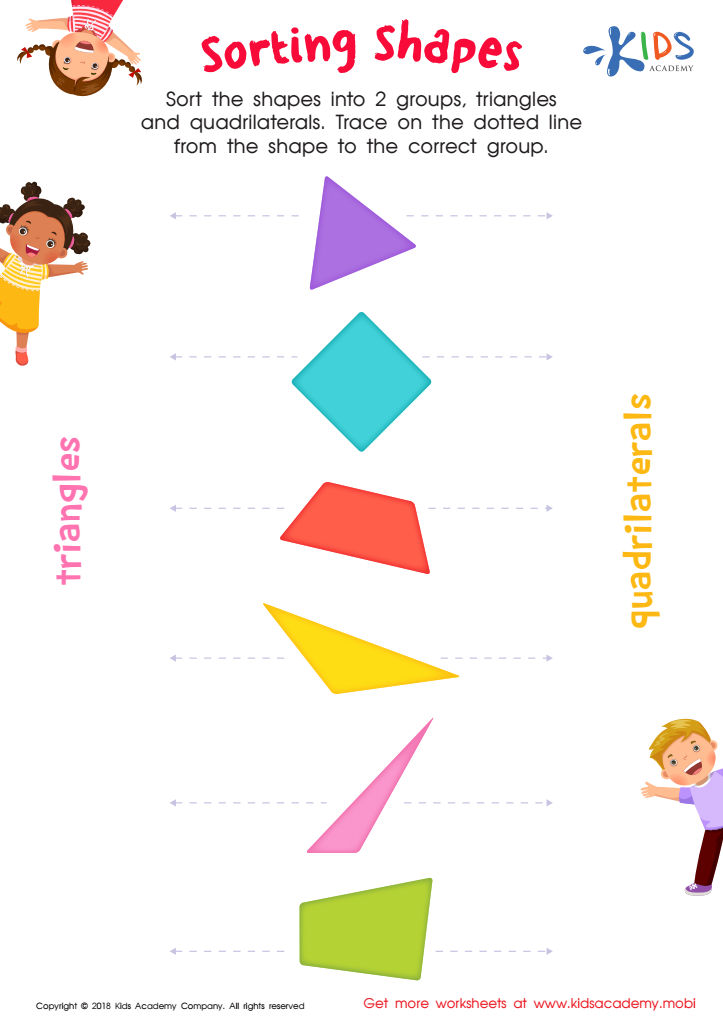
Sorting Shapes Worksheet
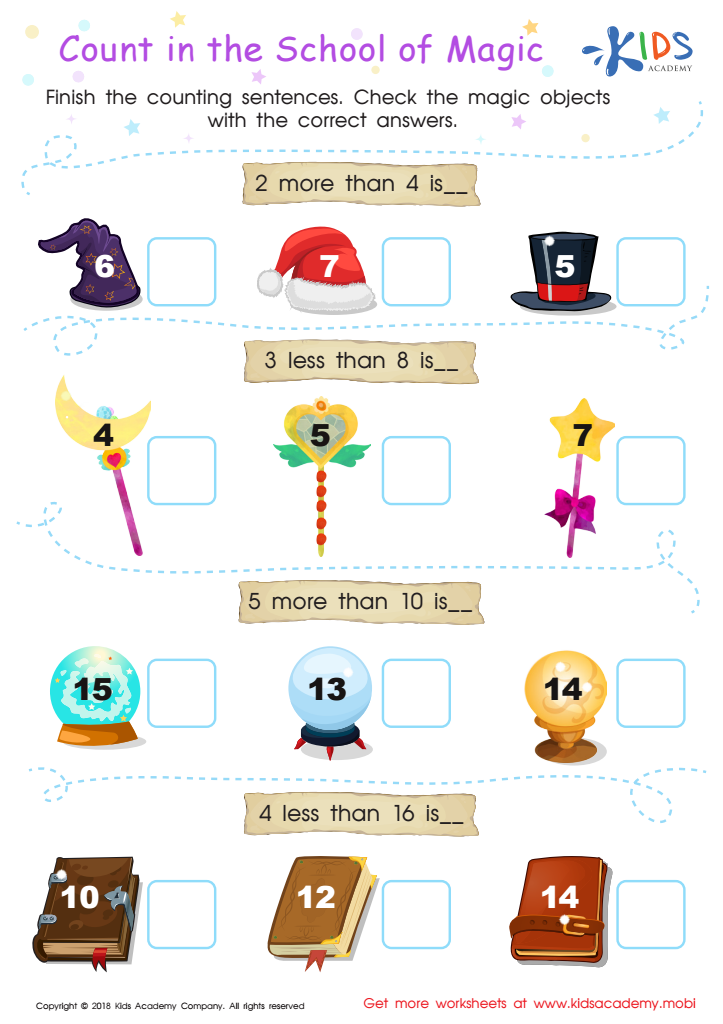
Count in the School of Magic Worksheet
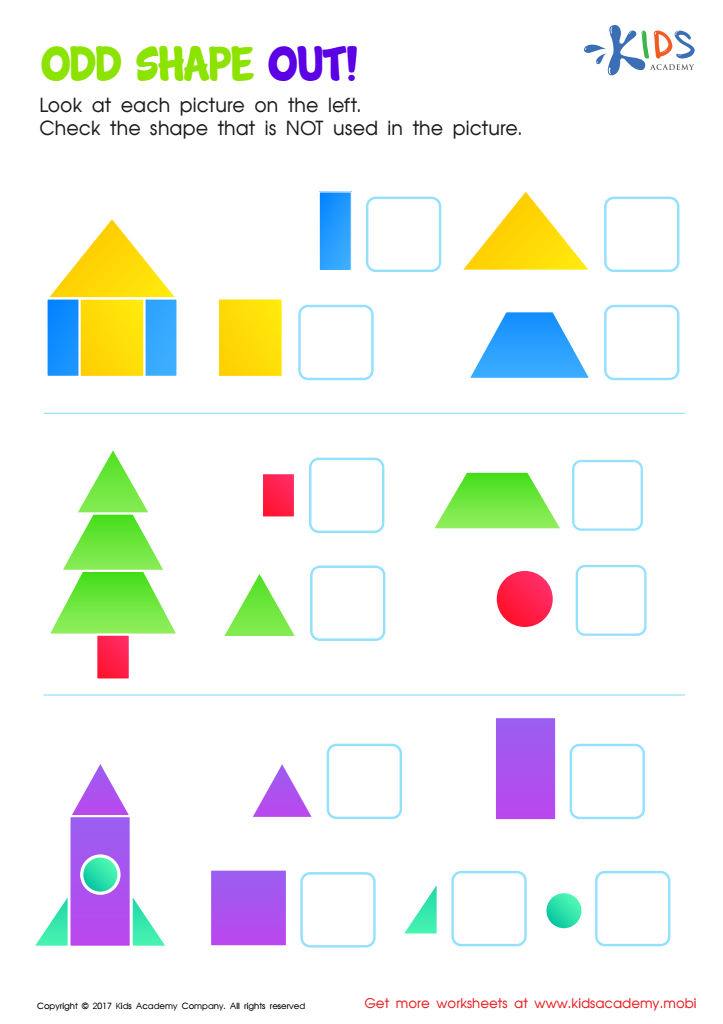
Odd Shape Out Worksheet for Grade 1
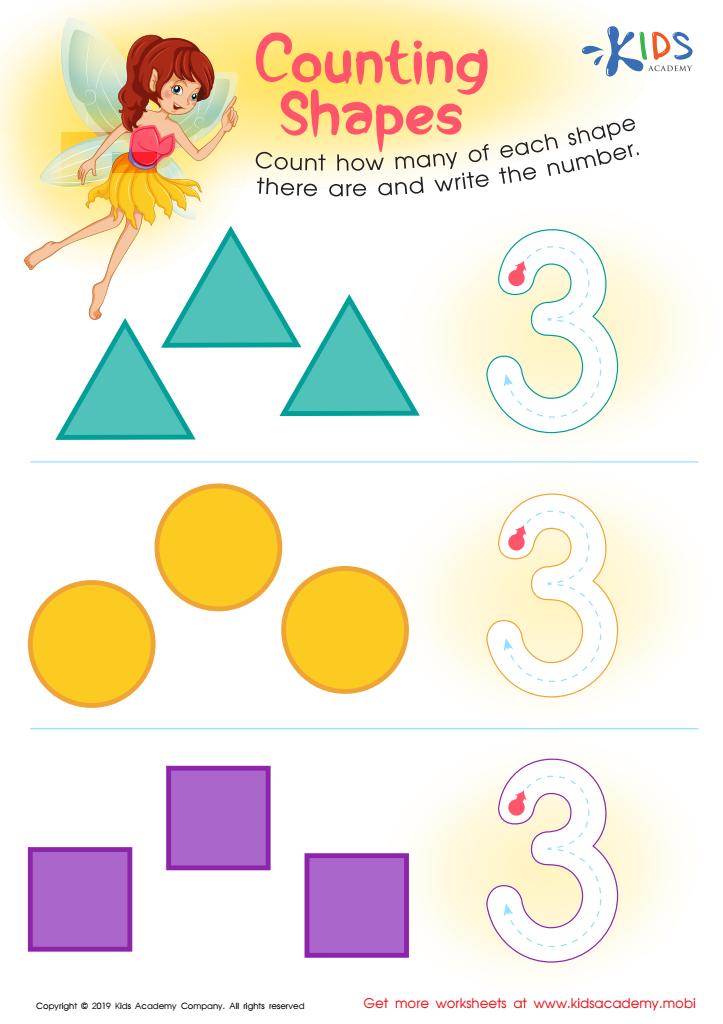
Counting Shapes Worksheet
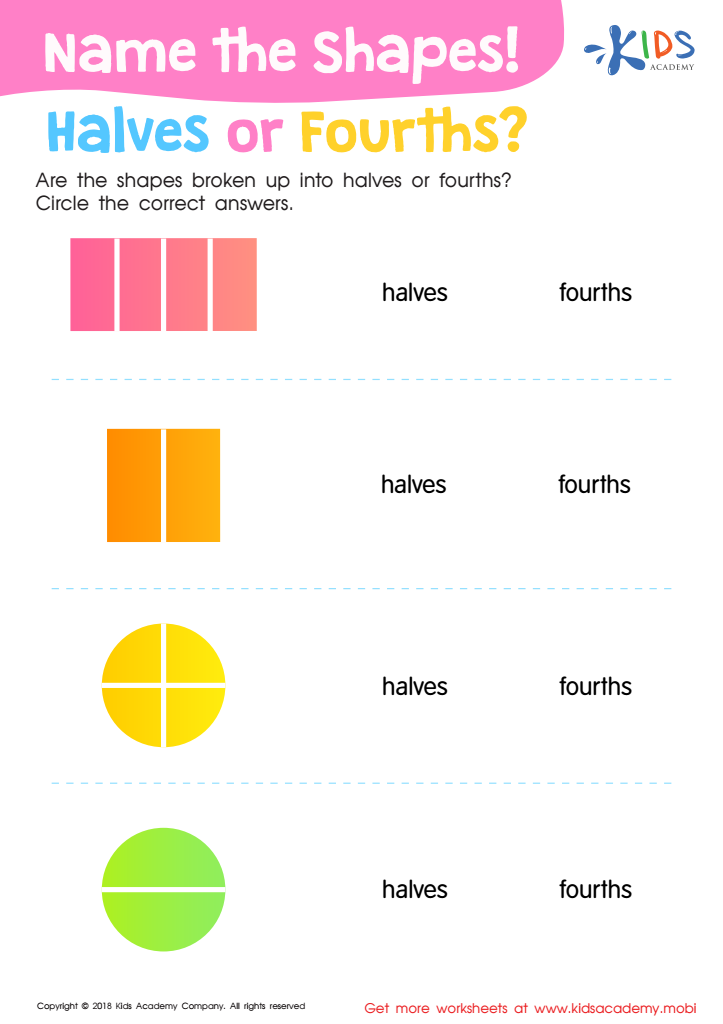
Name the Shapes Halves or Fourths? Worksheet
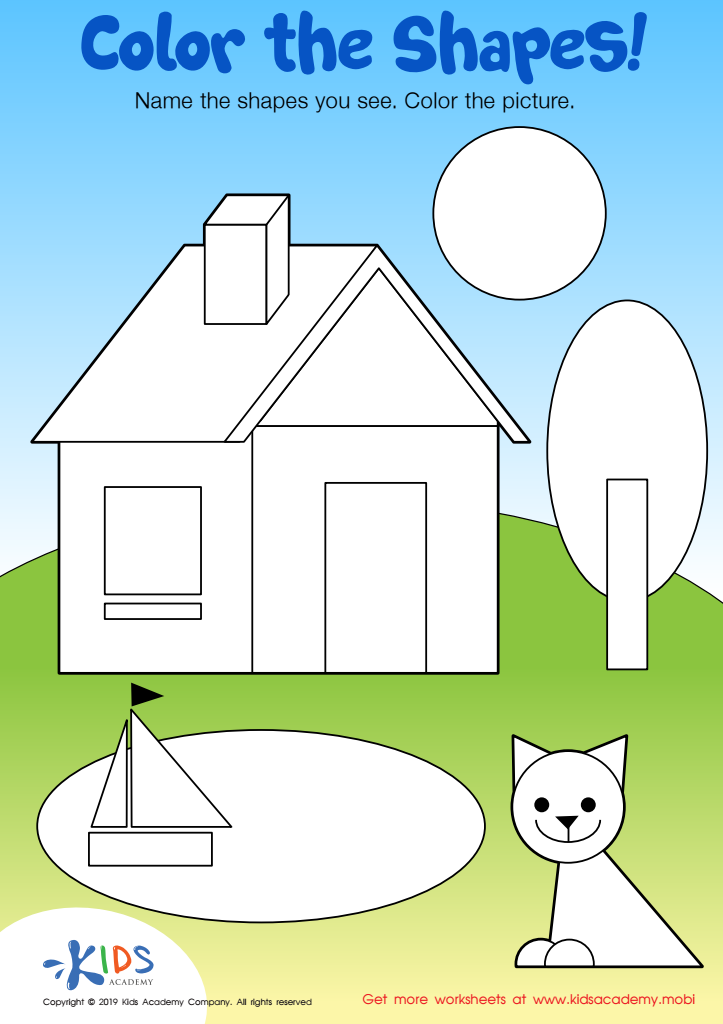
Color the Shapes Worksheet
 Assign to My Students
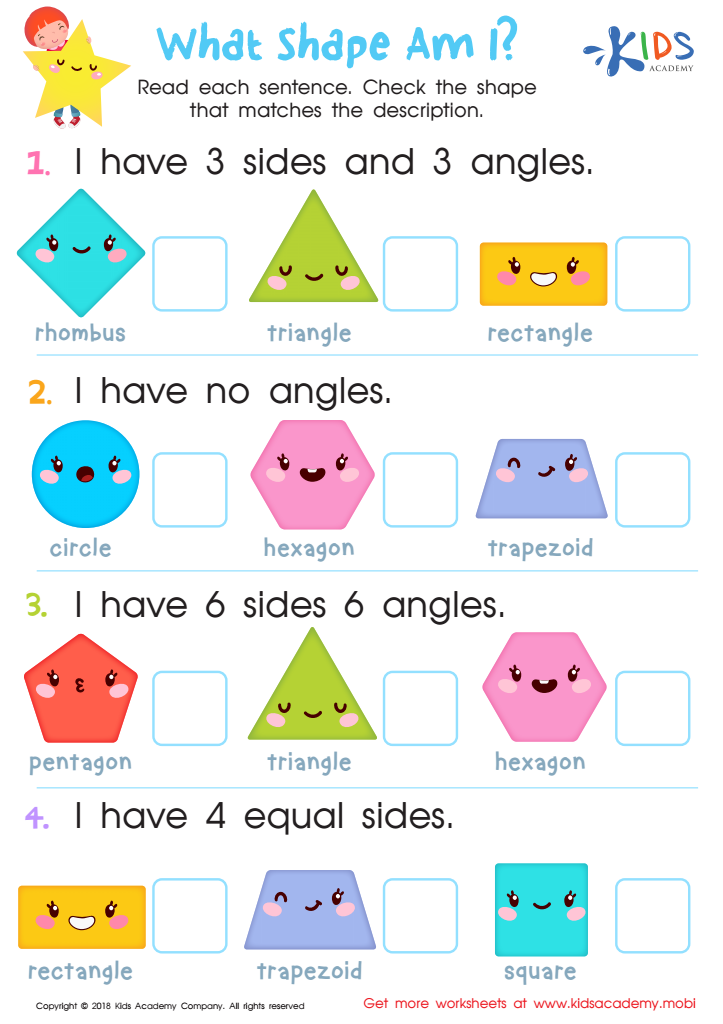
What Shape Am I? Worksheet
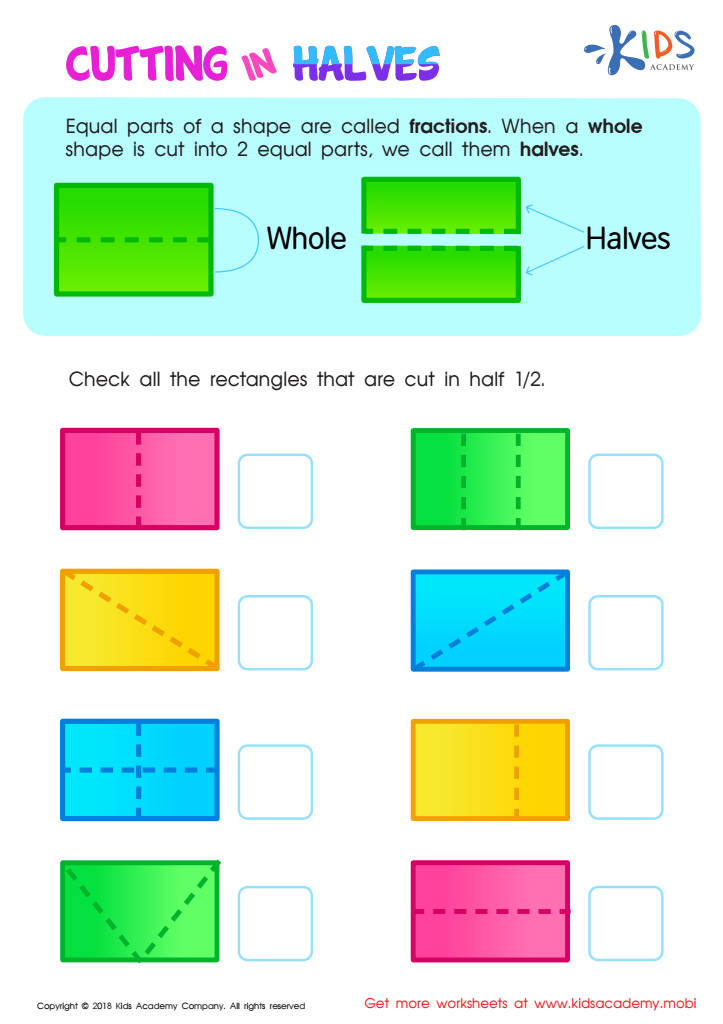
Cutting in Halves Worksheet
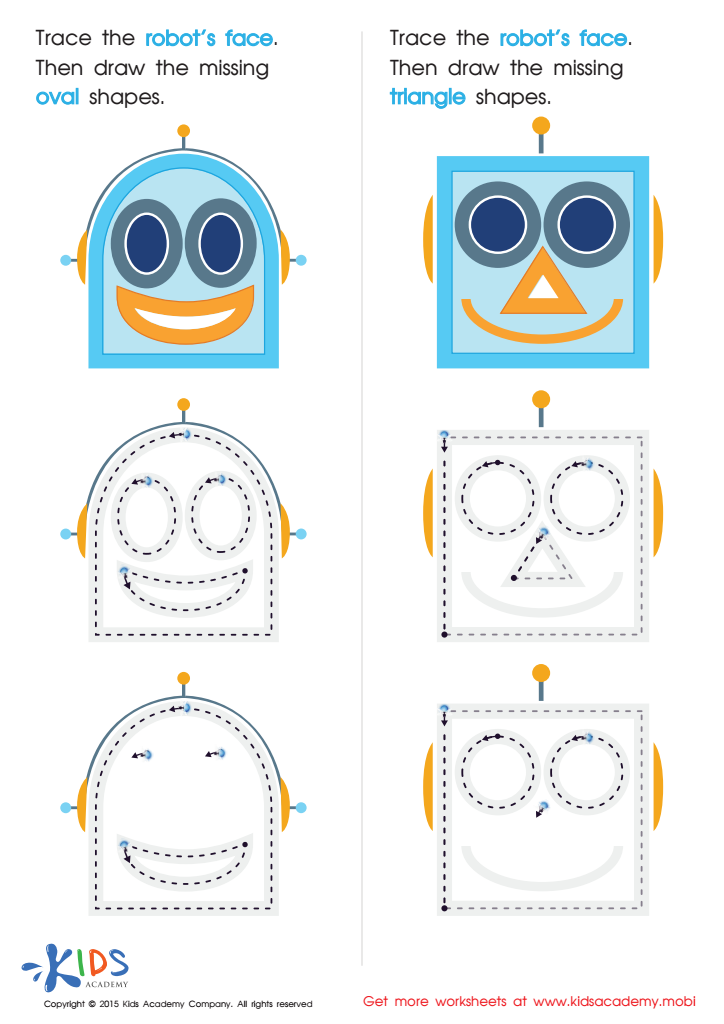
Drawing Ovals And Triangles with Fun Printable
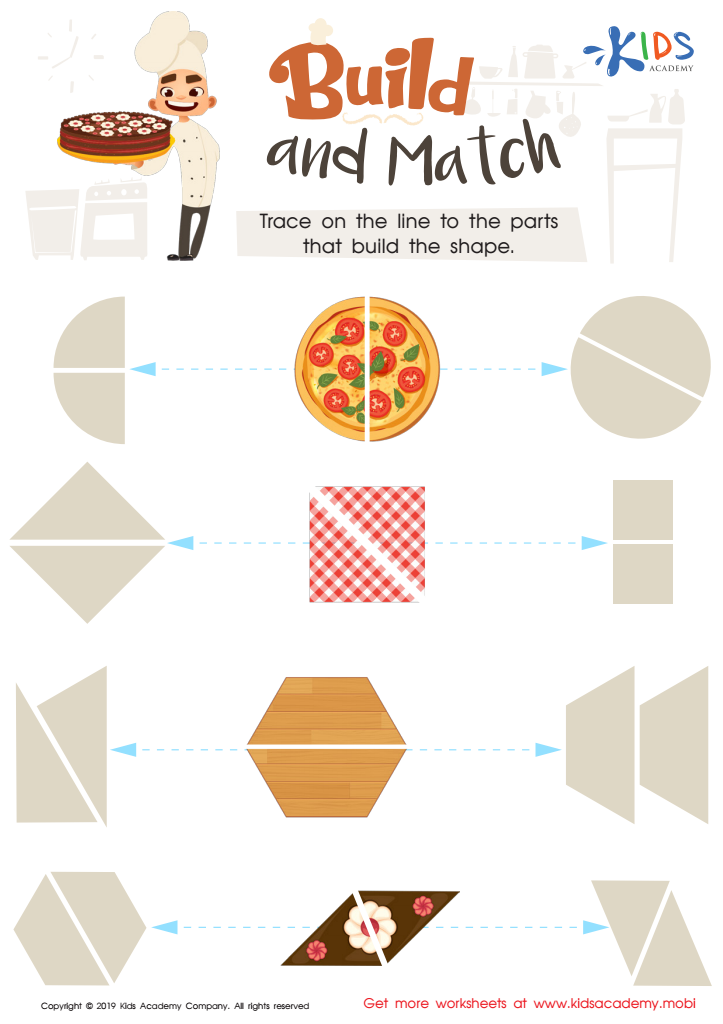
Build and Match Worksheet
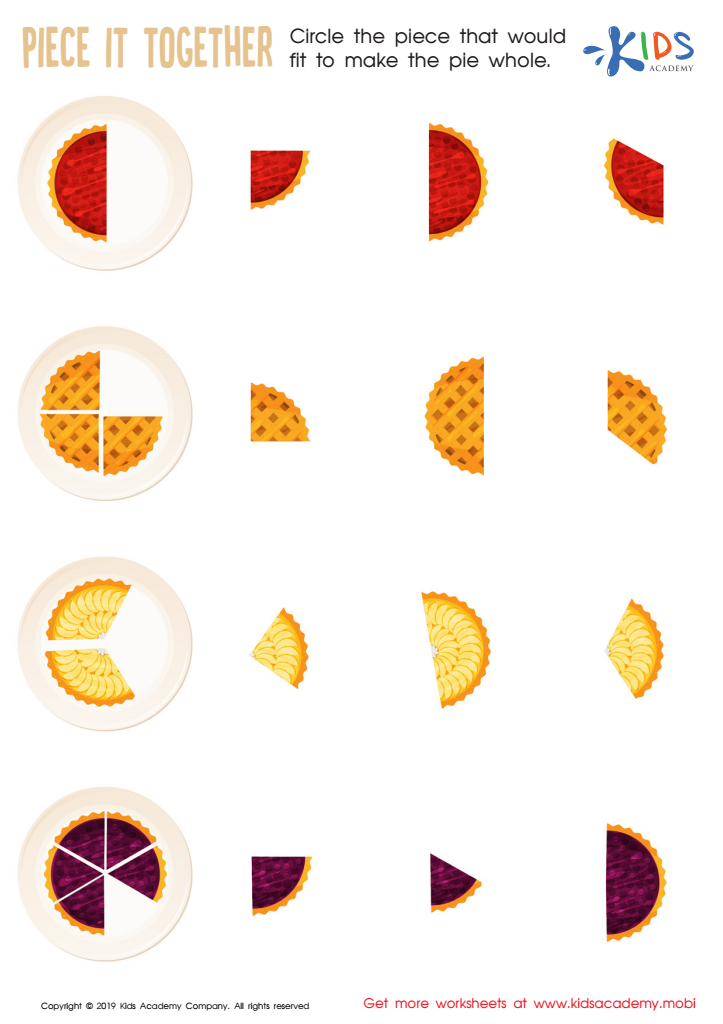
Piece it together Worksheet
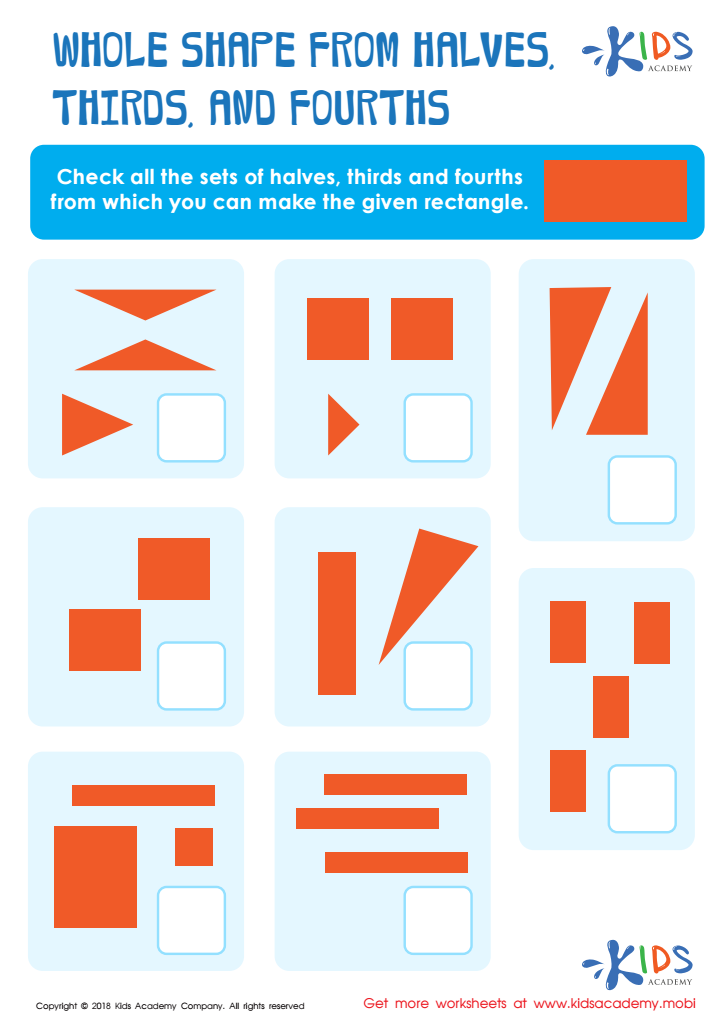
Whole Shape from Halves, Thirds and Fourths Worksheet
Ordering 11–20: Dot–to–dot Seashell Printable
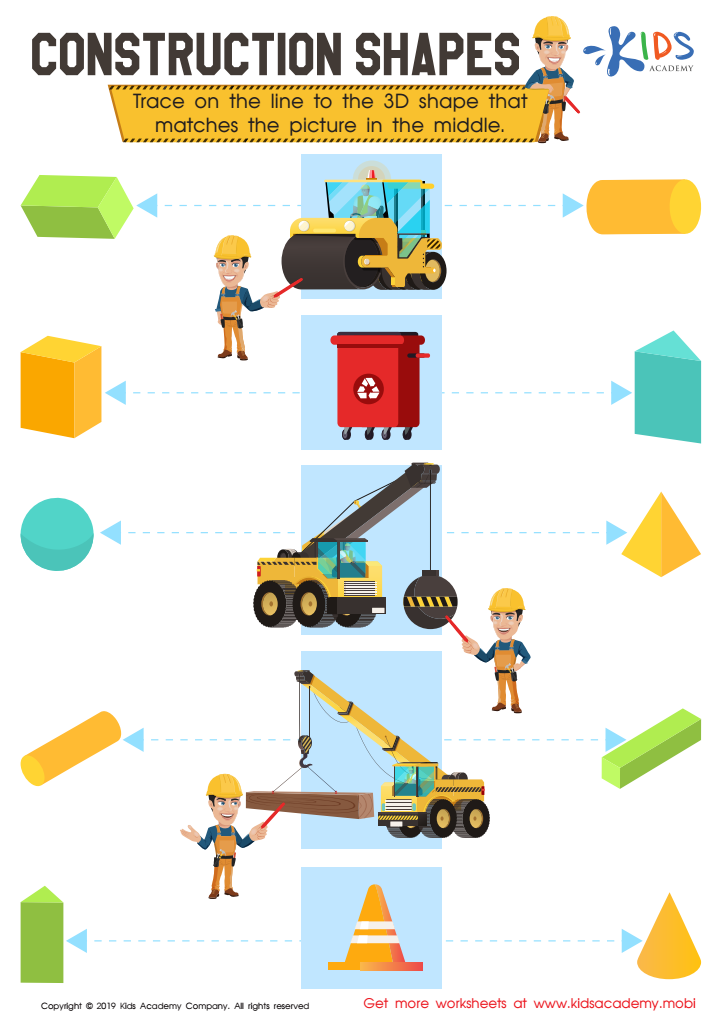
Construction Shapes Worksheet








Shape recognition is a fundamental skill in early mathematics that significantly impacts children's cognitive and academic development. For parents and teachers of children aged 4-9, fostering shape recognition is crucial as it lays the groundwork for various mathematical concepts and critical thinking skills. Recognizing shapes helps children categorize objects, understand spatial relationships, and develop their observational skills.
By engaging with shape recognition activities, children enhance their visual perception and improve hand-eye coordination, essential for tasks such as drawing, writing, and even later STEM learning. Additionally, this skill is integrated into everyday life, from identifying shapes in their environment to understanding geometric concepts in more advanced math.
For parents, promoting shape recognition can be a fun and interactive approach to learning at home, encouraging quality time while stimulating intellectual curiosity. For teachers, incorporating shape recognition into lesson plans can make math more accessible and enjoyable, often sparking a lifelong interest in learning.
Ultimately, caring about shape recognition means investing in a child’s foundational understanding necessary for future academic success, problem-solving skills, and confidence in learning. It’s an essential building block that every child should be encouraged to explore and master.








