Easy Measurement Worksheets for Ages 4-9 - Page 2
43 filtered results
-
From - To
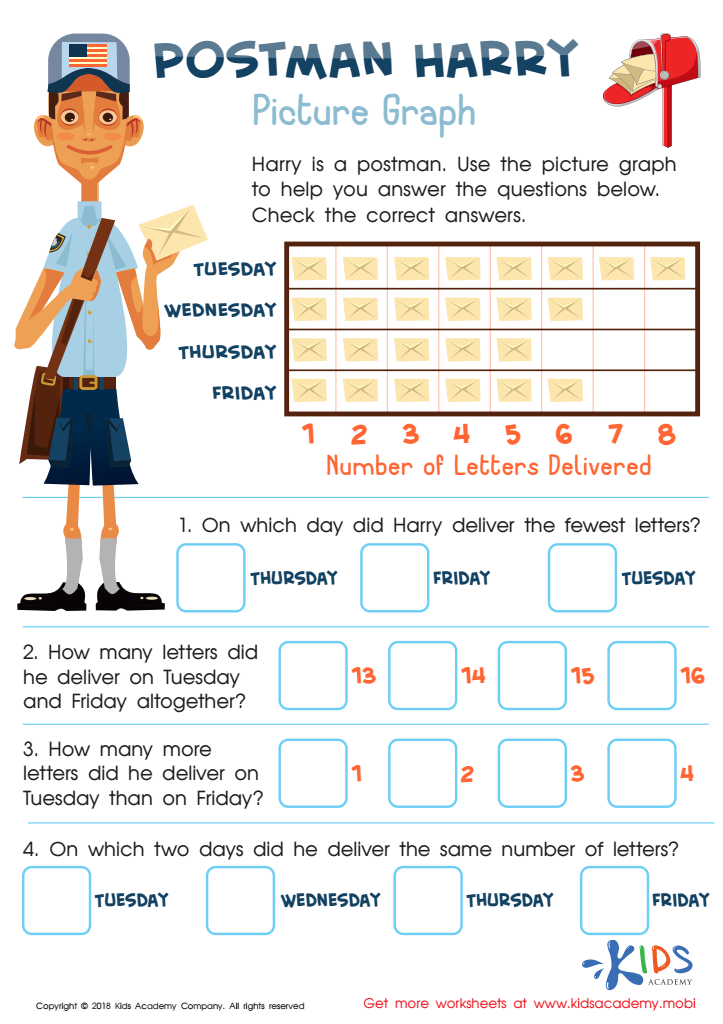
Postman Harry: Picture Graph Worksheet
 Assign to My Students
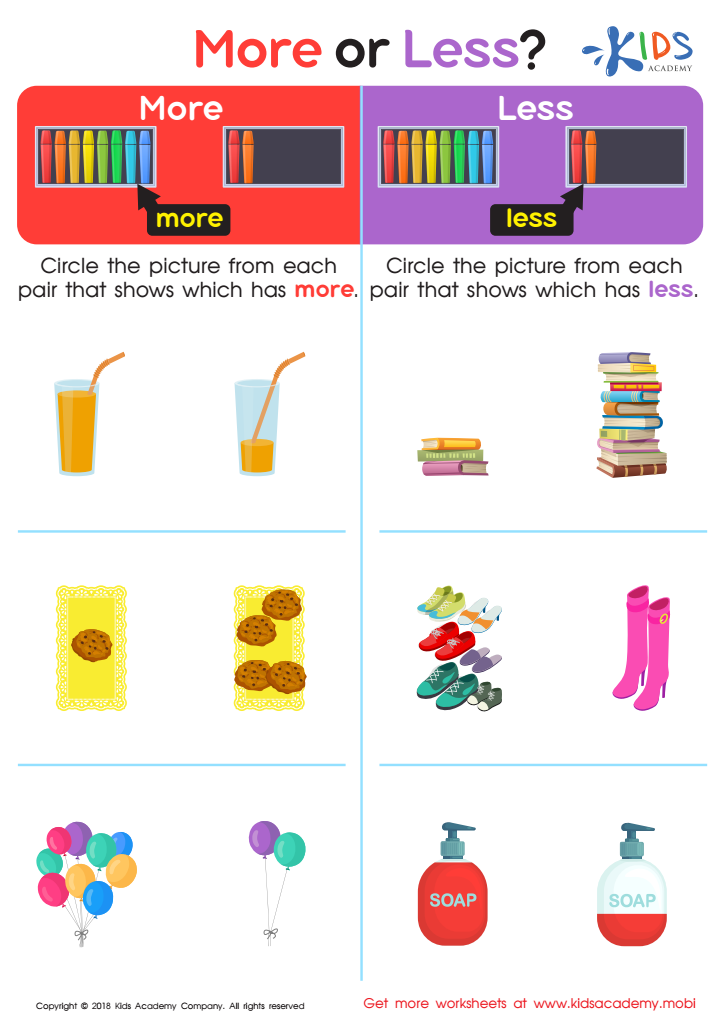
More or Less? Worksheet
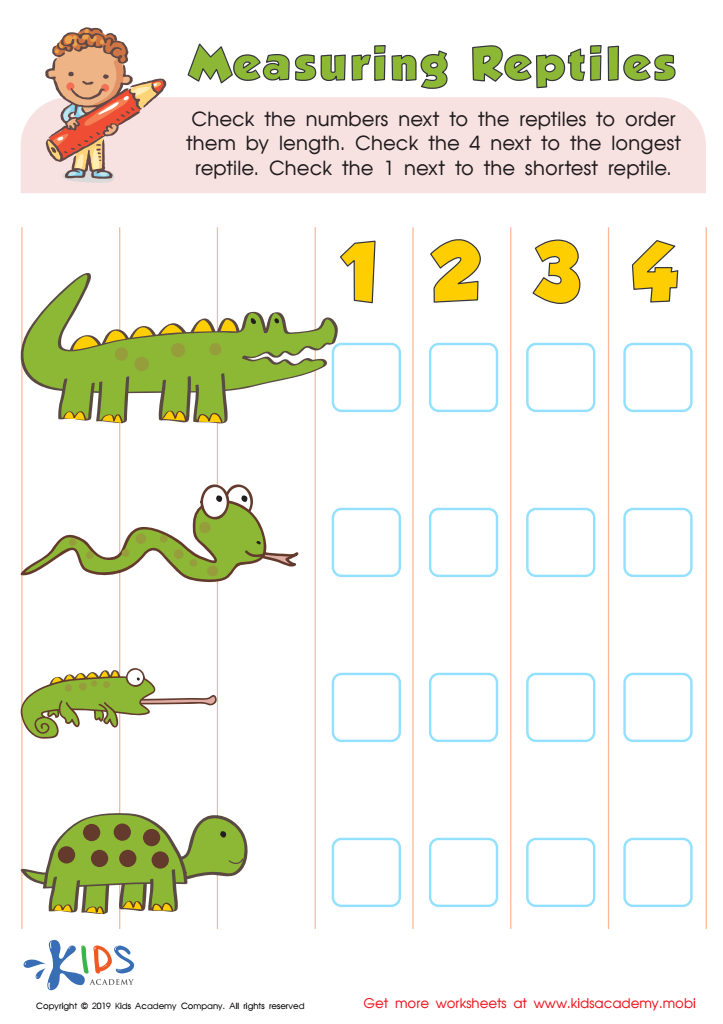
Measuring Reptiles Worksheet
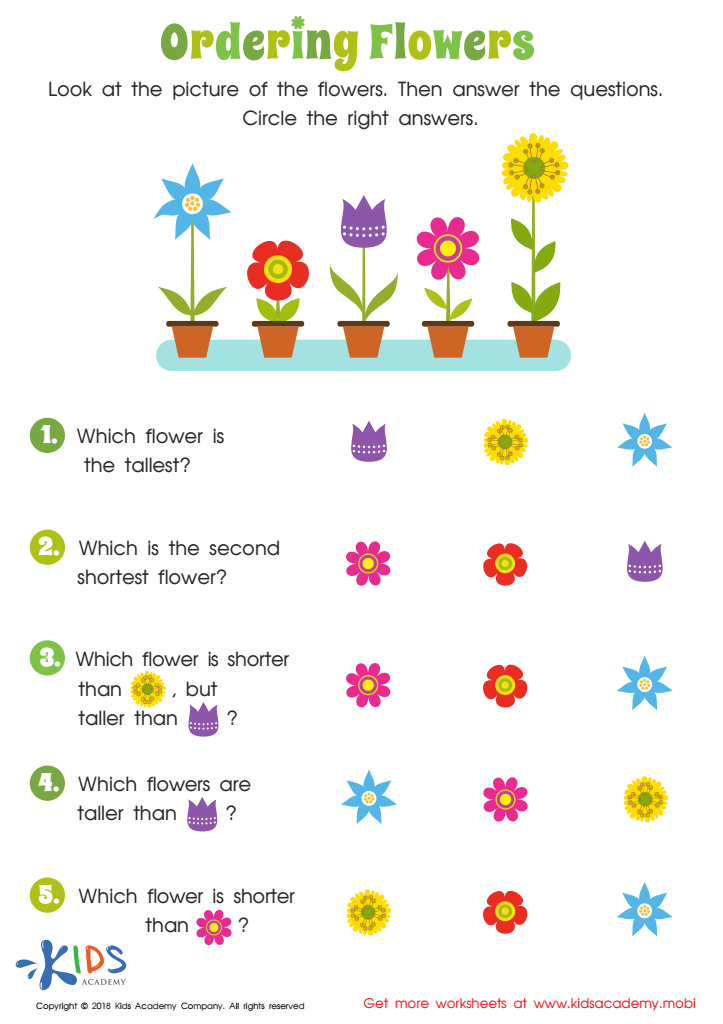
Ordering Flowers Worksheet
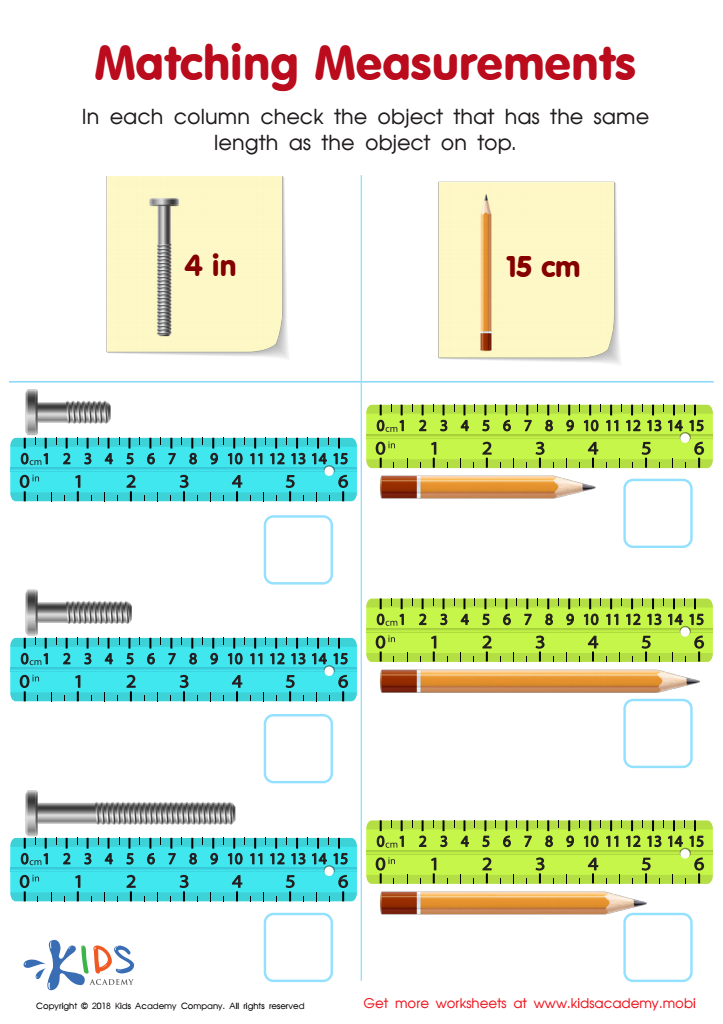
Matching Measurements Worksheet
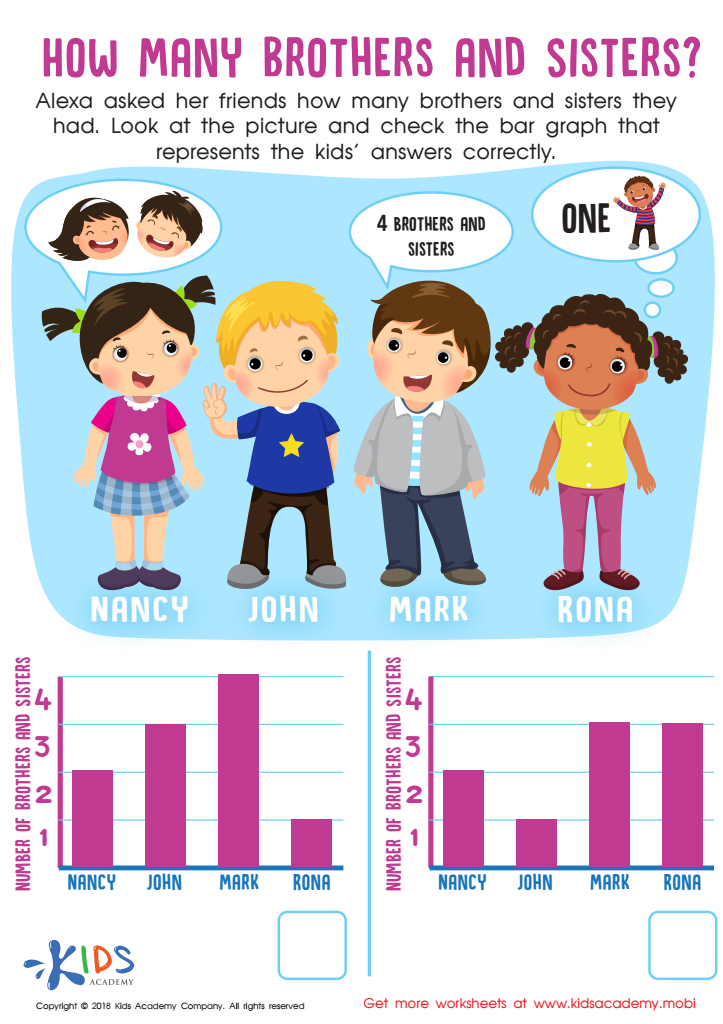
How Many Brothers and Sisters? Worksheet
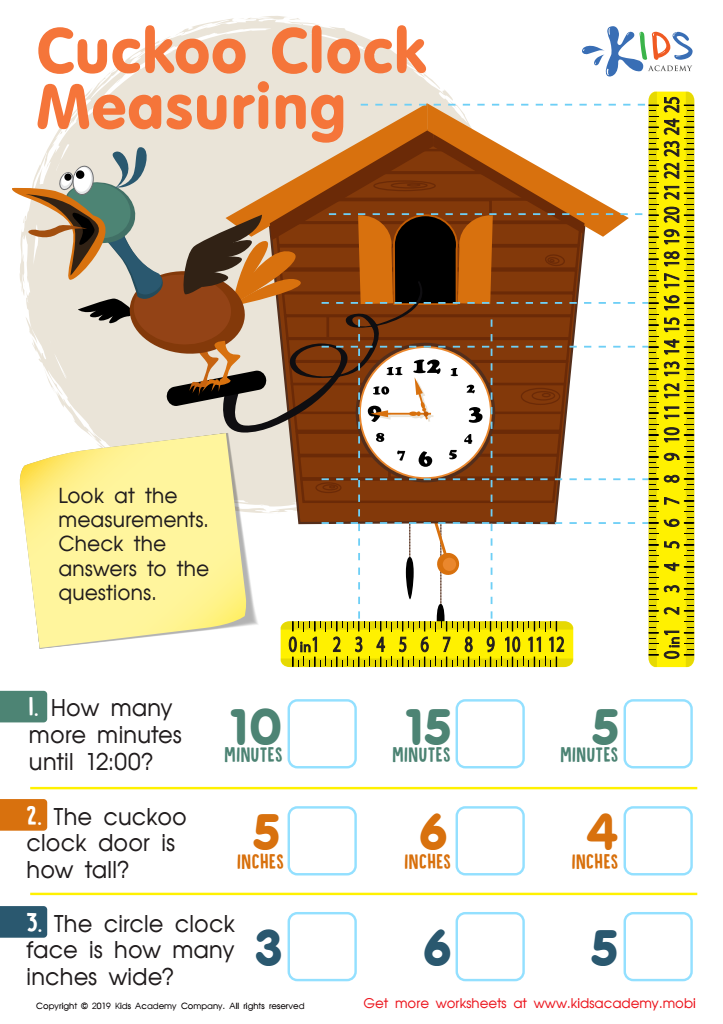
Cuckoo Clock Measuring Worksheet
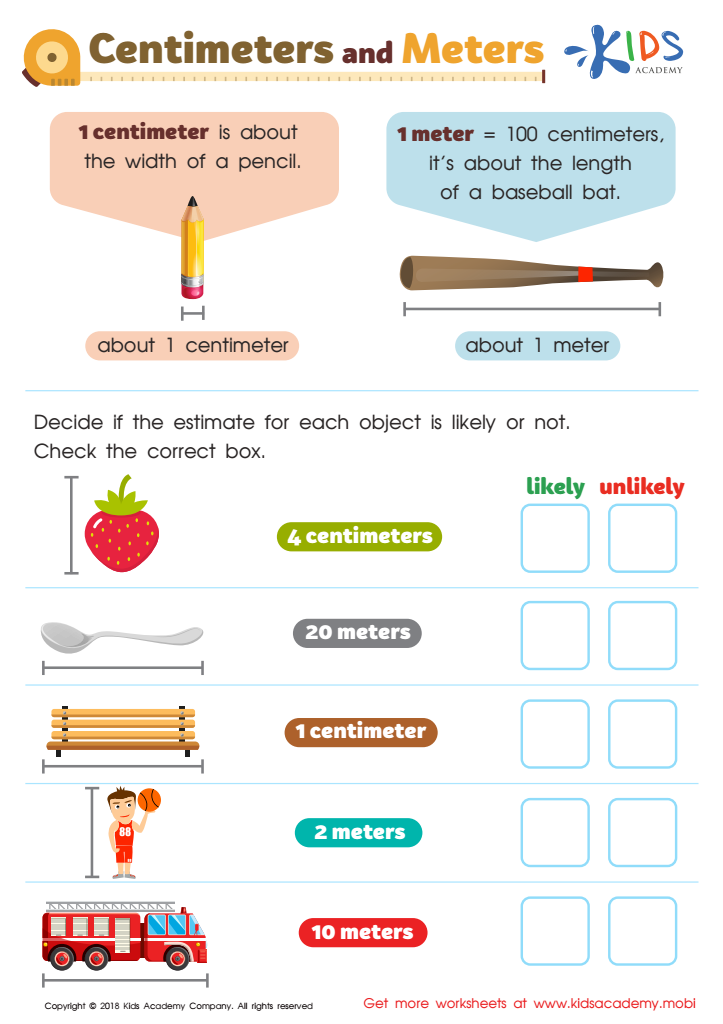
Centimeters and Meters Worksheet
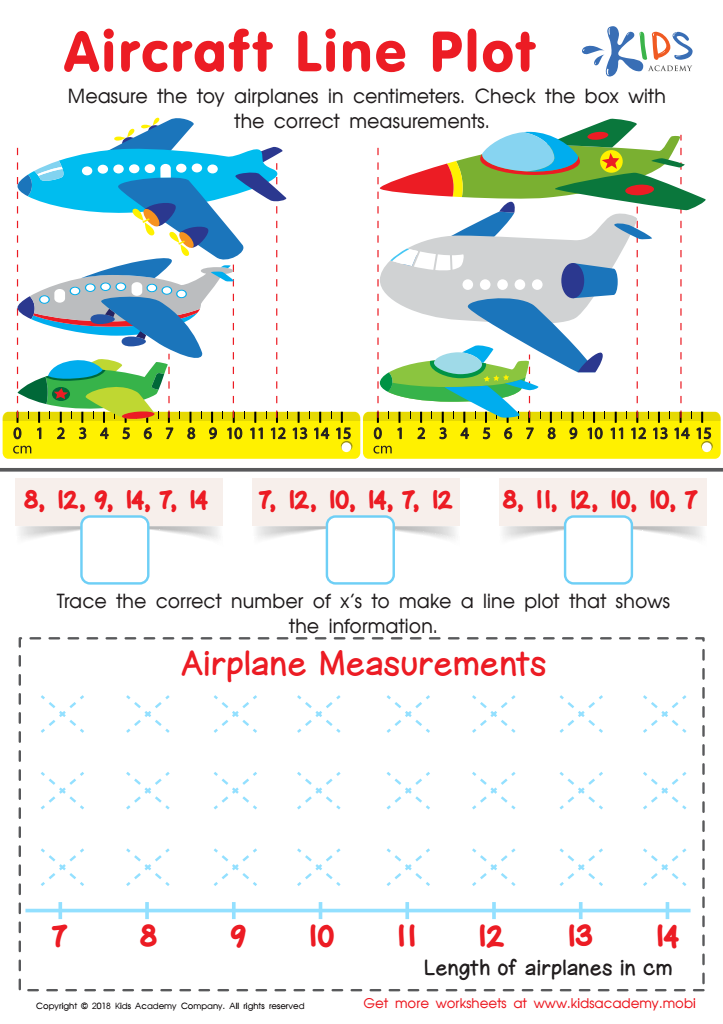
Aircraft Line Plot Worksheet
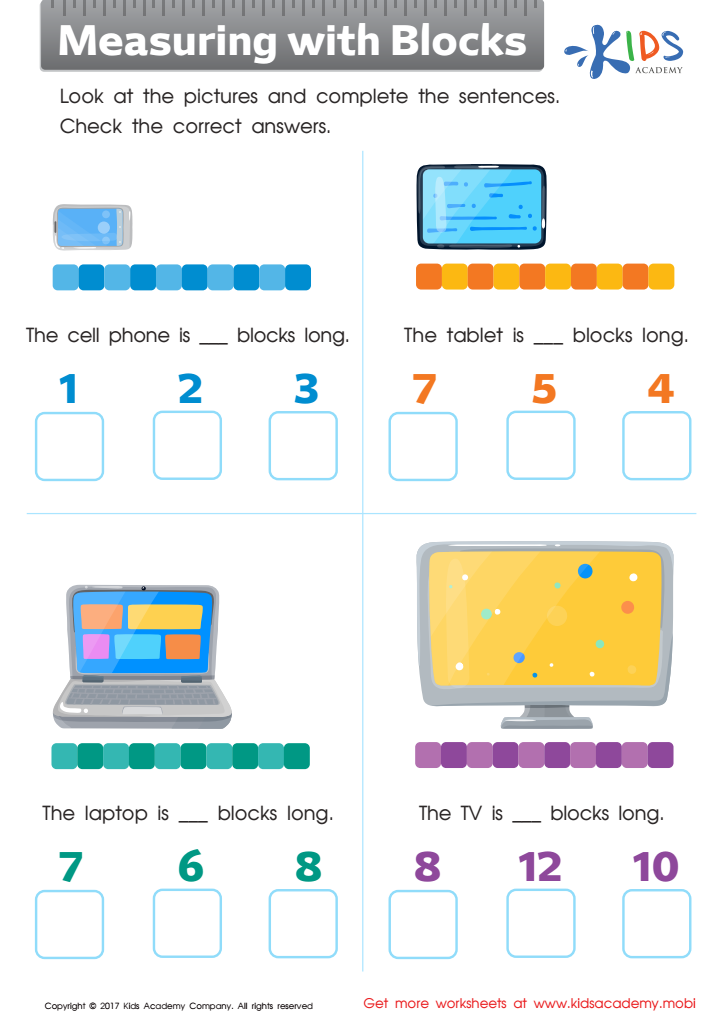
Measuring with Blocks Worksheet
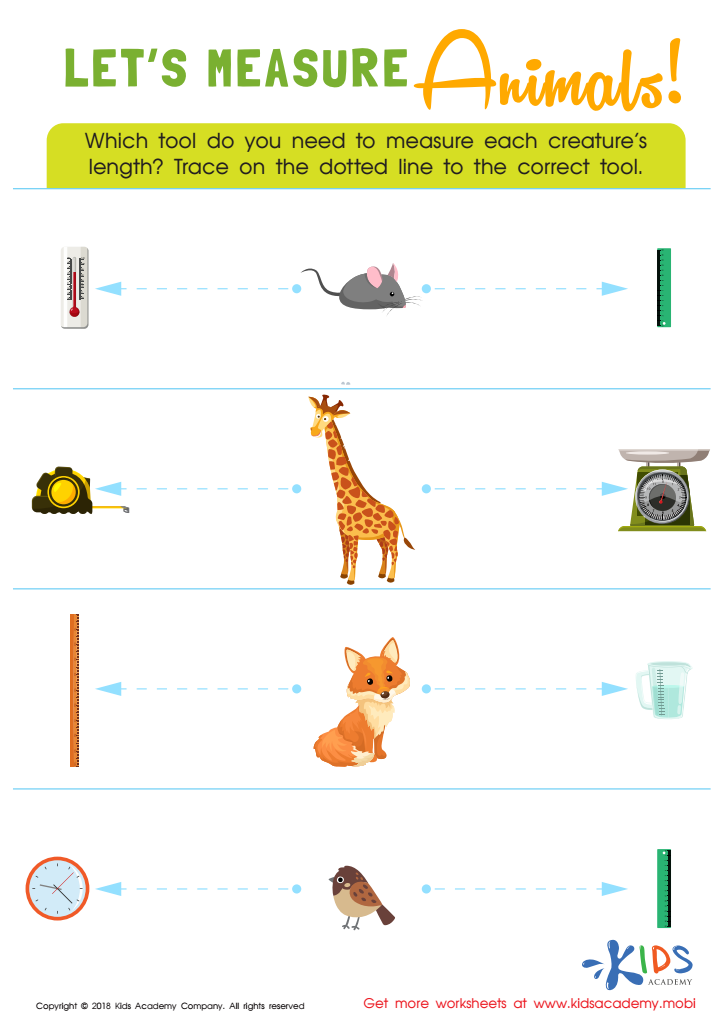
Let's Measure Animals! Worksheet
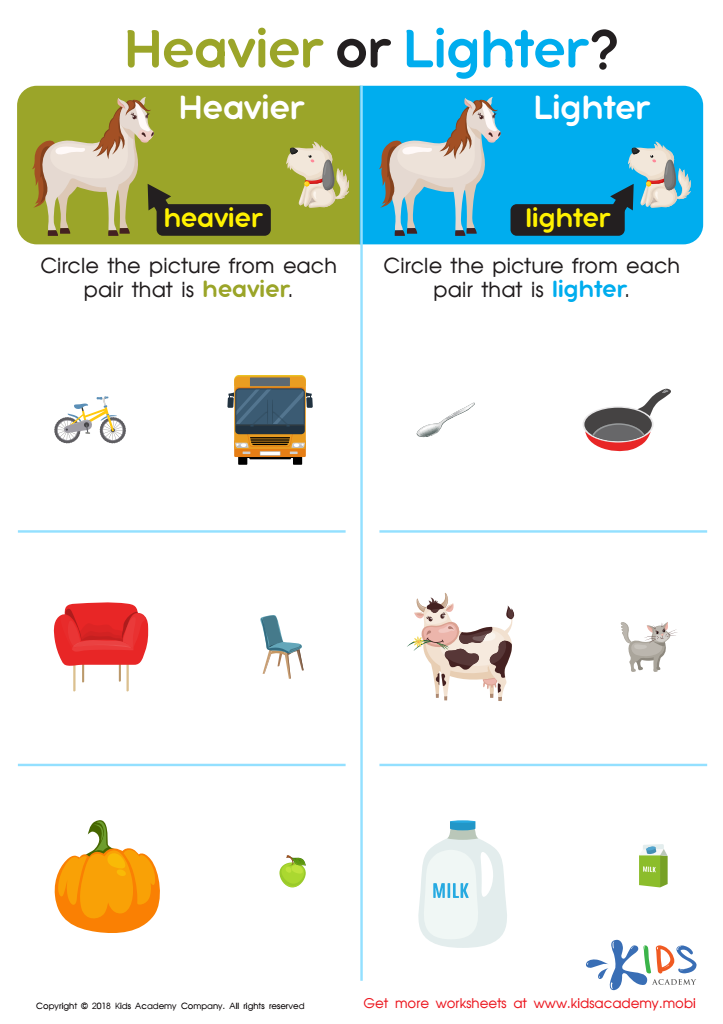
Heavier or Lighter? Worksheet
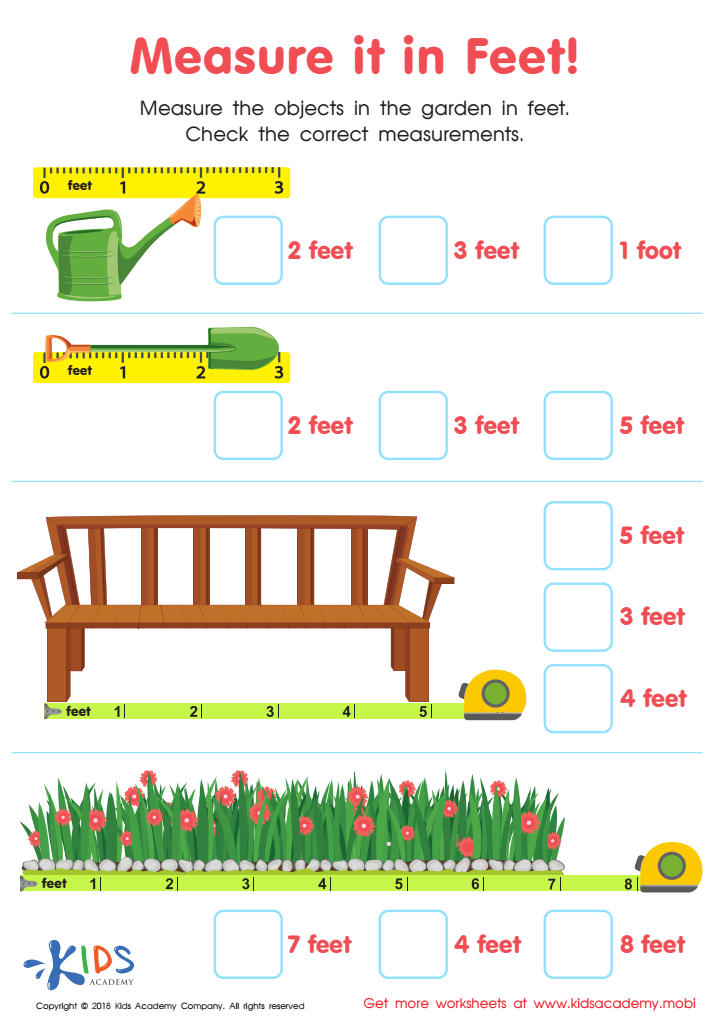
Measure it in Feet Worksheet
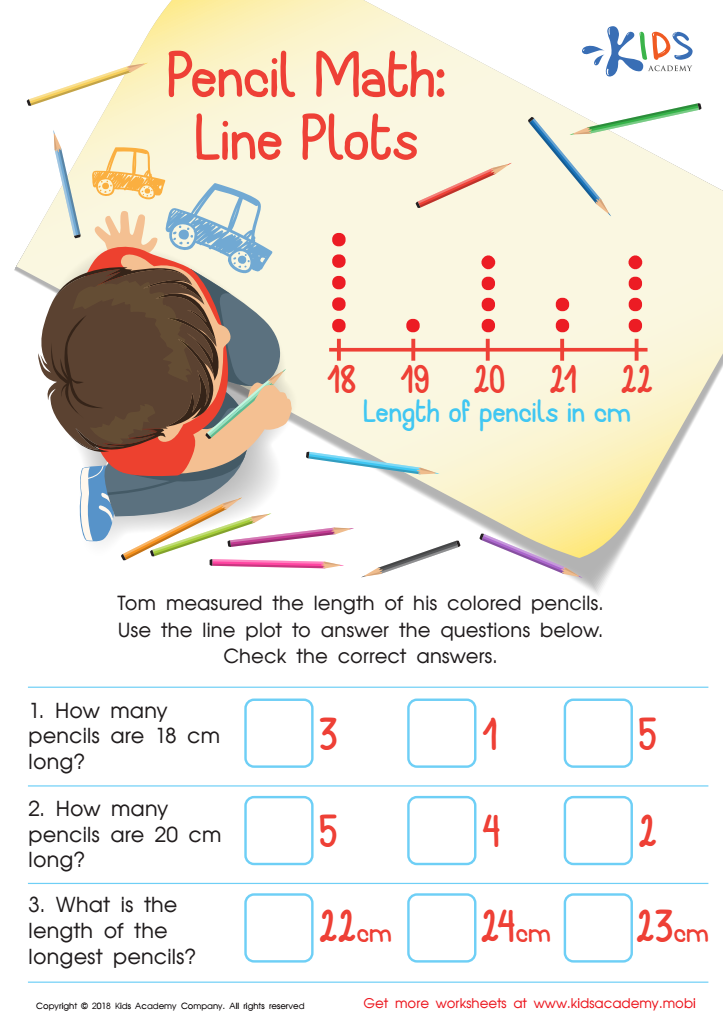
Pencil Math: Line Plots Worksheet
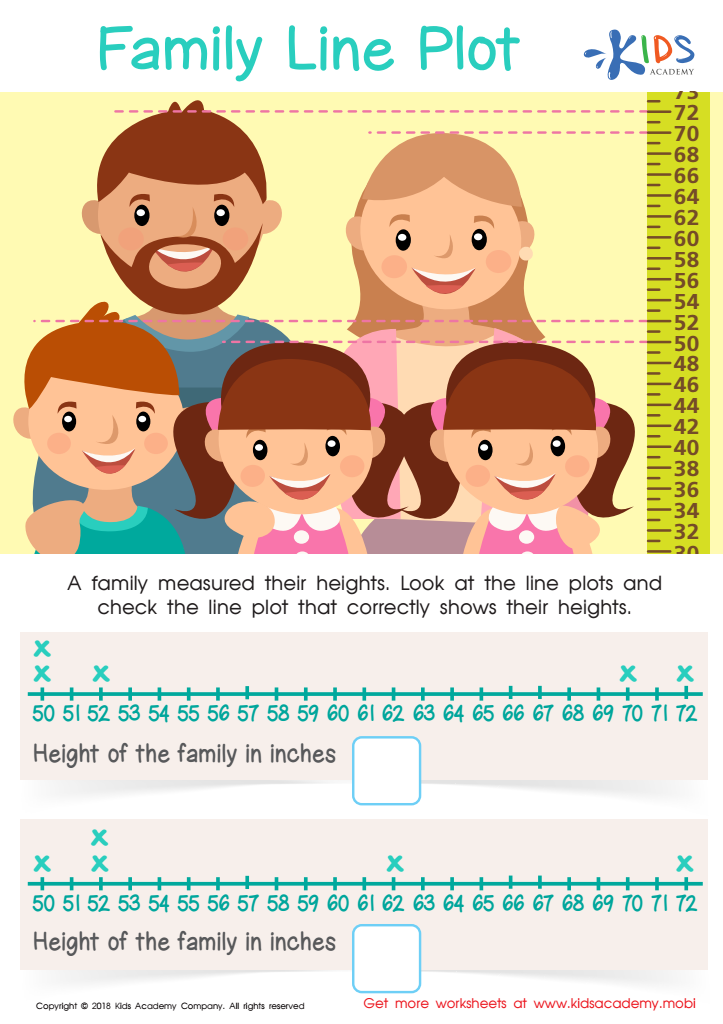
Family Line Plot Worksheet
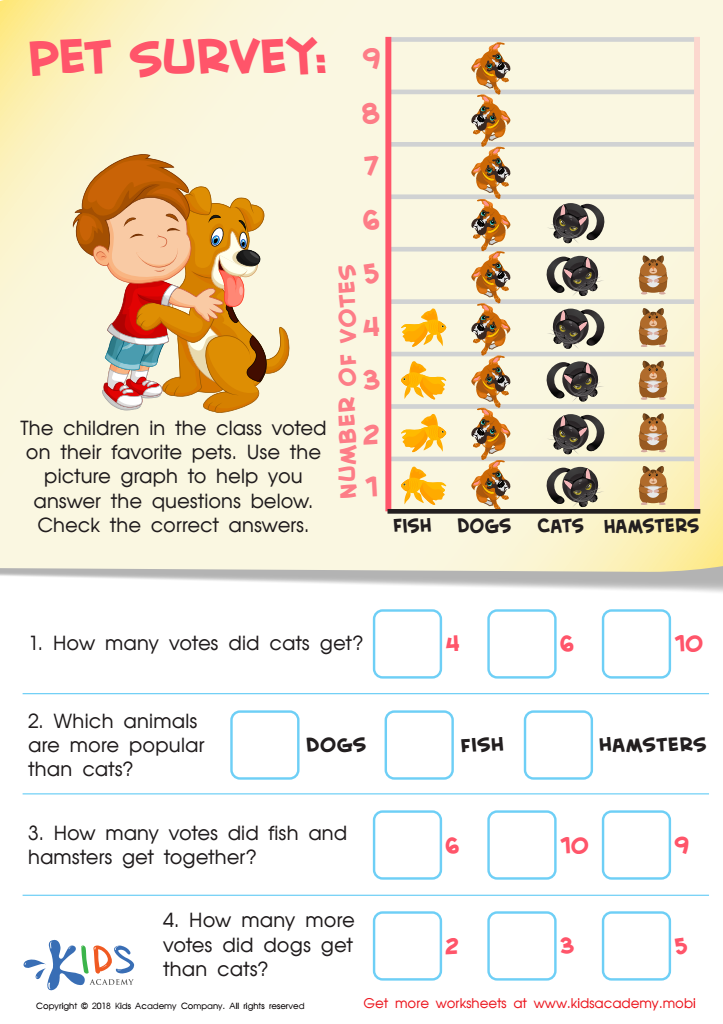
Pet Survey Worksheet
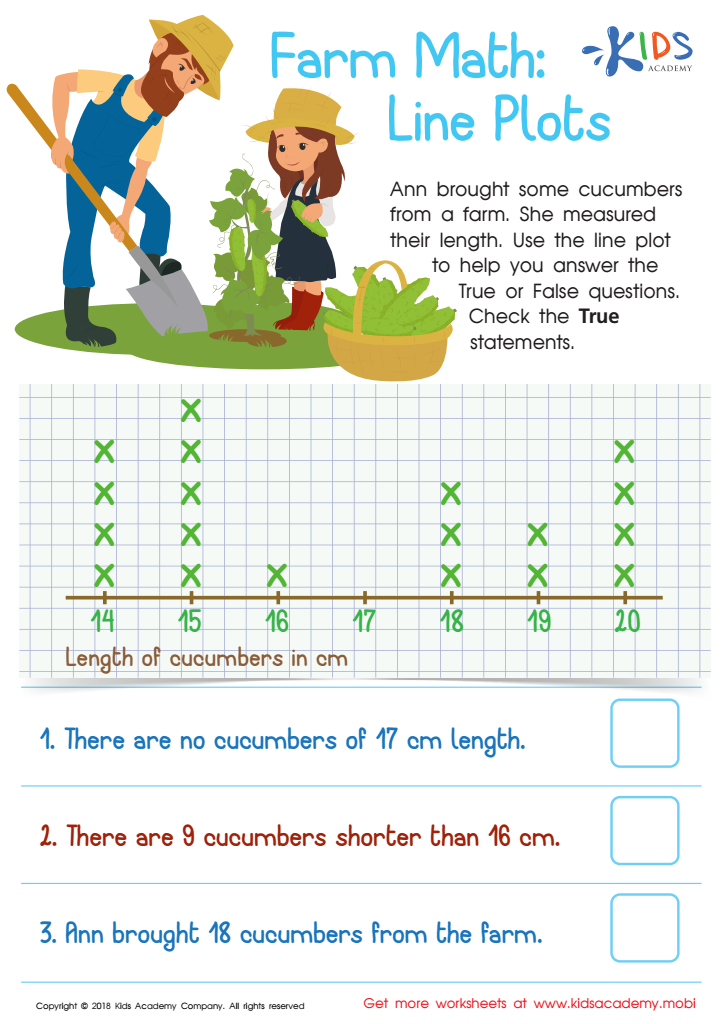
Farm Math: Line Plots Worksheet
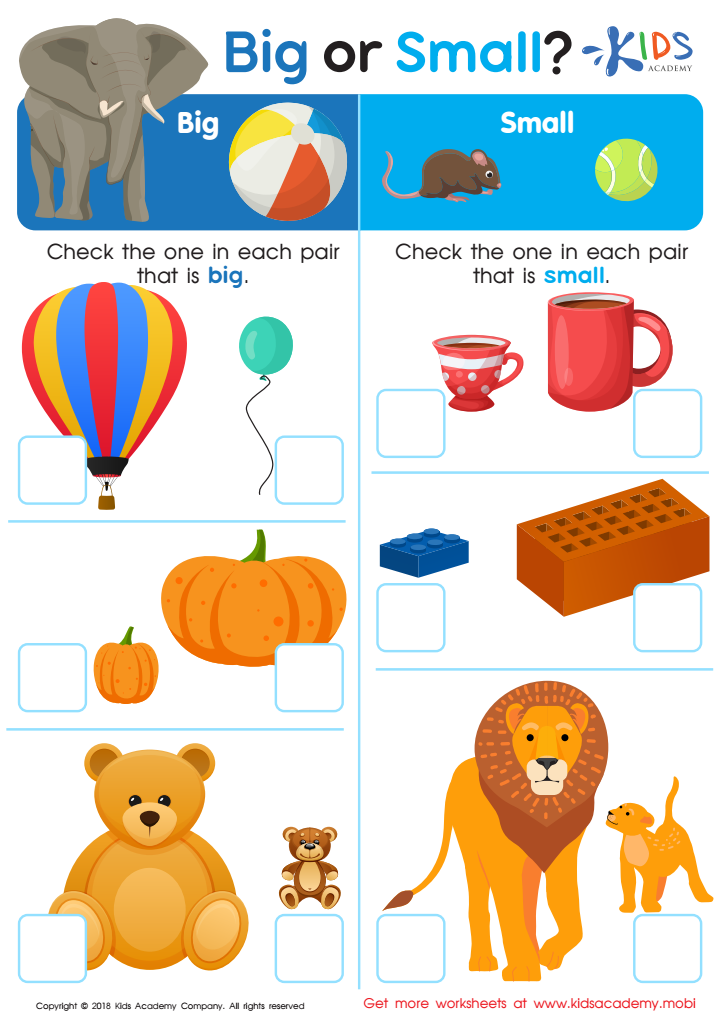
Big or Small? Worksheet
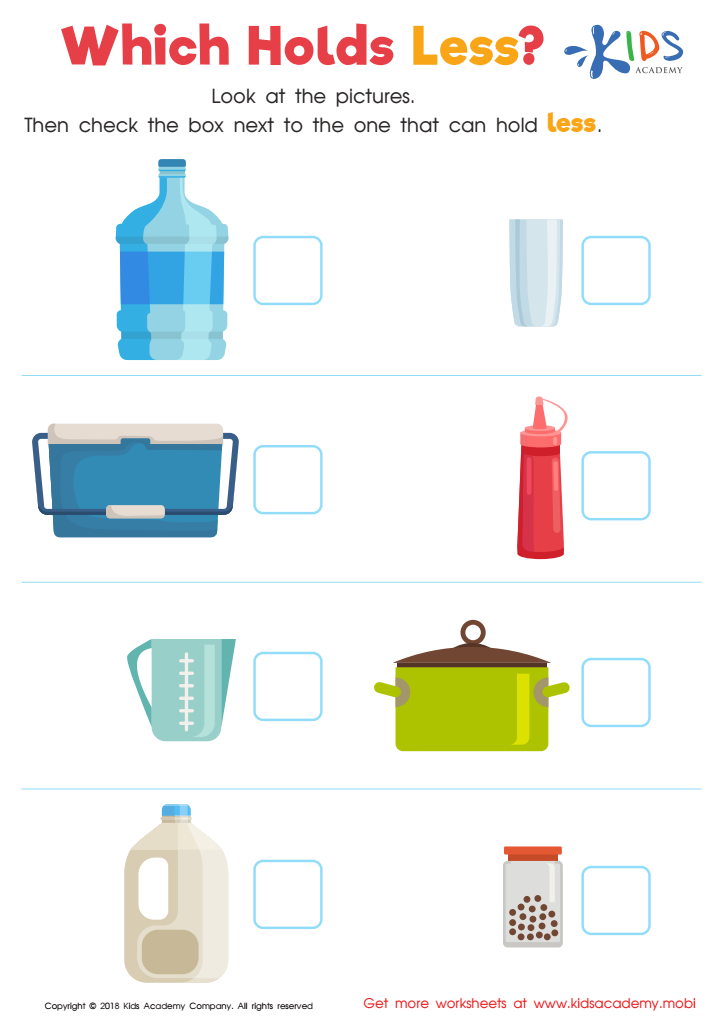
Which Holds Less? Worksheet








Parents and teachers should prioritize introducing easy measurement concepts to children aged 4-9 because it lays the foundation for a strong understanding of mathematics and everyday life skills. At this developmental stage, children learn best through hands-on activities and real-world experiences. Engaging them in measurement practices like comparing lengths with string or measuring ingredients for a simple recipe not only makes math fun but also relevant.
Understanding measurements enhances cognitive development, enabling children to develop critical thinking and problem-solving skills. For instance, tasks such as determining which object is longer or heavier encourage them to make observations, predictions, and conclusions. Early familiarity with concepts like length, weight, and volume also helps children grasp more complex mathematical ideas they will encounter in higher grades.
Moreover, being proficient in measurement is a vital life skill. Whether estimating the time needed to complete a task or understanding distances on a map, measurement permeates everyday activities. Teaching children these skills early improves their confidence and competence in academic and personal tasks.
Lastly, engaging children in measurements can foster a collaborative learning environment. Group activities measuring objects or spaces encourage teamwork, communication, and social interaction, which are equally important for holistic development. Therefore, easy measurement activities are crucial for the early learning years.








