Problem-Solving Skills Easy Numbers 0–10 Worksheets for Ages 4-9
3 filtered results
-
From - To
Discover our engaging "Problem-Solving Skills Easy Numbers 0–10 Worksheets" designed for children aged 4-9! These worksheets provide a fun yet educational experience, helping young learners enhance their problem-solving abilities through interactive activities that focus on numbers 0-10. Children will practice their math skills in a dynamic way, developing critical thinking and logical reasoning as they tackle age-appropriate problems. Our worksheets cater to various learning styles and offer a mix of visual, tactile, and hands-on activities, ensuring that every child enjoys and benefits from their math journey. Easily printable, these resources are perfect for both home and classroom use!
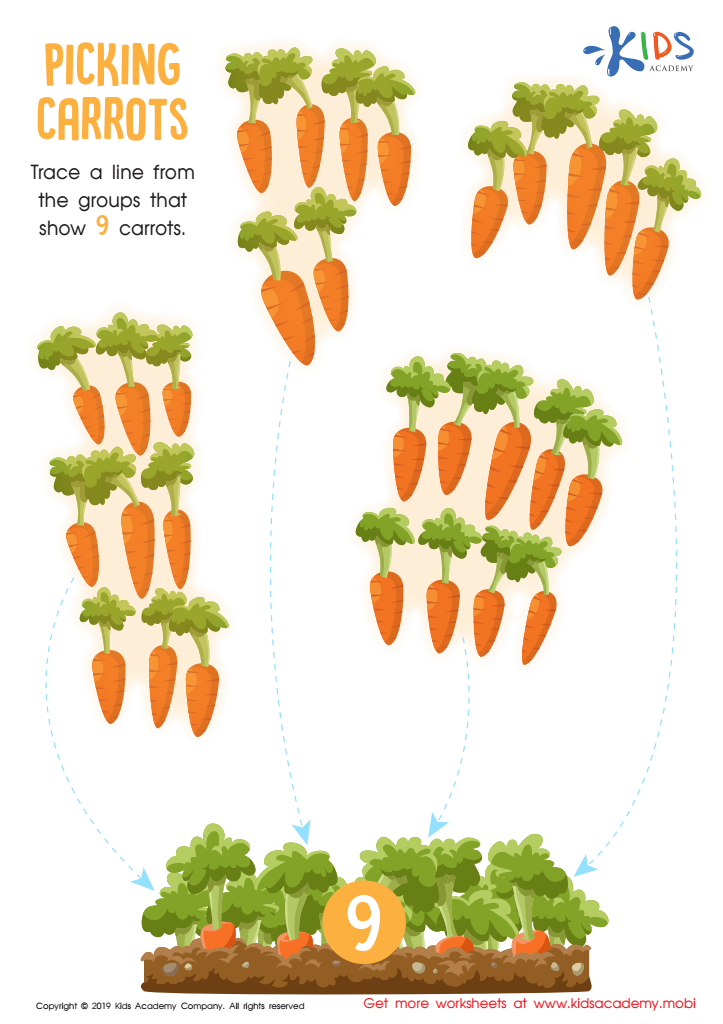
Picking Carrots Worksheet
 Assign to My Students
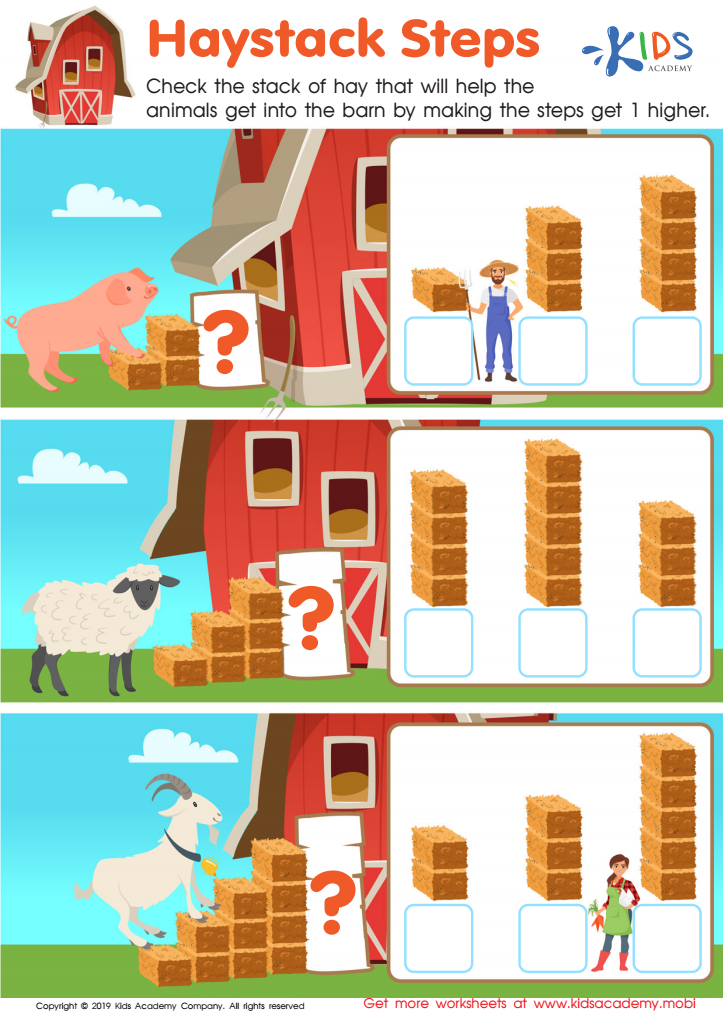
Haystack Steps Worksheet

Enrichment: Firefighter Ladders Worksheet








Problem-solving skills, especially with simple numbers ranging from 0 to 10, are crucial for young children aged 4-9, as these foundational skills are the building blocks for all future learning. Parents and teachers should prioritize these skills for several reasons.
Firstly, early mastery of basic math concepts enhances cognitive development, as children learn to think critically and analytically. By working with easy numbers, kids develop reasoning abilities that extend beyond math to everyday problem-solving scenarios, helping them navigate challenges they encounter.
Secondly, cultivating problem-solving skills helps boost children's confidence. As they successfully tackle mathematical challenges, they internalize a sense of achievement that encourages them to take on more complex tasks, both in academics and life skills. This confidence significantly influences their willingness to engage in learning.
Moreover, early exposure to problem-solving fosters a positive attitude toward math, helping to dispel the notion that it is a difficult subject. Parents and teachers play a significant role in creating a supportive and enriching environment, promoting curiosity and resilience. Ultimately, by nurturing these skills with easy numbers, they set children on a path for academic success and lifelong learning, making these early years critical for their development.