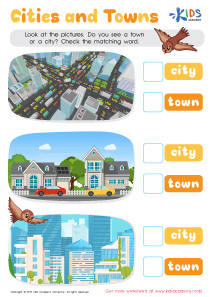
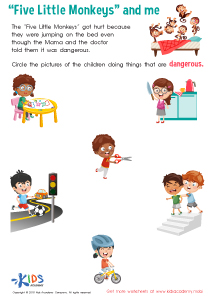
Shape Recognition Easy Reading Comprehension Worksheets for Ages 4-9
3 filtered results
-
From - To
Discover engaging and educational Shape Recognition Easy Reading Comprehension Worksheets designed for kids aged 4-9. These worksheets combine fun shape identification activities with early reading exercises to promote better cognitive development and literacy skills. Each worksheet encourages young learners to recognize and name various shapes while enhancing their comprehension through easy-to-read passages and questions. These effective resources ensure children enjoy learning while improving critical thinking and reading abilities. Perfect for classroom use or at-home practice, our shape recognition worksheets make learning interactive and enjoyable for every young student. Boost your child’s foundational literacy and shape skills today!
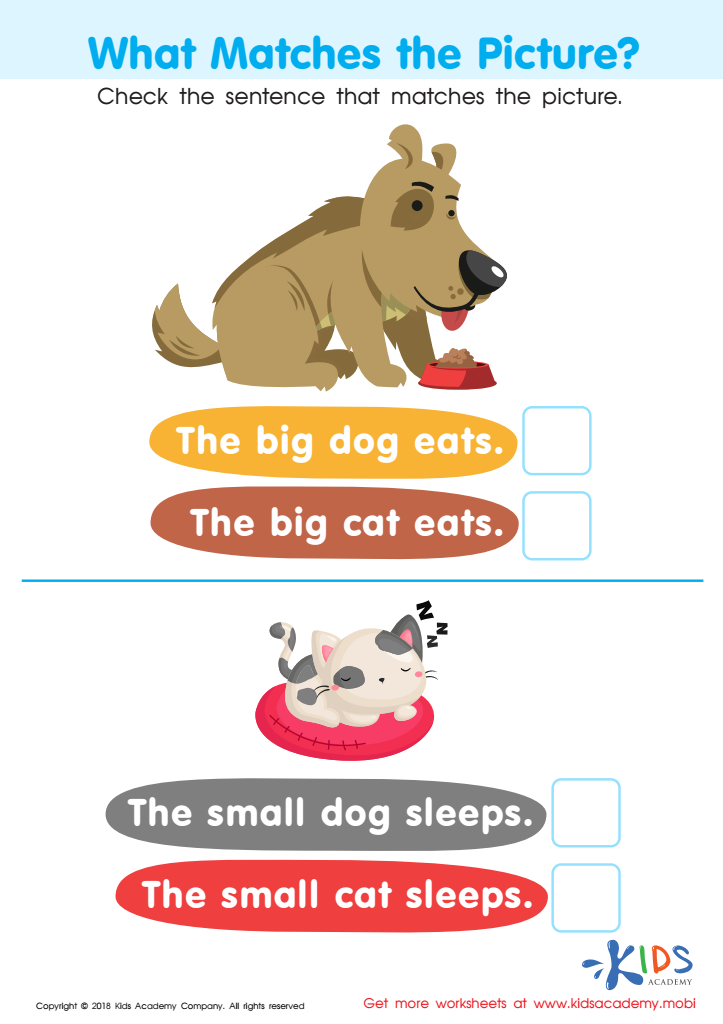
What Matches the Picture? Worksheet
 Assign to My Students
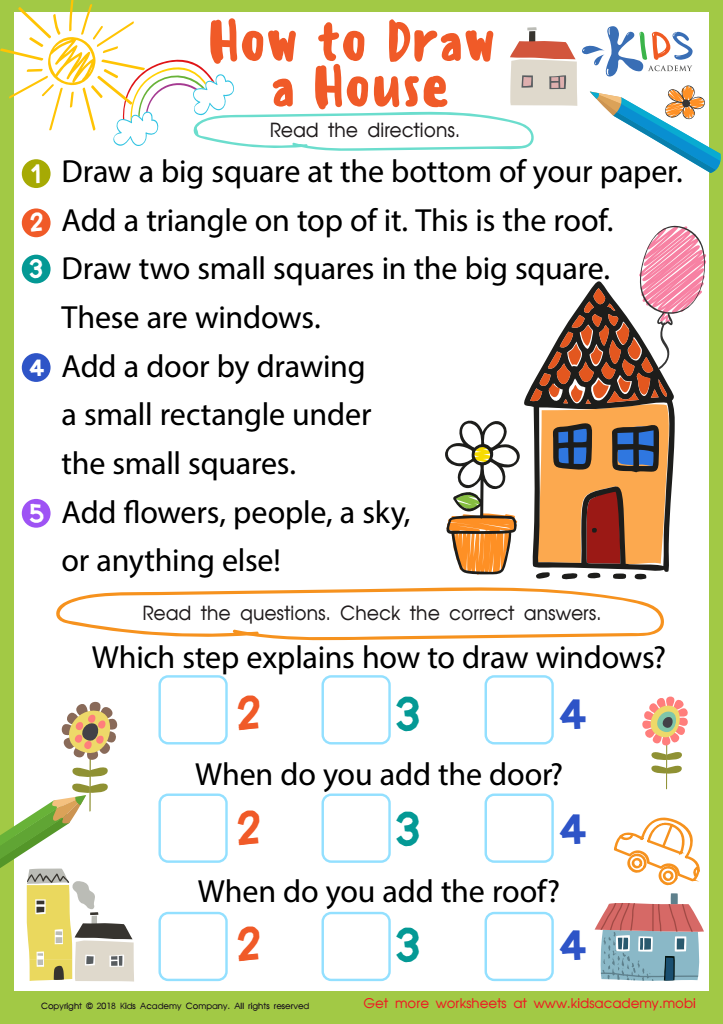
How to Draw House Worksheet
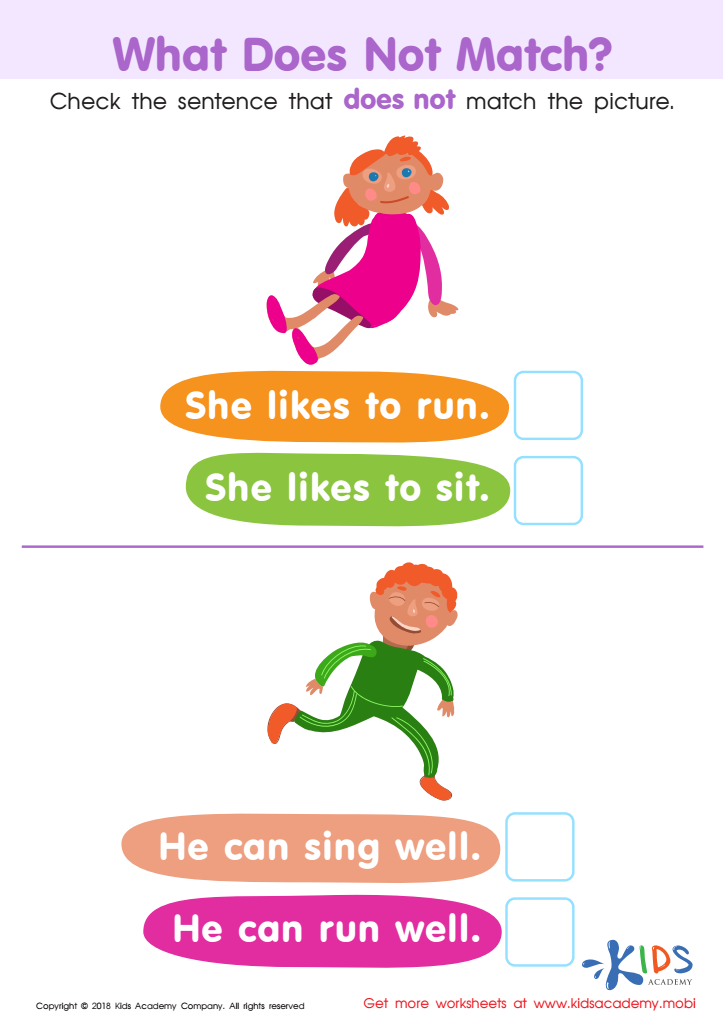
What Does Not Match? Worksheet








Shape recognition and easy reading comprehension are critical components in the cognitive development of children ages 4-9. Parents and teachers should prioritize these activities because they lay the foundational skills for future learning. Here’s why they are so important:
Cognitive Development: Shape recognition helps strengthen a child’s visual and spatial abilities. Recognizing and differentiating between different shapes enhances their ability to process complex patterns and written symbols, which is a precursor to reading.
Mathematical Skills: Understanding shapes is a cornerstone of geometric thinking, an essential aspect of early math education. It helps children comprehend mathematical concepts such as size, volume, and spatial relationships.
Language Skills: Easy reading comprehension at this age helps expand vocabulary, improve grammar, and develop language skills. Engaging with stories and texts familiarizes children with sentence structure and storytelling, which is integral to both oral and written communication.
Problem-Solving: Shape recognition activities often involve puzzles and games, fostering critical thinking and problem-solving skills. These activities teach patience, concentration, and analytical thinking.
Social and Emotional Development: Reading stories can teach empathy, cooperation, and understanding by engaging with characters and narratives, enhancing social and emotional intelligence.
In essence, both shape recognition and easy reading comprehension prepare children for more advanced educational challenges by fostering a well-rounded cognitive, linguistic, and emotional growth foundation.