Vocabulary expansion Easy Plants and Animals Worksheets for Ages 4-9
4 filtered results
-
From - To
Discover our "Easy Plants and Animals Worksheets" designed to expand vocabulary for kids aged 4-9. Each worksheet is meticulously crafted to be engaging and educational, making learning fun and effective. With vibrant illustrations and simple instructions, your child will effortlessly learn about the natural world. Our worksheets cover a variety of topics related to plants and animals, enriching your child's language and comprehension skills. Perfect for both classroom settings and home practice, these resources support early science education and foster a love for nature. Encourage curiosity and boost vocabulary with our expertly developed activities today!
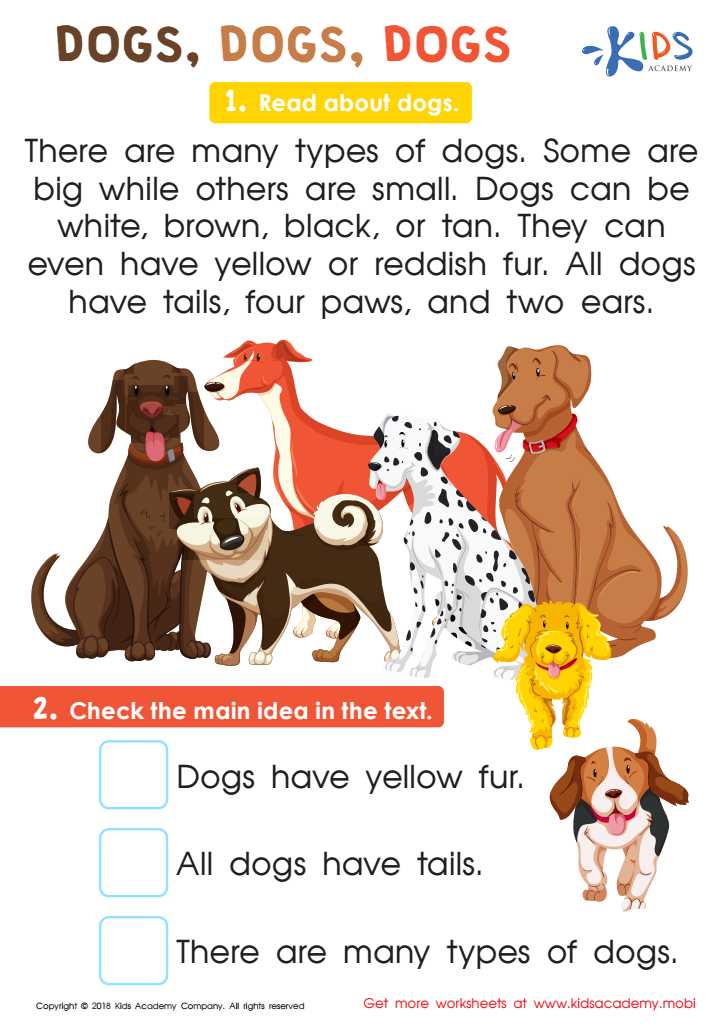
Dogs, Dogs Worksheet











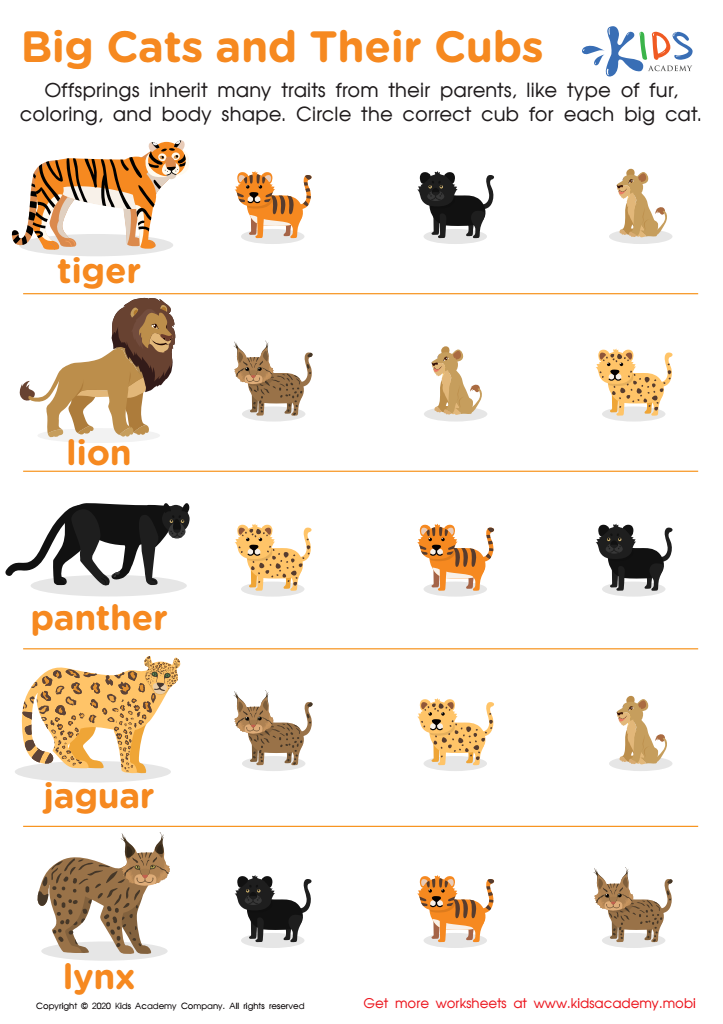
Big Cats and Their Cubs Worksheet
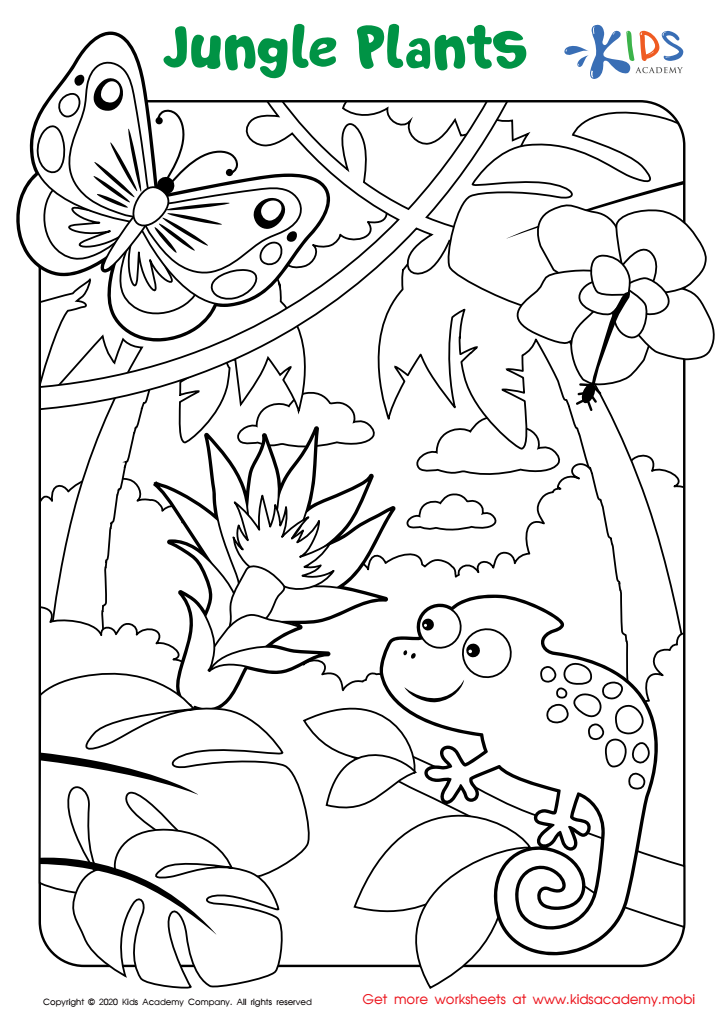
Jungle Plants Worksheet
 Assign to My Students
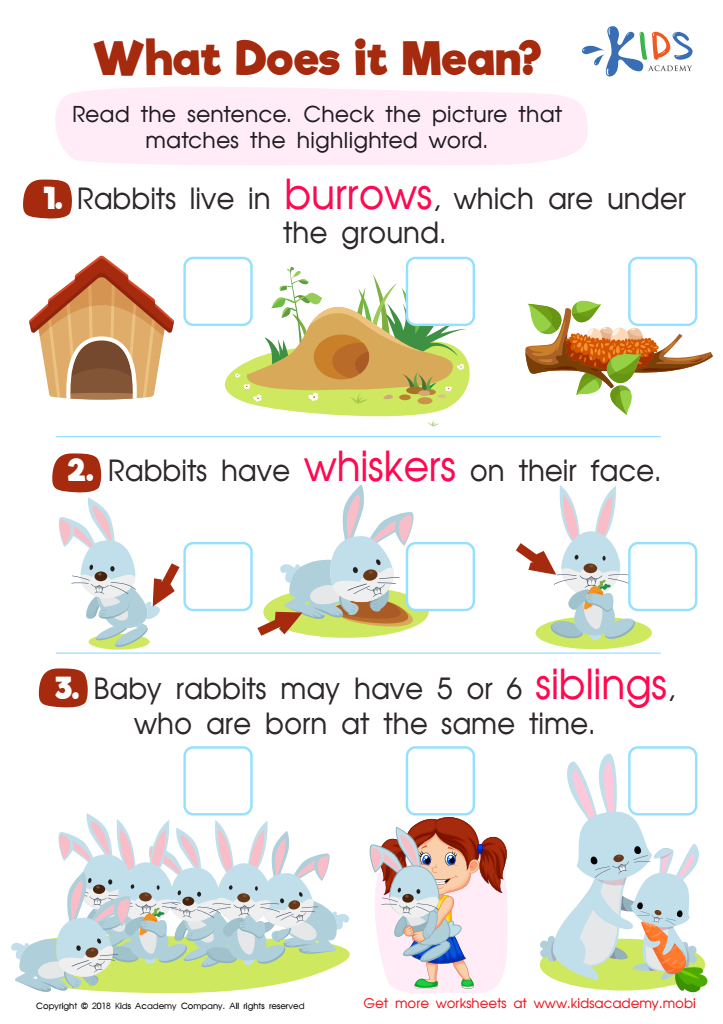
What Does It Mean? Worksheet








Vocabulary expansion in the context of learning about plants and animals has numerous benefits for children aged 4-9, making it an important focus for both parents and teachers. During these formative years, children's brains are rapidly developing, and they are exceptionally receptive to new information. Introducing them to a diverse vocabulary helps improve their language skills, which are foundational for all types of learning.
When it comes to Easy Plants and Animals topics, children are likely to encounter words and concepts that are not only new but also interesting and engaging. This can spark a natural curiosity about the world around them, fostering a lifelong love for nature and science. Learning specific terms, such as "photosynthesis," "habitat," "predator," and "prey," helps children understand complex ideas in simple terms, making these subjects more approachable and less intimidating.
Moreover, expanding vocabulary in these areas contributes to better communication skills, both in speaking and writing. As children become more familiar with specialized terms, they can more accurately express their observations and thoughts. This clarity of communication can improve their academic performance and enhance their ability to solve problems and think critically.
In summary, emphasizing vocabulary expansion in plants and animals helps children enhance language abilities, engage more deeply with the natural world, and build essential communication and cognitive skills.