Sequencing Skills Easy Worksheets for 4-Year-Olds
7 filtered results
-
From - To
Introducing our "Sequencing Skills Easy Worksheets for 4-Year-Olds," designed to enhance your child's cognitive development in a fun and engaging way. Our printable worksheets help young learners grasp the concept of sequencing through simple, age-appropriate activities. These exercises not only develop their logical thinking but also improve their reading comprehension and storytelling skills. Perfect for both classroom and home settings, our worksheets feature colorful illustrations and familiar scenarios to make learning enjoyable. Help your child build a strong foundation in sequencing today with our expert-crafted resources! Visit Kids Academy to get started!
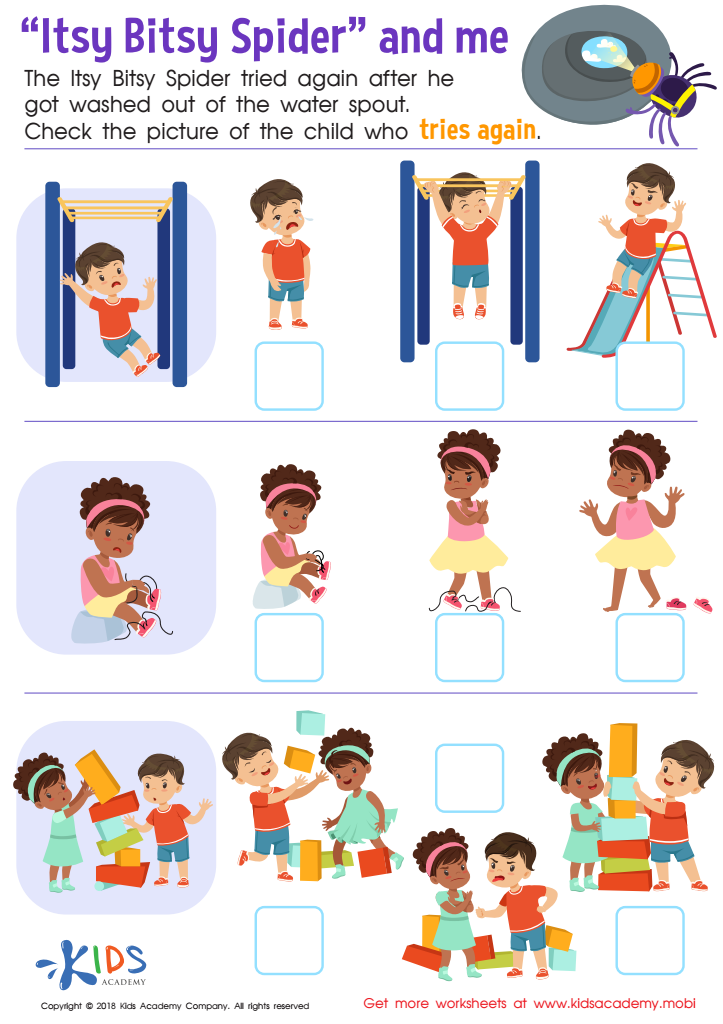
Itsy Bitsy Spider and Me Worksheet
 Assign to My Students
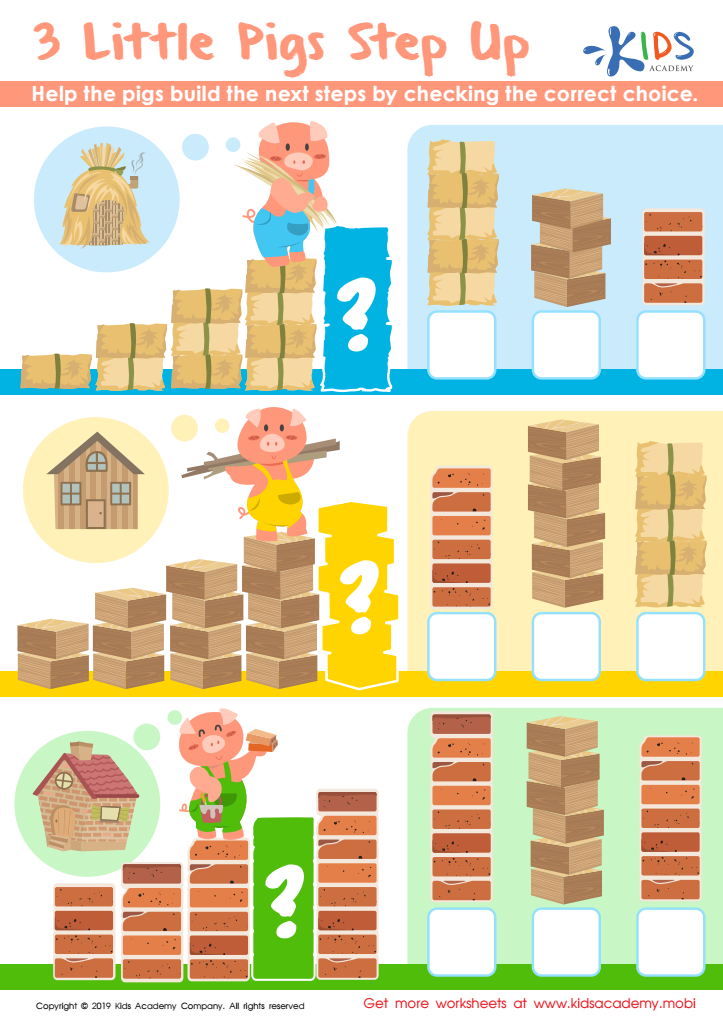
3 Little Pigs Step Up Worksheet
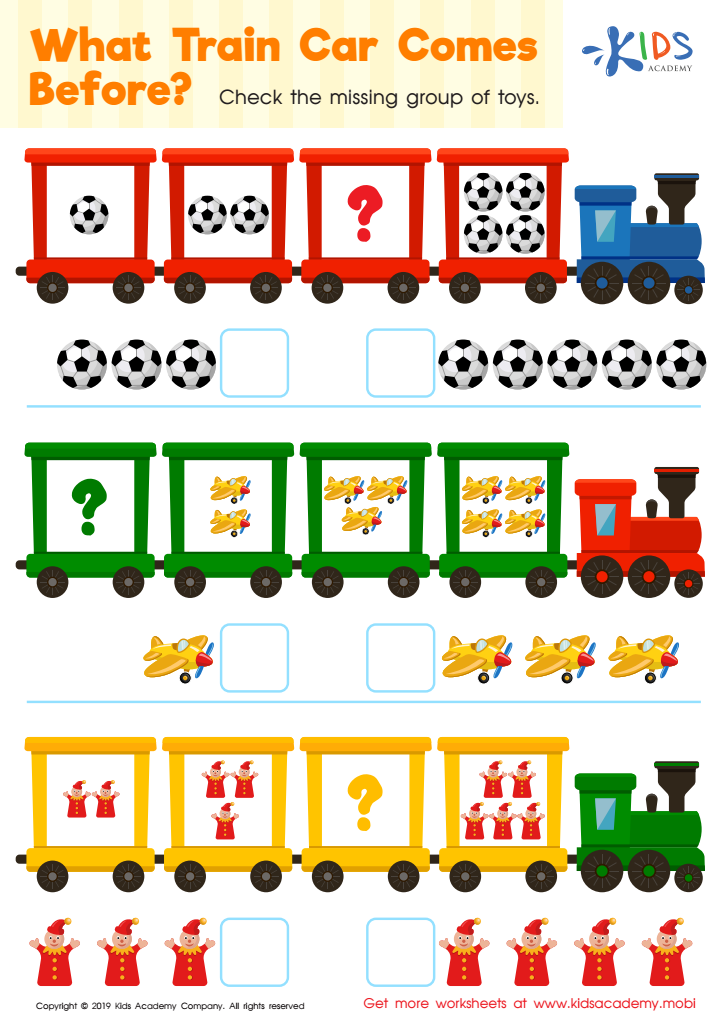
What Train Car Comes Before? Worksheet
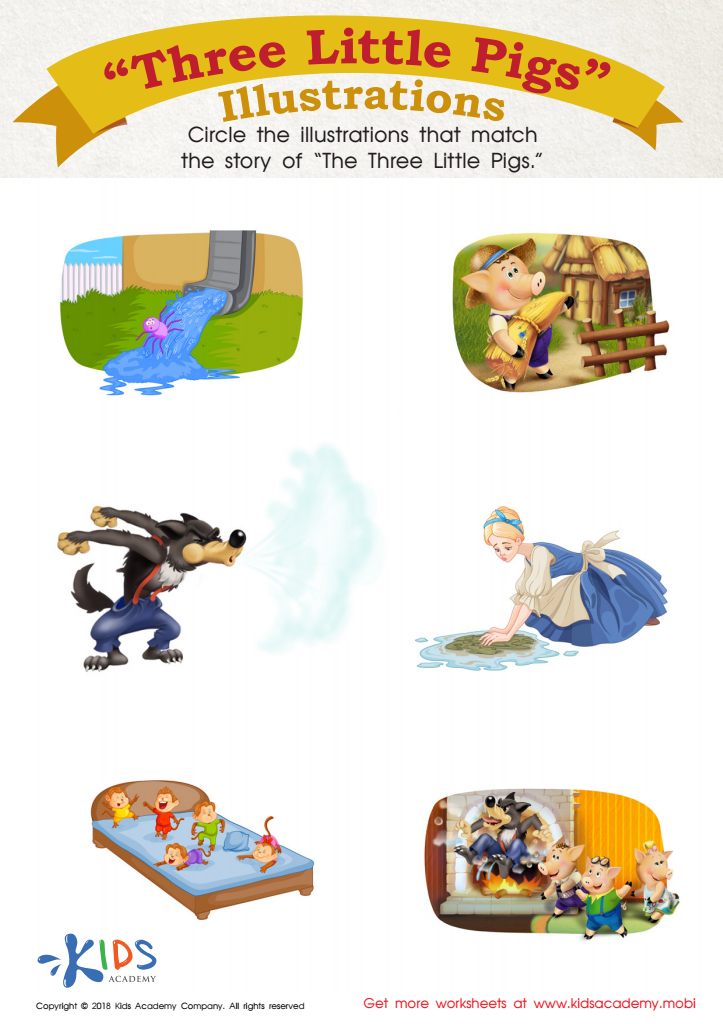
Three Little Pigs: Illustrations Worksheet

Transportation: Steps Worksheet
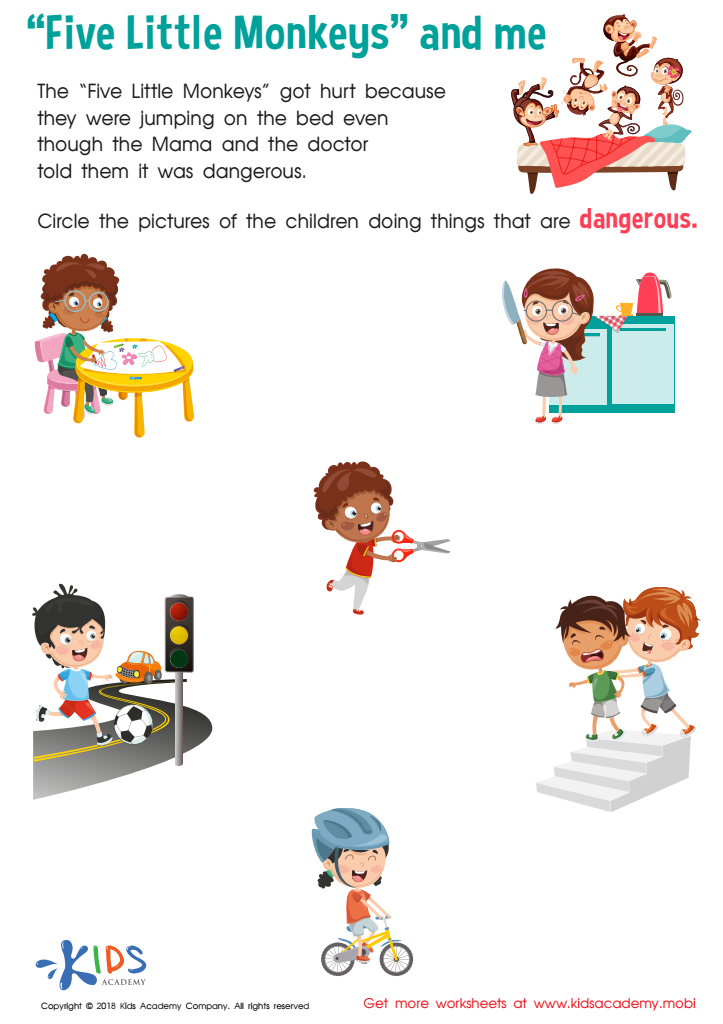
Five Little Monkeys and Me Worksheet
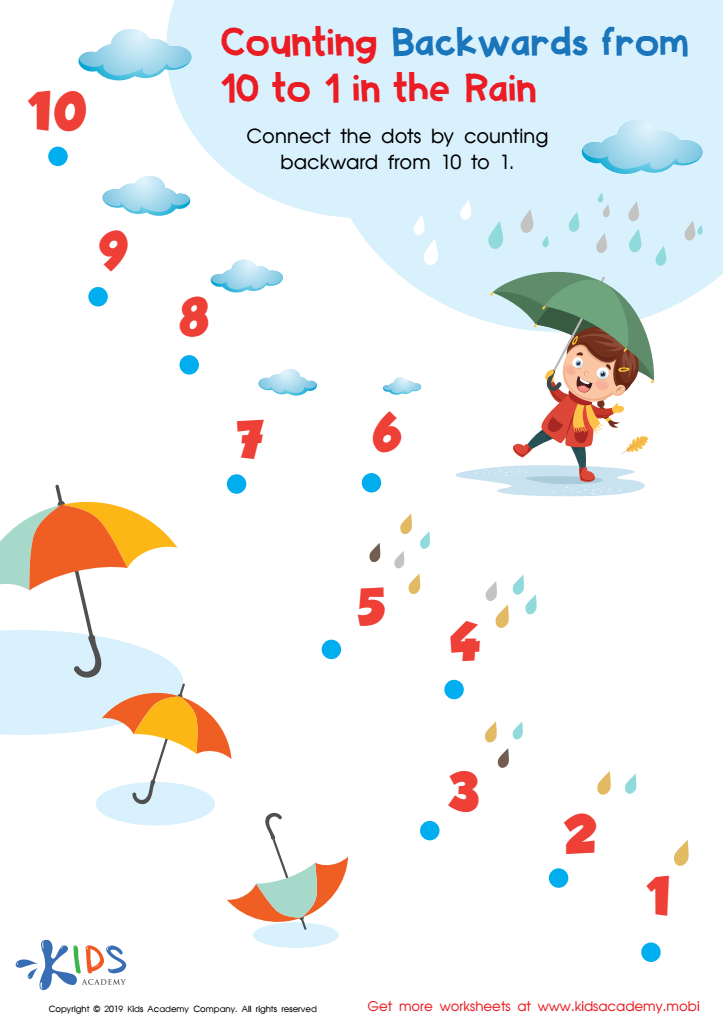
Counting Backwards from 10 to 1 in the Rain Worksheet







Sequencing skills are vital for 4-year-olds as they foster the ability to understand and organize events logically. For parents and teachers, cultivating sequencing skills at this early stage is significant because they lay the foundation for critical thinking and problem-solving. When young children practice sequencing, they learn to recognize patterns, understand cause and effect, and grasp the concept of time. This, in turn, helps them make sense of daily routines and story structures, which are prevalent in early educational activities.
Moreover, developing sequencing skills enhances language development and communication by helping children articulate their thoughts in a coherent manner. When they sequence events or steps in a process, they practice using transitional phrases and logical connectors, enriching their vocabulary and linguistic abilities. Additionally, improved sequencing skills contribute to better reading comprehension. Children who can put events in order are more adept at following narratives and making predictions, which is crucial for emergent literacy.
For parents, reinforcing these skills at home through simple activities like discussing daily routines or retelling stories strengthens the parent-child bond while supporting cognitive development. Teachers can integrate sequencing in classroom activities through story maps, picture cards, and hands-on projects, making learning interactive and fun. In essence, focusing on sequencing skills at this age equips children with essential tools for academic success and everyday life.








