Basic Arithmetic Easy Numbers Worksheets for 4-Year-Olds
3 filtered results
-
From - To
Discover our engaging "Basic Arithmetic Easy Numbers Worksheets for 4-Year-Olds," designed to introduce young learners to foundational math skills in a fun and interactive way. These carefully crafted worksheets focus on essential arithmetic concepts, such as addition and subtraction, using colorful visuals and relatable themes that capture children's interest. Ideal for parents and educators, these activities promote problem-solving abilities and enhance number recognition while ensuring a joyful learning experience. Tailored for preschoolers, our worksheets help develop early math skills, setting the stage for future academic success. Explore our selection today and watch your little ones flourish in their mathematical journey!
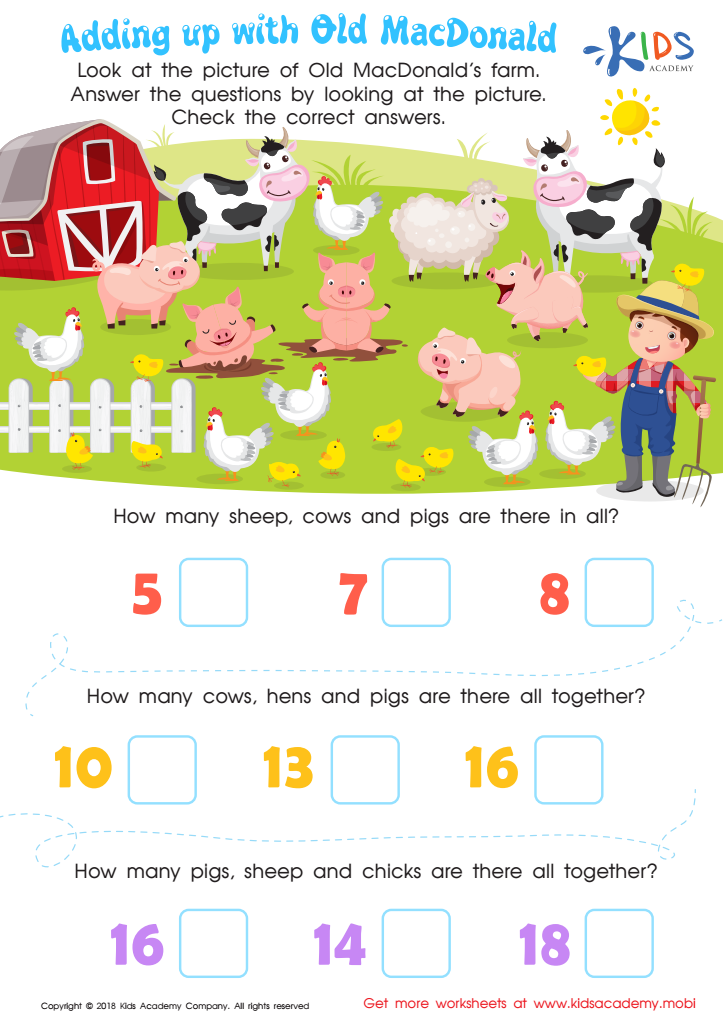
Adding Up with Old MacDonald Worksheet
 Assign to My Students
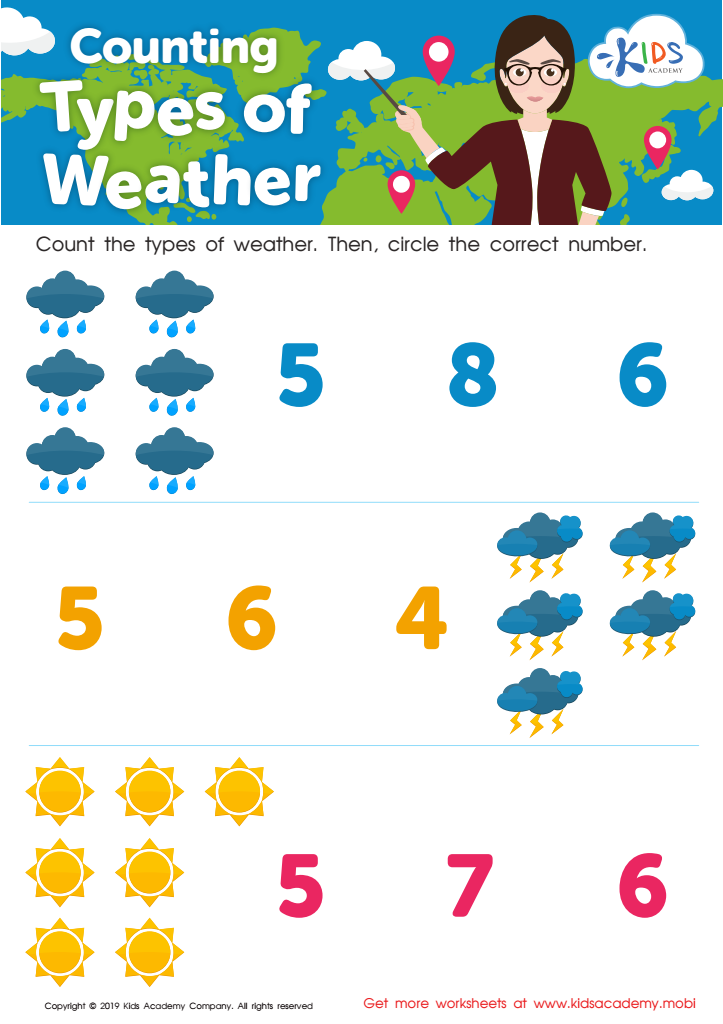
Counting Types of Weather Worksheet
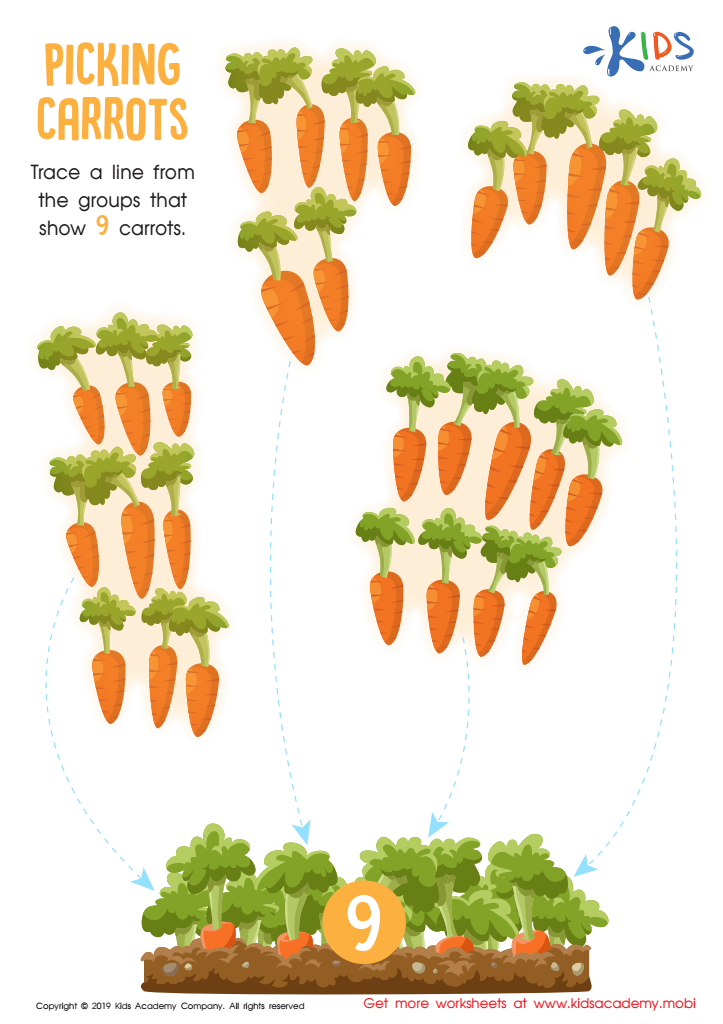
Picking Carrots Worksheet



%20(1).jpg)



Parents and teachers should prioritize basic arithmetic for 4-year-olds because it lays the foundation for a child’s overall mathematical development and critical thinking skills. At this age, children are naturally curious and eager to explore numbers, making it the ideal time to introduce concepts such as counting, adding, and simple subtraction. Engaging in easy arithmetic activities can enhance cognitive skills, improve focus, and boost their confidence as they achieve small milestones in learning.
Understanding basic arithmetic concepts supports the development of important life skills, like problem-solving and logical reasoning. As children learn to compare quantities or recognize patterns, they begin to make connections that enrich their overall learning experience. Additionally, instilling a love for numbers can facilitate a positive attitude towards math as they progress through their educational journey, reducing anxiety and enhancing participation in math-related activities later on.
Moreover, incorporating playful and interactive approaches to teaching arithmetic—through games, songs, and hands-on activities—encourages social interaction and bonding. This learning does not only involve skill acquisition but also fosters emotional growth. In partnership, parents and teachers can create an enjoyable and supportive environment for children, nurturing their mathematical potential and building a strong foundation for future academic success.








