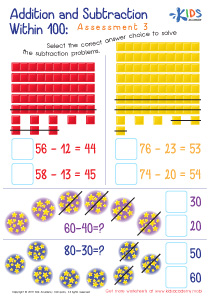
Sorting skills Easy Numbers 0–10 Worksheets for 4-Year-Olds
3 filtered results
-
From - To
Enhance your child's early math skills with our engaging "Sorting Skills Easy Numbers 0–10 Worksheets" designed specifically for 4-year-olds! These interactive worksheets make learning fun while helping little ones develop essential sorting abilities using numbers from 0 to 10. They'll explore concepts like grouping, categorizing, and ordering through interesting activities tailored for their age. Each worksheet features colorful imagery and age-appropriate challenges that promote critical thinking and cognitive development. Perfect for at-home learning or classroom use, these sorting worksheets will empower your preschooler to master number recognition and build a strong foundation in math. Start your child's learning journey today!
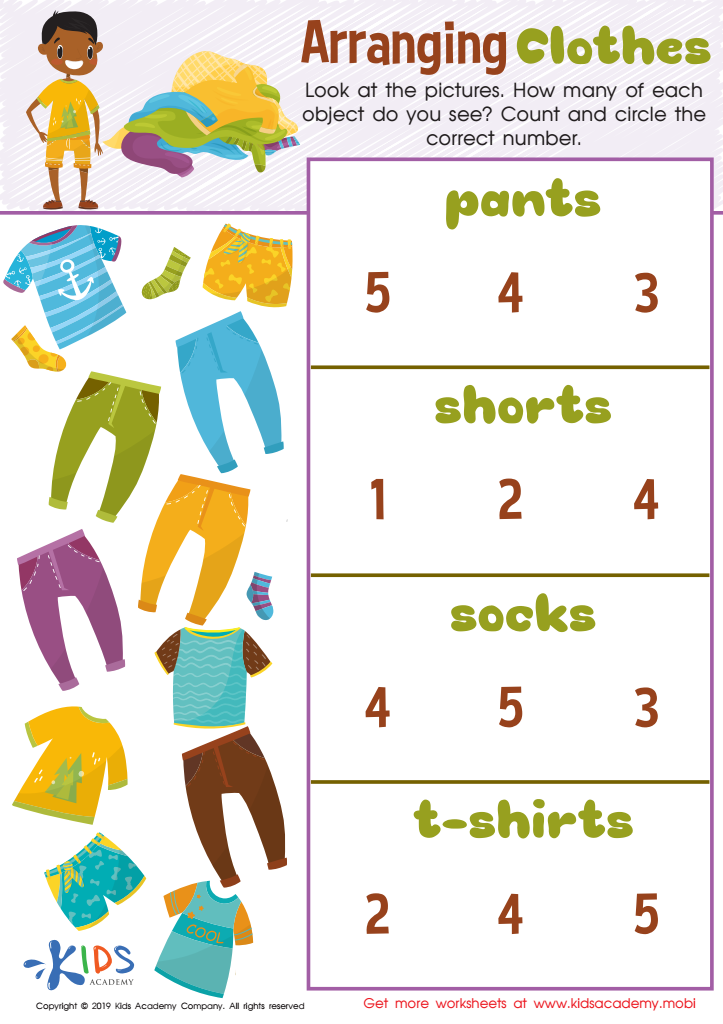
Arranging Clothes Worksheet
 Assign to My Students
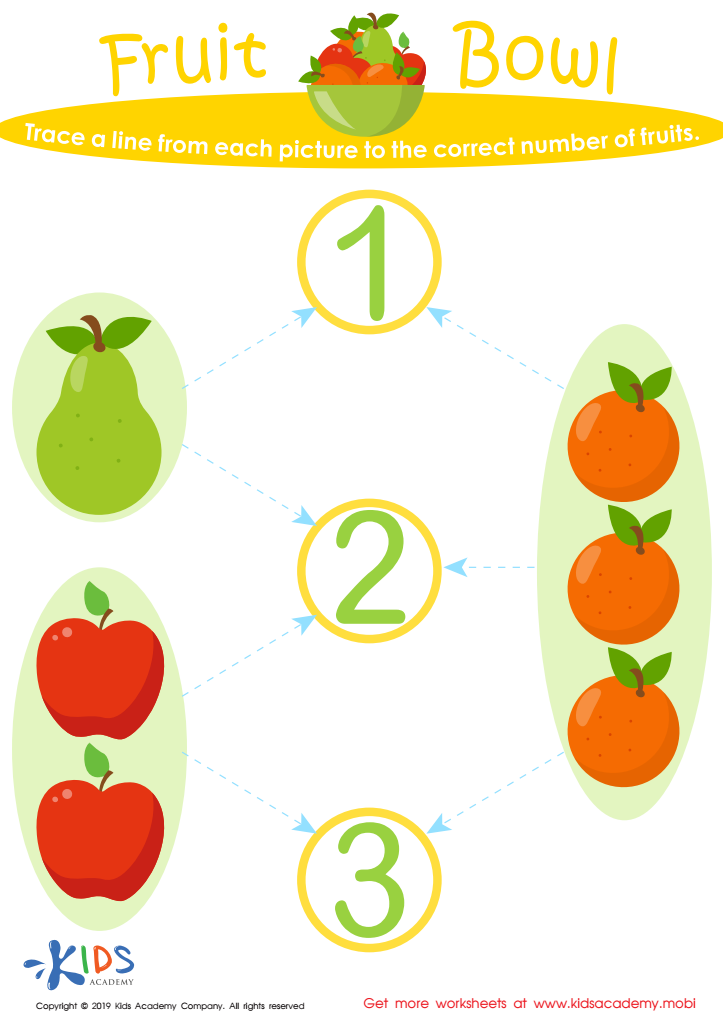
Fruit Bowl Worksheet
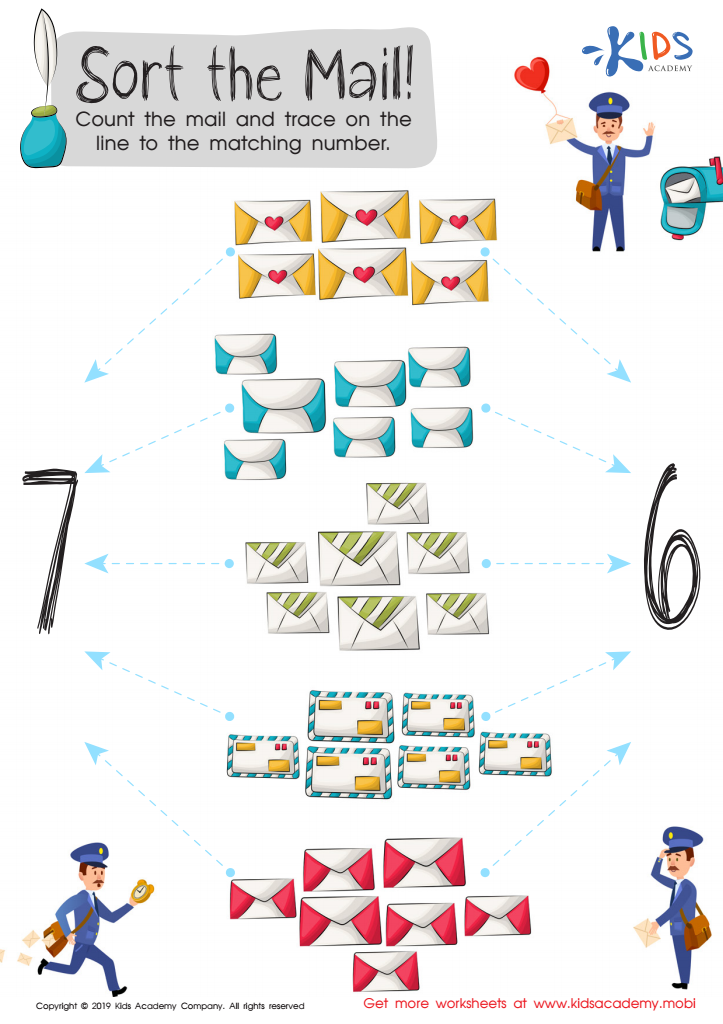
Sort the Mail Worksheet








Sorting skills are essential for early childhood development, particularly for 4-year-olds learning to distinguish and organize numbers from 0 to 10. Understanding sorting lays the foundation for more complex mathematical concepts such as grouping, counting, and number recognition. When children sort numbers, they engage in critical thinking, enhancing their cognitive abilities and problem-solving skills.
Teachers and parents should care because sorting encourages fine motor skills as children manipulate items, sorting them into categories based on various attributes like size, shape, or color. This hands-on activity also develops their ability to follow instructions and work independently, fostering confidence and social skills through collaborative sorting activities with peers.
Moreover, discovering patterns while sorting can stimulate children's language development as they learn to articulate their reasoning, describe their sorting criteria, and share observations. This promotes not only mathematical skills but also enhances vocabulary and communication abilities.
Finally, learning data organization prepares 4-year-olds for real-world applications, from arranging objects in daily tasks to making sense of information in future academic scenarios. Fostering sorting skills at this age helps create a strong foundation for a child’s ongoing educational journey.