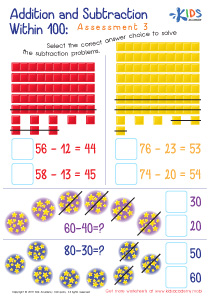
Understanding sequencing Easy Numbers 0–10 Worksheets for 4-Year-Olds
3 filtered results
-
From - To
Welcome to our “Understanding Sequencing Easy Numbers 0–10 Worksheets” designed specifically for 4-year-olds! These engaging worksheets help young learners develop their numerical sequencing skills in a fun and interactive way. Children will explore the concepts of counting, numerical order, and patterns through colorful activities tailored to capture their attention. As they progress, they'll build a strong foundation in math while enhancing fine motor skills. Perfect for classroom or home use, these worksheets encourage critical thinking and cognitive development. Join us in fostering a love for learning as your little ones master sequencing with ease!
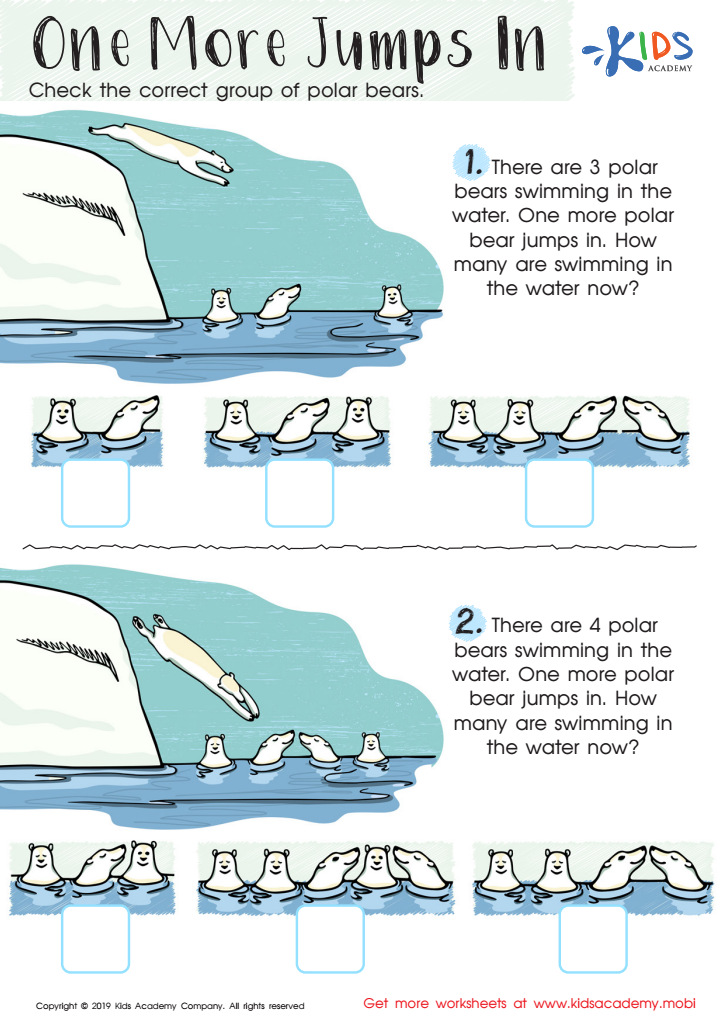
One More Jumps In Worksheet
 Assign to My Students
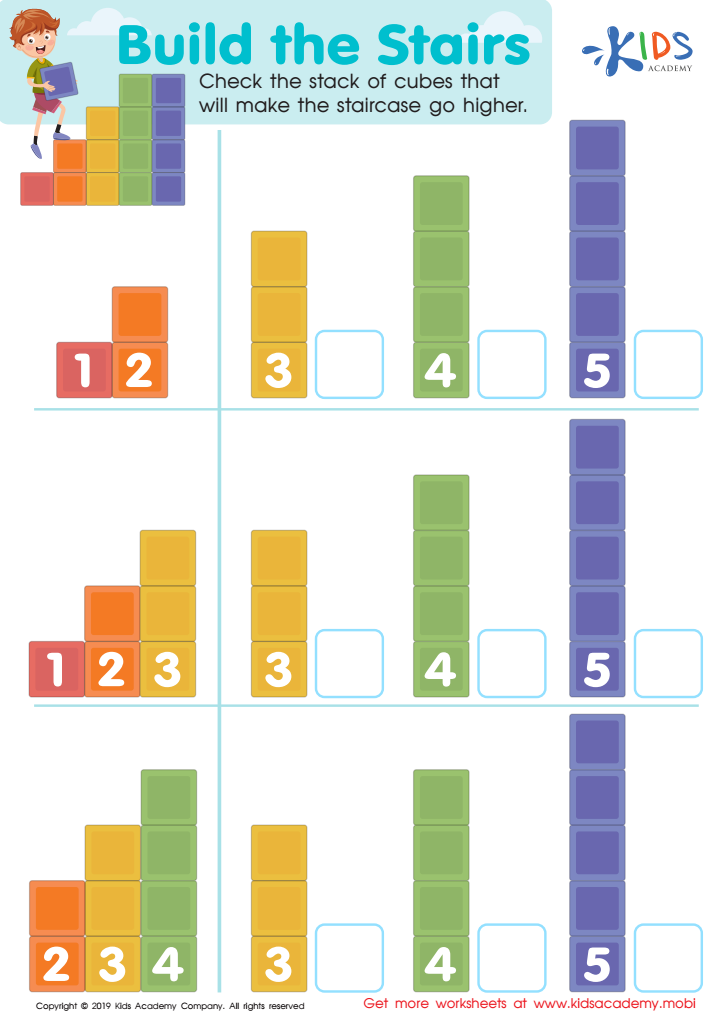
Build the Stairs Worksheet
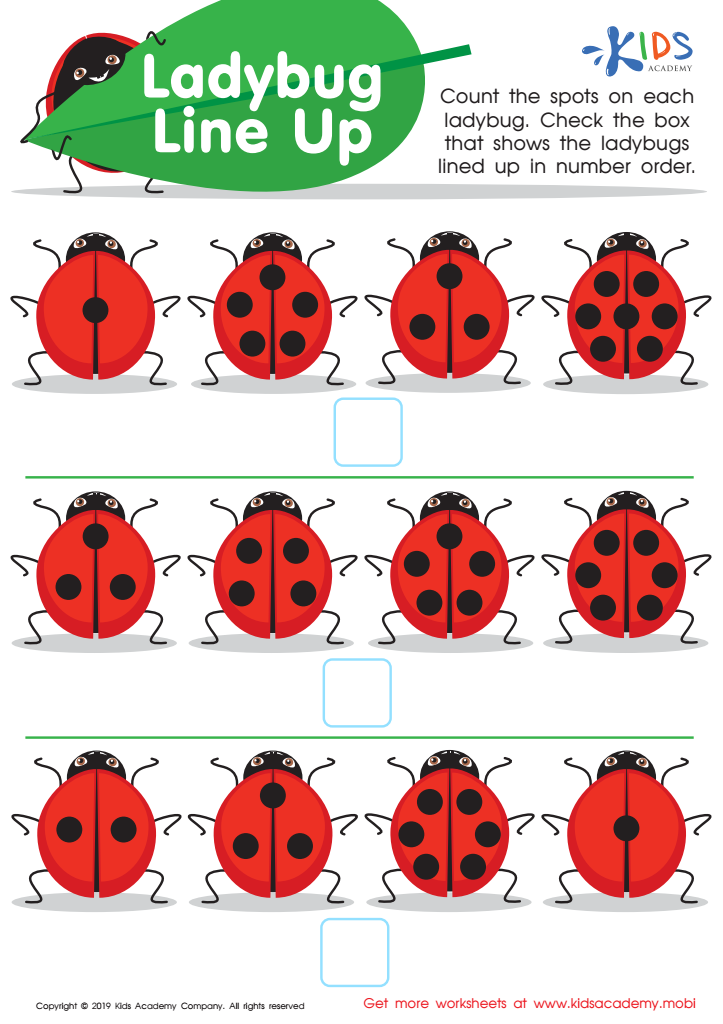
Ladybug Line Up Worksheet








Understanding sequencing with easy numbers (0–10) is crucial for 4-year-olds as it lays the foundational skills for math and cognitive development. Sequencing helps children grasp the order in which numbers come, which is essential for counting, addition, and everyday problem-solving. By recognizing that 3 comes before 4 and 6 comes after 5, children learn to follow patterns and predict outcomes.
For parents and teachers, fostering an understanding of sequencing not only aids in numerical comprehension but also enhances cognitive skills like critical thinking and reasoning. Activities that involve sequencing number cards, counting objects, or engaging in simple games that emphasize order provide fun ways to reinforce these concepts.
Moreover, early exposure to sequencing prepares children for more complex mathematical concepts as they grow, ensuring a smoother transition to school readiness. It also encourages an interactive learning environment at home and in the classroom, where parents and educators can explore numbers together, fostering a love for learning. Ultimately, when children master sequencing within the numbers 0–10, they build confidence that supports their overall intellectual growth and academic success in future learning.