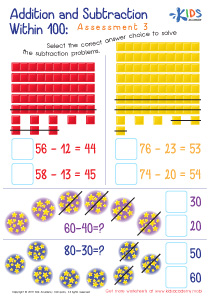
Fine Motor Skills Easy Numbers 11–20 Worksheets for 4-Year-Olds
4 filtered results
-
From - To
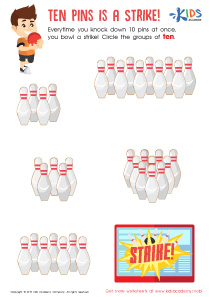
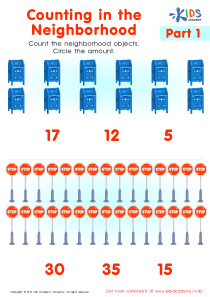
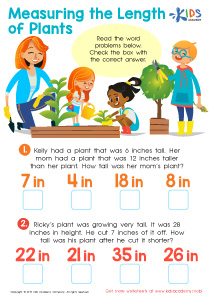
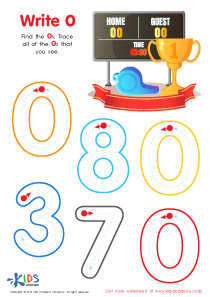
Discover our "Fine Motor Skills Easy Numbers 11–20 Worksheets" designed specifically for 4-year-olds! These engaging worksheets combine early math concepts with fine motor skill development, making learning fun and effective. Children will practice number recognition and writing skills while enhancing hand-eye coordination through creative activities. Each worksheet encourages the mastery of numbers 11 to 20 with colorful illustrations and interactive exercises. Perfect for parents and educators, these resources lay a strong foundation for early math skills. Help your child build confidence and enthusiasm in learning with our easy-to-use worksheets, fostering both cognitive and physical development in one exciting package!
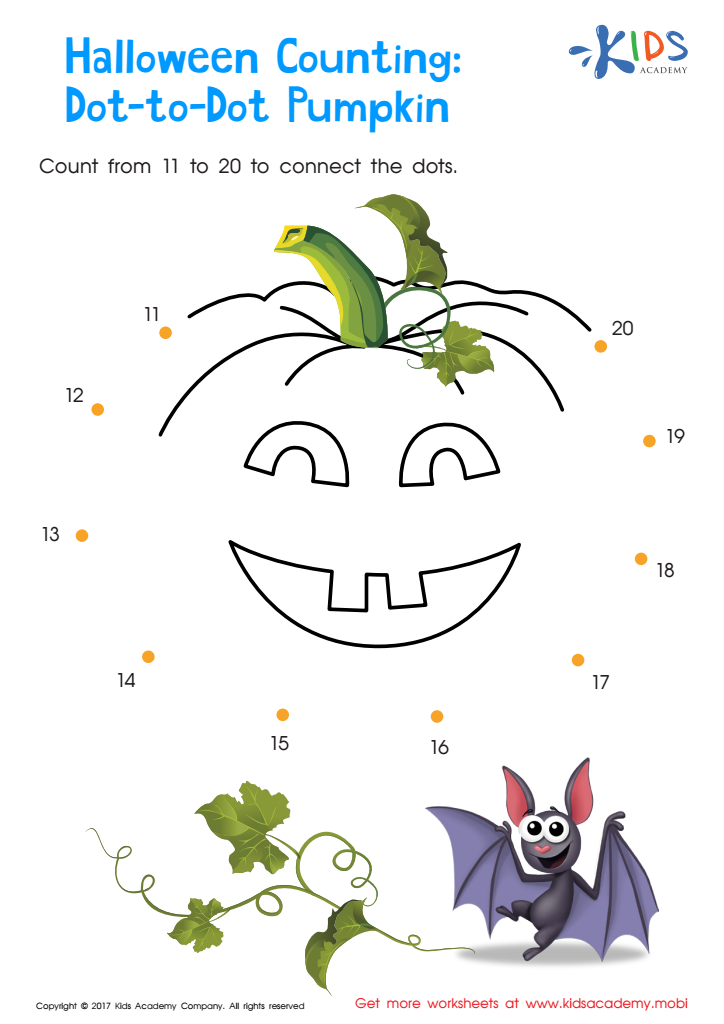
Ordering 11–20: Halloween Counting Worksheet
 Assign to My Students
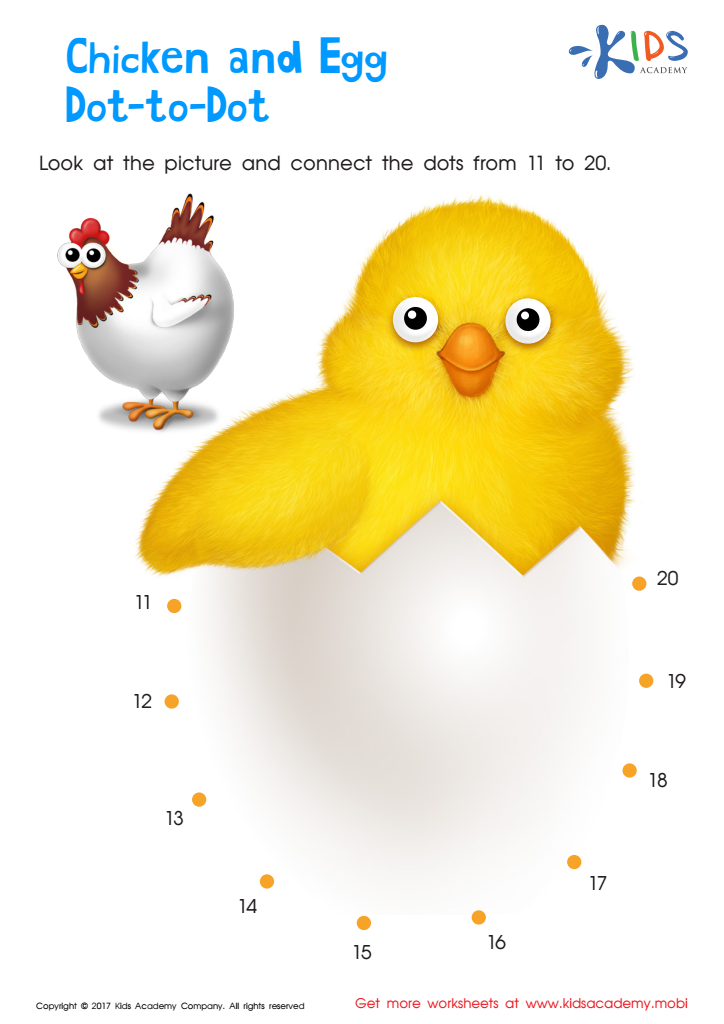
Ordering 11–20: Chicken & Egg Dot–to–dot Worksheet
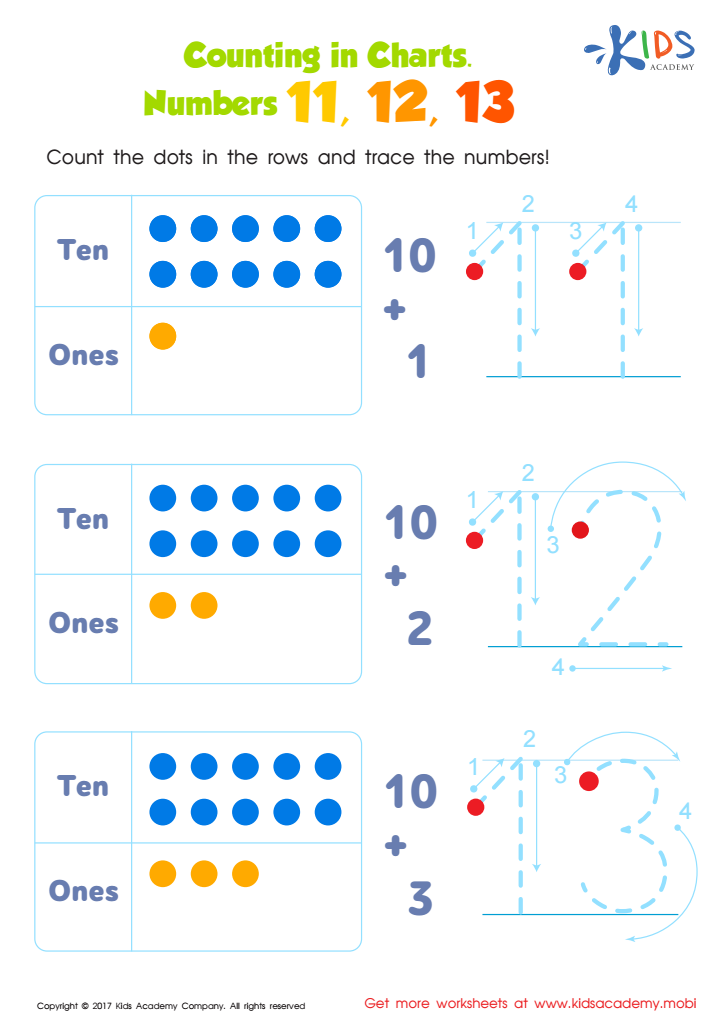
Number Tracing Worksheet For Kindergarten
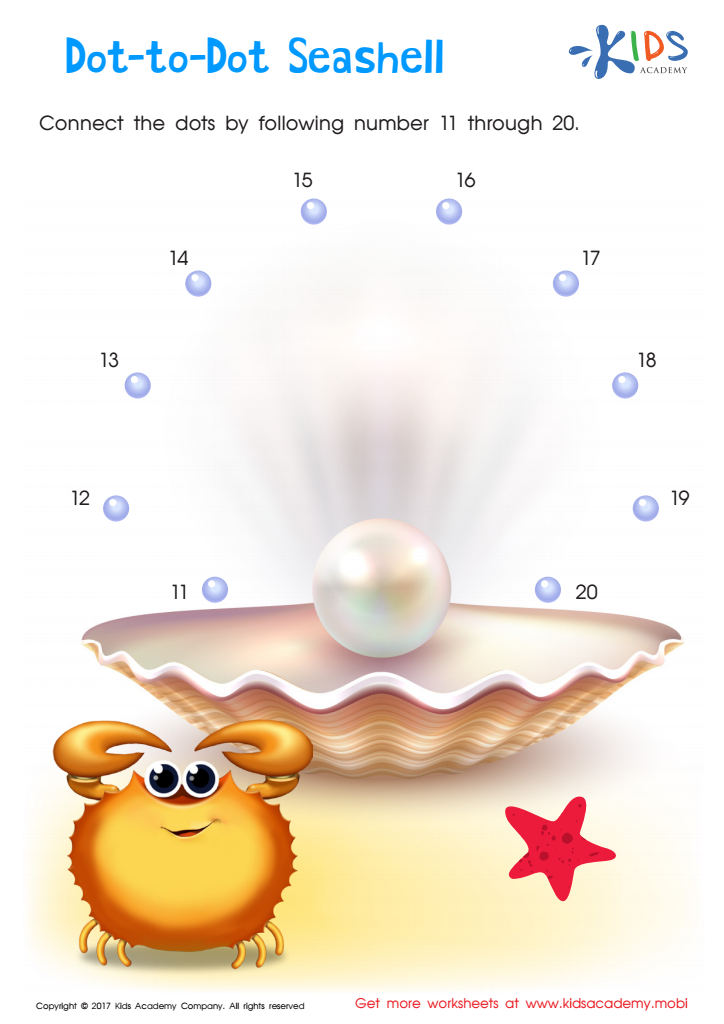
Ordering 11–20: Dot–to–dot Seashell Printable



Fine motor skills are crucial for young children's overall development, particularly for 4-year-olds who are beginning to interact with numbers from 11 to 20. These skills involve using smaller muscles in the hands and fingers, essential for tasks like writing, drawing, and manipulating objects. When parents and teachers focus on fine motor skills in relation to numbers, they help children build a foundation for future arithmetic and literacy success.
Understanding numbers in this range often requires children to engage in hands-on activities that develop their fine motor control. For instance, tracing numbers or using manipulatives to represent numbers not only enhances number recognition but also strengthens grip and coordination. These activities boost cognitive skills alongside fine motor development, laying groundwork for essential skills in problem-solving and critical thinking.
Additionally, fine motor skills also influence a child's confidence and independence. Mastery of tasks such as writing numbers or using scissors can help children feel successful in their endeavors, which aids in building positive attitudes towards learning. By prioritizing fine motor skills through engaging practices with numbers, parents and teachers empower children to thrive both academically and socially, ensuring they are well-prepared for the educational challenges ahead.