Cognitive Development Easy Reading Worksheets for 4-Year-Olds
5 filtered results
-
From - To
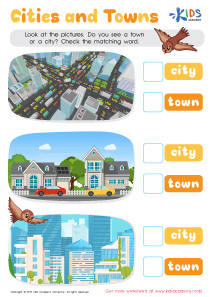
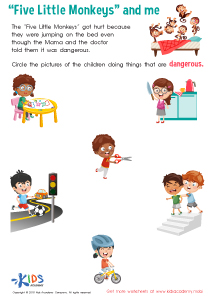
Explore our engaging Cognitive Development Easy Reading Worksheets designed specifically for 4-year-olds! These worksheets provide fun, interactive activities that enhance critical thinking, problem-solving, and comprehension skills. Young learners will enjoy colorful illustrations and captivating exercises that make learning an enjoyable adventure. Our resources foster important cognitive milestones while promoting early literacy in a cheerful and supportive environment. Ideal for home or classroom use, these worksheets ensure that your little ones develop a strong foundation in reading and cognitive abilities. Unlock the joy of learning with our thoughtfully crafted materials, perfect for curious minds ready to explore the magical world of letters and words!

Red and Blue Coloring Fun Worksheet
 Assign to My Students
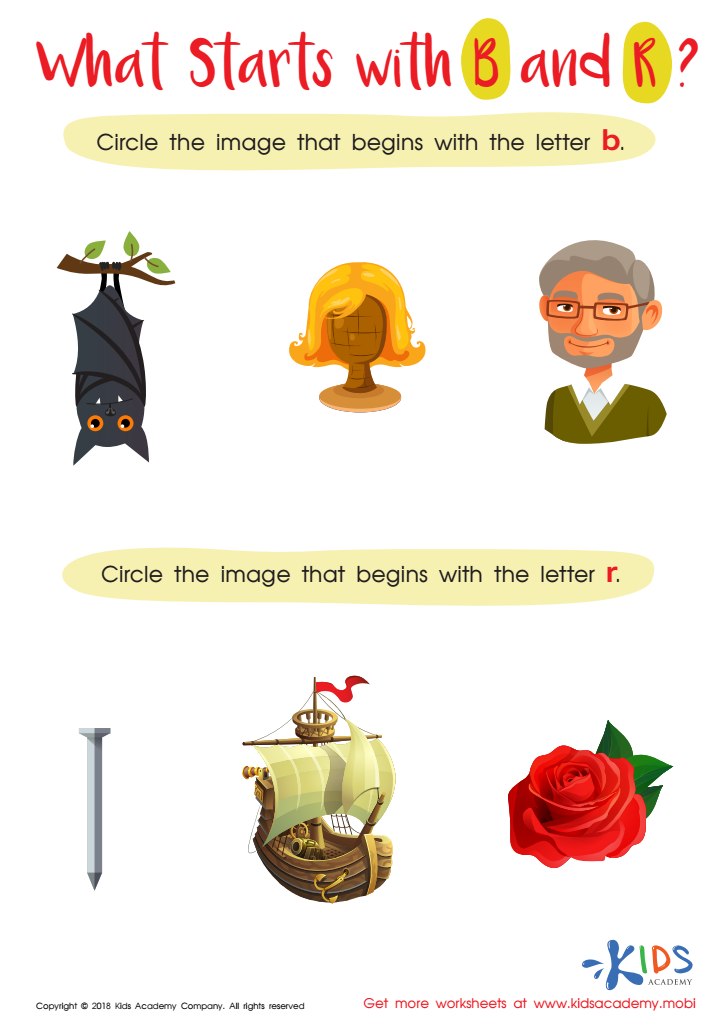
What Starts with B and R? Worksheet
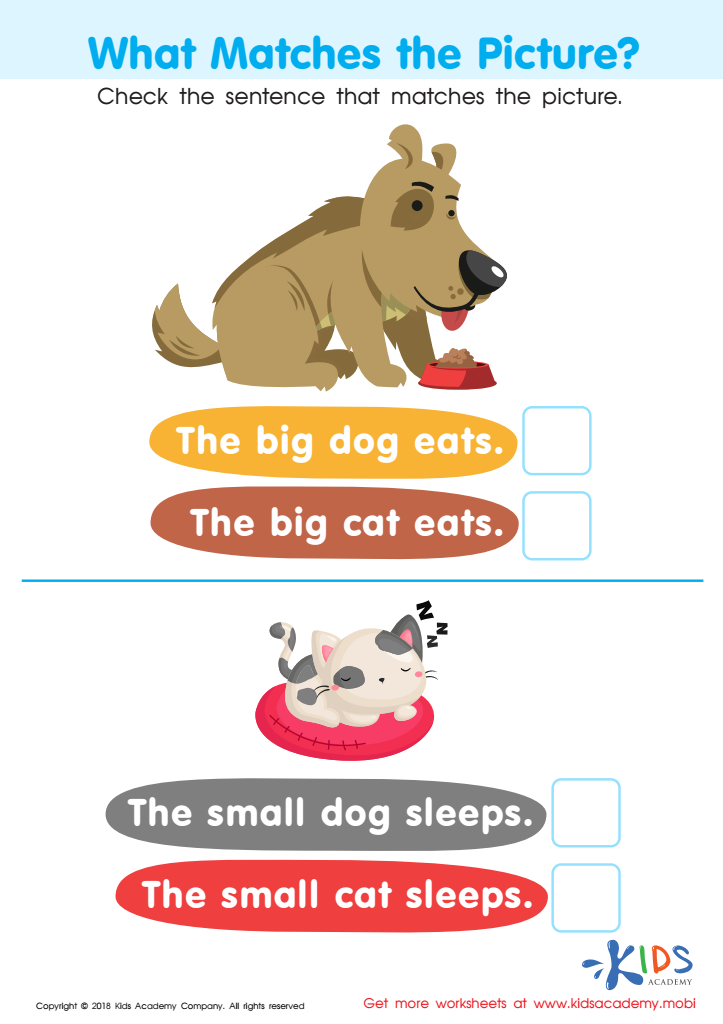
What Matches the Picture? Worksheet
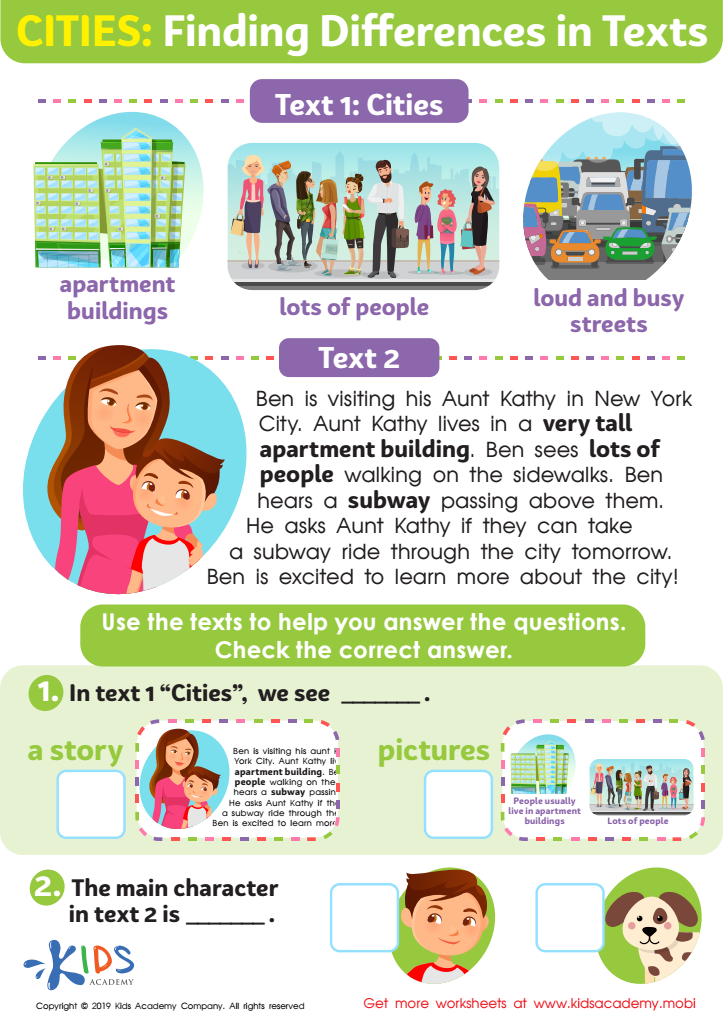
Cities: Finding Differences Worksheet
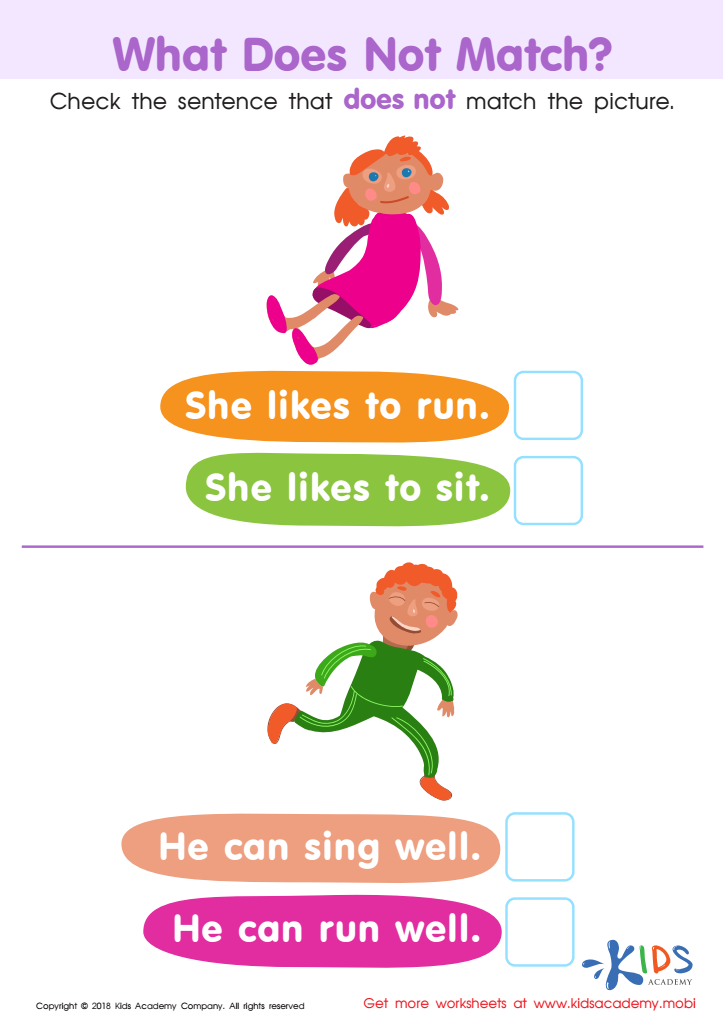
What Does Not Match? Worksheet






Cognitive development is crucial for 4-year-olds as it lays the foundation for future learning and overall growth. At this age, children are like little sponges, soaking up information from their surroundings. Parents and teachers should care about this stage because early cognitive development strengthens problem-solving skills, critical thinking, and creativity.
Engaging in activities like storytelling, puzzles, and simple math games helps children learn to think logically and understand concepts. Books with simple words promote vocabulary expansion and comprehension, while playful learning keeps their interest alive. When kids experience cognitive development, they become more confident and eager to explore their world, leading to a lifelong love for learning.
Moreover, fostering cognitive skills also supports emotional and social development. Children learn to interact with their peers, navigate feelings, and express themselves effectively. By investing time and resources into cognitive activities, parents and teachers can empower children, making sure they are not just ready for school, but equipped for a successful future. Supporting these early years means providing a strong start, leading to better academic performance down the road and helping children thrive in all areas of life.