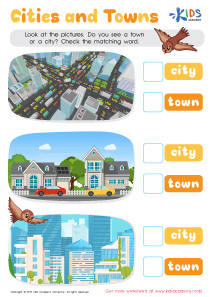
Number Recognition Easy Reading Worksheets for 4-Year-Olds
3 filtered results
-
From - To
Welcome to our Number Recognition Easy Reading Worksheets for 4-Year-Olds! Designed to make learning fun and engaging, these worksheets help young learners develop essential number recognition skills. Our colorful, age-appropriate activities include counting, matching, and identifying numbers up to 20, ensuring that children build a strong foundation in mathematics. Each worksheet encourages practice through playful illustrations and effective exercises that promote active learning. Ideal for parents and educators alike, these resources create an enjoyable learning environment, fostering confidence and a love for numbers. Download and print the worksheets today to set your child on the path to numerical success!
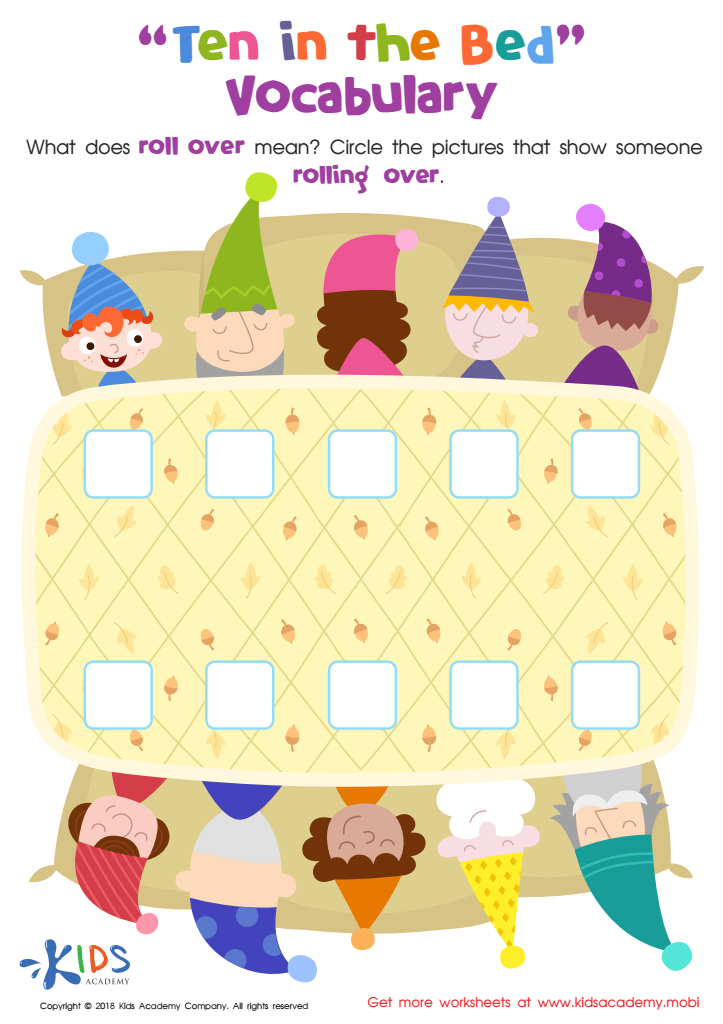
Ten in the Bed: Vocabulary Worksheet
 Assign to My Students
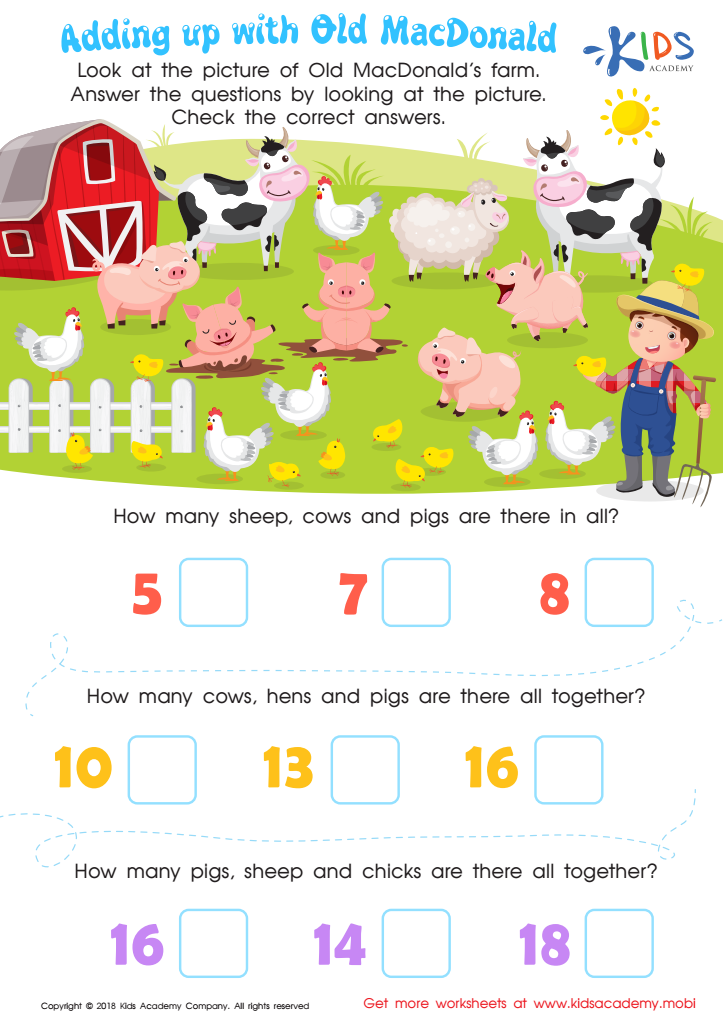
Adding Up with Old MacDonald Worksheet
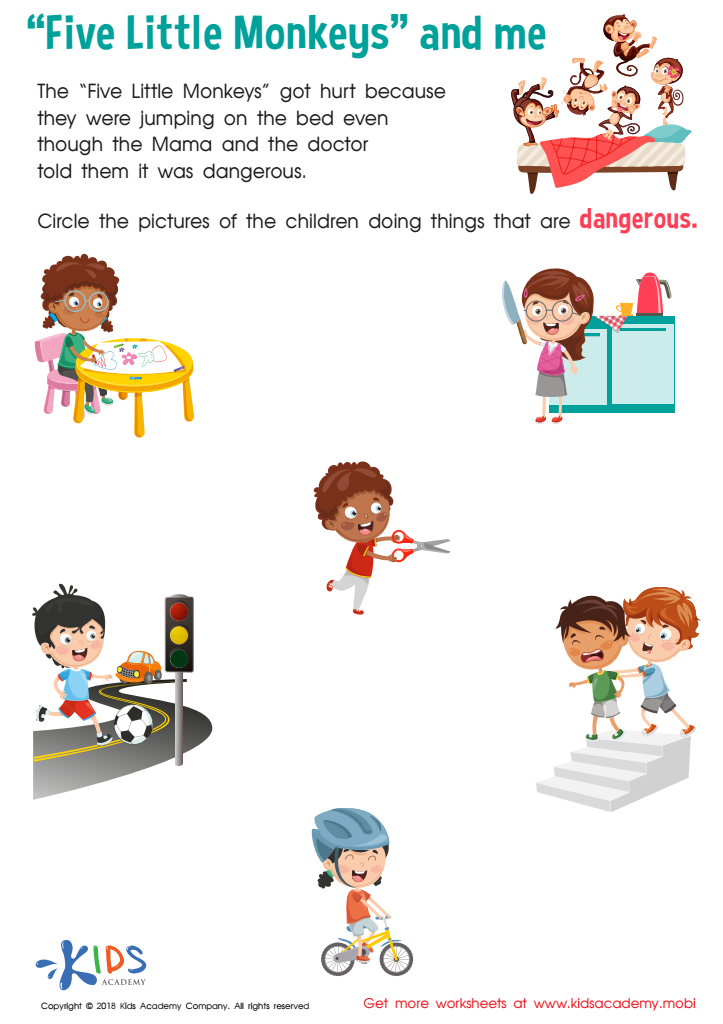
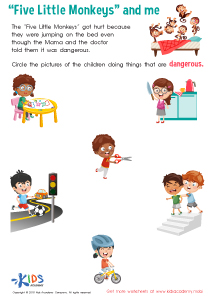
Five Little Monkeys and Me Worksheet




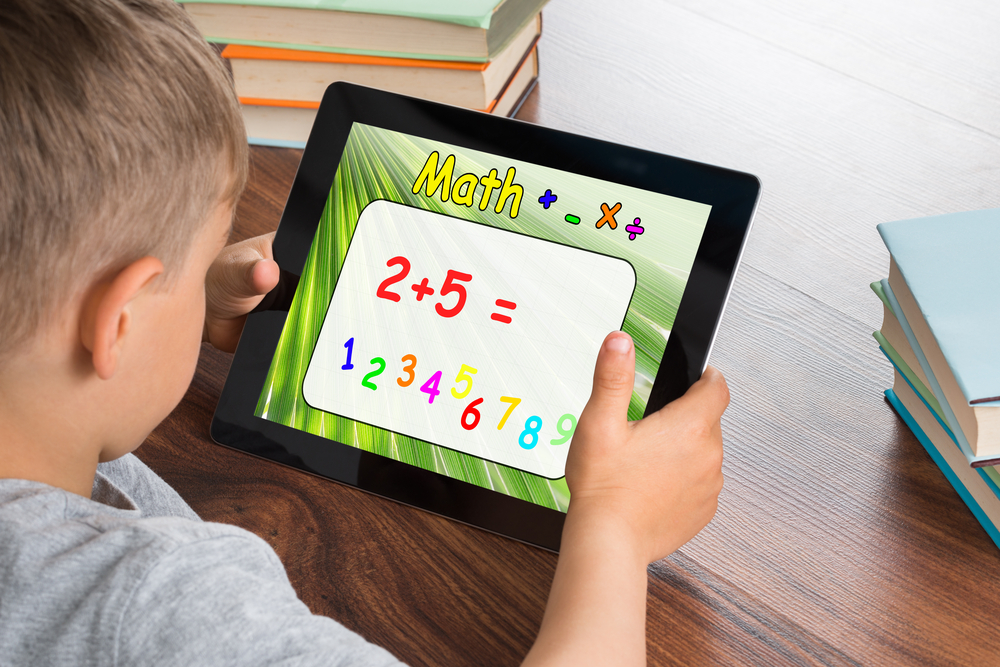



Number recognition is a foundational skill that plays a crucial role in early childhood development, particularly for 4-year-olds. For parents and teachers, fostering this skill is essential as it sets the stage for future mathematics understanding. At this age, children are increasingly curious about their surroundings, and recognizing numbers helps them make sense of the world.
Understanding numbers equips young learners with the ability to identify quantities, comprehend order, and grasp basic arithmetic concepts. These skills are not only vital for math but also for daily activities, such as counting objects during play or understanding gestures related to time and distance. Enhanced number recognition supports cognitive development, as it promotes critical thinking and problem-solving abilities.
By engaging children in number recognition activities and encouraging them to practice, parents and teachers can foster confidence and a positive attitude towards learning. This early exposure helps ease the transition into more complex math concepts in later years. Moreover, strong foundational math skills can benefit children's academic journey, paving the way for future success across subjects. Thus, number recognition should be a primary focus for educators and caregivers, emphasizing its importance in a child's overall development.