Fine Motor Skills Easy Alphabet Worksheets for Ages 5-6
7 filtered results
-
From - To
Discover our Fine Motor Skills Easy Alphabet Worksheets for ages 5-6, designed to enhance your child's letter recognition and handwriting capabilities. These engaging activities are crafted to develop essential fine motor skills while making learning fun. Each worksheet features traceable letters, simple word associations, and cheerful illustrations to keep young minds captivated. Suitable for home or classroom use, these printables provide a solid foundation in both literacy and motor coordination. Help your child master the alphabet with our thoughtfully designed, educational worksheets and set the stage for ongoing academic success.
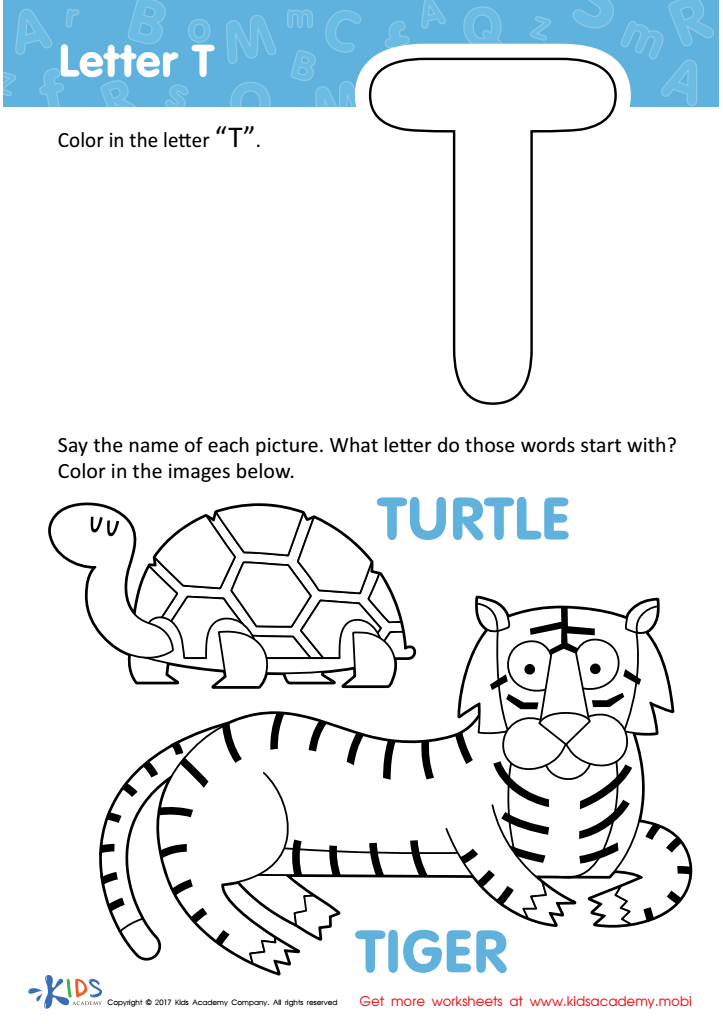
Letter T Coloring Sheet
 Assign to My Students
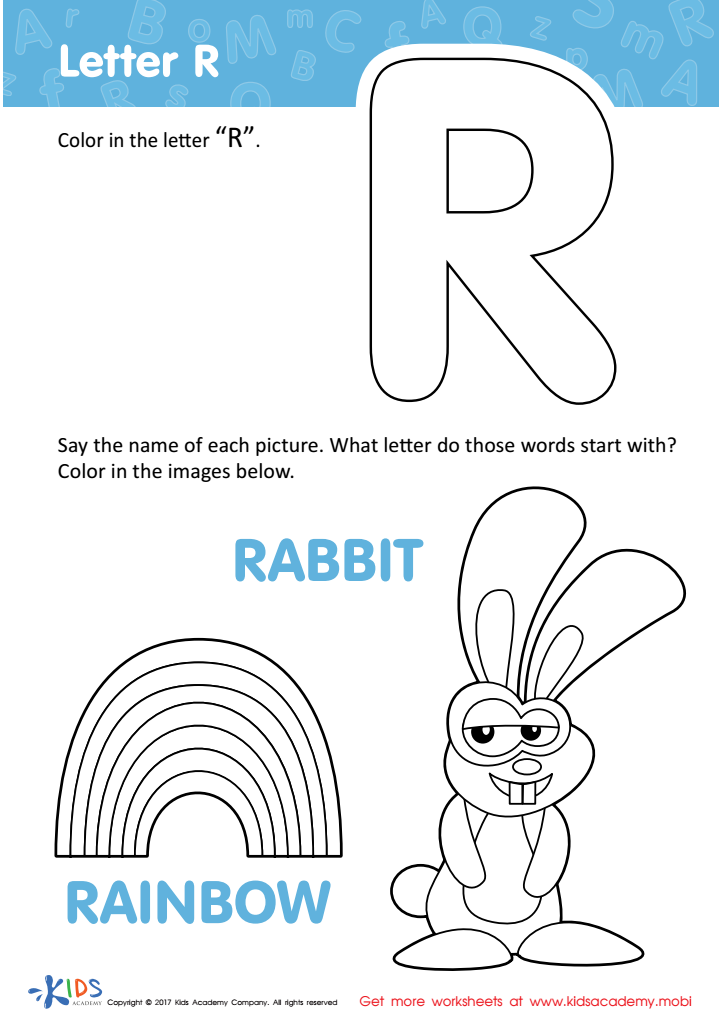
Letter R Coloring Sheet
Assign to My Students
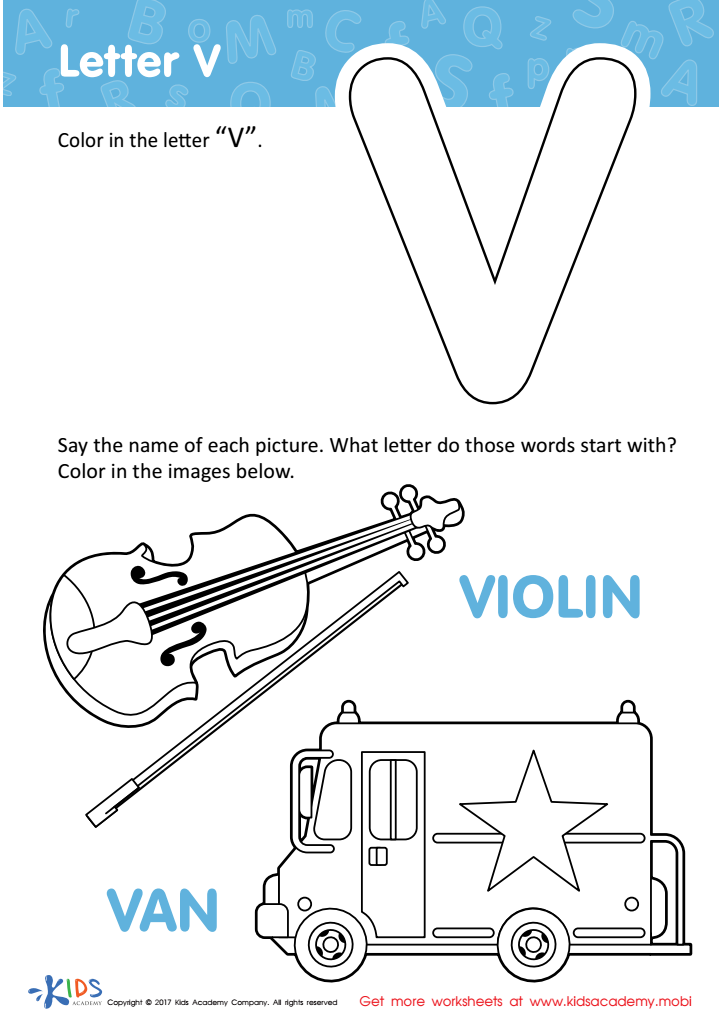
Letter V Coloring Sheet
Assign to My Students
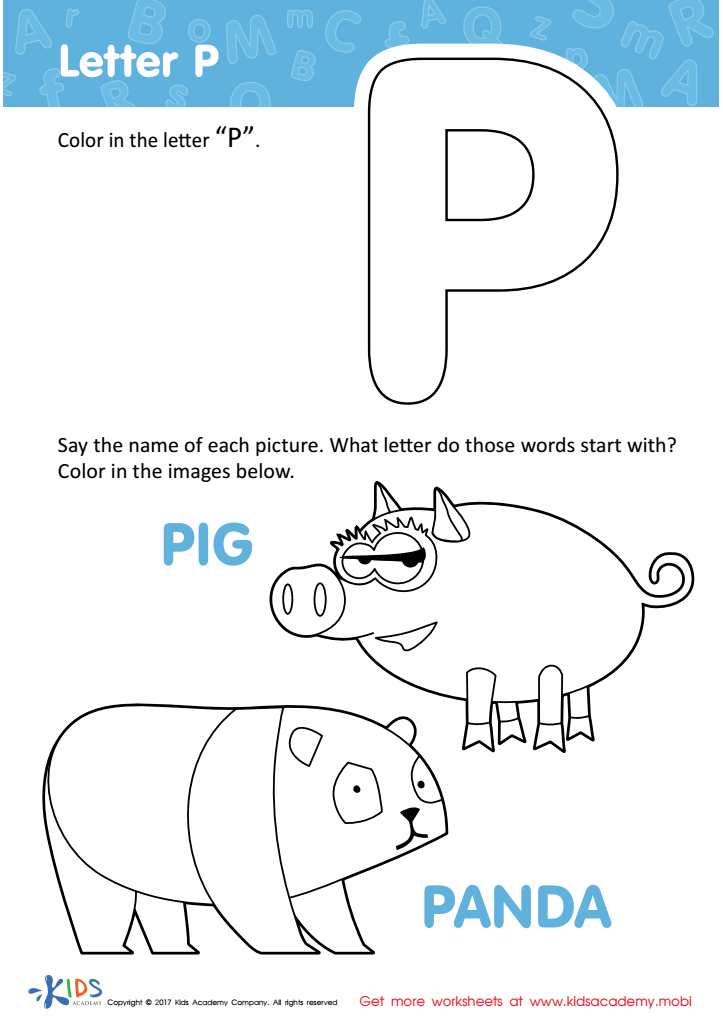
Letter P Coloring Sheet
Assign to My Students
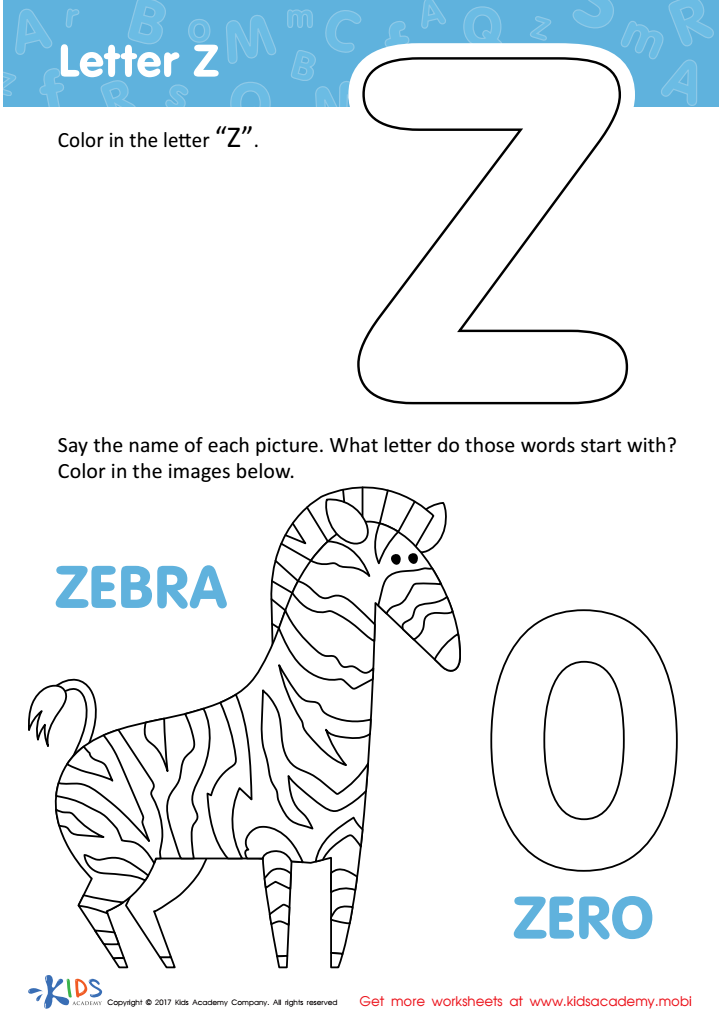
Letter Z Coloring Sheet
Assign to My Students
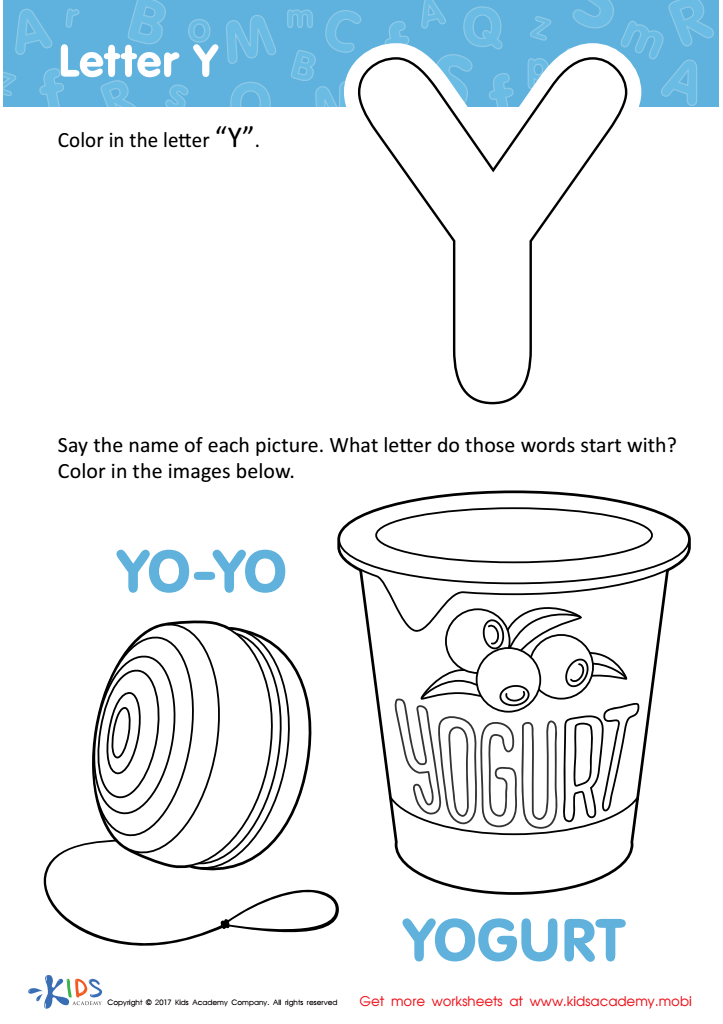
Letter Y Coloring Sheet
Assign to My Students
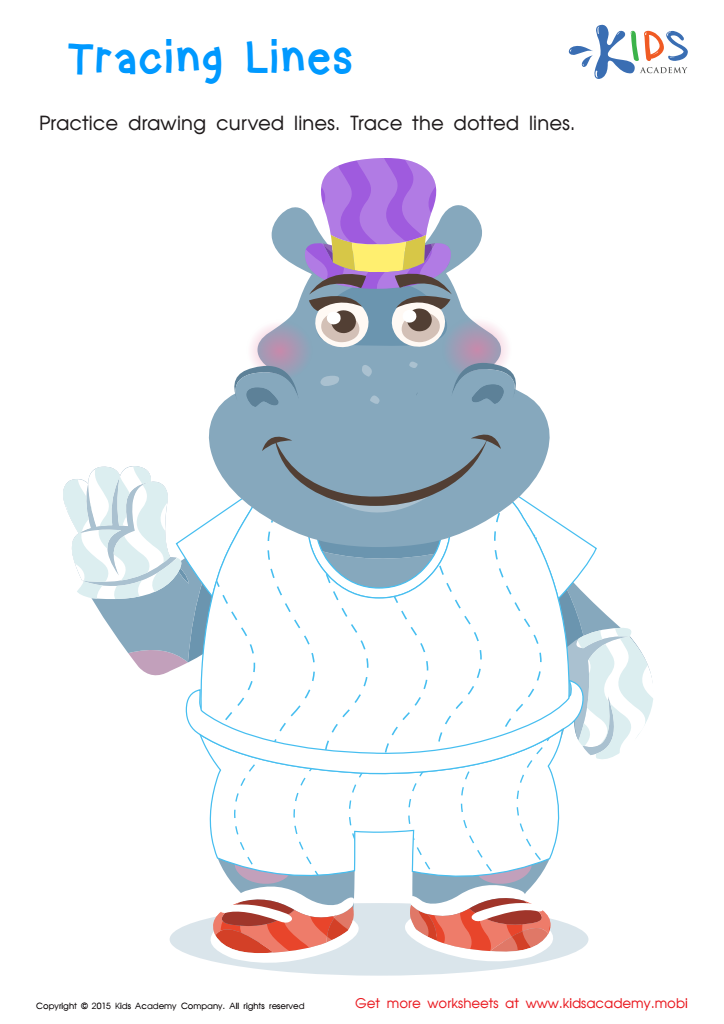
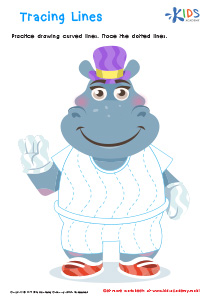
Tracing Lines Worksheet








Fine motor skills are essential for a child's overall development, particularly around ages 5-6, as they transition into more structured learning environments such as kindergarten and first grade. A strong focus on fine motor skills, particularly through activities like Easy Alphabet exercises, has multiple benefits for young children.
Firstly, fine motor skill development is crucial for everyday activities, including writing, buttoning clothes, and using utensils. By engaging children in Easy Alphabet exercises, children strengthen their hand-eye coordination, dexterity, and muscle control. These activities facilitate a better grip on pencils and crayons, which is key for developing solid handwriting skills.
Secondly, such exercises also promote cognitive development. Learning to form letters is not just about physical skill but also involves memory, understanding of spatial concepts, and recognizing patterns. These cognitive skills are foundational for reading and literacy. Children who have an easier time forming letters learn to recognize and write words more quickly, aiding in their language development.
Lastly, fine motor tasks like writing letters enhance a child's concentration and patience. Completing such tasks requires attention to detail and can be a meditative process that calms and focuses their busy minds.
In conclusion, prioritizing fine motor skill development through easy alphabet exercises sets a strong foundation for academic and personal growth. Parents and teachers who invest in these activities are equipping their children with key skills for future learning and everyday functioning.