Letter recognition Easy Worksheets for Ages 5-6
14 filtered results
-
From - To
Discover our "Letter Recognition Easy Worksheets for Ages 5-6," designed to make learning the alphabet fun and engaging for young children. These printable worksheets combine entertaining activities with effective educational techniques to help kids recognize and write letters. Perfect for both classroom and home use, each worksheet offers colorful exercises featuring tracing, matching, and identifying letters. boost early literacy skills, encourage fine motor development, and enhance your child’s love for reading and writing. Our worksheets provide a strong foundation for budding learners, setting them up for educational success in a joyful and stimulating way.
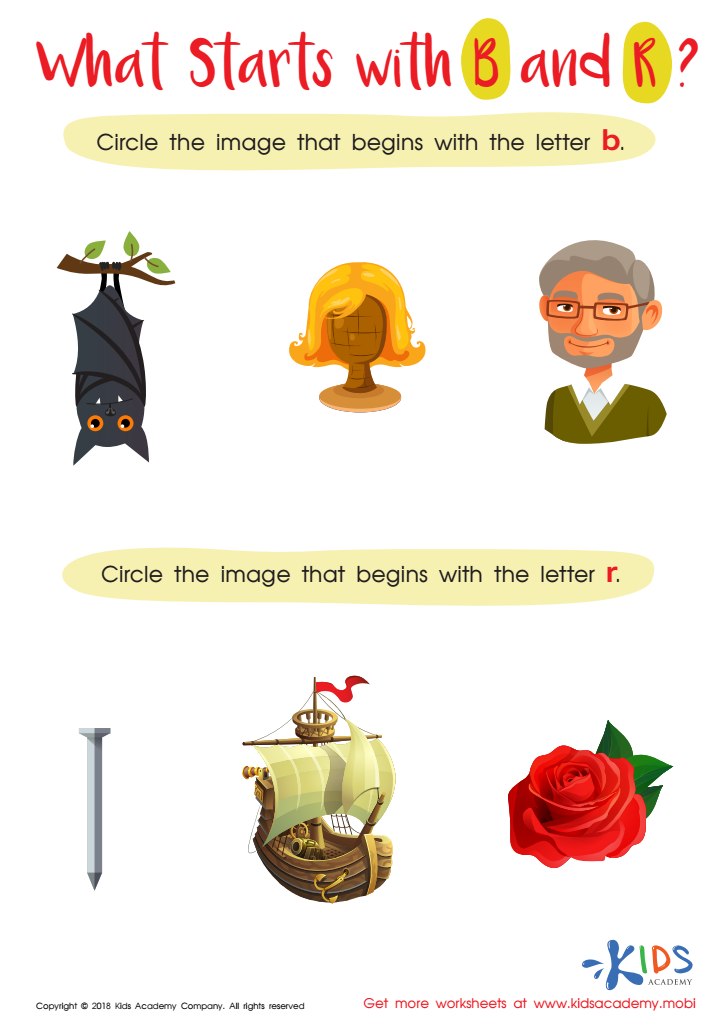
What Starts with B and R? Worksheet
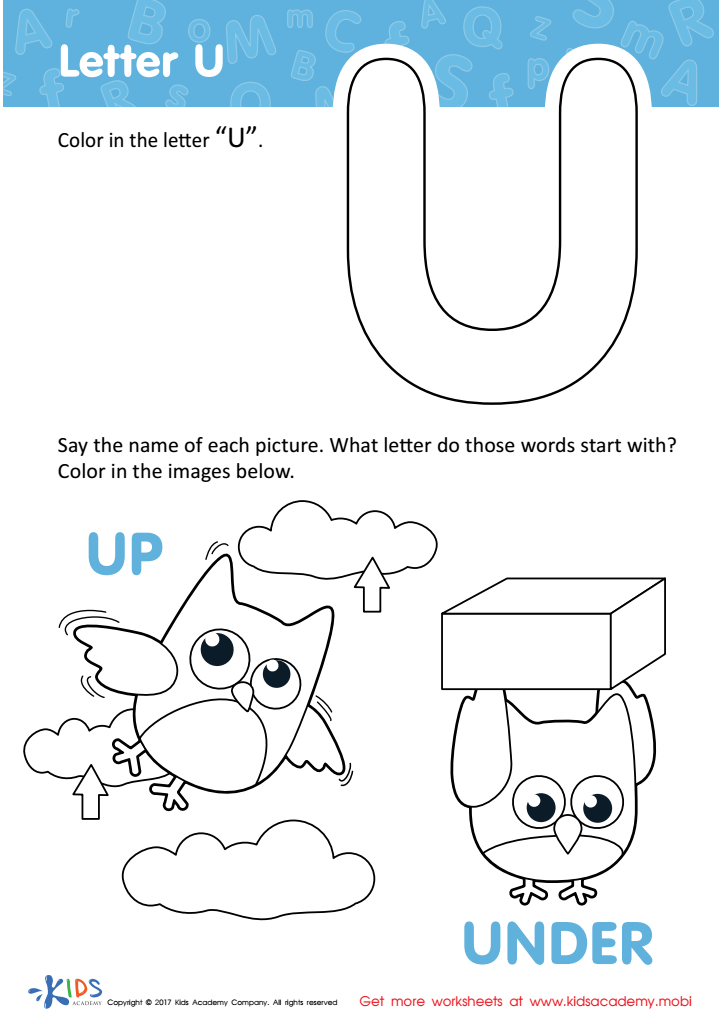
Letter U Coloring Sheet
 Assign to My Students
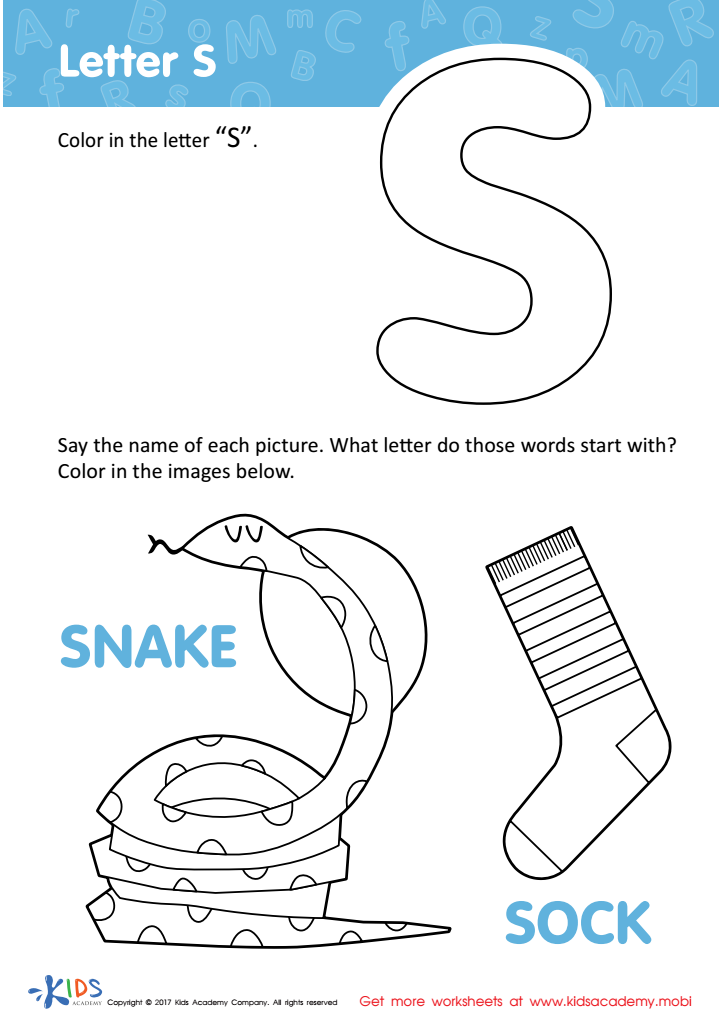
Letter S Coloring Sheet
Assign to My Students
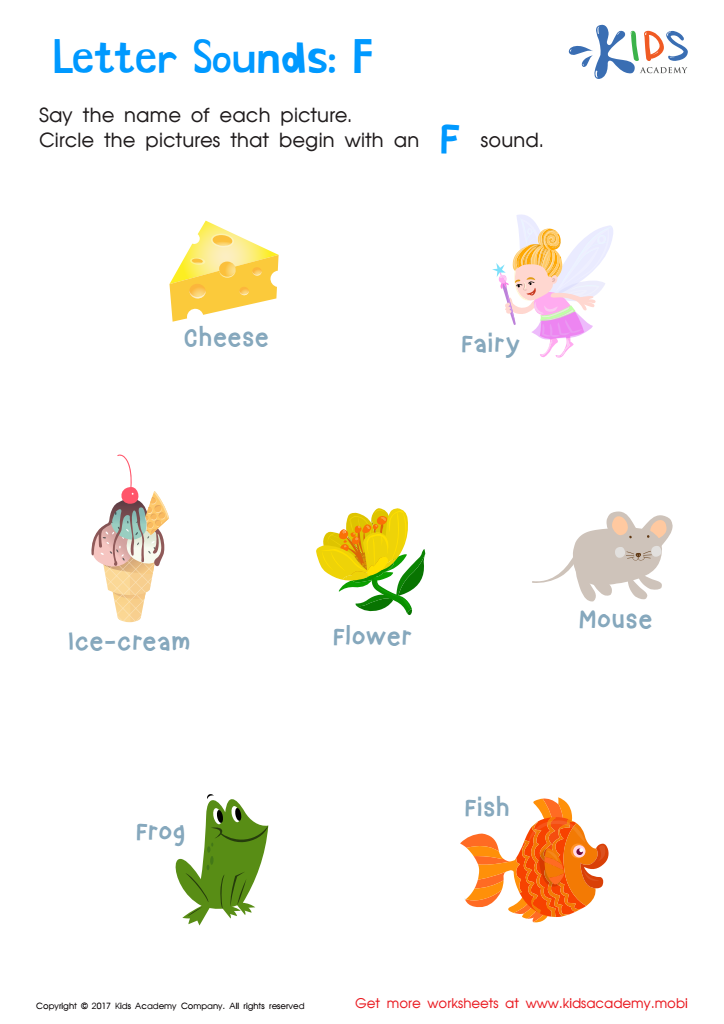
Letter F Sounds Worksheet
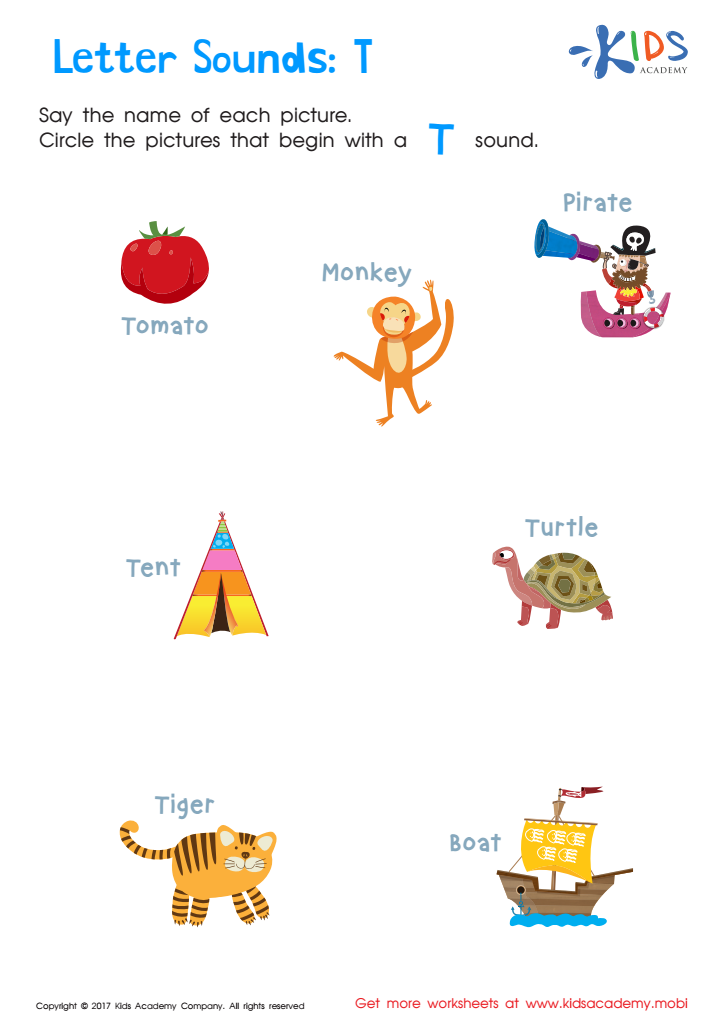
Letter T Sounds Worksheet
Easter: Chick in the Basket Worksheet
Assign to My Students
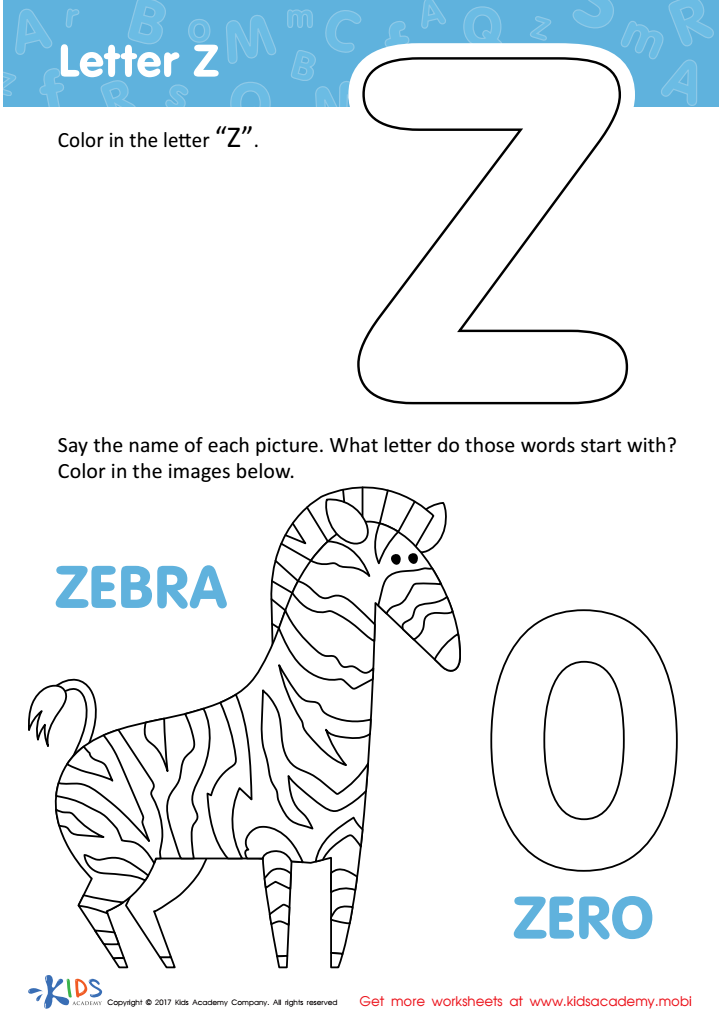
Letter Z Coloring Sheet
Assign to My Students
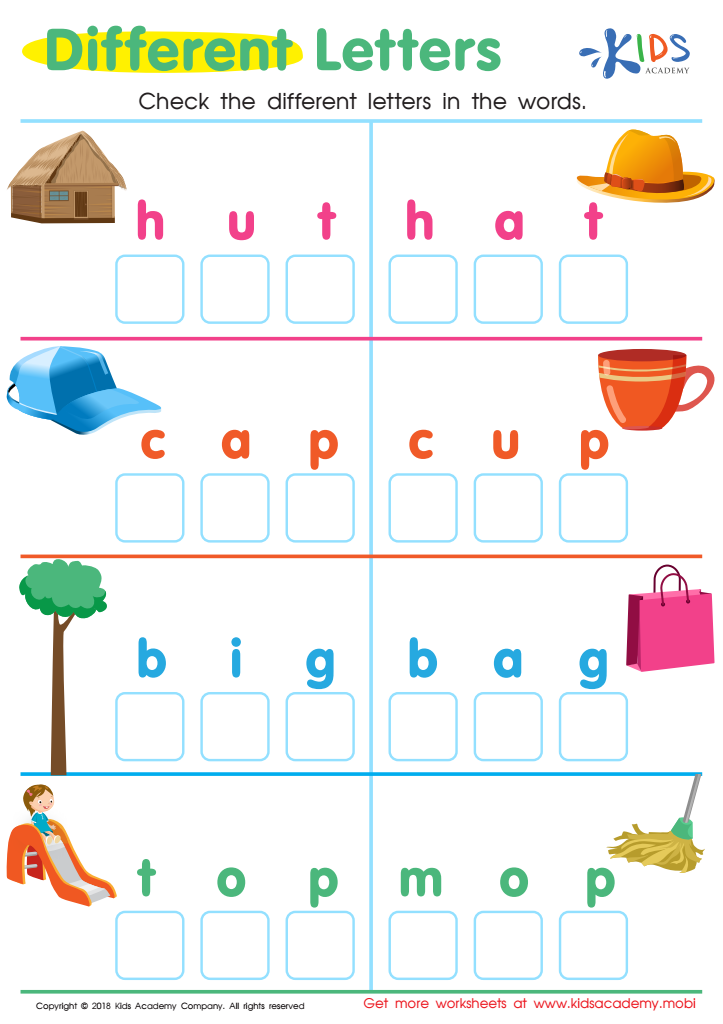
Different Letters Reading Worksheet
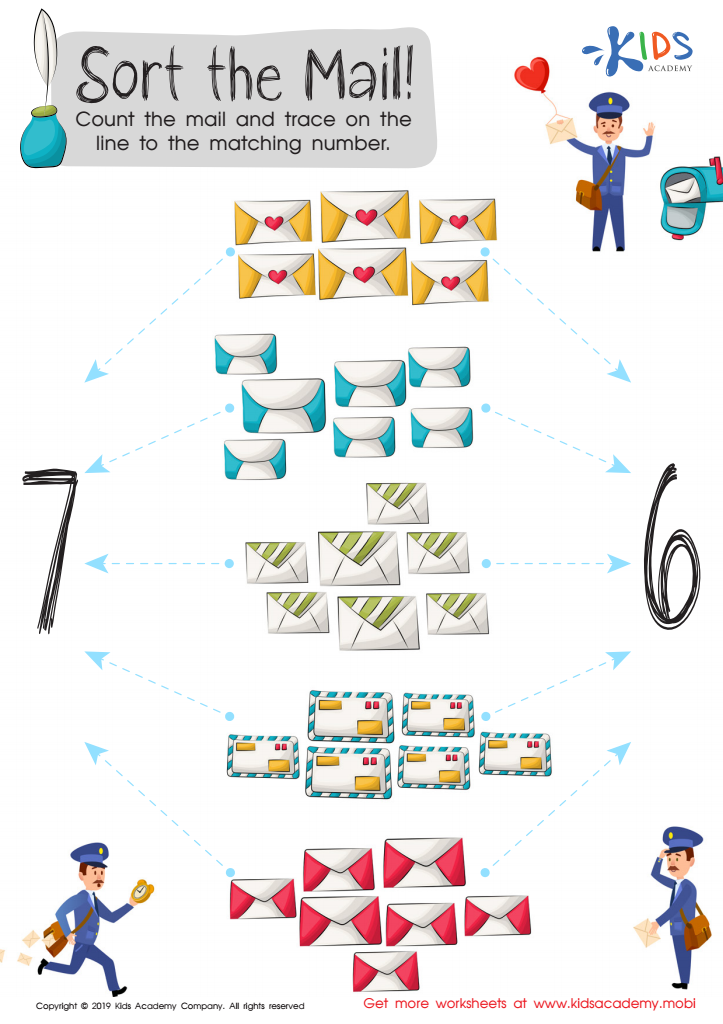
Sort the Mail Worksheet
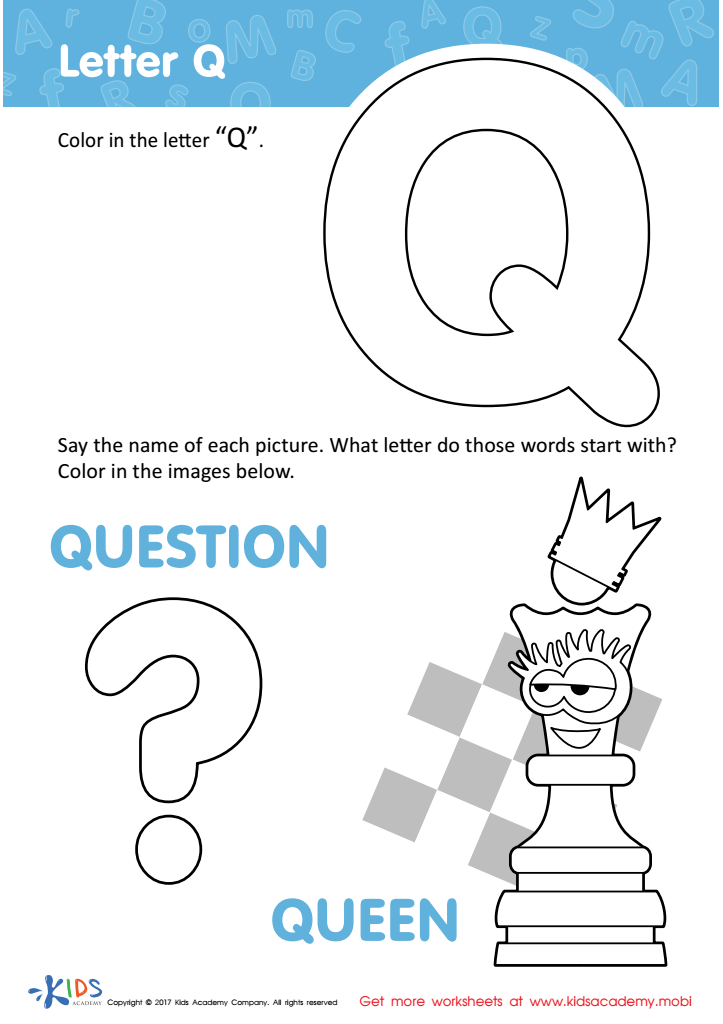
Letter Q Coloring Sheet
Assign to My Students
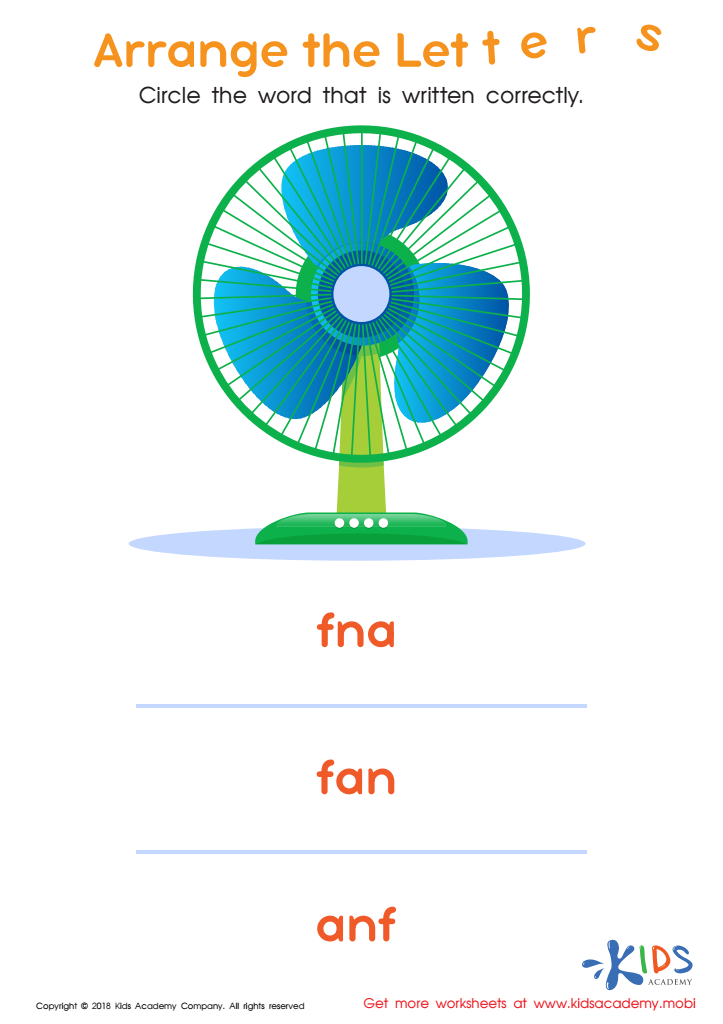
Arrange the Letters Worksheet
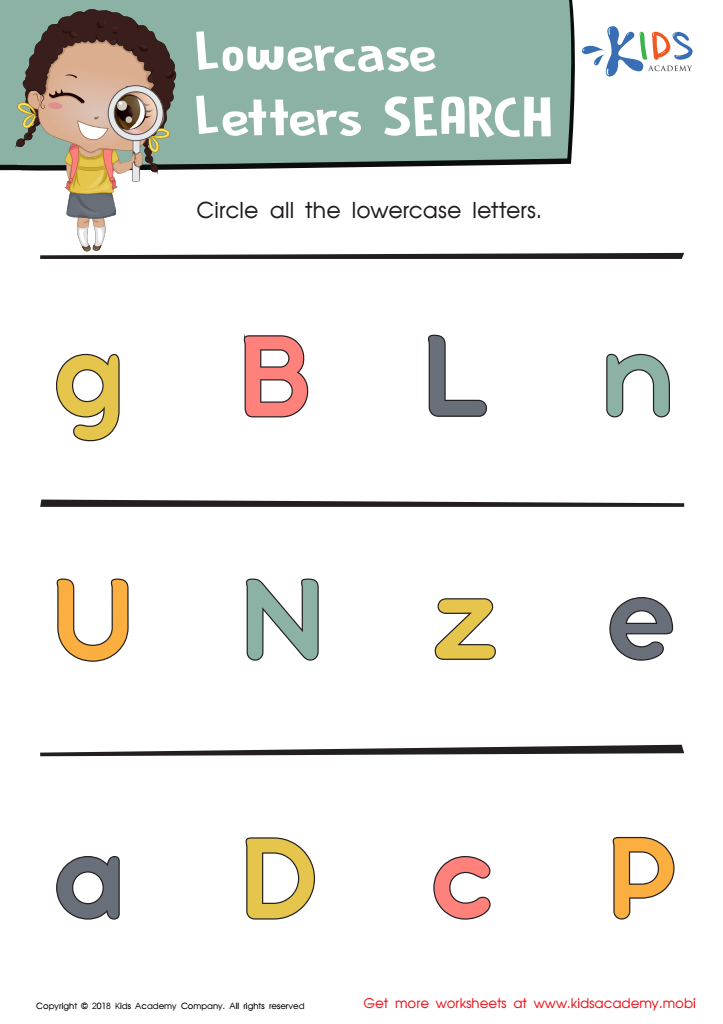
Lowercase Letters Search: Assessment Worksheet
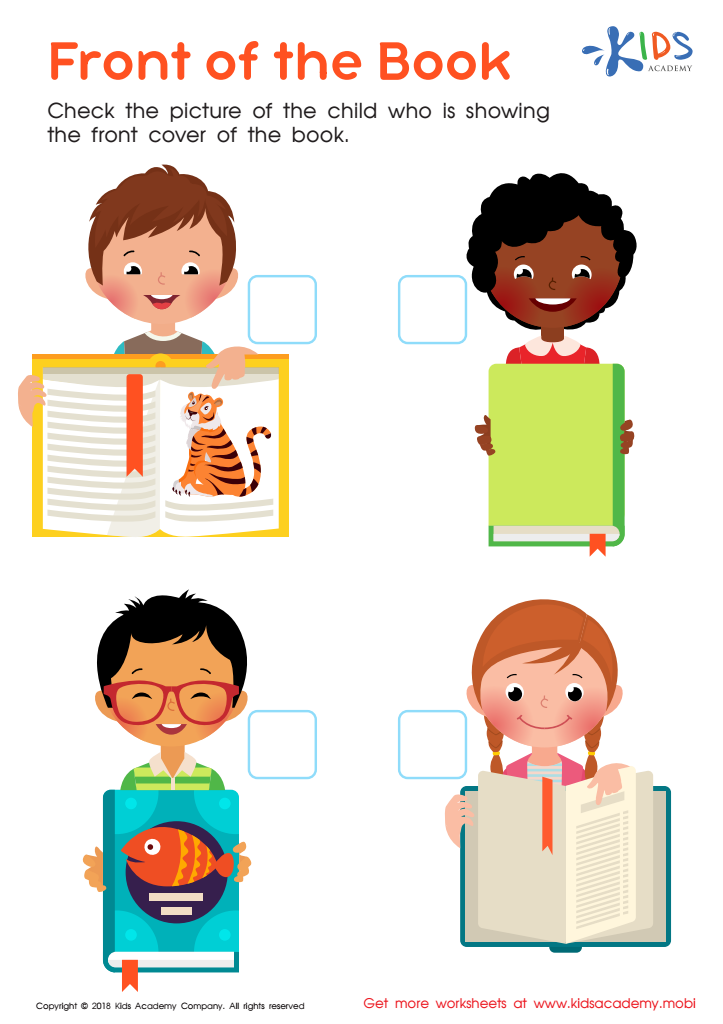
Front of the Book Worksheet
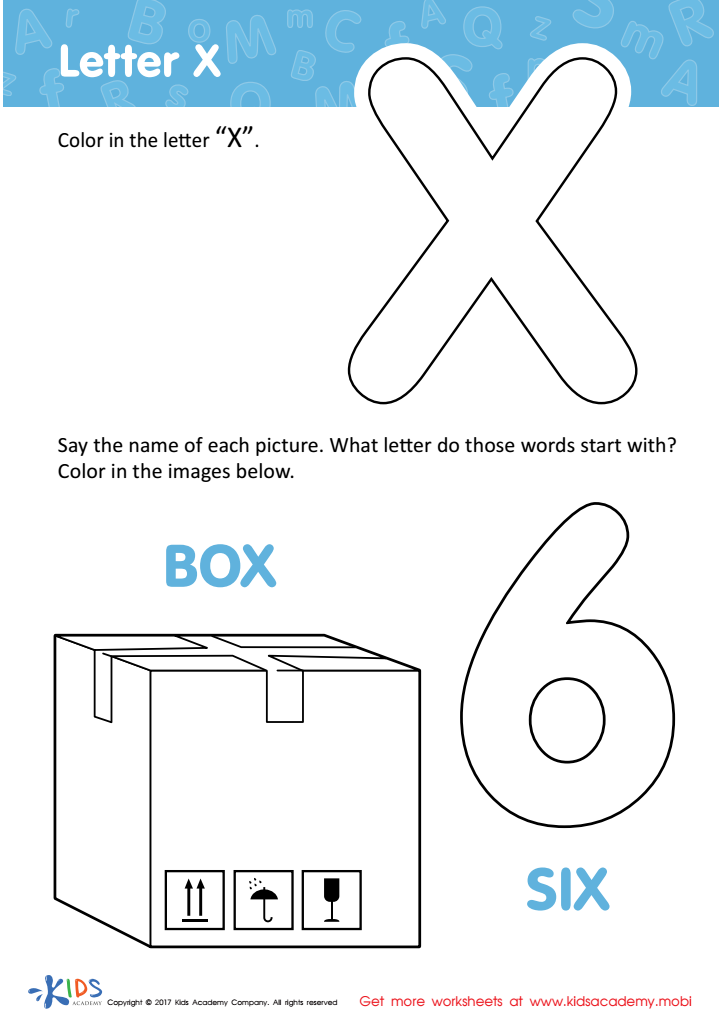
Letter X Coloring Sheet
Assign to My Students








Letter recognition is a foundational skill that significantly influences a child's reading and writing abilities. For children ages 5-6, mastering letter recognition is a crucial milestone in their early education. When parents and teachers focus on making letter recognition easy and enjoyable, they foster a strong developmental pathway for literacy.
Firstly, understanding letters is the building block of reading. Children who can quickly recognize letters are more prepared to decode words, leading to more fluid reading experiences. This early proficiency not only propels them academically but also boosts their confidence.
Additionally, when letter recognition is straightforward and fun, children are more likely to develop a love for reading. Engaging activities like alphabet games, songs, and colorful books can make learning letters feel like playtime, encouraging consistent practice and exploration.
Another important aspect is the impact on writing skills. Recognizing letters enables children to better understand how to construct words, which enhances their writing capabilities. This skill is essential for expressing ideas clearly and effectively, aiding overall academic progress.
Lastly, early letter recognition supports language development. As children become familiar with letters and their sounds, they enhance their phonemic awareness, leading to better communication skills.
In summary, prioritizing and easing the process of letter recognition for young children sets them up for long-term educational success and instills a lifelong passion for learning.








