Number comparison Easy Worksheets for Ages 5-6
4 filtered results
-
From - To
Discover our engaging Number Comparison Easy Worksheets designed specifically for children ages 5-6. These resources help young learners enhance their early math skills by comparing numbers in a fun and interactive way. Featuring colorful illustrations and age-appropriate activities, the worksheets are perfect for classrooms or home use. Students will practice identifying greater and lesser numbers, fostering their understanding of numerical concepts. Our easy-to-use format encourages independent learning while boosting confidence. Download our printable worksheets today and support your child's mathematical journey in a playful and effective manner! Ideal for parents and teachers looking to enrich their early learning curriculum.
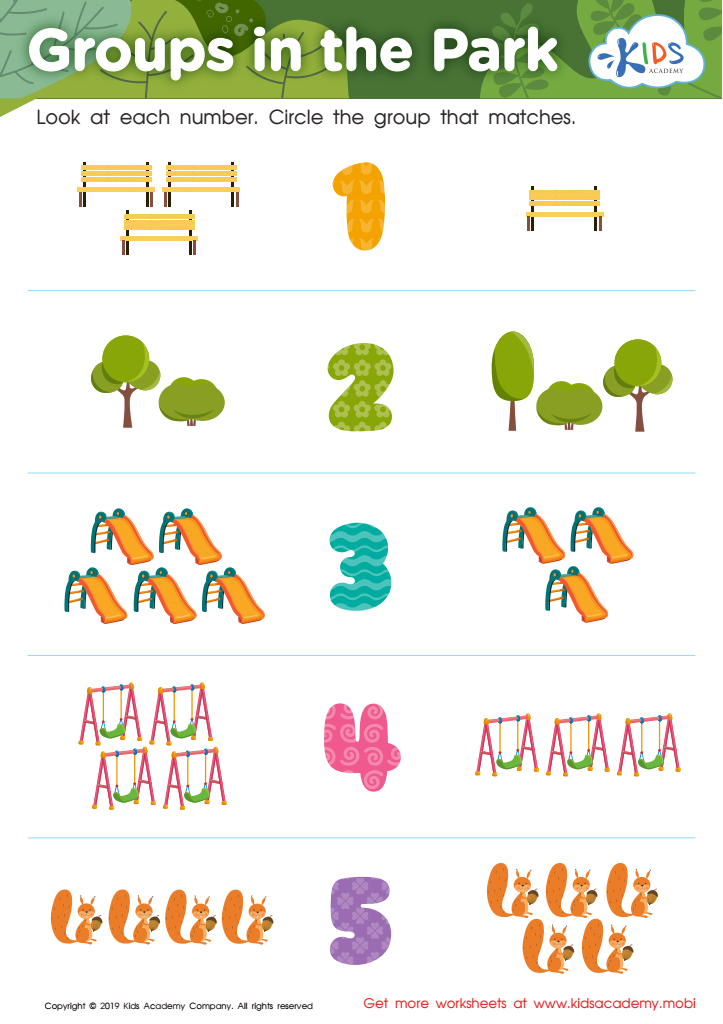
Groups in the Park Worksheet
 Assign to My Students
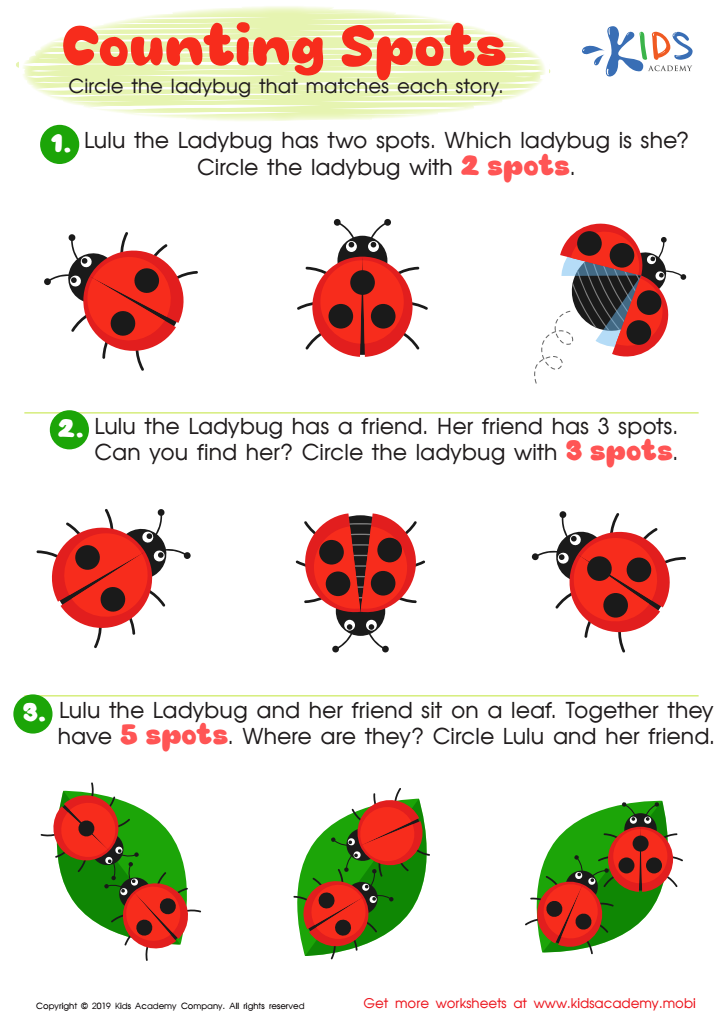
Counting Spots Worksheet
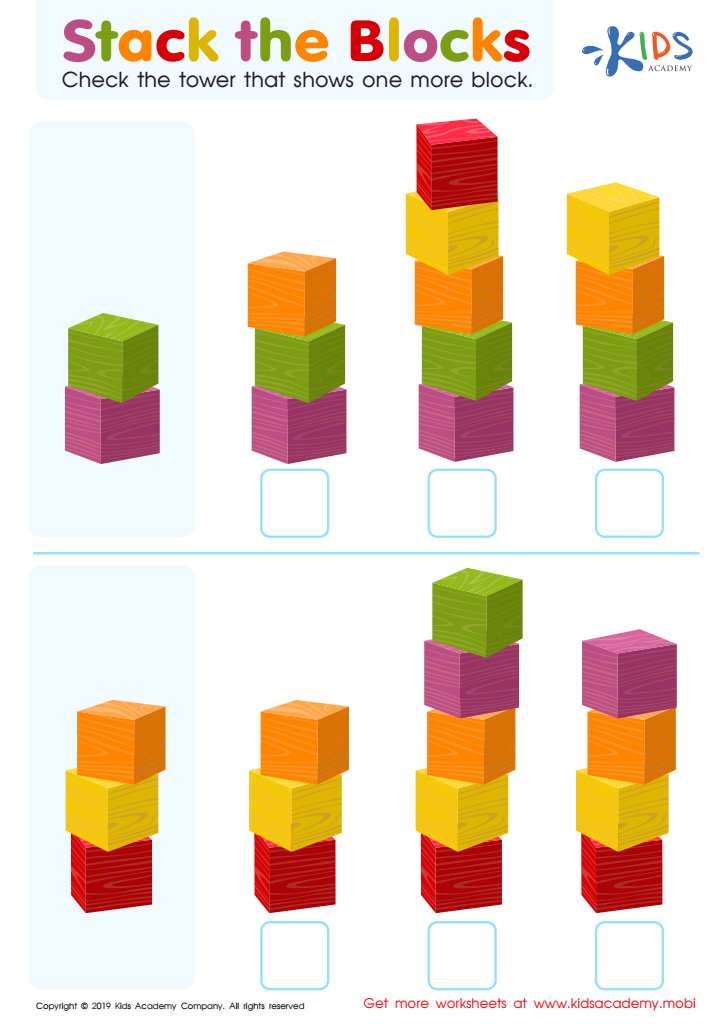
Stack the Blocks Worksheet
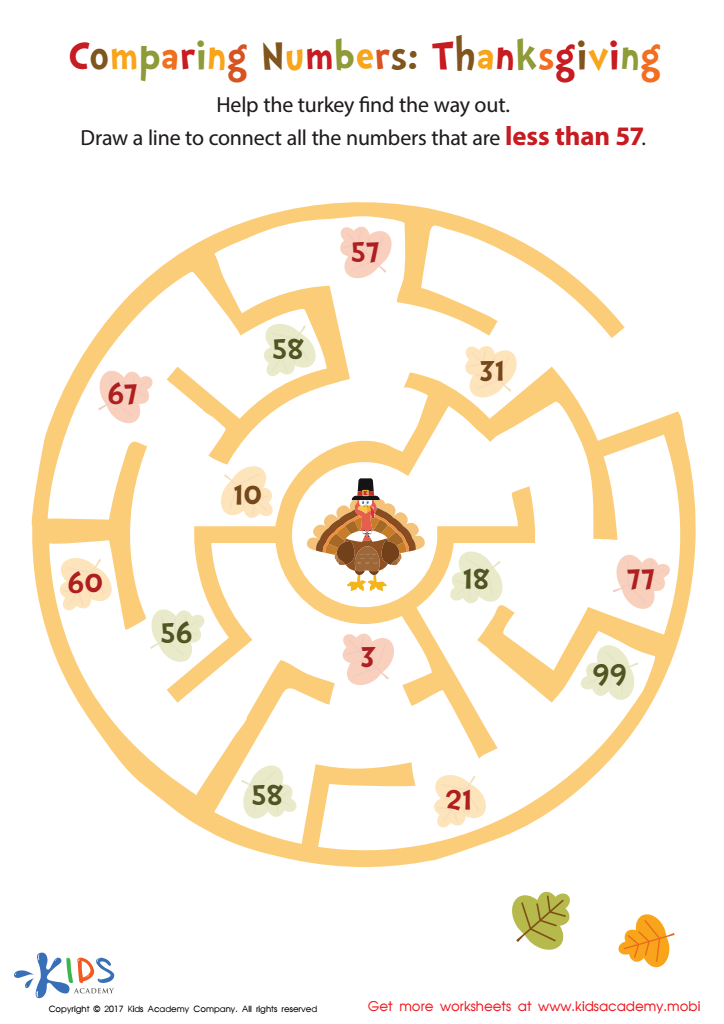
Comparing Numbers Printable








Number comparison is a foundational skill that helps young children develop their mathematical understanding. For parents and teachers working with children aged 5-6, emphasizing this skill is essential for several reasons.
First, number comparison helps establish a solid grasp of basic arithmetic concepts. When children learn to compare numbers, they begin to understand concepts like “greater than,” “less than,” and “equal to.” This understanding lays the groundwork for future math skills such as addition, subtraction, and eventually more complex operations.
Moreover, engaging in number comparison activities promotes critical thinking and problem-solving abilities. Children are encouraged to analyze and make decisions based on numeric values, fostering cognitive development. Additionally, this skill helps build a child's confidence in handling mathematics, which is crucial as they progress through their educational journey.
Incorporating fun games and hands-on activities involving number comparison can also enhance children’s social interaction skills and cooperative learning. Lastly, early exposure to such concepts can shape positive attitudes towards math, reducing anxiety and resistance to the subject as they grow older. By prioritizing number comparison, parents and teachers set kids on a path toward successful mathematical competency and overall academic achievement.








