Fine Motor Skills Easy Numbers 11–20 Worksheets for Ages 5-6
4 filtered results
-
From - To
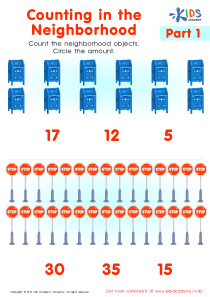
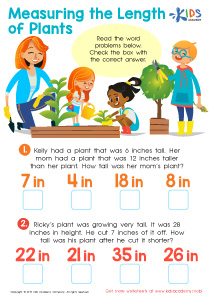
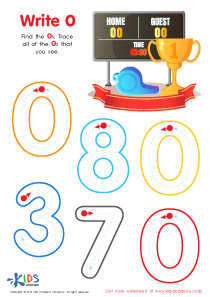
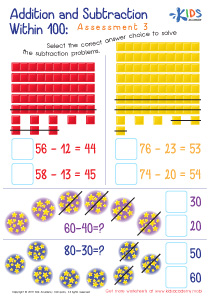
Enhance your child's fine motor skills with our engaging Easy Numbers 11-20 Worksheets designed for ages 5-6. These printable activities help young learners practice number recognition and counting while refining their hand-eye coordination and dexterity. Fun and interactive, these worksheets incorporate tracing, coloring, and writing exercises that keep children engaged while building essential skills for their academic journey. Perfect for home or classroom use, our resources support early childhood development and provide a solid foundation for future learning. Download our Fine Motor Skills worksheets now and watch your child's confidence and abilities grow as they master numbers 11 through 20!
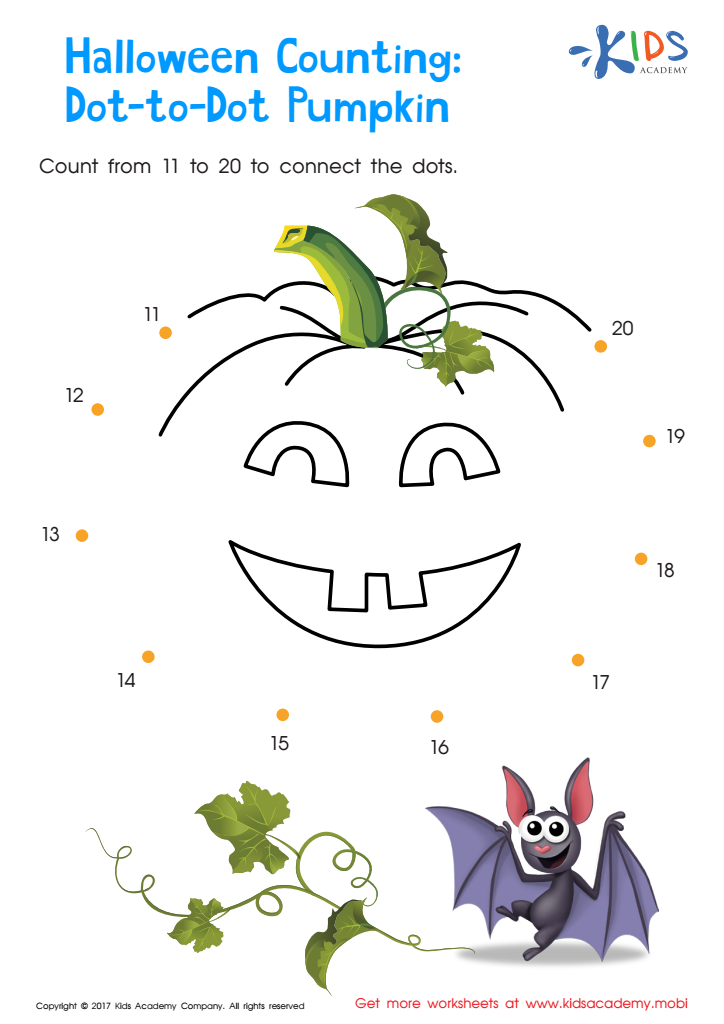
Ordering 11–20: Halloween Counting Worksheet
 Assign to My Students
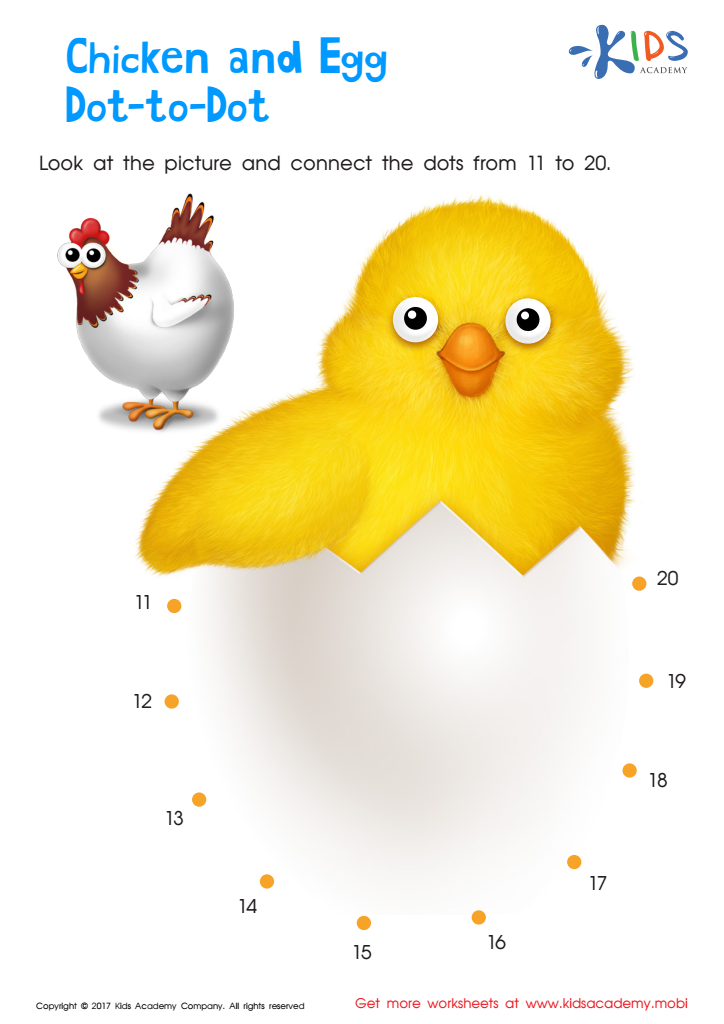
Ordering 11–20: Chicken & Egg Dot–to–dot Worksheet
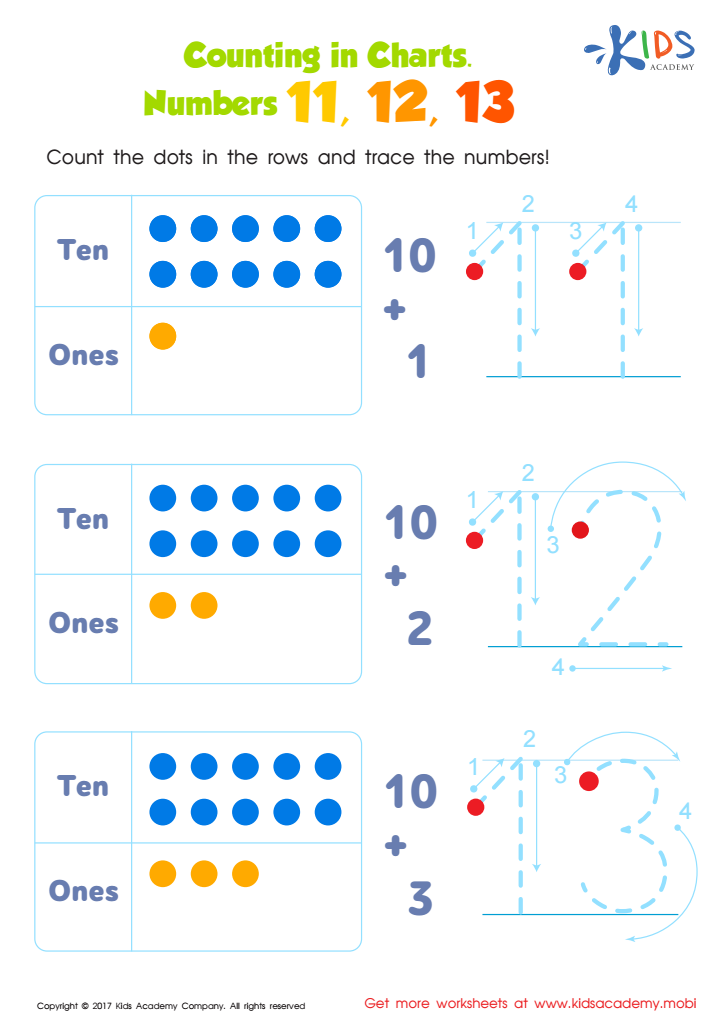
Number Tracing Worksheet For Kindergarten
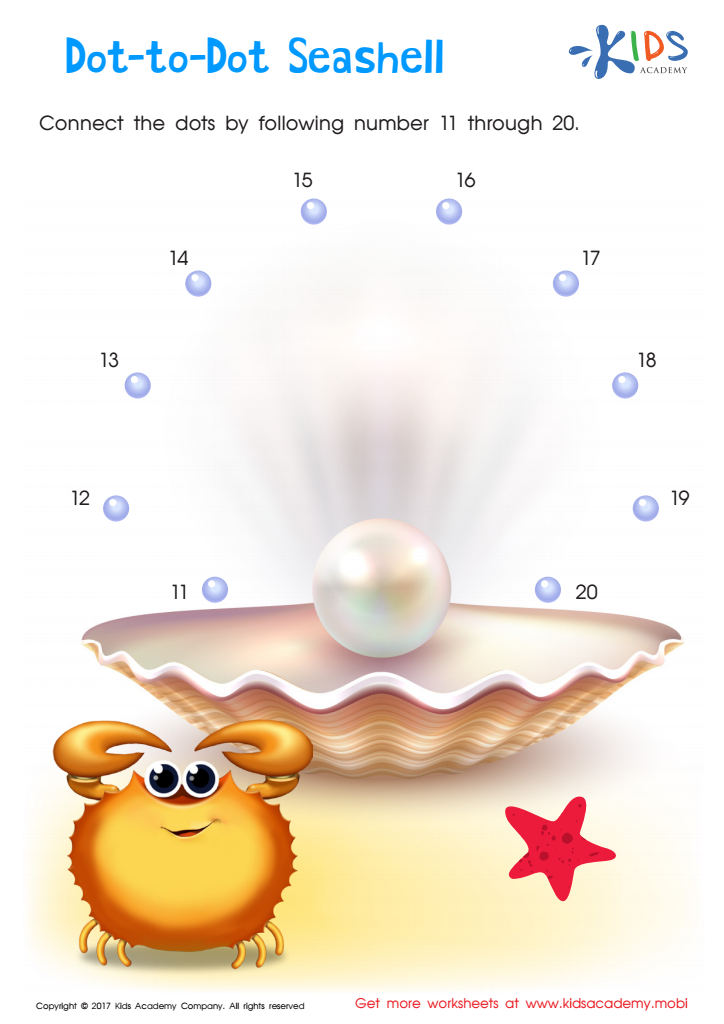
Ordering 11–20: Dot–to–dot Seashell Printable



Fine motor skills are essential for children aged 5-6 as they lay the foundation for many everyday tasks, such as writing, cutting, and buttoning clothing. Understanding numbers 11-20 is crucial in this developmental stage, and the integration of fine motor skill activities can enhance learning in a fun and engaging manner. Activities such as tracing, manipulating clay, or using tweezers to move small objects can develop hand-eye coordination and grip strength, making numeral writing easier and more controlled.
Parents and teachers should care because these skills not only aid in mathematical understanding but also boost overall confidence and independence in young learners. Children who engage in fine motor skill activities are more likely to show proficiency in school tasks relating to number recognition, counting, and basic operations.
By incorporating fine motor activities with number learning, educators and parents can create a more holistic approach to early education, fostering both skill development and a love for learning. Ensuring that children master fine motor skills alongside mathematical concepts helps them build a solid foundation for future academic success, enhancing problem-solving abilities, creativity, and cognitive development. As such, supporting fine motor skill growth becomes vital at this important developmental stage.