Sequencing Skills Easy Reading Worksheets for Ages 5-6
3 filtered results
-
From - To
Enhance your child's reading comprehension with our "Sequencing Skills Easy Reading Worksheets" designed specifically for ages 5-6. These engaging worksheets help young learners understand the order of events in stories, a crucial skill for developing critical thinking and narrative skills. Each worksheet features colorful illustrations and simple, appealing text that captivates children’s attention while promoting learning through play. With a variety of activities tailored for early readers, kids will enjoy connecting story sequences and enhancing their cognitive abilities. Perfect for at-home practice or classroom use, our worksheets make sequencing fun and accessible, laying a solid foundation for future reading success!
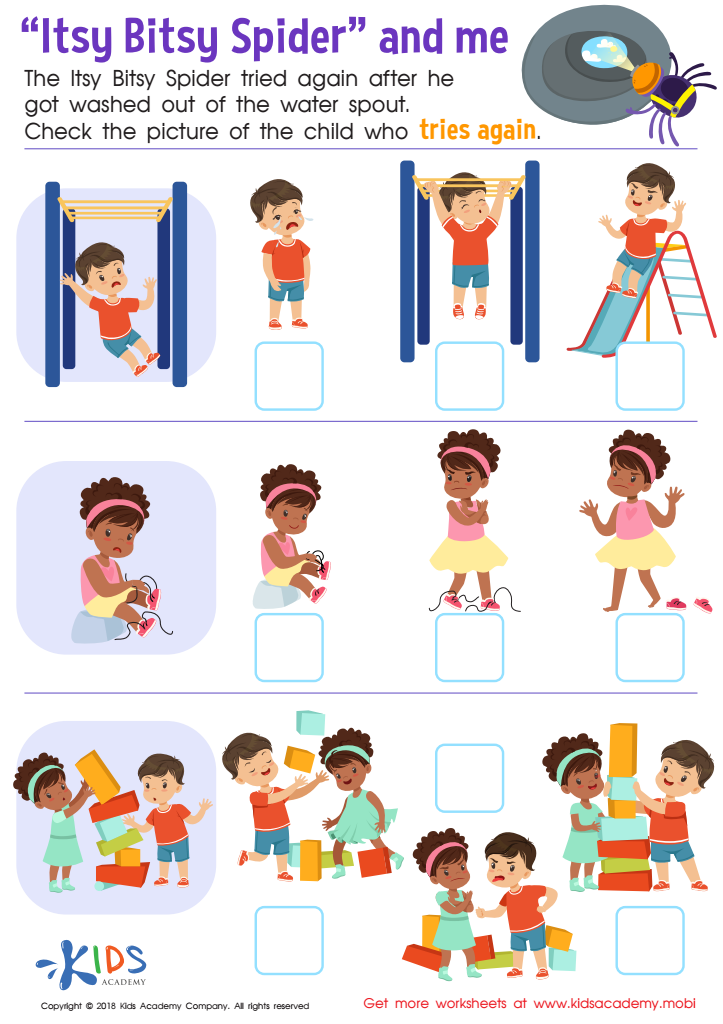
Itsy Bitsy Spider and Me Worksheet
 Assign to My Students
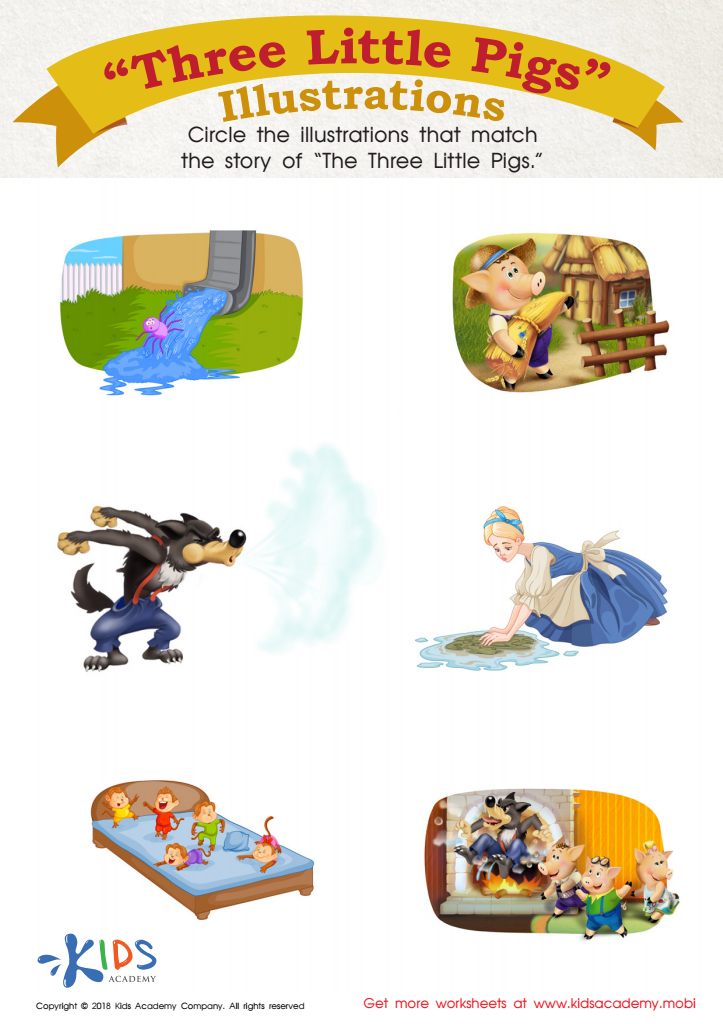
Three Little Pigs: Illustrations Worksheet
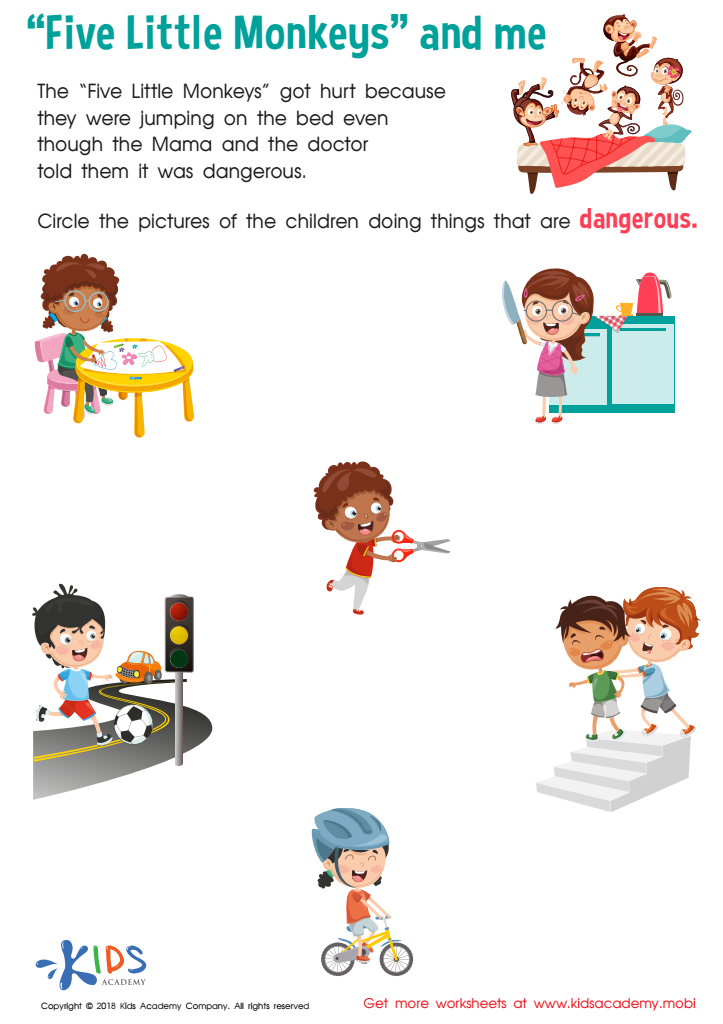
Five Little Monkeys and Me Worksheet







Sequencing skills are fundamental for early readers, particularly for children aged 5-6. These skills help children understand the order of events in a story, which is crucial for comprehension. When young learners grasp sequencing, they can better follow narratives, identify main ideas, and predict outcomes, laying a solid foundation for their reading development.
At this age, stories often consist of clear sequences—first, next, then, and last—elements that guide children through the text. By focusing on sequencing, teachers and parents can help kids develop cognitive skills such as memory, attention, and critical thinking. Engaging with sequencing challenges—like arranging story cards or retelling stories in logical order—can enhance these cognitive abilities while making reading a fun and interactive experience.
Furthermore, mastering sequencing has broader implications outside of literacy. It cultivates skills necessary for daily activities and problem-solving by encouraging children to organize thoughts and actions in a logical manner. Hence, investing time in improving sequencing skills during these formative years can significantly contribute to a child’s academic success and overall development, making it a worthy focus for both parents and educators.