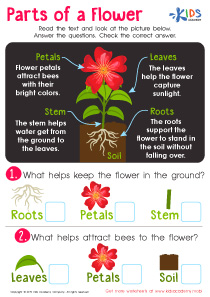
Cognitive Development Easy Reading Fiction Worksheets for Ages 5-6
2 filtered results
-
From - To
Enhance your child's cognitive development with our engaging Easy Reading Fiction Worksheets designed for ages 5-6. These worksheets combine fun narratives and interactive exercises that stimulate young minds and foster critical thinking skills. Children will explore story comprehension, character analysis, and sequencing in a way that's suitable for their age. Each worksheet is crafted to encourage creativity, improve vocabulary, and develop early reading abilities through enjoyable activities. Perfect for parents and teachers looking to support literacy foundations, these resources are available for easy download and use. Foster a love for reading while aiding cognitive growth with our thoughtfully designed materials!
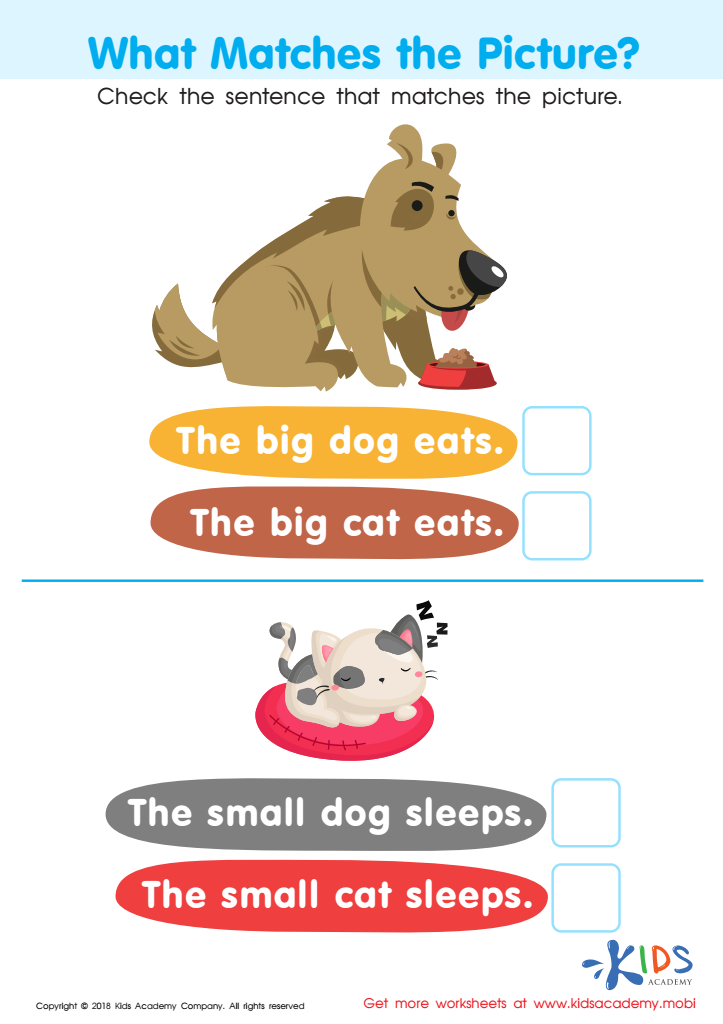
What Matches the Picture? Worksheet
 Assign to My Students
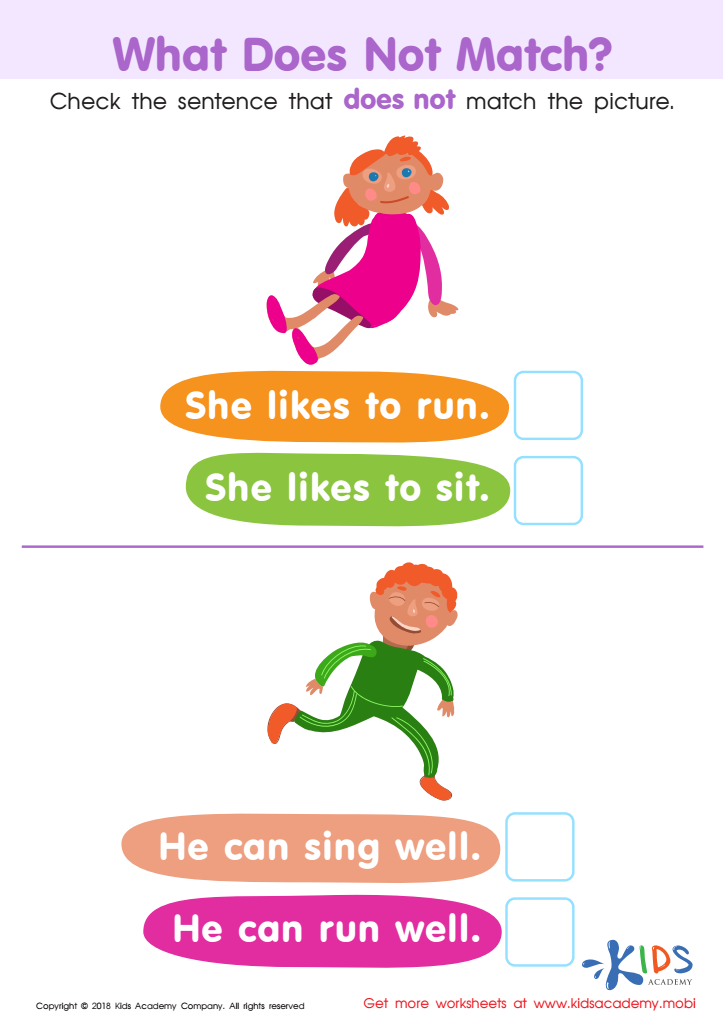
What Does Not Match? Worksheet



.jpg)




Cognitive development in early childhood is a critical phase that shapes how children think, learn, and interact with the world. For children aged 5-6, easy reading fiction can play an essential role in this development. It stimulates young minds by introducing new concepts, expanding vocabulary, and enhancing comprehension skills. Through storytelling, children learn to make connections, analyze characters' motives, and predict outcomes, fostering critical thinking.
Easy reading fiction also encourages imagination and creativity. When children engage with stories, they visualize scenarios, creating mental images that boost their ability to think abstractly. Additionally, narratives often provide moral lessons or social cues, promoting emotional intelligence and empathy as children relate to different characters and their experiences.
For teachers and parents, integrating easy reading fiction into a child's routine nurtures a love for reading, which is foundational for academic success. It creates a process for bonding—whether through shared reading sessions or discussions about the plot—which can strengthen relationships and foster communication skills.
Investing time in easy reading fiction not only enhances cognitive abilities but also lays the groundwork for lifelong learning, making it a vital resource for educators and parents concerned about holistic development in early childhood.