Critical Thinking Easy Reading Fiction Worksheets for Ages 5-6
6 filtered results
Difficulty Level
Grade
Age
-
From - To
Subject
Activity
Standards
Discover our engaging "Critical Thinking Easy Reading Fiction Worksheets" tailored for ages 5-6! These worksheets are designed to enhance young learners' comprehension and analytical skills through delightful stories. Each activity encourages children to think critically about the characters, plot, and themes while fostering a love for reading. With colorful illustrations and simple language, these worksheets make learning fun and accessible. Guided questions and interactive tasks stimulate discussion and imagination, helping children develop vital critical thinking skills at an early age. Perfect for homeschoolers and classrooms alike, our worksheets aim to inspire lifelong learning through the joy of fictional storytelling!
Favorites
With answer key
Interactive
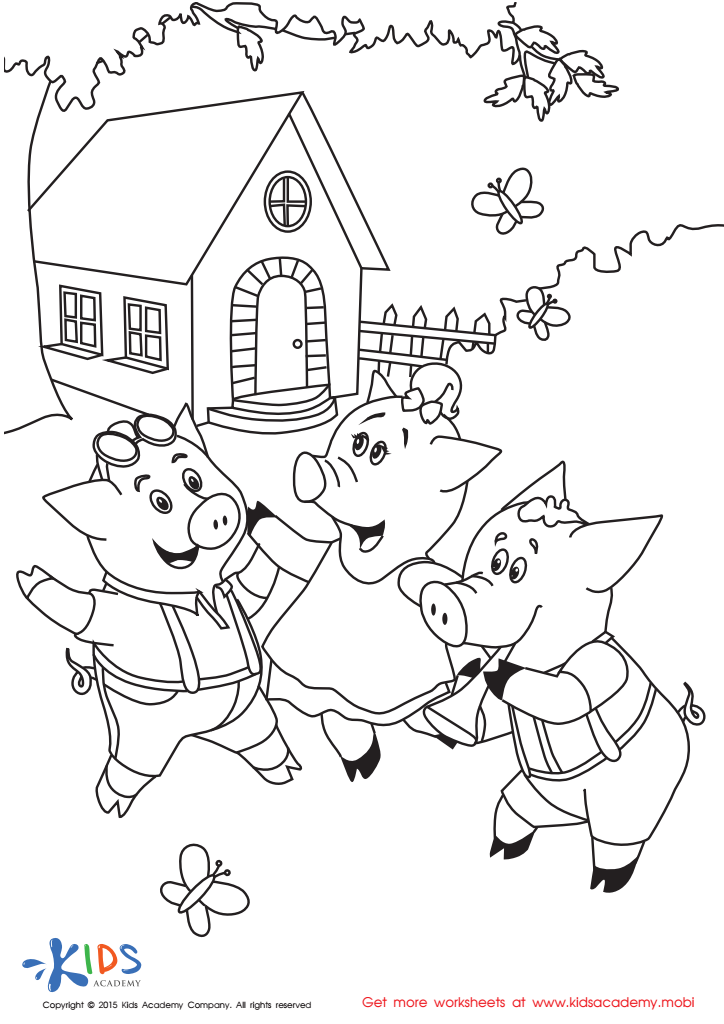
Folktales Printable PDF Worksheet: The 3 Little Pigs
Then, help your child to color the scene with pink piglets, blue sky and green grass. Make the brick house bright and vivid. Enjoy!
Download (PDF)
 Assign to My Students
Assign to My Students
Folktales Printable PDF Worksheet: The 3 Little Pigs
Worksheet
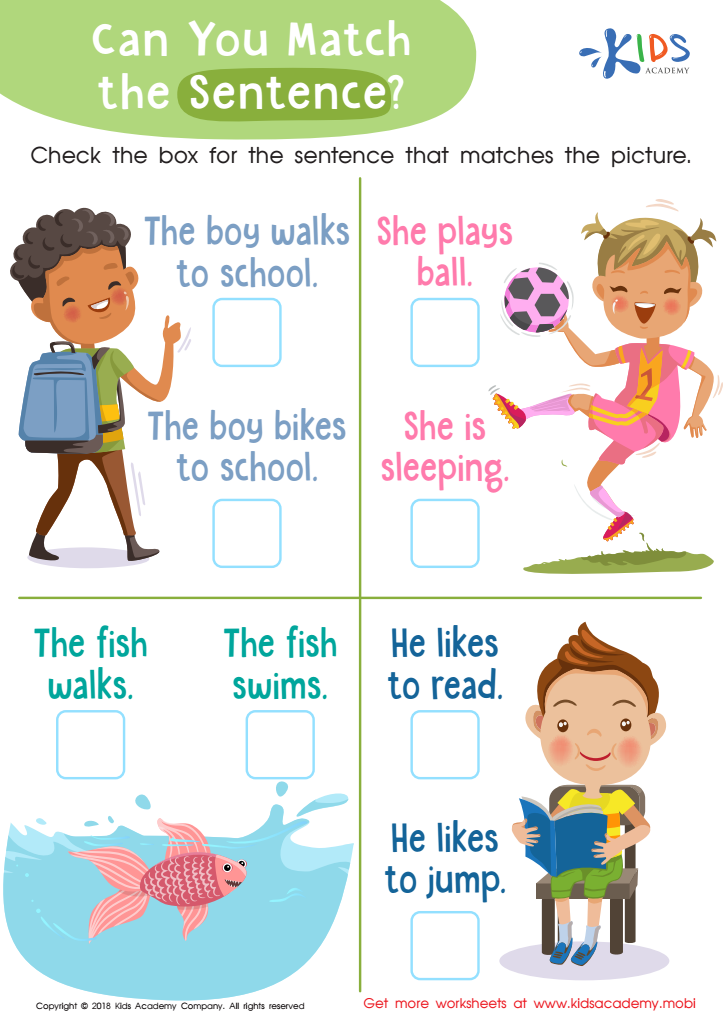
Can You Match the Sentence? Worksheet
Kids gain fluency with this worksheet which uses bright pictures. They select the sentence that matches the image and check the box. This repetition of words and phrases helps them improve their reading skills while having fun.
Can You Match the Sentence? Worksheet
Worksheet
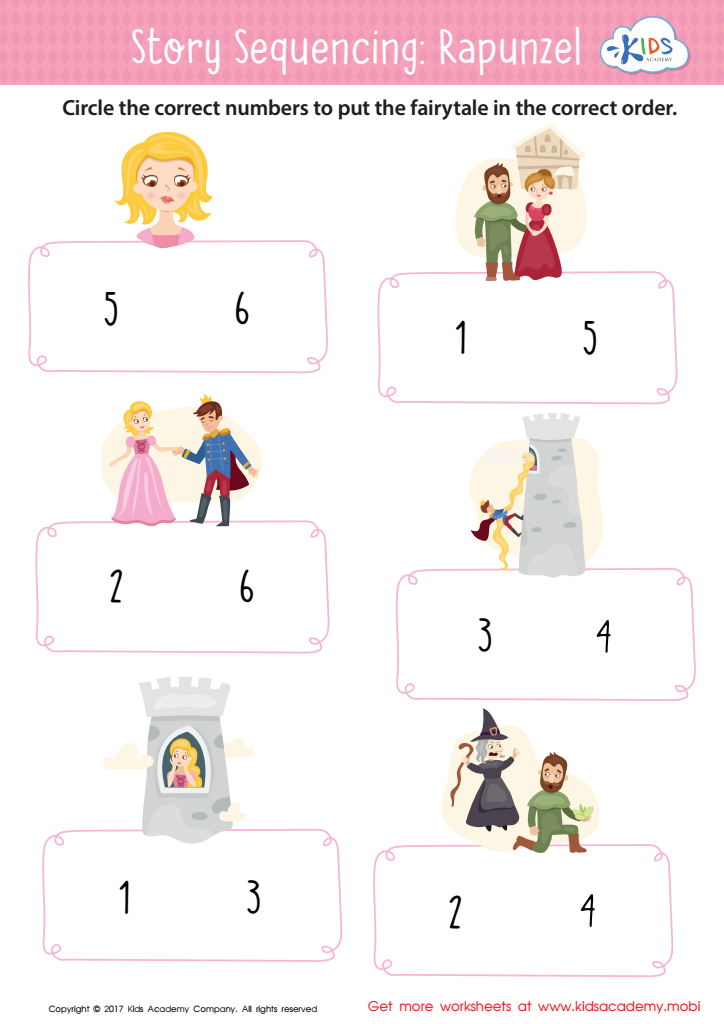
Rapunzel Story Sequencing Worksheet
Enhance your child's reading comprehension and help them sequence story events with this Rapunzel worksheet – it's thrilling and educational! Max 80 words.
Help your child develop their reading comprehension with this exciting Rapunzel story sequencing worksheet! Kids view pictures from the classic fairytale and number them in the right order, reinforcing their understanding of story events. Educational and entertaining!
Rapunzel Story Sequencing Worksheet
Worksheet
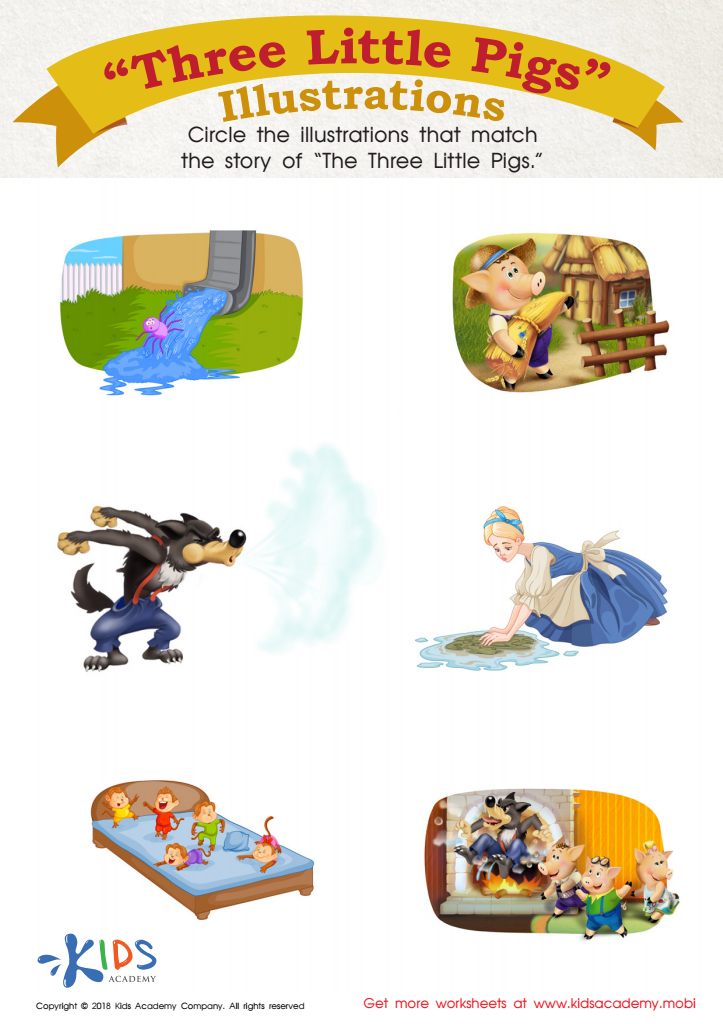
Three Little Pigs: Illustrations Worksheet
Fairy Tales are a great way for young children to learn about settings, characters and other fiction elements. This worksheet has illustrations from The Three Little Pigs, and lets your student use what they know and the visuals to match the story. It's a fun way for them to practice story recall and comprehension with illustrations.
Three Little Pigs: Illustrations Worksheet
Worksheet
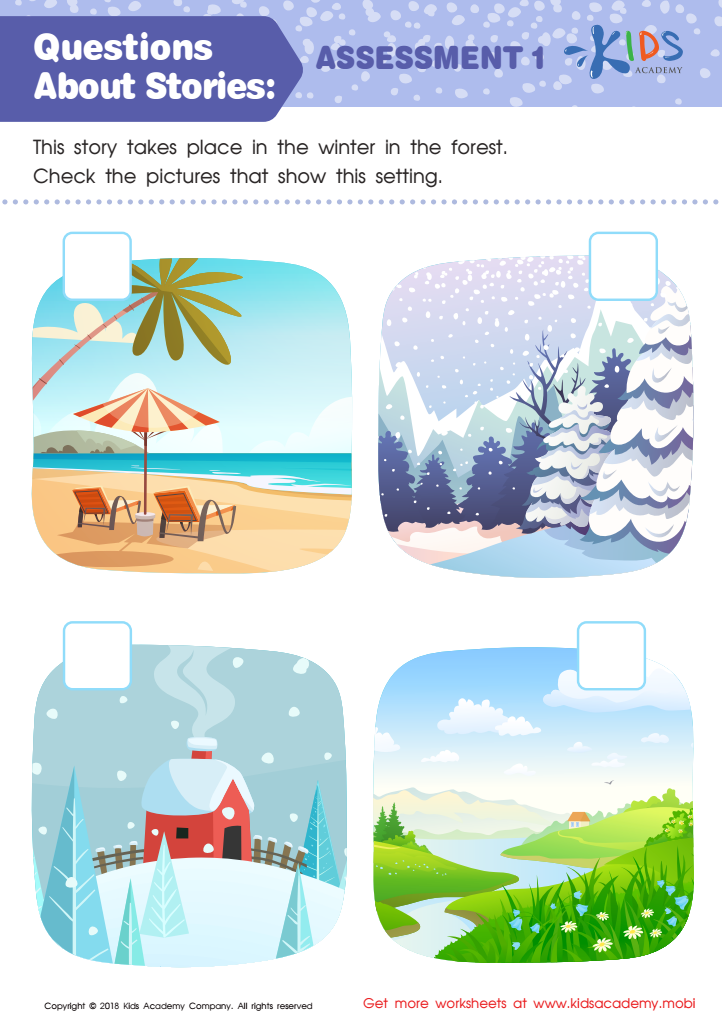
Questions About Stories: Assessment 1 Worksheet
Winter brings snow, cold, short days, and darkness. Schools can even close due to heavy snow. Ask your child what their favourite winter activities are and what color they associate with 'winter'. This worksheet takes place in a winter forest. Look at the 4 pictures with your child, and help them identify which one shows the correct setting.
Questions About Stories: Assessment 1 Worksheet
Worksheet
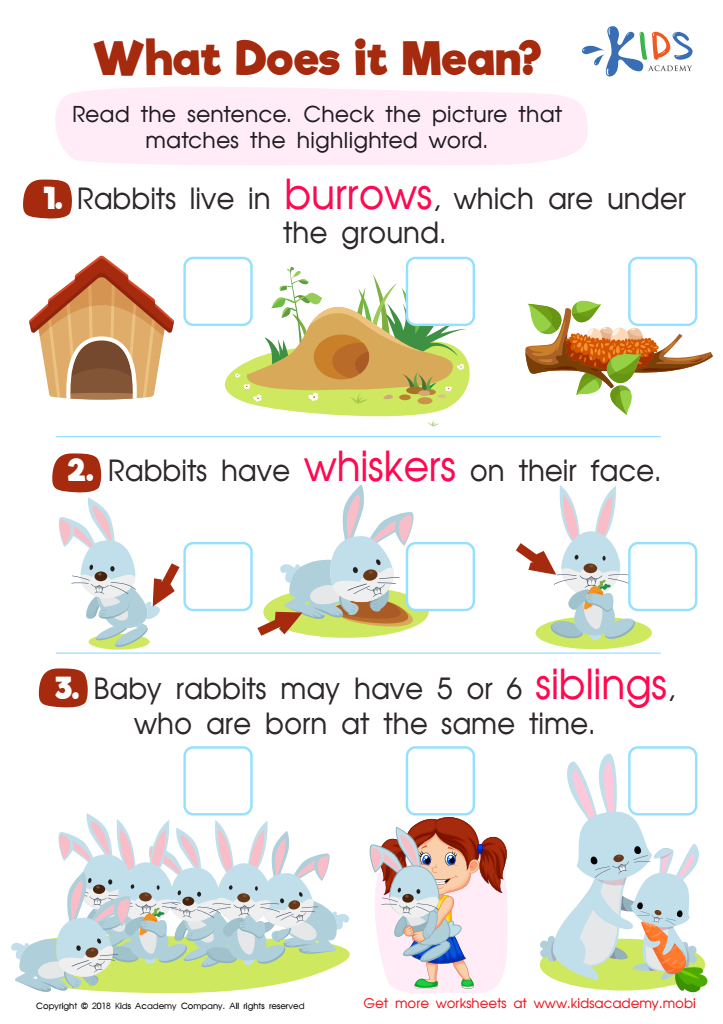
What Does It Mean? Worksheet
Teach your child to use context clues with this engaging Kids Academy worksheet. Read the sentences and find the pink-highlighted word. Use the other words in the sentence to figure out the meaning, then check the box next to the picture that represents it.
What Does It Mean? Worksheet
Worksheet
Join Kids Academy for Free
Who is primarily going to use this learning content?







Parents and teachers should prioritize Critical Thinking Easy Reading Fiction for ages 5-6 because it plays a vital role in developing essential cognitive skills during early childhood. At this age, children's brains are rapidly growing and are especially receptive to learning. Engaging them in fiction that promotes critical thinking encourages curiosity, creativity, and problem-solving abilities.
Books designed for young readers often present simple narratives that can introduce complex concepts, enabling children to analyze characters’ motivations, understand cause-and-effect relationships, and make predictions about story outcomes. As they evaluate situations in stories, children learn to think deeply and logically.
These reading materials also serve as excellent tools for enhancing language development. Critical thinking fiction fosters discussion, allowing parents and teachers to ask open-ended questions that prompt children to express their thoughts and opinions, articulate reasoning, and build vocabulary.
Moreover, cultivating critical thinking at this age lays a foundation for lifelong learning. It encourages children to approach challenges with an open mind, fostering resilience and adaptability. In an increasingly complex world, empowering young readers with the ability to think critically will enhance their success in school and later life, making it a worthwhile investment for educators and parents alike.