Sequencing Skills Easy Reading Fiction Worksheets for Ages 5-6
3 filtered results
-
From - To
Boost your child's reading comprehension with our "Sequencing Skills Easy Reading Fiction Worksheets" designed for ages 5-6. These engaging worksheets help young learners master the essential skill of identifying the order of events in a story. Through fun and interactive activities, children can enhance their understanding of narrative structure, making sense of storylines and improving retention. Each worksheet features colorful illustrations and age-appropriate text, ensuring a delightful and educational experience. Perfect for classrooms or home learning, our resources make it easy to foster a love for reading while developing critical thinking skills. Start your child's literary journey today!
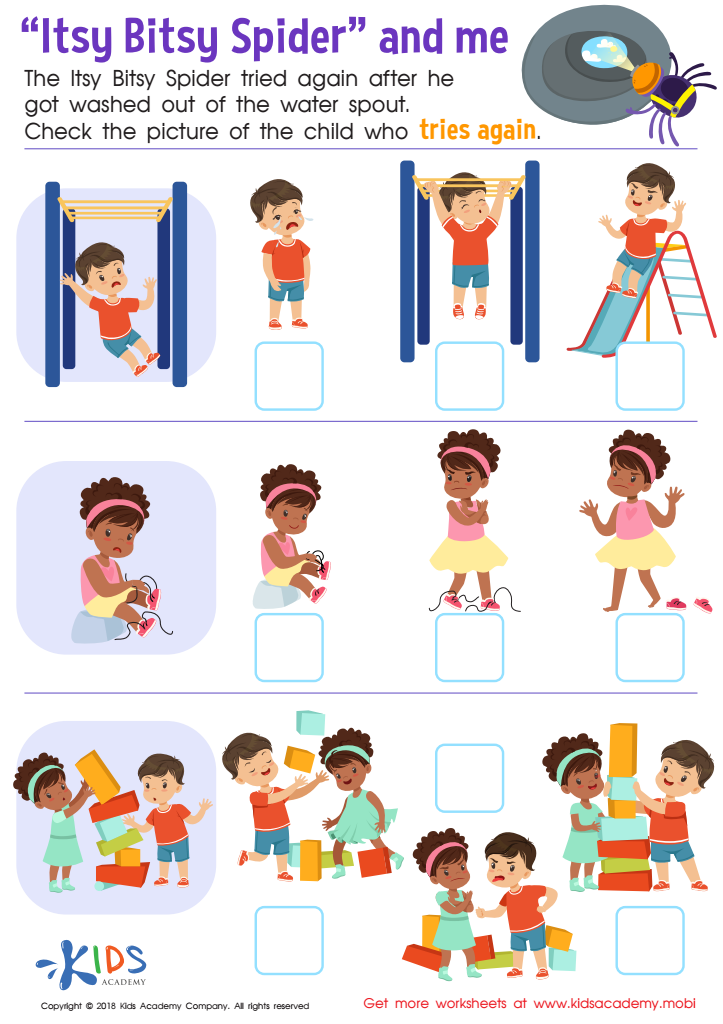
Itsy Bitsy Spider and Me Worksheet
 Assign to My Students
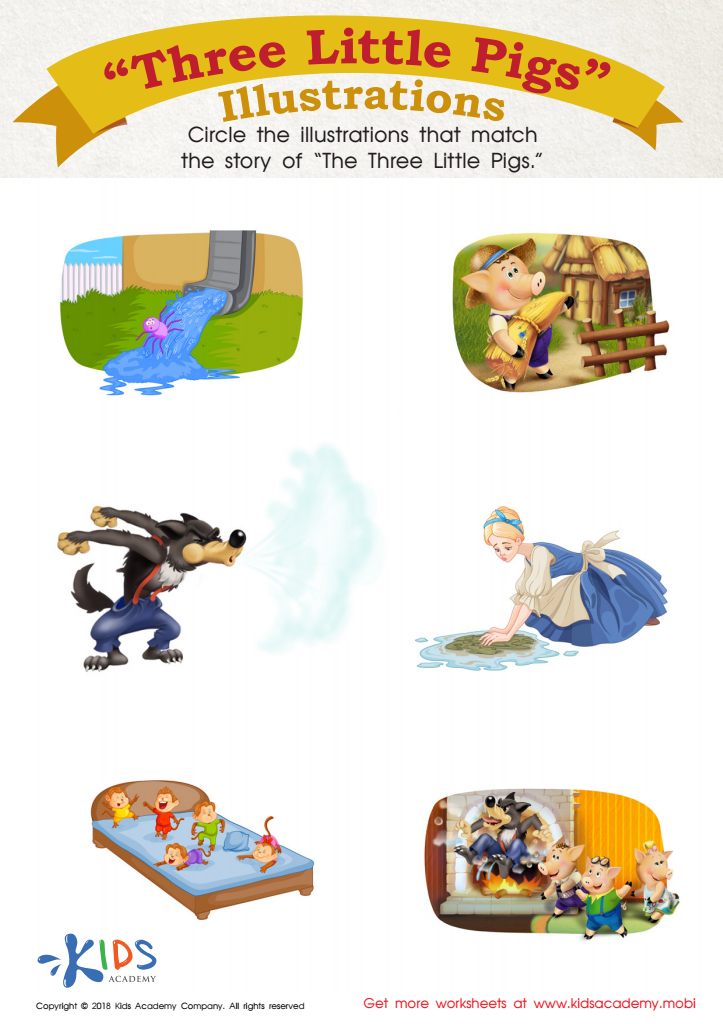
Three Little Pigs: Illustrations Worksheet
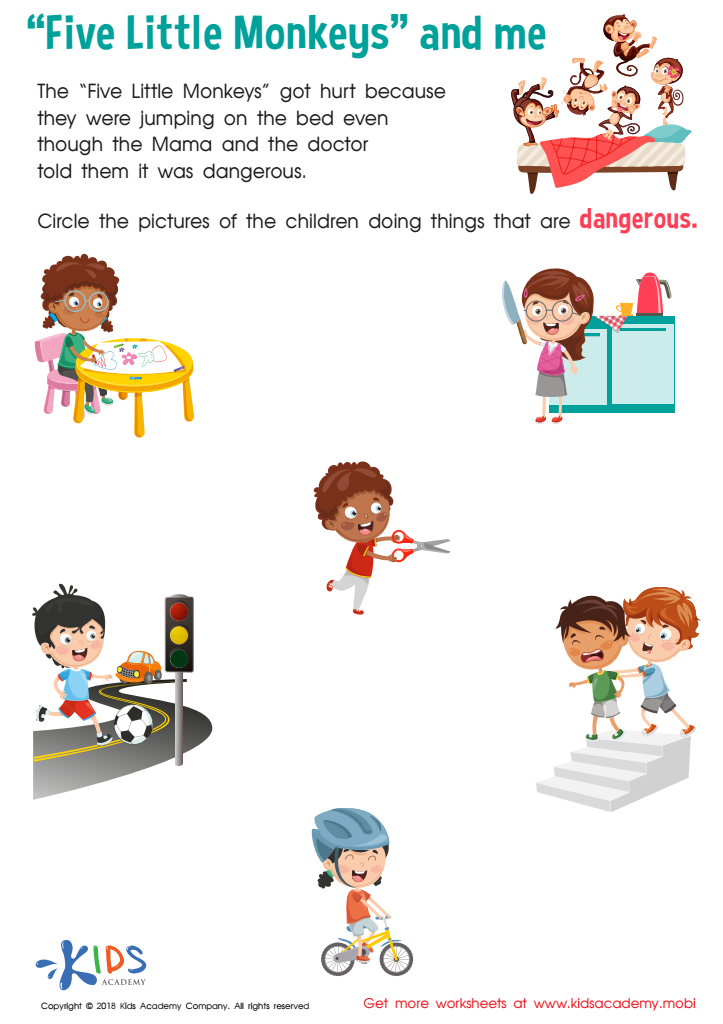
Five Little Monkeys and Me Worksheet







Sequencing skills are essential for young learners, especially in reading fiction. For children aged 5-6, understanding the order of events in a story helps enhance their comprehension, retention, and overall reading enjoyment. When parents and teachers prioritize sequencing skills, they facilitate a child's ability to recall and narrate stories accurately, which directly supports literacy development.
Additionally, mastering sequencing boosts cognitive abilities like critical thinking and problem-solving. These skills allow children to make predictions, draw conclusions, and understand cause and effect better. By engaging with stories in a sequential manner, engagement with texts becomes more intentional, aiding in fostering enthusiasm for reading and learning.
Moreover, sequencing skills can be applied beyond literature; they are vital in daily activities, critical for social interactions, and invaluable in academic success across subjects. When children can identify and organize events or instructions in order, they become more confident in their abilities to communicate and process information.
Lastly, easy reading fiction specifically designed for this age group introduces children to key vocabulary and language patterns. Developing sequencing skills through story-telling not only promotes literacy but also nurtures a lifelong love of reading. Overall, fostering these skills lays a solid foundation for future academic achievement.