Basic Math Skills Easy Worksheets for Ages 5-7 - Page 2
29 filtered results
-
From - To
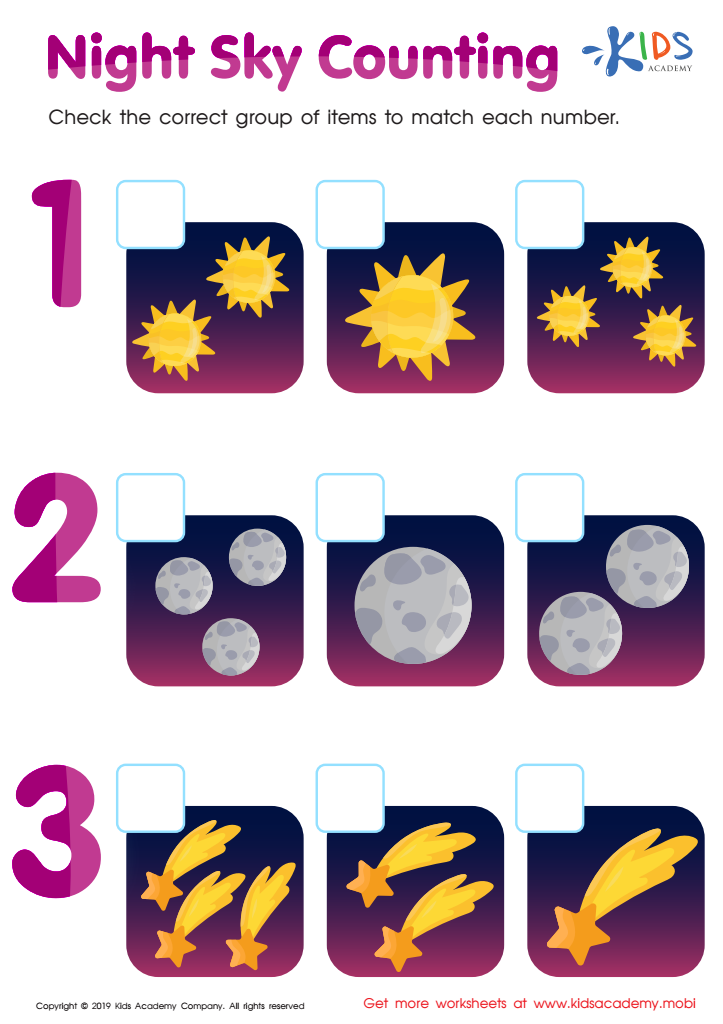
Night Sky Counting Worksheet
 Assign to My Students
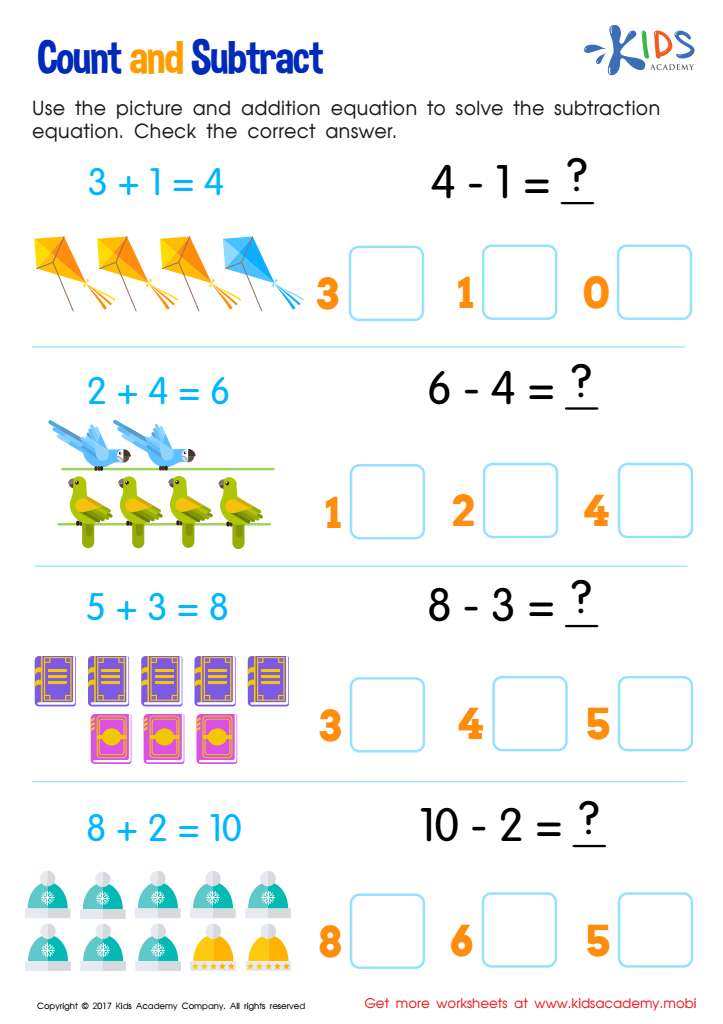
Count and Subtract Worksheet
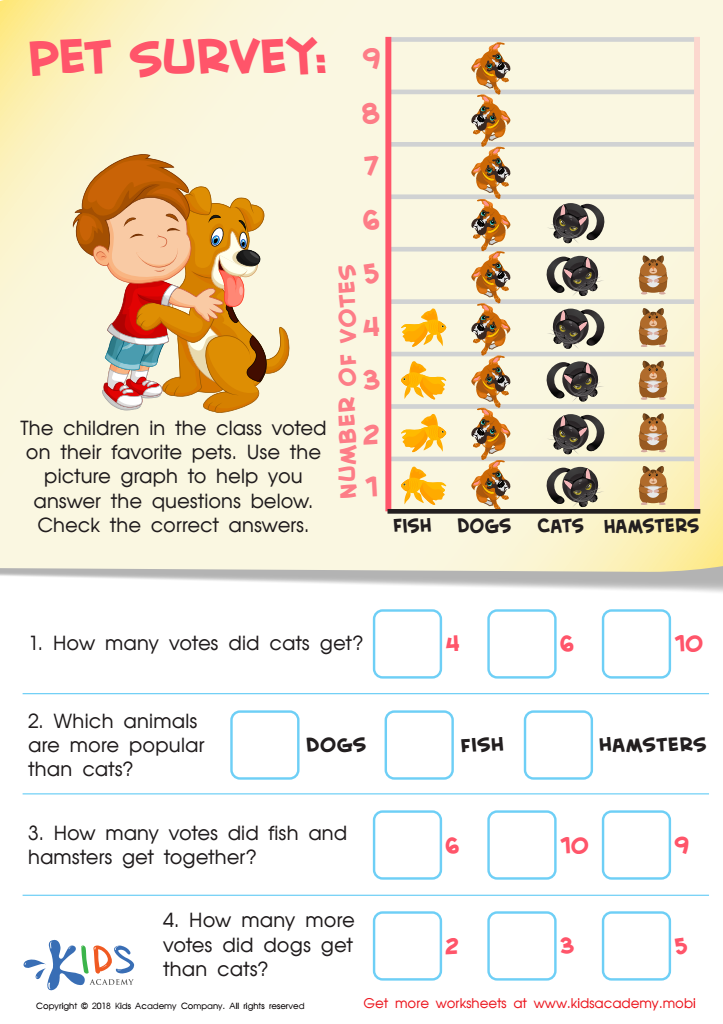
Pet Survey Worksheet
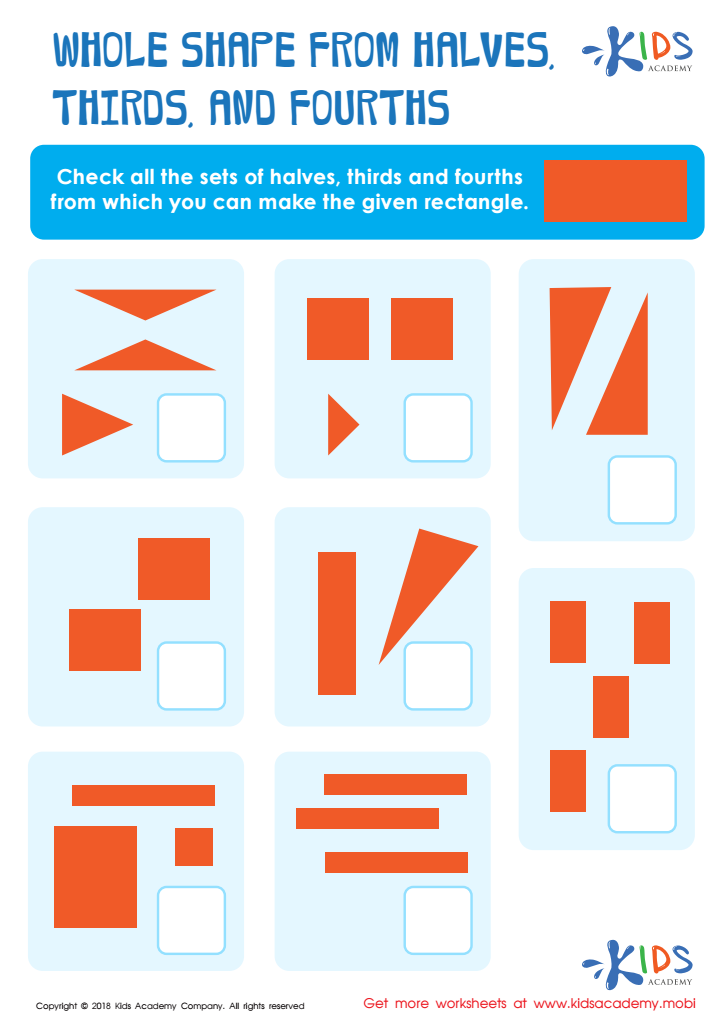
Whole Shape from Halves, Thirds and Fourths Worksheet
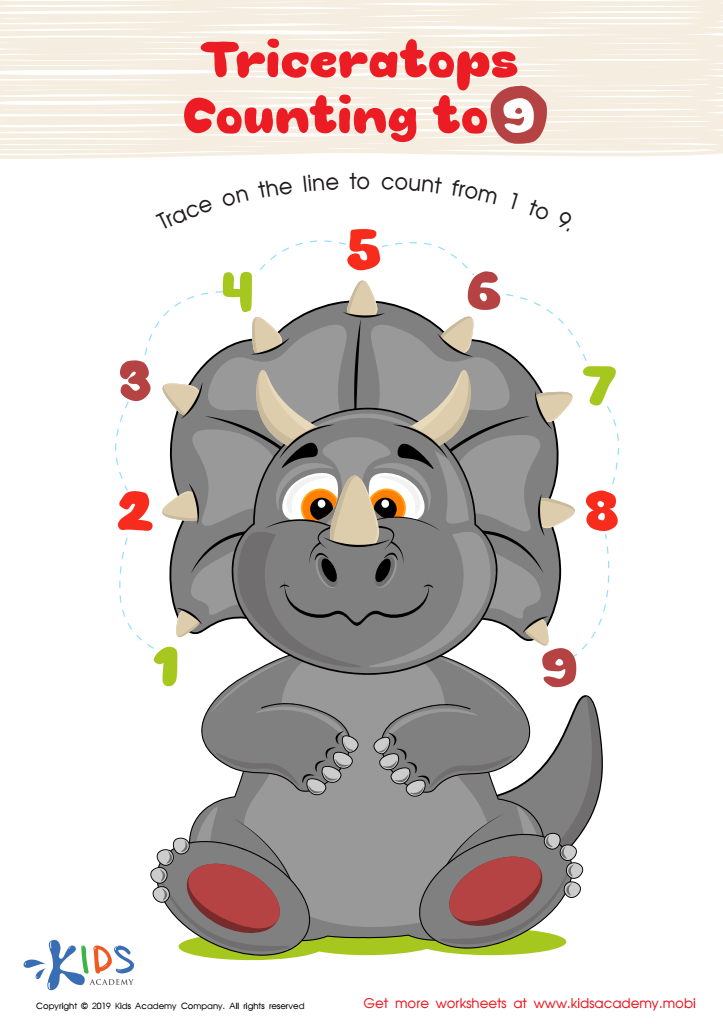
Triceratops Counting to 9 Worksheet








Basic math skills are foundational for children's educational and personal development, especially for ages 5-7 when they form essential cognitive and problem-solving abilities. Parents and teachers should care about these skills for several reasons. Firstly, early mathematics comprehension lays the groundwork for more advanced concepts in later years, making future learning easier and more accessible. When children grasp addition, subtraction, and basic geometry early on, they are less likely to struggle academically in the future.
Moreover, basic math skills also contribute to critical thinking and decision-making abilities. Through hands-on activities and real-life problem-solving, children learn to analyze situations, make informed choices, and develop logical thinking—a skill invaluable throughout their lives.
Additionally, reinforcing these skills at a young age encourages confidence and a positive attitude towards mathematics. Children who view math as fun and engaging are more likely to pursue it in their advanced studies. Engaging parents in this journey also fosters a supportive home environment, promoting collaboration and reinforcing learning.
In summary, investing time and resources in developing basic math skills at an early age benefits children's academic success, personal growth, and lifelong enthusiasm for learning. Everyone involved in a child's education should prioritize and celebrate these foundational skills.








