Counting practice Easy Worksheets for Ages 5-7 - Page 2
29 filtered results
-
From - To
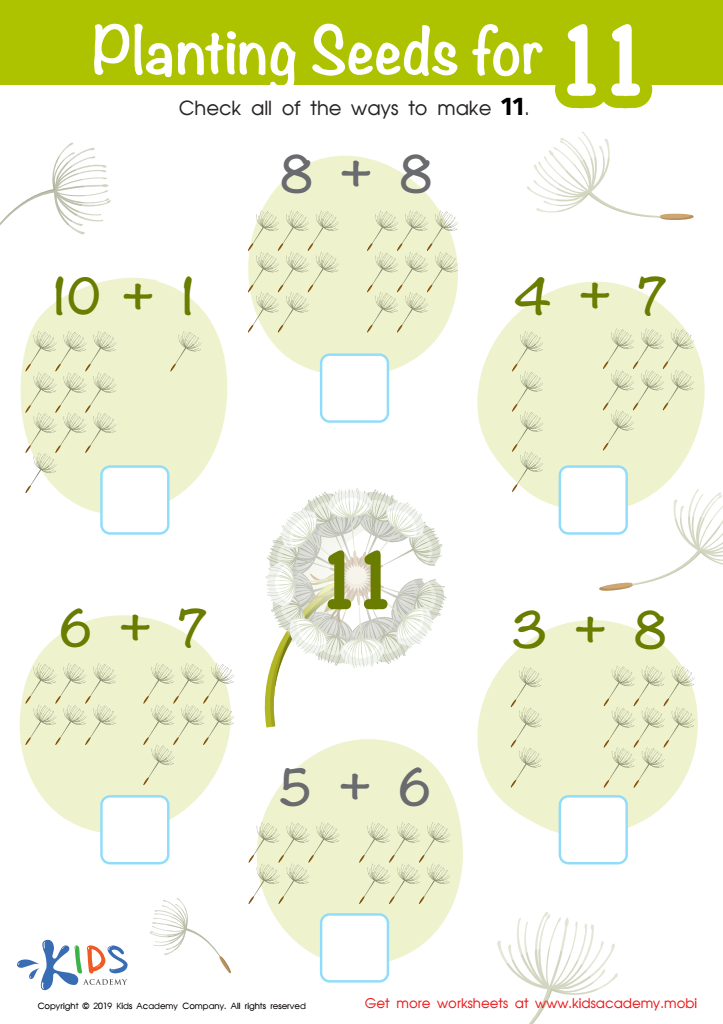
Planting Seeds for 11 Worksheet
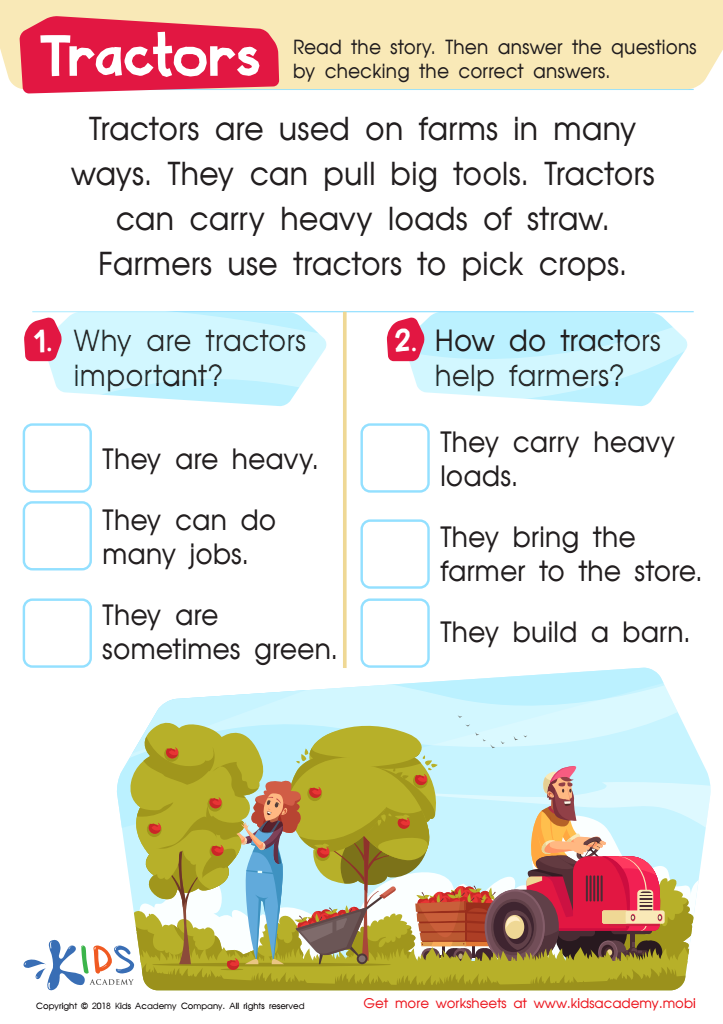
Tractors Worksheet
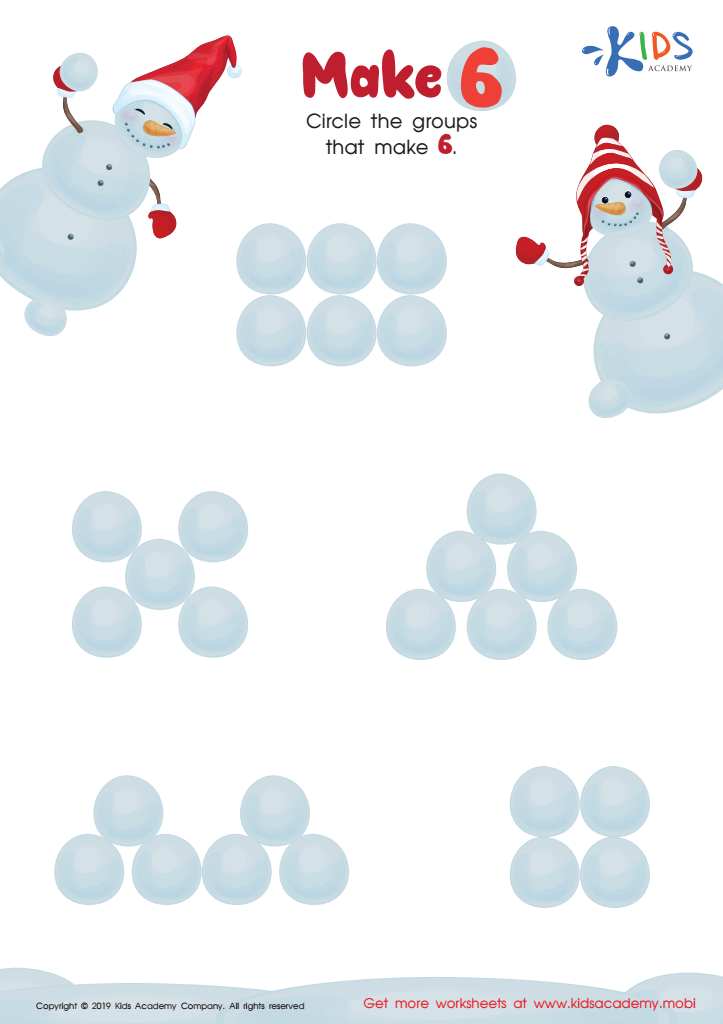
Make 6 Worksheet
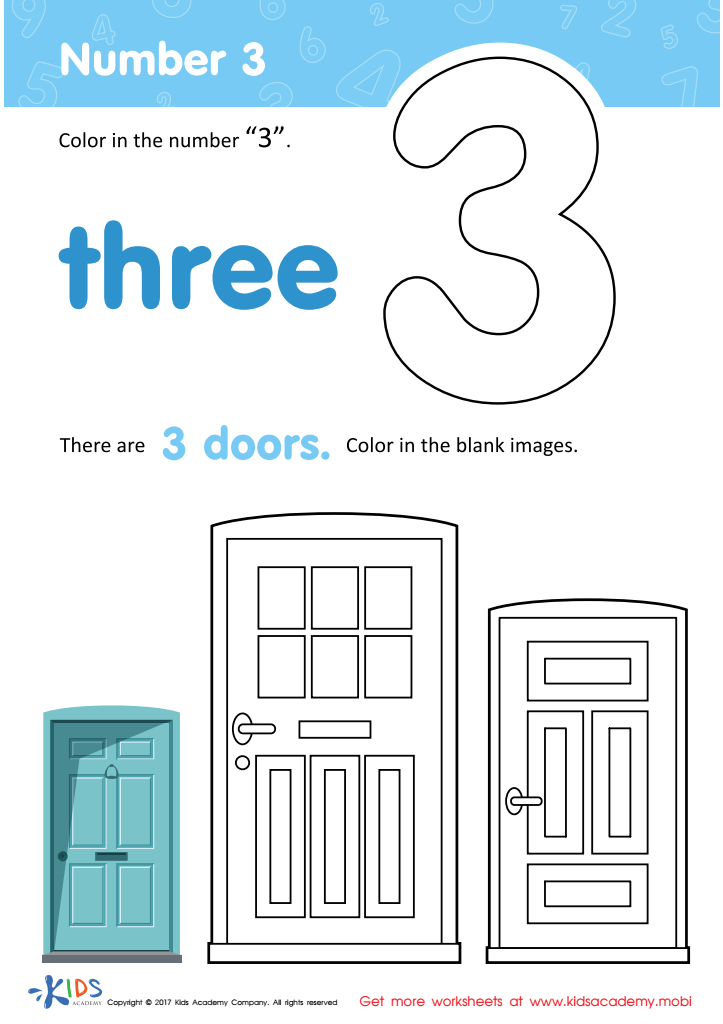
Number 3 Worksheet
 Assign to My Students

Counting on the City Skyline: Dot-to-Dot Worksheet






.jpg)

Counting practice is crucial for children aged 5 to 7, as it lays the foundation for essential mathematical skills and cognitive development. During these formative years, children develop number sense, which helps them understand quantity, comparison, and basic math operations. Engaging in counting activities fosters their ability to recognize numbers, understand patterns, and grasp the concept of one-to-one correspondence, where each object is counted accurately.
Parents and teachers should care about counting practice because it contributes not only to mathematical proficiency but also to critical thinking skills. Through repeated counting exercises, children begin to develop problem-solving abilities and enhance their focus and attention span. Counting can be integrated into everyday activities, making it a fun and interactive learning experience—whether through counting steps, snacks, or toys.
Moreover, a strong foundation in counting sets the stage for future academic success in subjects beyond math, such as science and even reading comprehension, where sequencing plays a role. By prioritizing counting practice, parents and teachers provide children with the tools they need for lifelong learning and confidence in their abilities, equipping them to tackle more complex concepts as they progress in school.








