Sorting skills Easy Worksheets for Ages 5-7
5 filtered results
-
From - To
Welcome to our "Sorting Skills Easy Worksheets for Ages 5-7" page, designed to enhance your child's sorting abilities through fun and engaging activities! These worksheets introduce young learners to essential categorization concepts, helping them identify similarities and differences in various objects, shapes, and colors. By practicing sorting skills, children will develop critical thinking, fine motor skills, and organization in a playful way. Each worksheet features vibrant illustrations that captivate young minds and stimulate their imagination. Perfect for home or classroom use, these worksheets make learning enjoyable while laying a solid foundation for more advanced skills. Explore our resources and support your child's growth today!
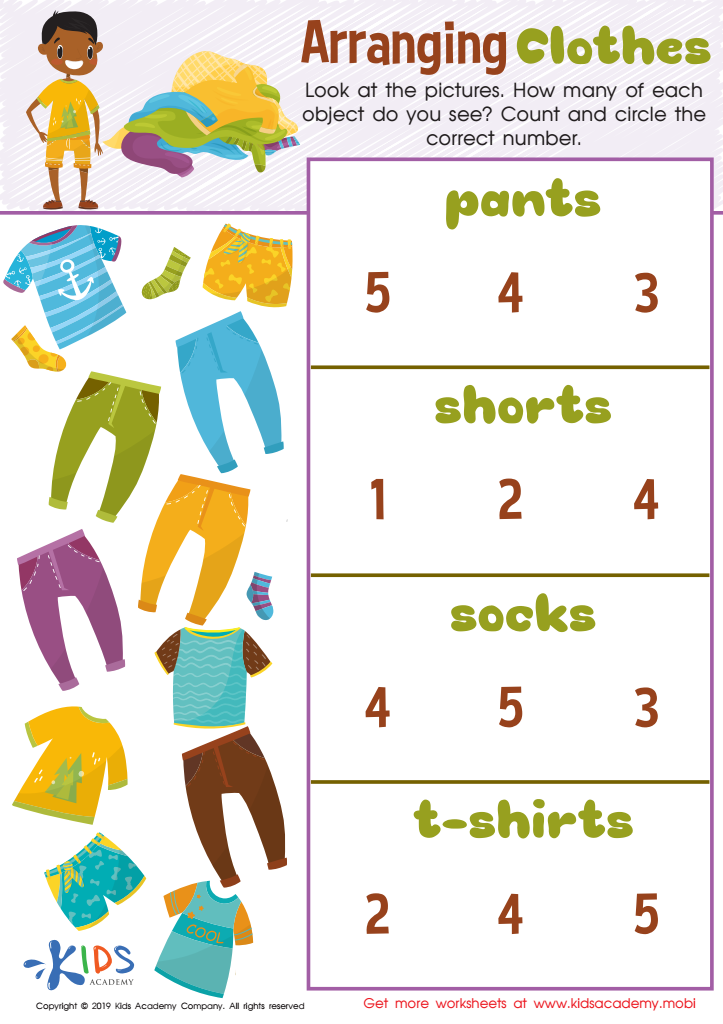
Arranging Clothes Worksheet
 Assign to My Students
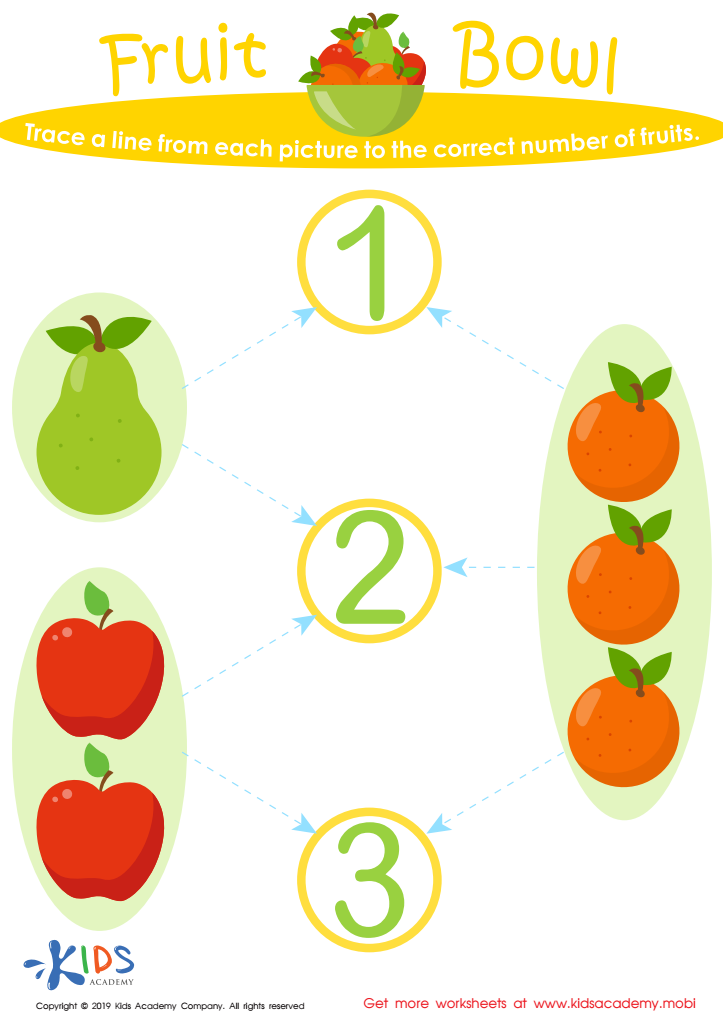
Fruit Bowl Worksheet
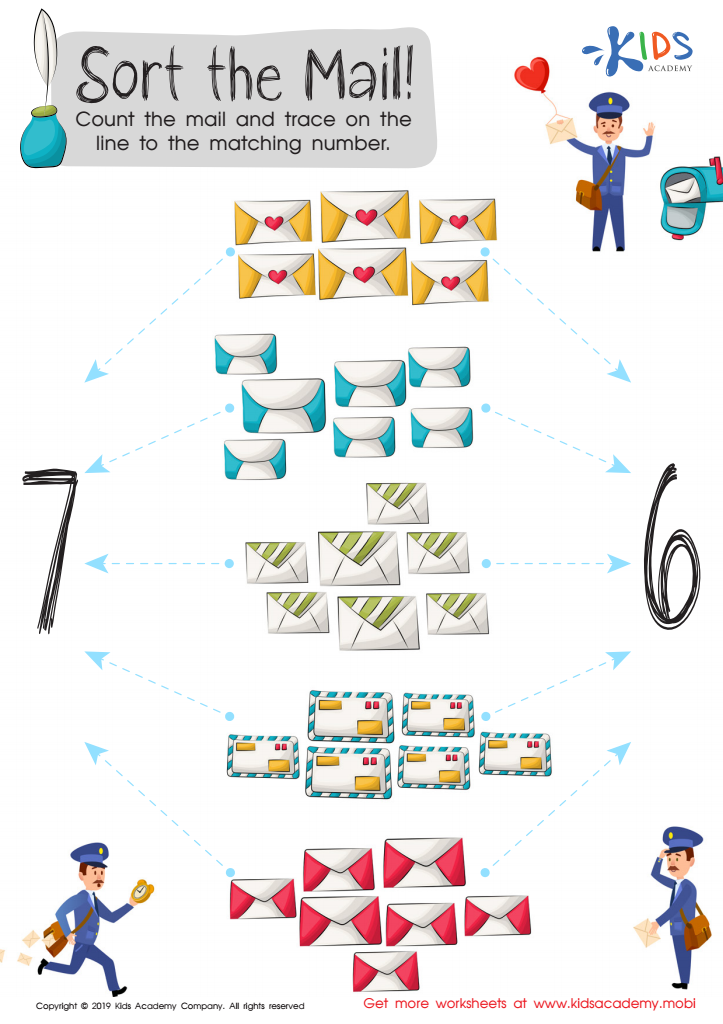
Sort the Mail Worksheet
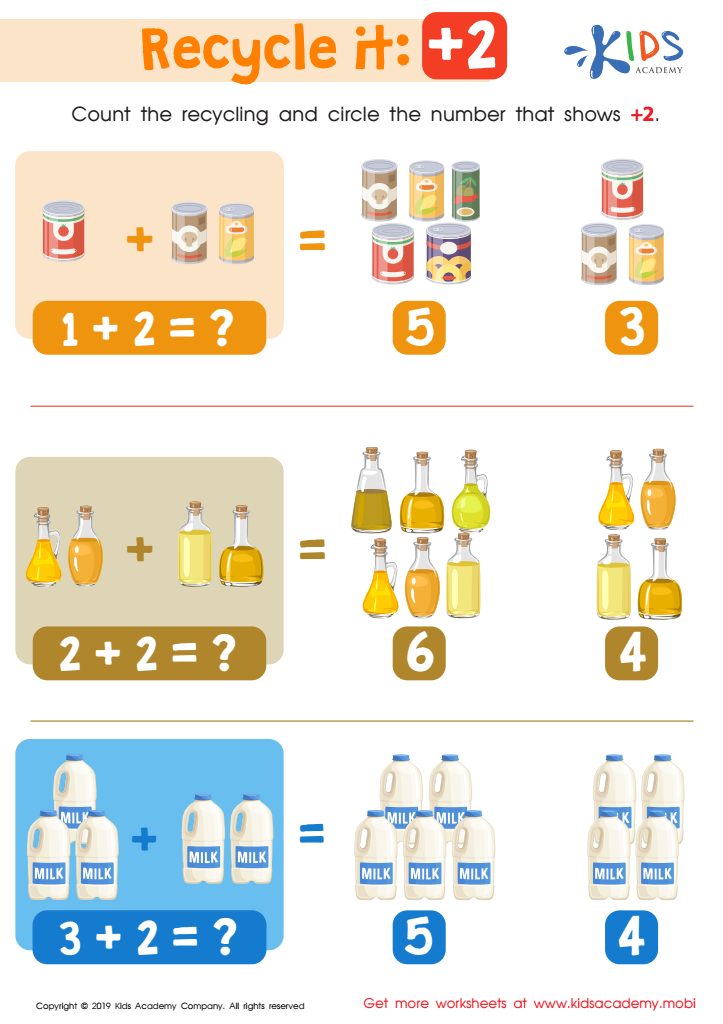
Recycle It: +2 Worksheet
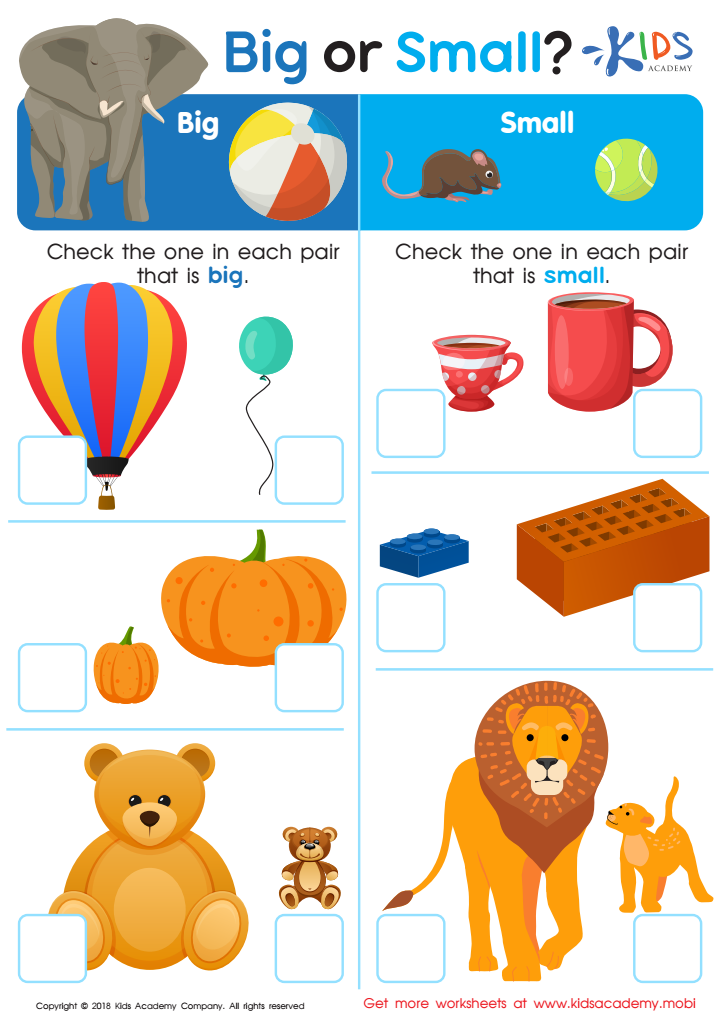
Big or Small? Worksheet



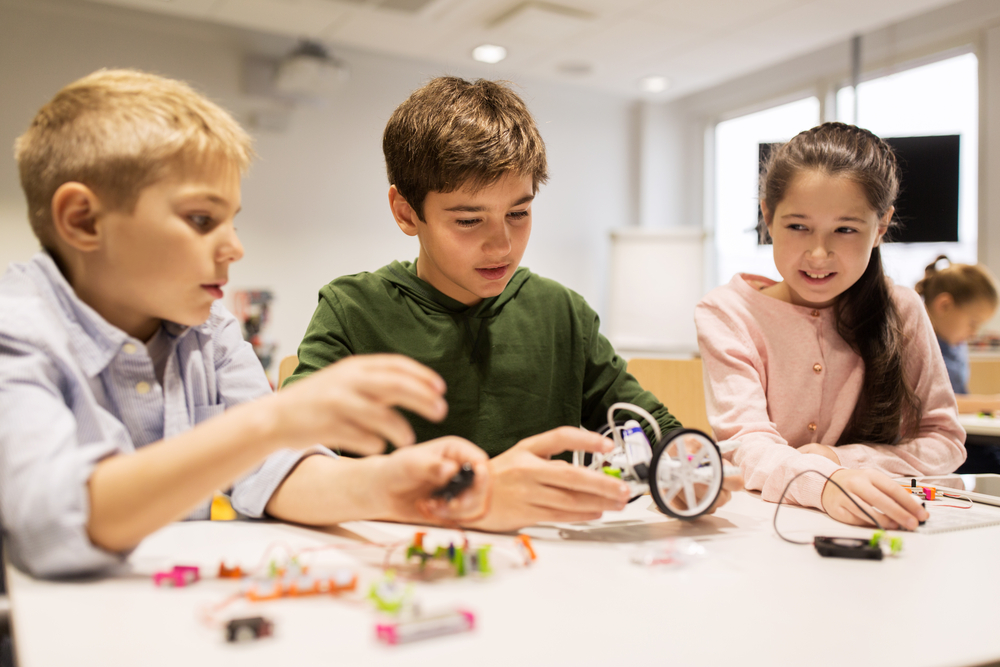




Sorting skills are foundational for young children's cognitive development, making them essential for parents and teachers to prioritize. For children aged 5-7, sorting is not just about organizing objects; it fosters critical thinking, problem-solving, and enhances their understanding of categories and relationships. When children sort items based on attributes like color, shape, or size, they learn to recognize patterns and similarities, aiding their overall cognitive development.
Moreover, sorting activities improve fine motor skills as children manipulate objects, which is beneficial for their hand-eye coordination and dexterity. These skills translate into everyday tasks, such as writing and using tools. Additionally, sorting helps children develop mathematical concepts, such as grouping and counting, laying the groundwork for more complex subjects like math and science.
Engaging in sorting activities also supports language development. As children explain their sorting process and categories, they expand their vocabulary and express their thoughts clearly. Furthermore, sorting fosters social skills when done in groups, as children learn to collaborate, negotiate, and communicate effectively.
Ultimately, enhancing sorting skills in young children supports their holistic development, fostering confidence and independence as they progresses through their educational journey. Parents and teachers play a vital role in facilitating these experiences, ensuring children are well-equipped for future learning.








