Story comprehension Easy Worksheets for Ages 5-7
3 filtered results
-
From - To
Unlock the joy of reading with our engaging “Story Comprehension Easy Worksheets” designed specifically for children ages 5-7! These worksheets are perfect for young learners, helping them develop essential comprehension skills through fun and interactive exercises. Each worksheet features age-appropriate stories followed by questions that encourage kids to think critically and express their understanding. By building vocabulary and enhancing listening skills, our worksheets foster a love for reading in a playful format. Ideal for classroom activities or at-home learning, these resources support children in becoming confident readers. Boost their comprehension skills today with our captivating and easy-to-use worksheets!
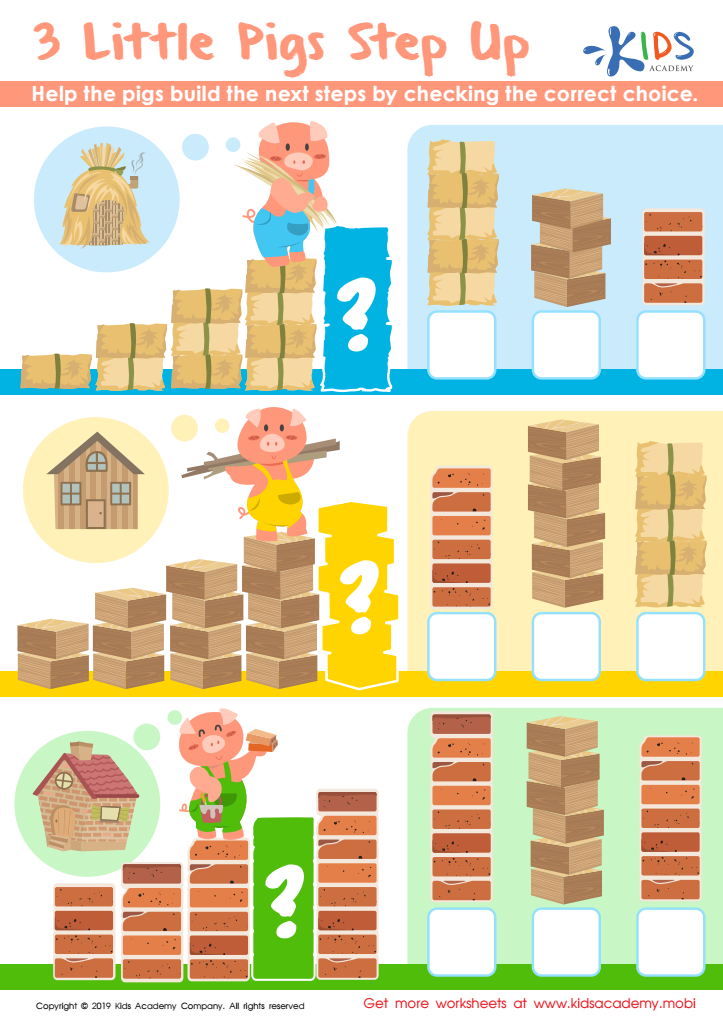
3 Little Pigs Step Up Worksheet
 Assign to My Students
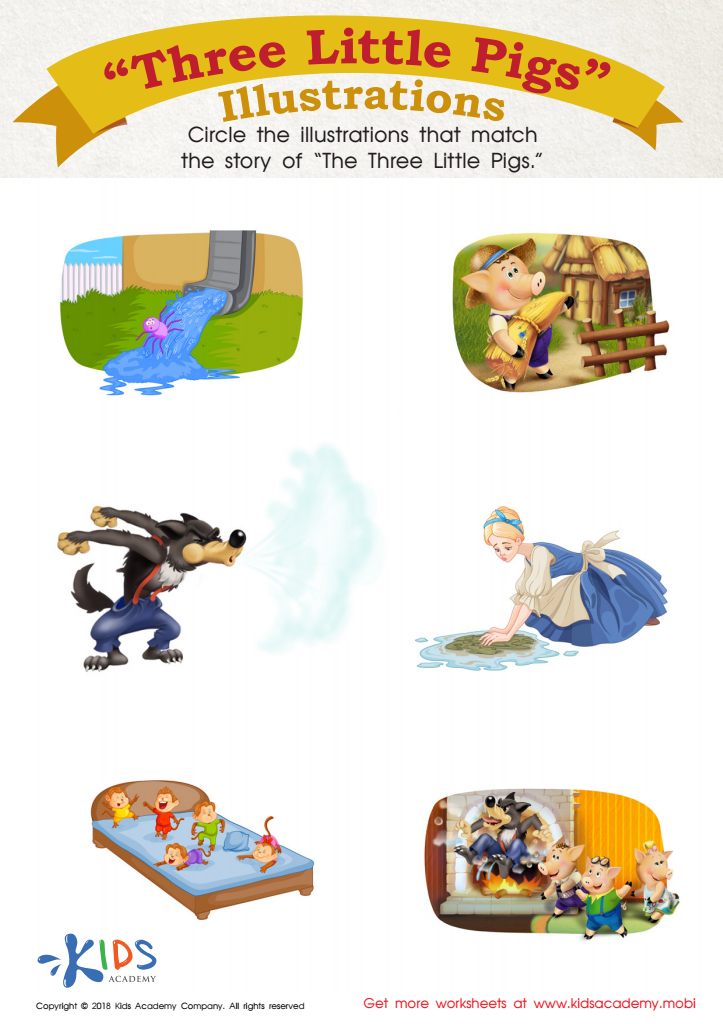
Three Little Pigs: Illustrations Worksheet
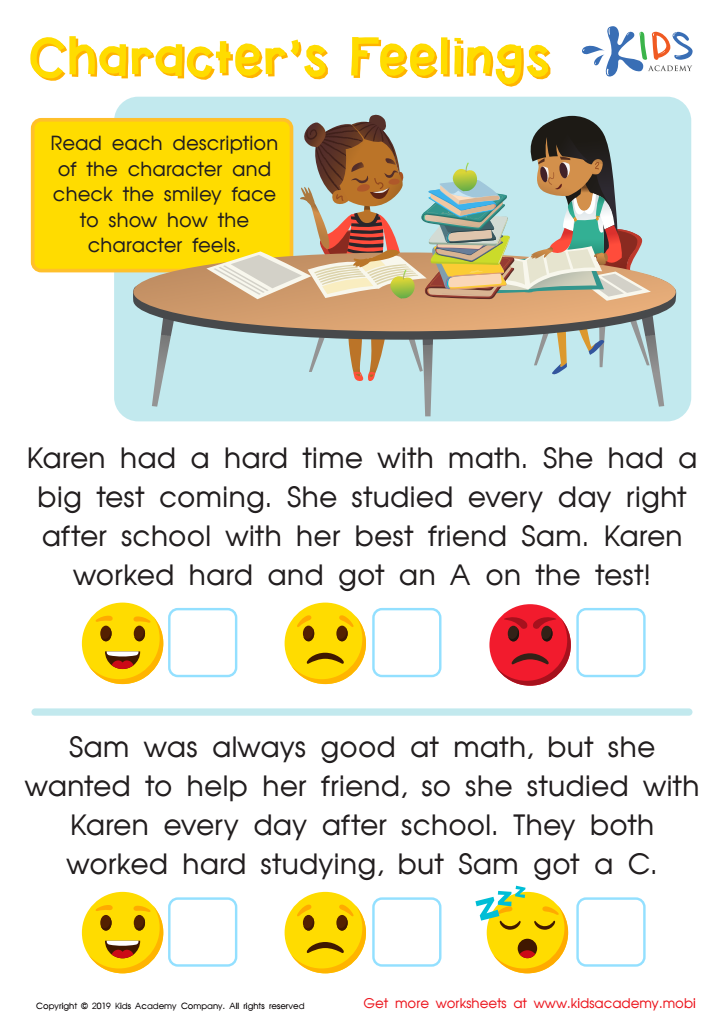
Character’s Feelings Worksheet



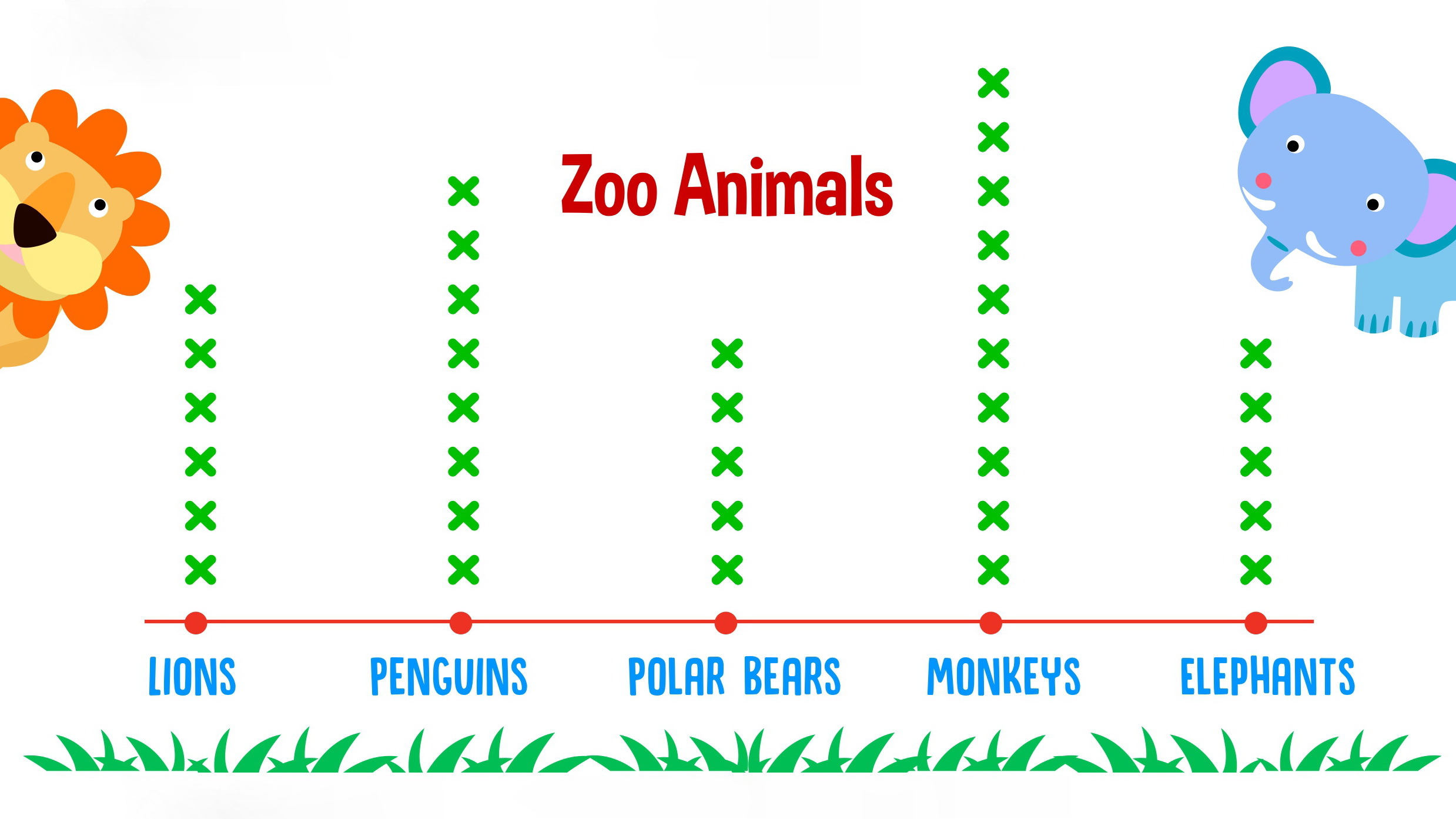



Story comprehension is critical for children aged 5-7 because it serves as a foundational skill that supports their overall development in language, critical thinking, and emotional understanding. At this age, children are learning to decipher the messages conveyed through stories, which enhances their vocabulary and grammar. Understanding a story entails more than just recalling its events; it involves grasping the main idea, interpreting character emotions, and making connections with their own experiences.
Parents and teachers should care about story comprehension because it fosters literacy and cognitive skills. When children comprehend stories, they develop the ability to retell narratives, predict outcomes, and form opinions. This not only aids in reading success but also encourages broader analytical skills applicable in various learning contexts.
Additionally, storytelling nurtures empathy by allowing children to explore different perspectives and emotions, making them more compassionate individuals. Engaging with stories also promotes a love for reading, which can lead to lifelong learning habits. Thus, investing time in supporting story comprehension at this stage is essential for holistic child development, setting the stage for future academic and personal success. Encouraging activities like discussing stories, asking questions, and relating them to real life makes comprehension both fun and impactful.








