Understanding Sequences Easy Worksheets for Ages 5-7
5 filtered results
-
From - To
Discover our "Understanding Sequences Easy Worksheets" designed specifically for children ages 5-7! These engaging worksheets help young learners develop essential skills in recognizing and completing sequences through colorful illustrations and fun activities. Children will explore visual patterns and logical reasoning, enhancing their critical thinking abilities. Each worksheet includes step-by-step instructions to guide kids in matching items, filling in the blanks, and more. Perfect for both home and classroom use, these worksheets make learning about sequences enjoyable and effective. Empower your child’s early math skills with our carefully crafted activities that foster confidence and curiosity in learning!
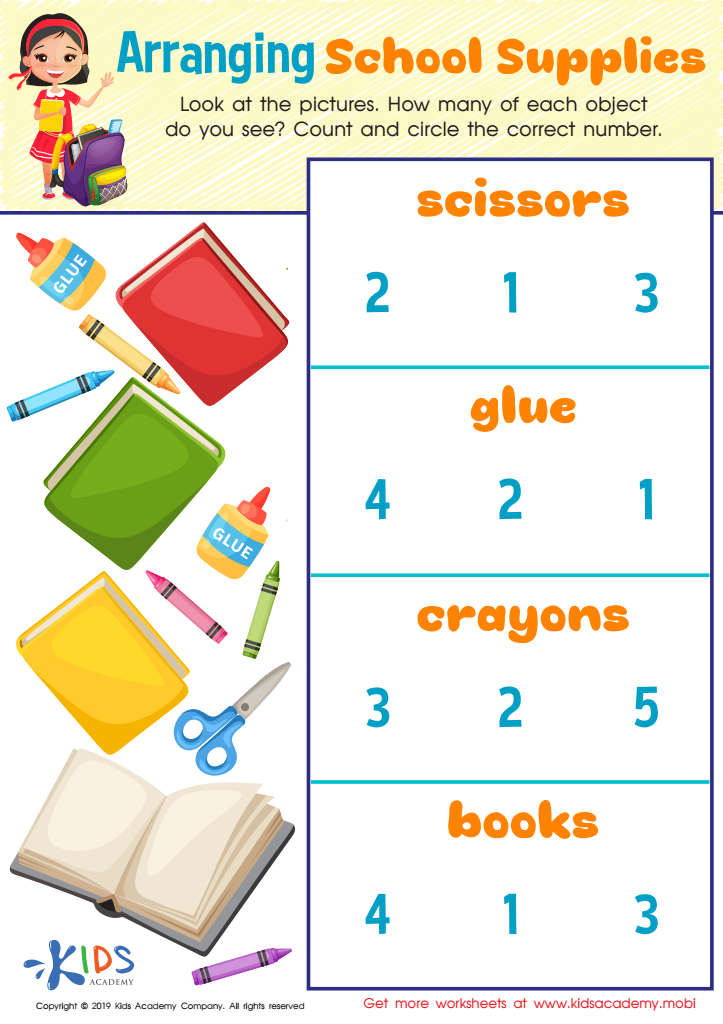
Arranging School Supplies Worksheet
 Assign to My Students
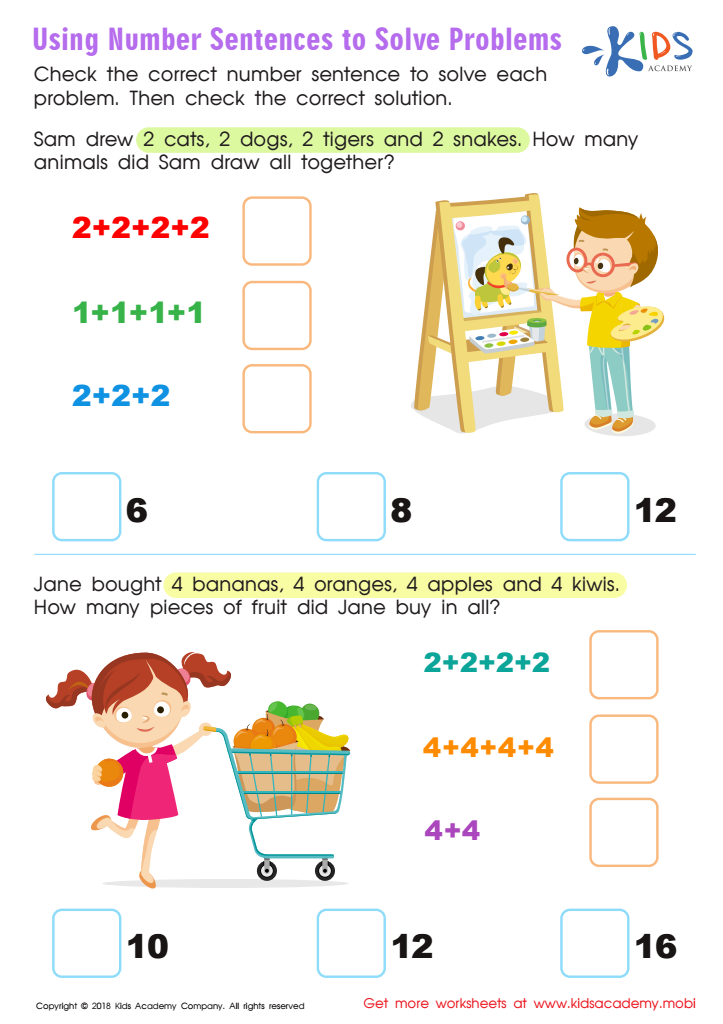
Using Number Sentences to Solve Problems Worksheet
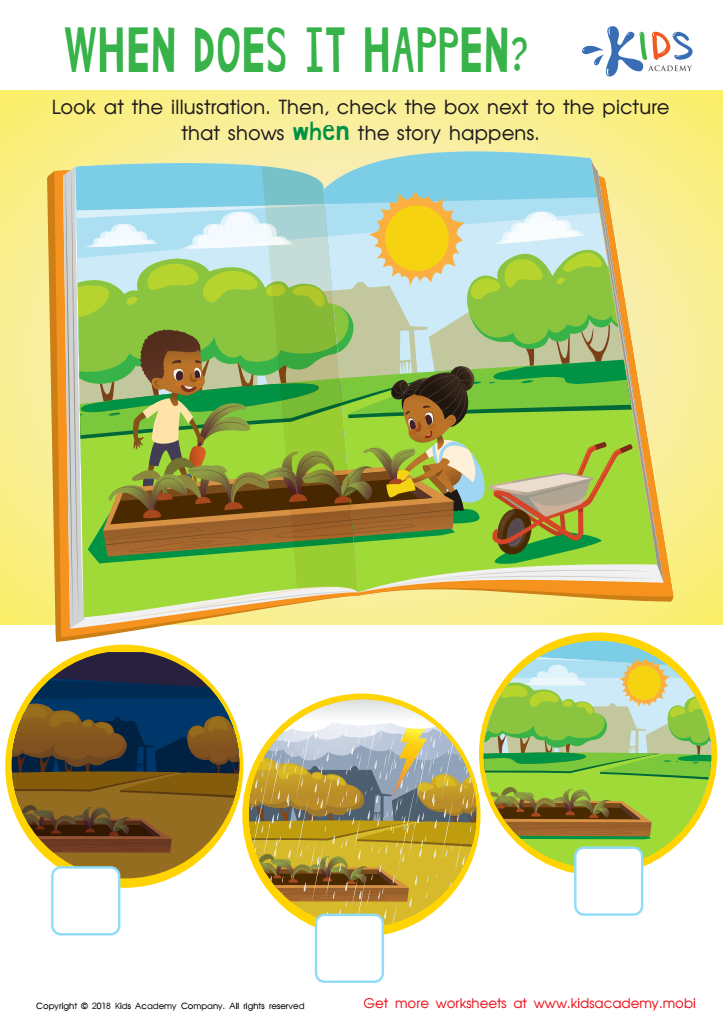
When Does It Happen? Worksheet
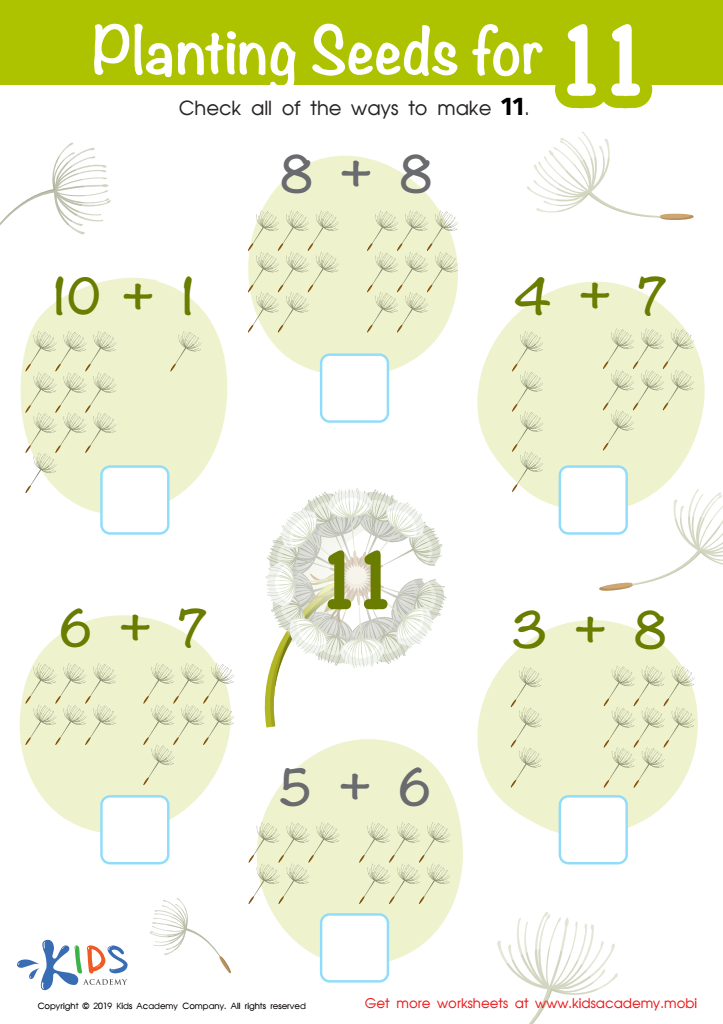
Planting Seeds for 11 Worksheet
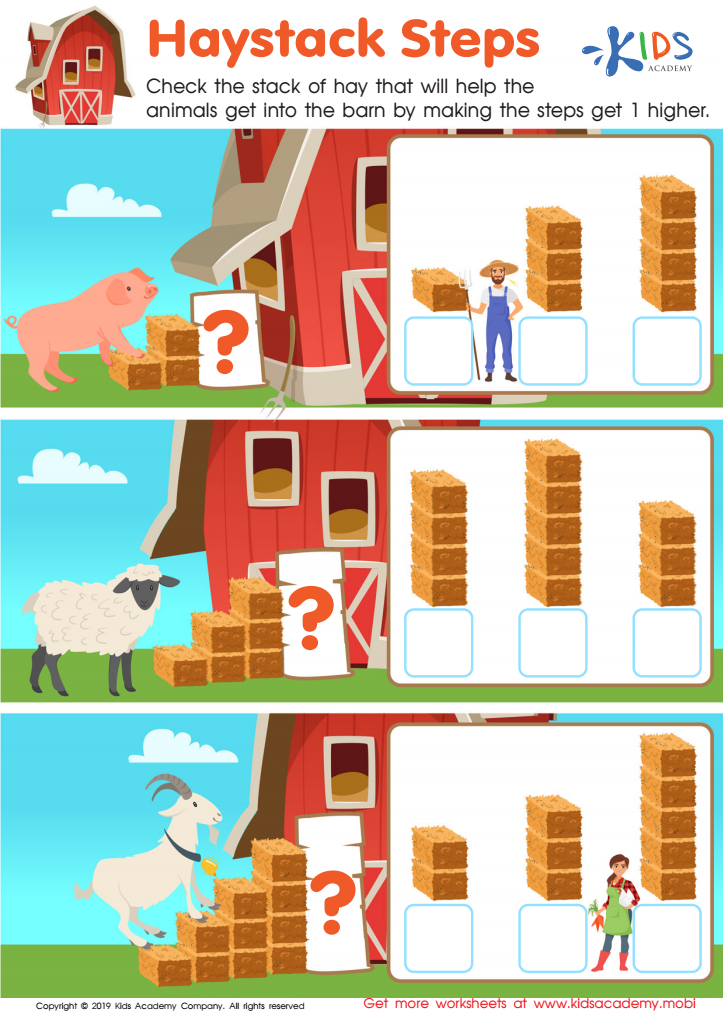
Haystack Steps Worksheet








Understanding sequences is a fundamental cognitive skill that lays the groundwork for later mathematical learning, crucial for children aged 5 to 7. As children learn to recognize, create, and extend sequences, they're developing critical thinking and problem-solving abilities. Sequencing helps them make sense of patterns in math, such as addition, subtraction, and even more complex operations in the future.
Moreover, grasping sequences fosters organizational skills, allowing children to understand the concept of order in storytelling, steps in a task, or daily routines. Recognizing that some events follow others in a specific order aids memory retention and enhances comprehension skills. Importance extends beyond mathematics; valuing sequences nurtures logical reasoning which is essential for reading comprehension and science, encouraging children to predict outcomes based on observed patterns.
For parents and teachers, emphasizing sequential understanding sets a solid foundation for lifelong learning. Engaging with children in activities such as counting games, sorting tasks, and pattern recognition nurtures an enthusiastic approach toward learning. This influential time in their development creates a conducive environment where children are motivated to explore and articulate their thoughts, leading them to become successful, confident individuals both academically and socially. Fostering sequence understanding is essential in creating a resilient learner.








