Word Recognition Easy Worksheets for Ages 5-7
4 filtered results
-
From - To
Discover our engaging "Word Recognition Easy Worksheets for Ages 5-7," designed to enhance your child's literacy skills through fun and interactive learning. These worksheets focus on key word recognition techniques, helping young learners identify, read, and understand essential vocabulary. Tailored for kids aged 5 to 7, each printable activity boosts confidence while fostering a love for reading. From matching words to images to fill-in-the-blank exercises, our resources cater to varying skill levels, ensuring every child progresses at their own pace. Ideal for at-home learning or classroom use, these worksheets provide a delightful way to support early language development! Start exploring today!
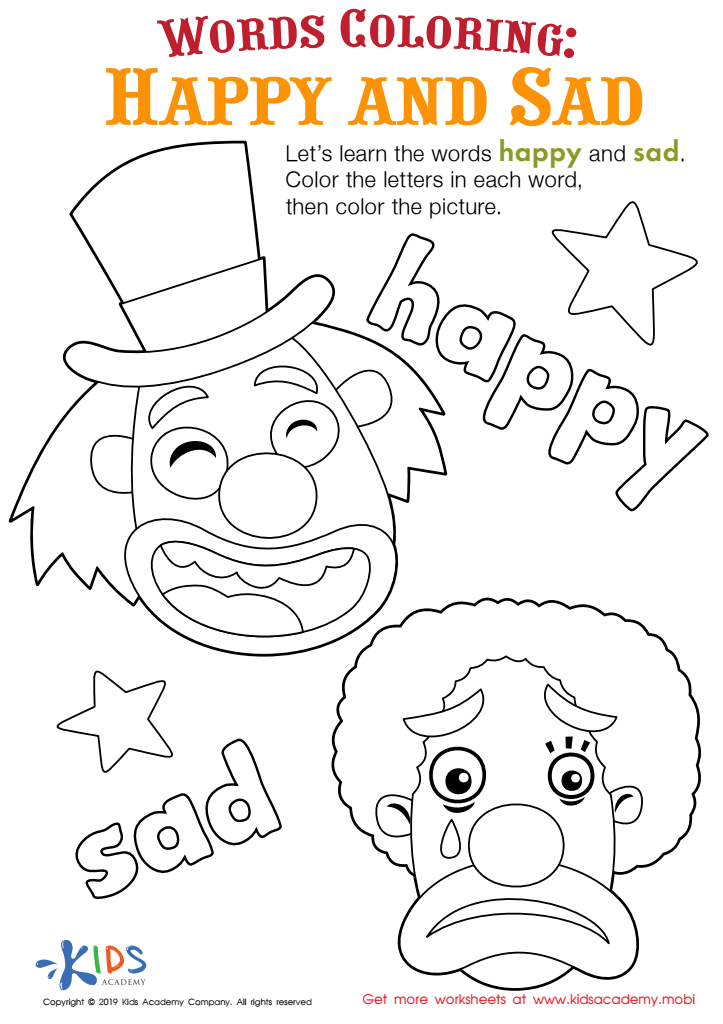
Happy and Sad Words Coloring Worksheet
 Assign to My Students
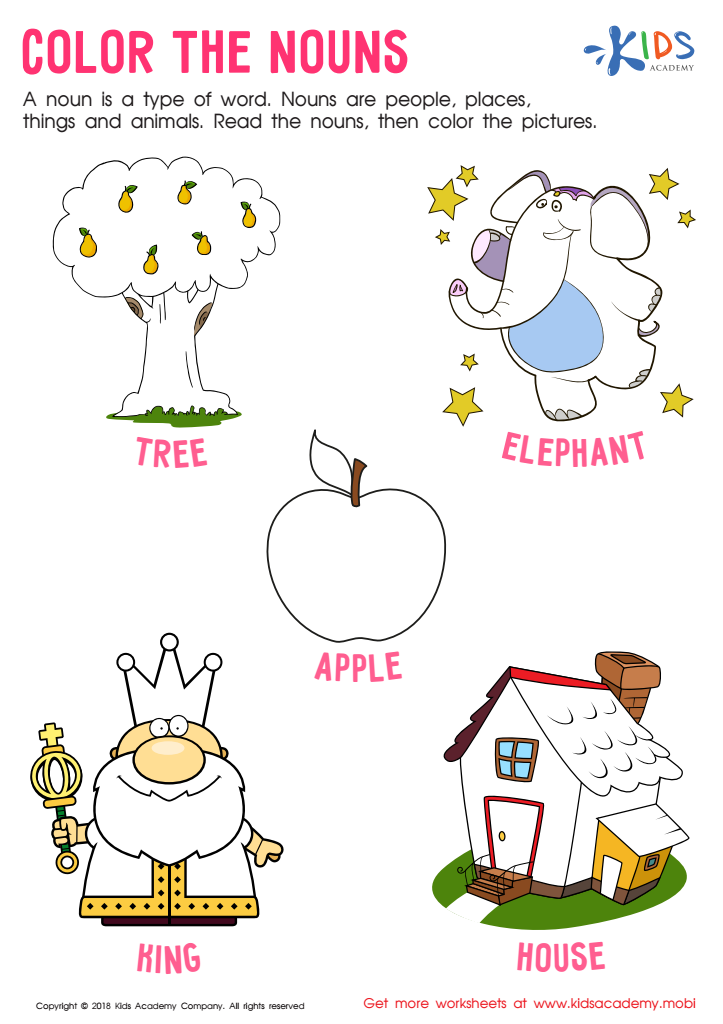
Color the Nouns Worksheet
Assign to My Students
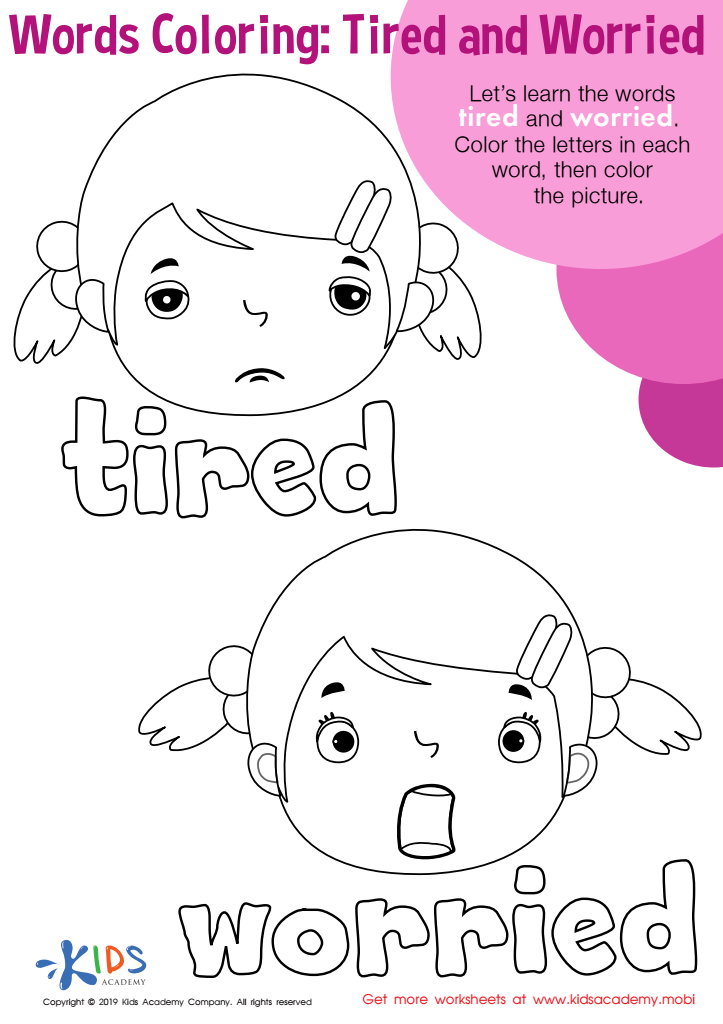
Tired and Worried Words Coloring Worksheet
Assign to My Students
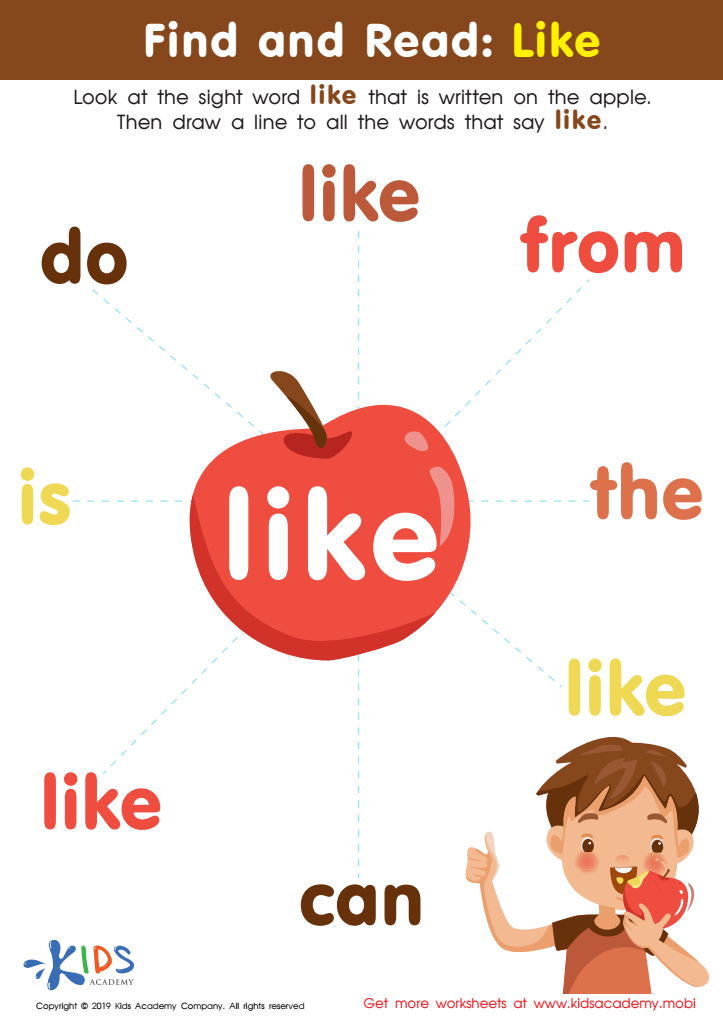
Find and Read: Like Worksheet








Word recognition is a foundational skill for young learners aged 5-7, playing a crucial role in their literacy development. Parents and teachers should prioritize this skill because it directly impacts a child's ability to read fluently, understand texts, and develop a love for reading.
Firstly, word recognition helps children decode language quicker, allowing them to focus on comprehending the material rather than struggling with pronunciation. This could foster greater confidence and motivation, as they become proficient and independent readers.
Additionally, strong word recognition skills support vocabulary expansion. As children encounter and recognize words in various contexts, they strengthen their language skills and understanding of syntax.
Moreover, word recognition activities can enhance overall learning experiences, contributing to improved performance in other subjects. Proficient readers are typically better equipped for success in math, science, and social studies, as reading comprehension is critical for acquiring knowledge.
Lastly, promoting word recognition at home or in the classroom encourages a supportive environment where literacy is valued. Early exposure to sight words and engaging practices can instill a lifelong passion for reading, laying the groundwork for academic success and personal growth. Cultivating these skills today ultimately leads to brighter futures for children.








