Easy Measurement Worksheets for Ages 5-7 - Page 2
43 filtered results
-
From - To
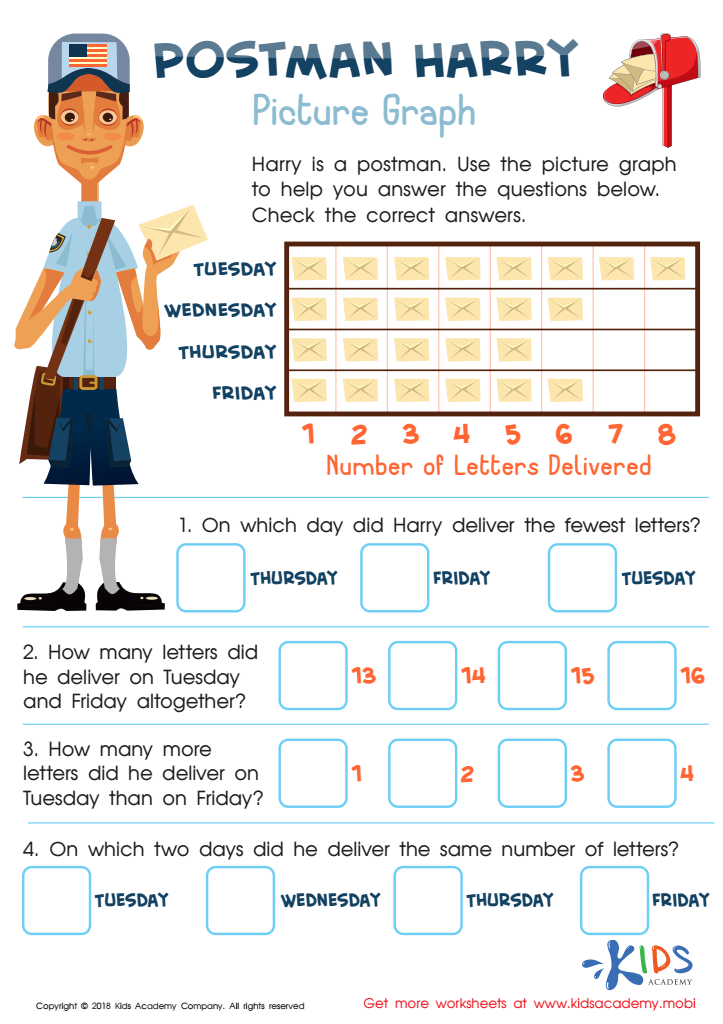
Postman Harry: Picture Graph Worksheet
 Assign to My Students
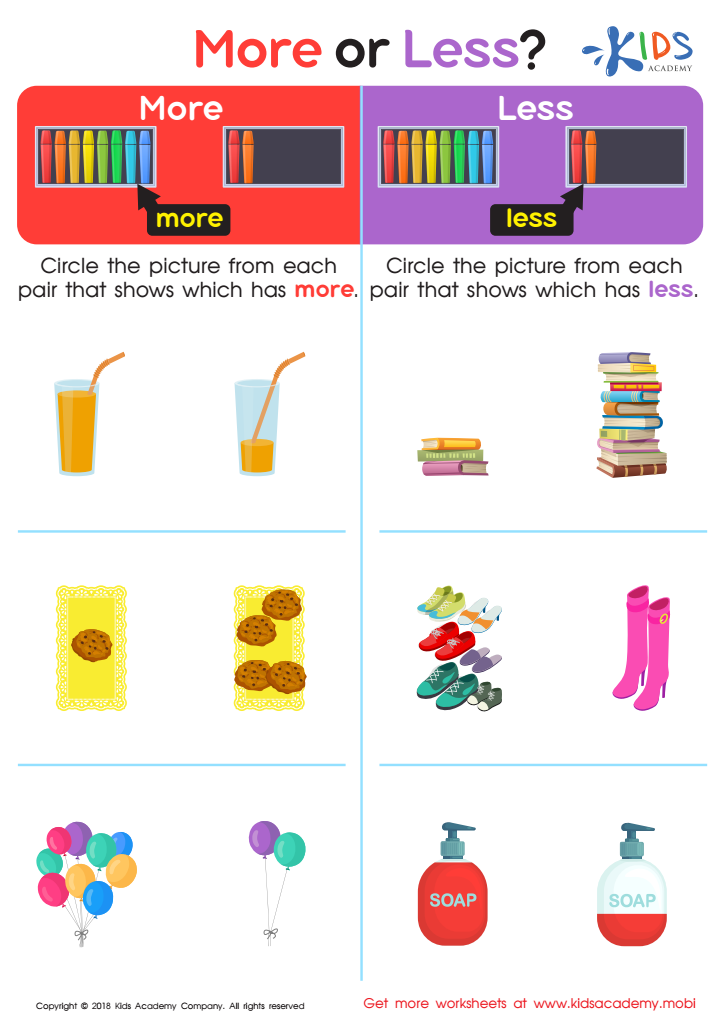
More or Less? Worksheet
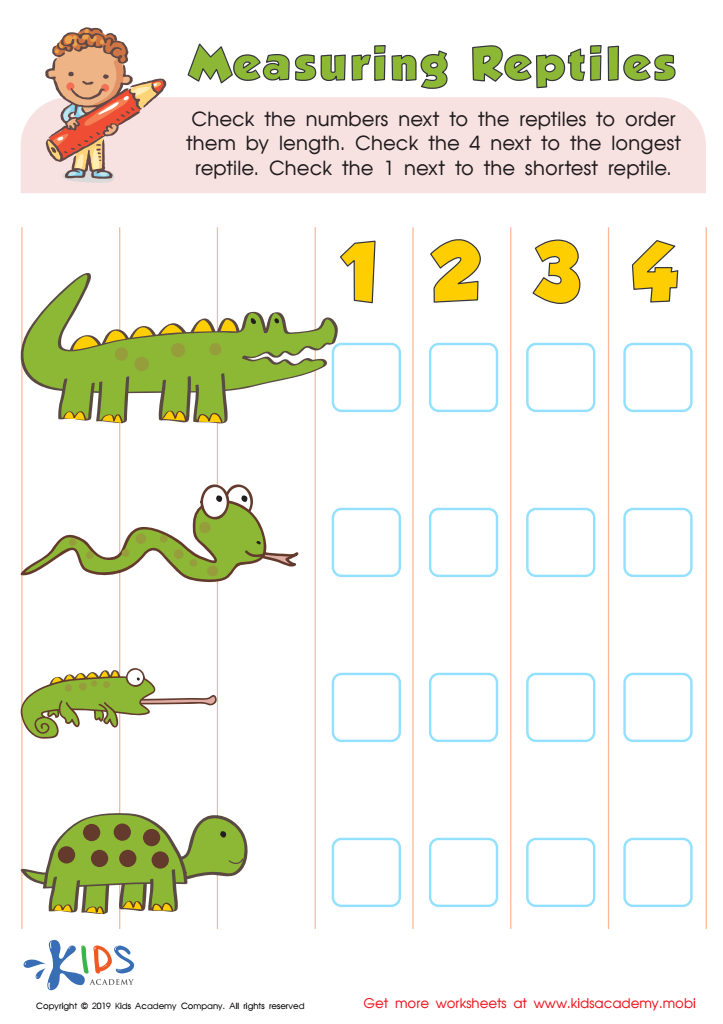
Measuring Reptiles Worksheet
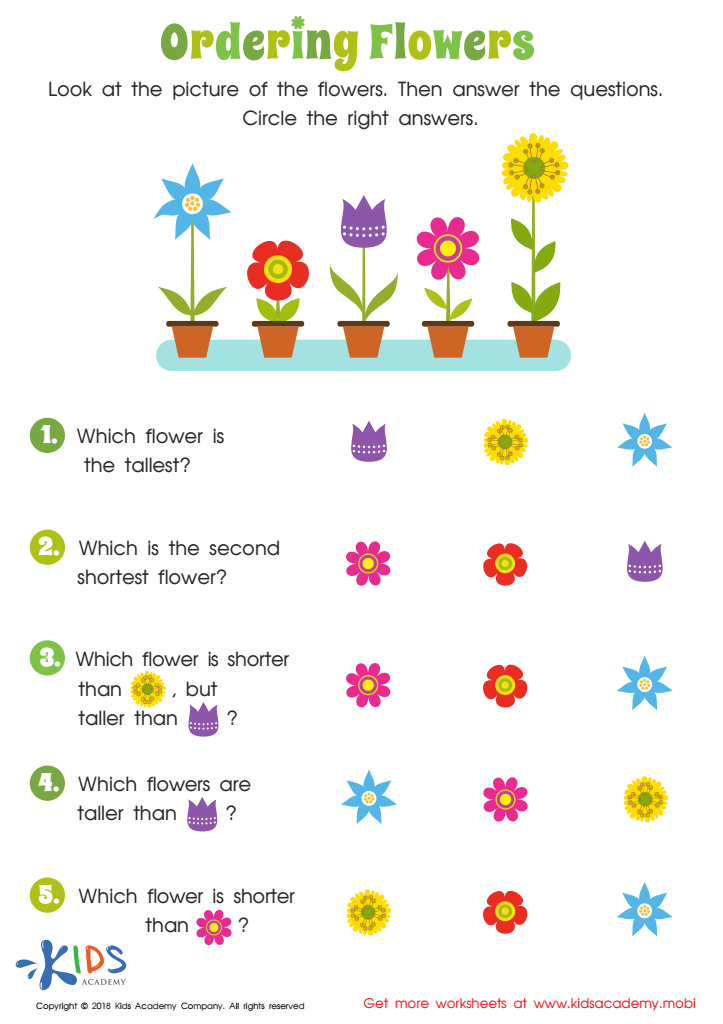
Ordering Flowers Worksheet
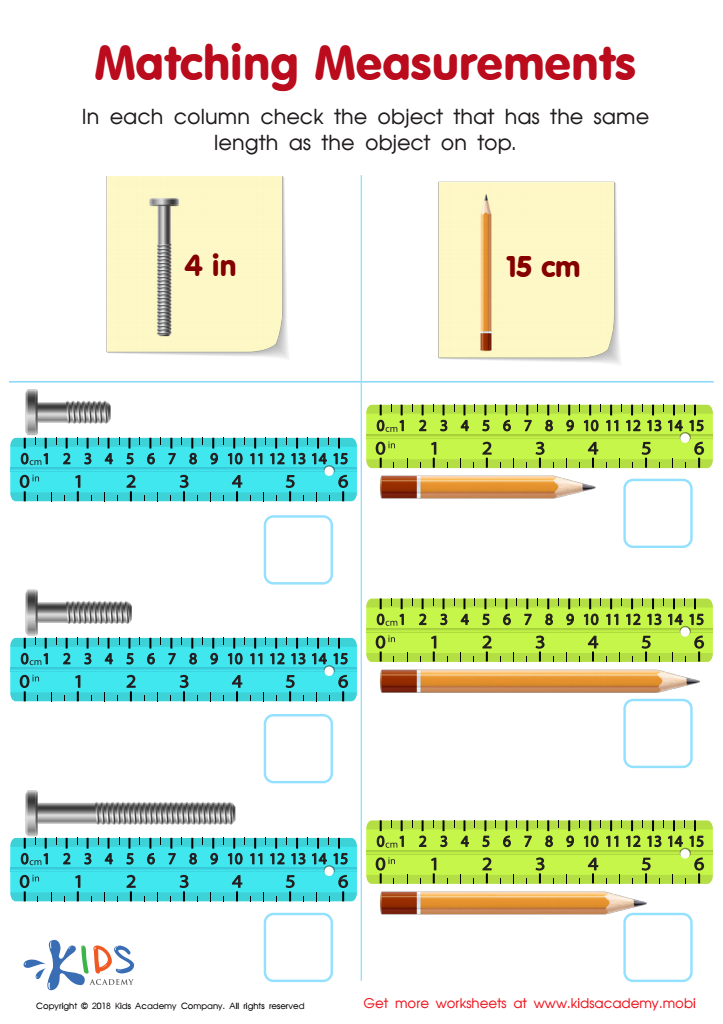
Matching Measurements Worksheet
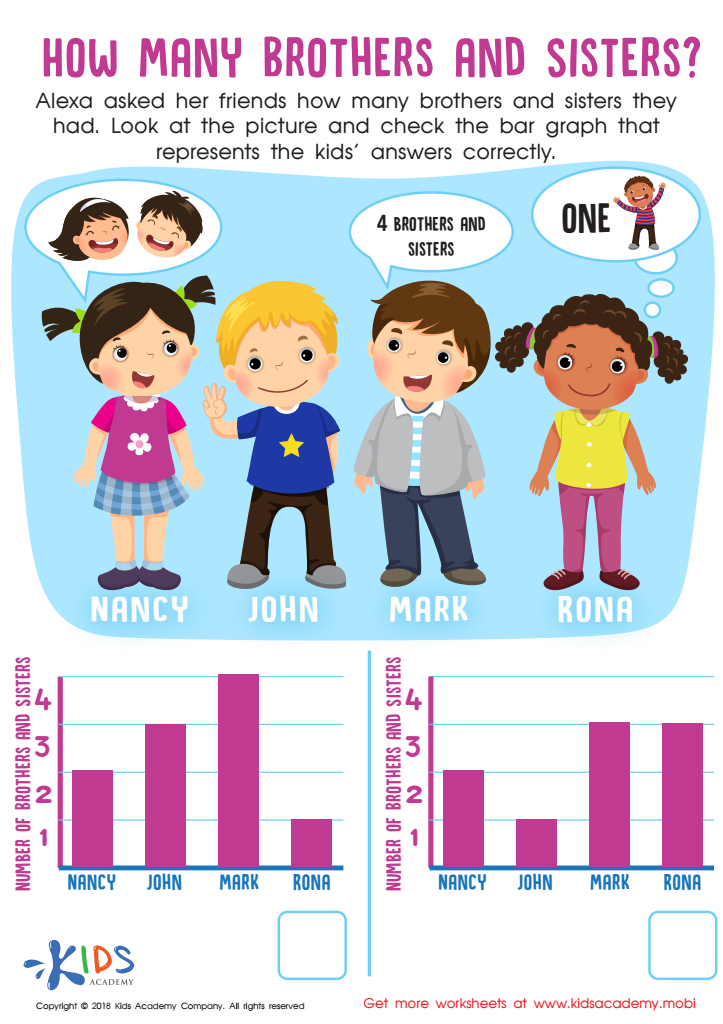
How Many Brothers and Sisters? Worksheet
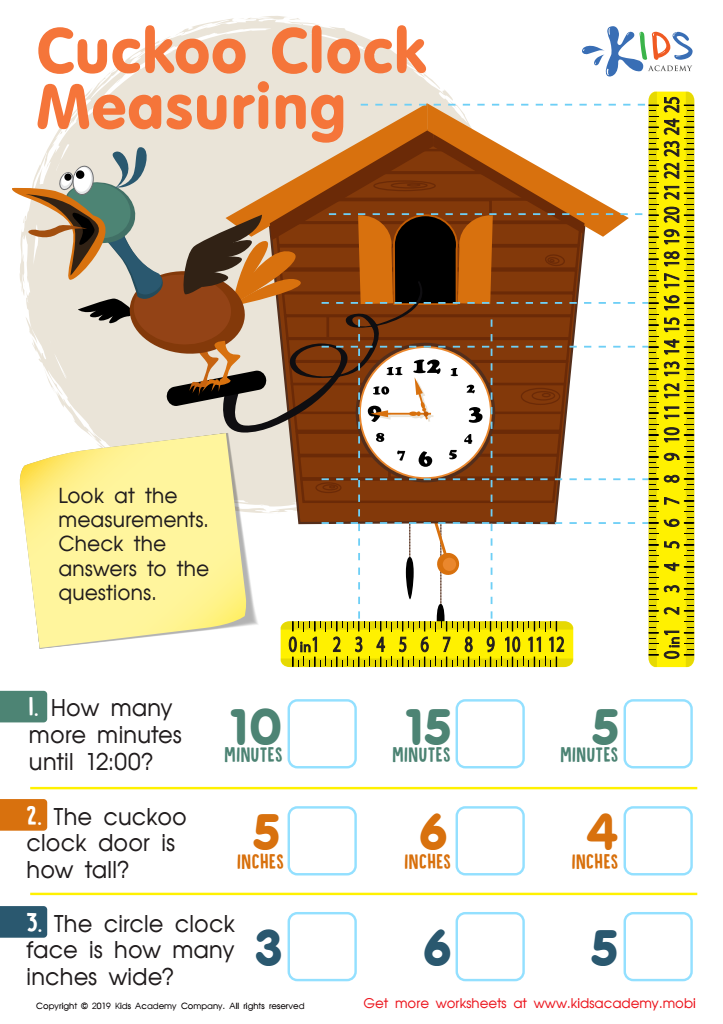
Cuckoo Clock Measuring Worksheet
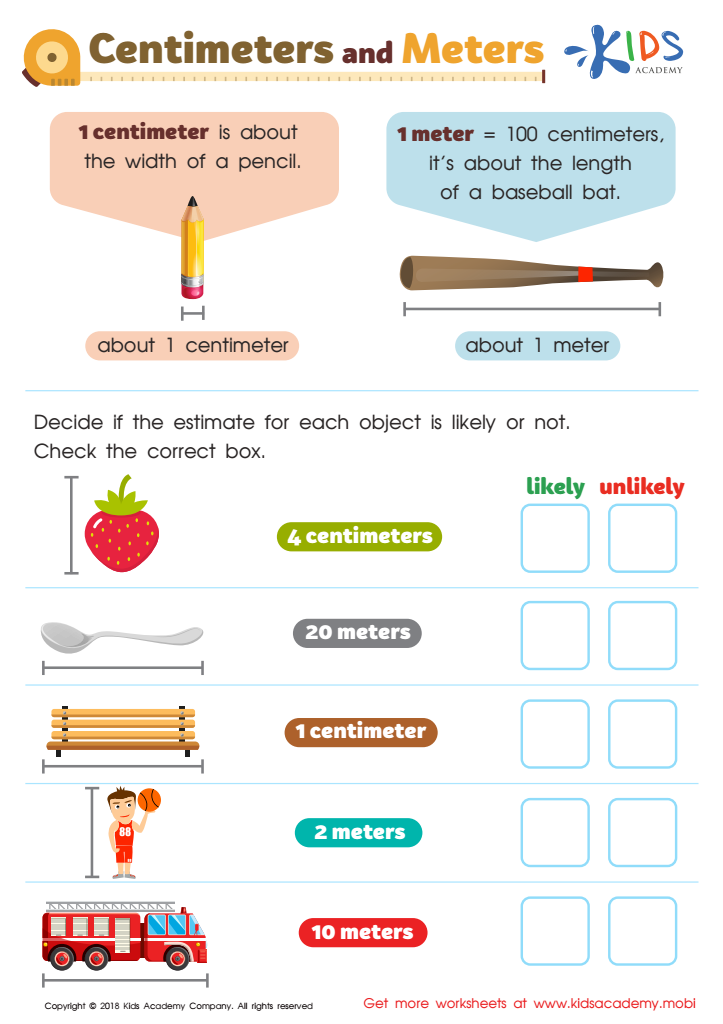
Centimeters and Meters Worksheet
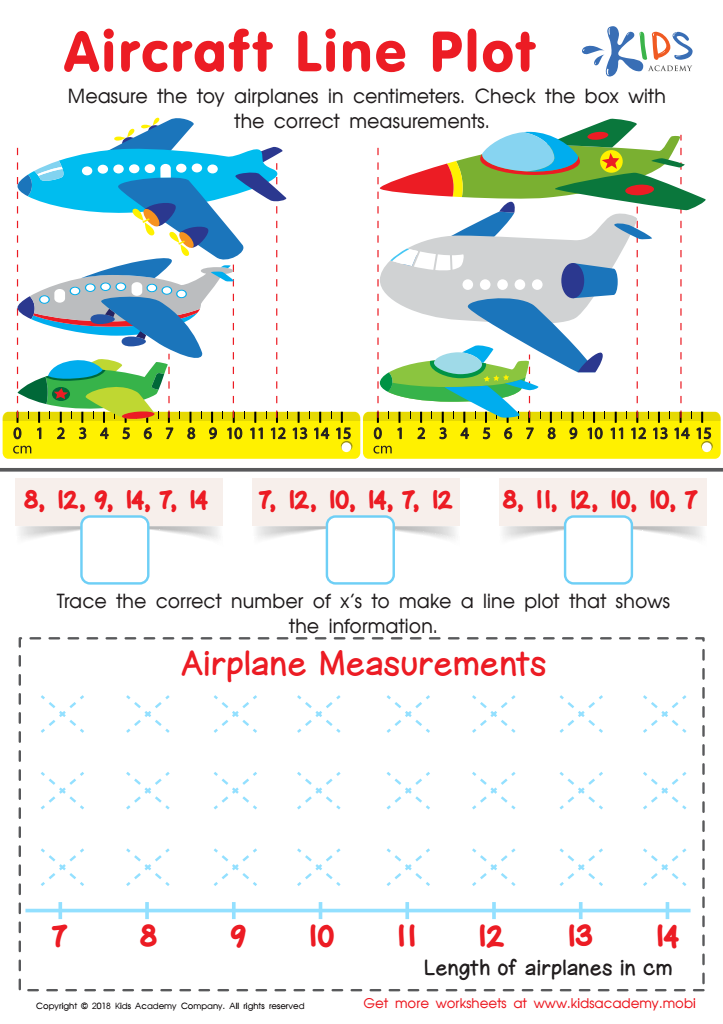
Aircraft Line Plot Worksheet
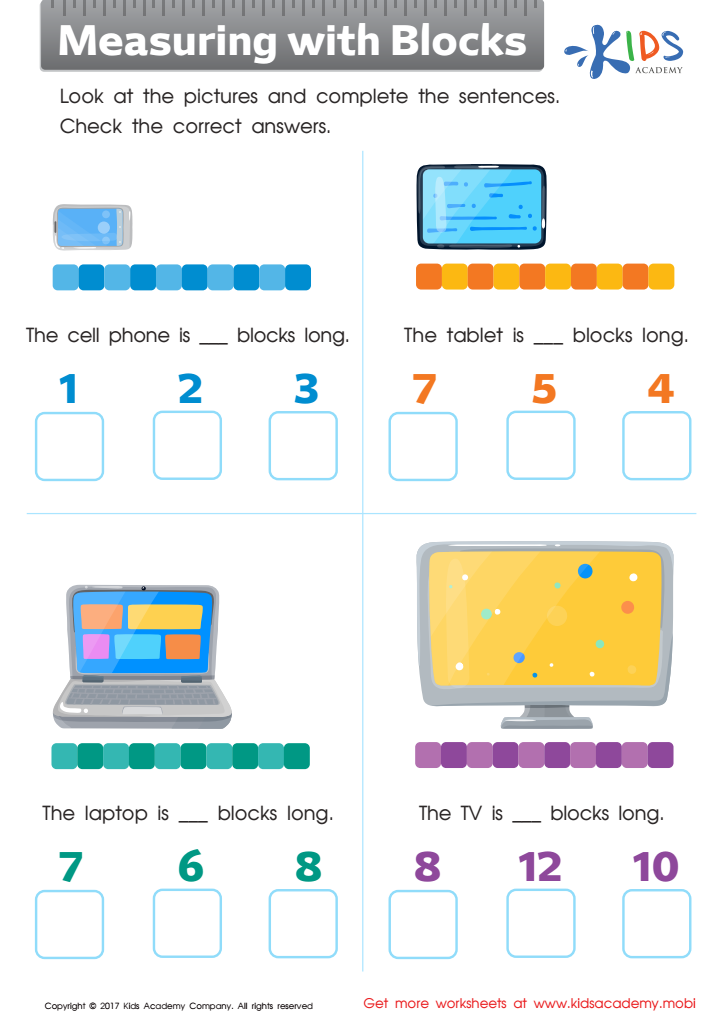
Measuring with Blocks Worksheet
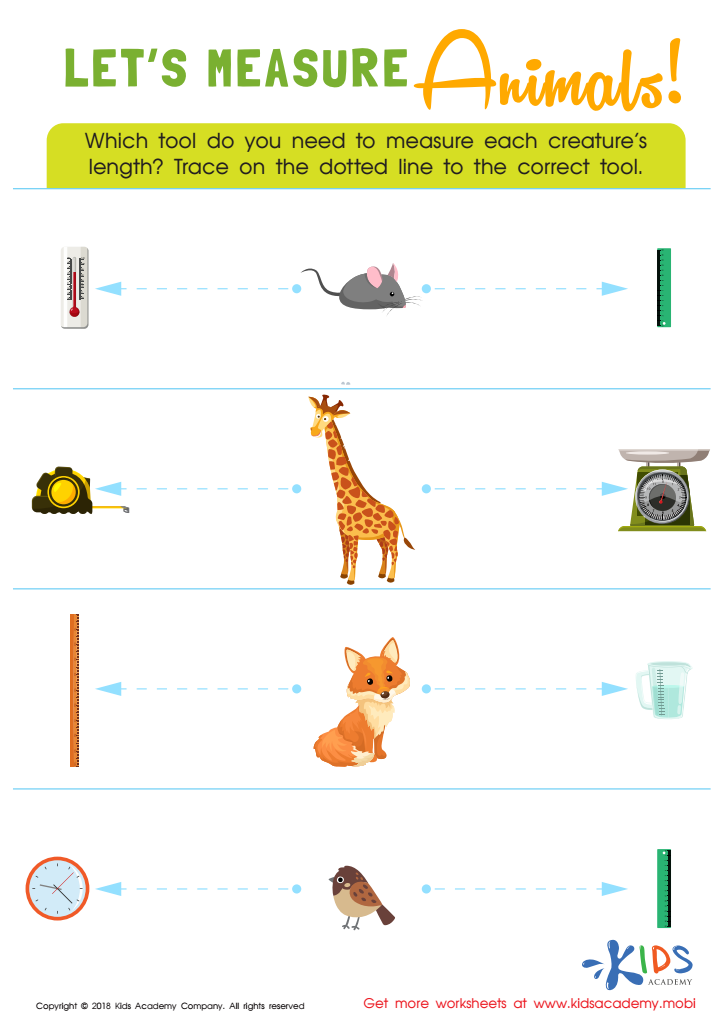
Let's Measure Animals! Worksheet
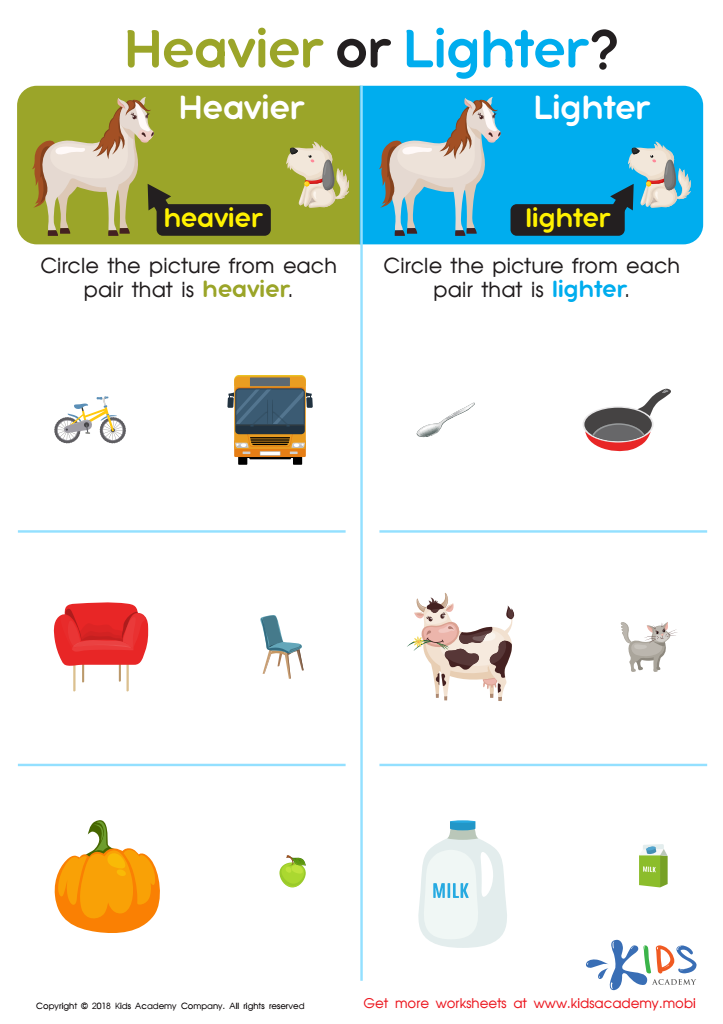
Heavier or Lighter? Worksheet
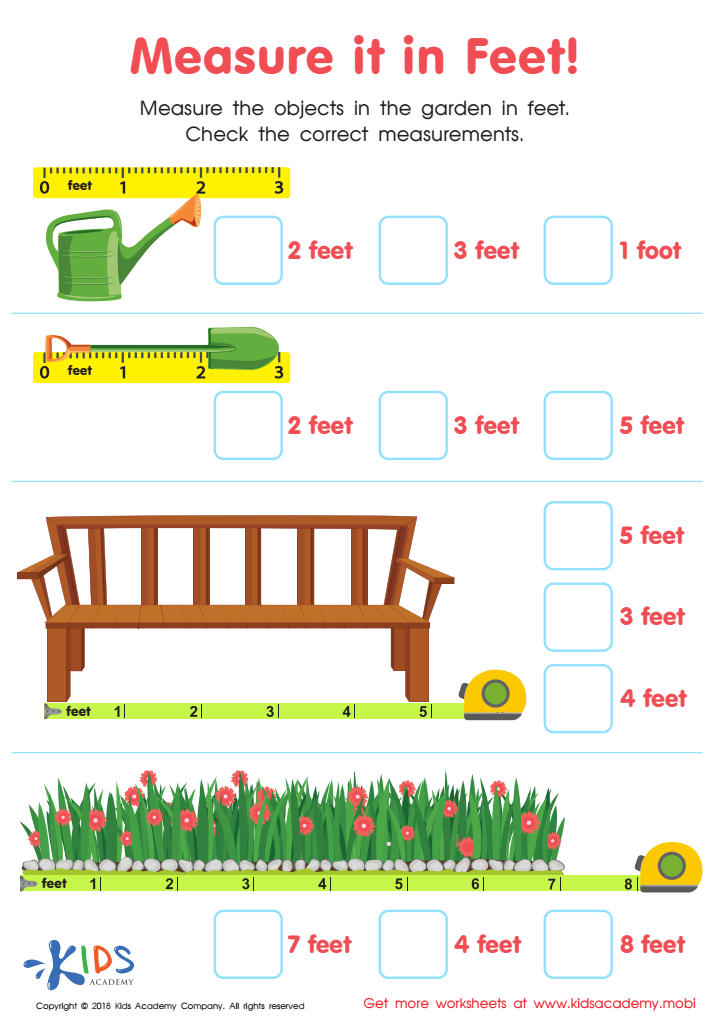
Measure it in Feet Worksheet
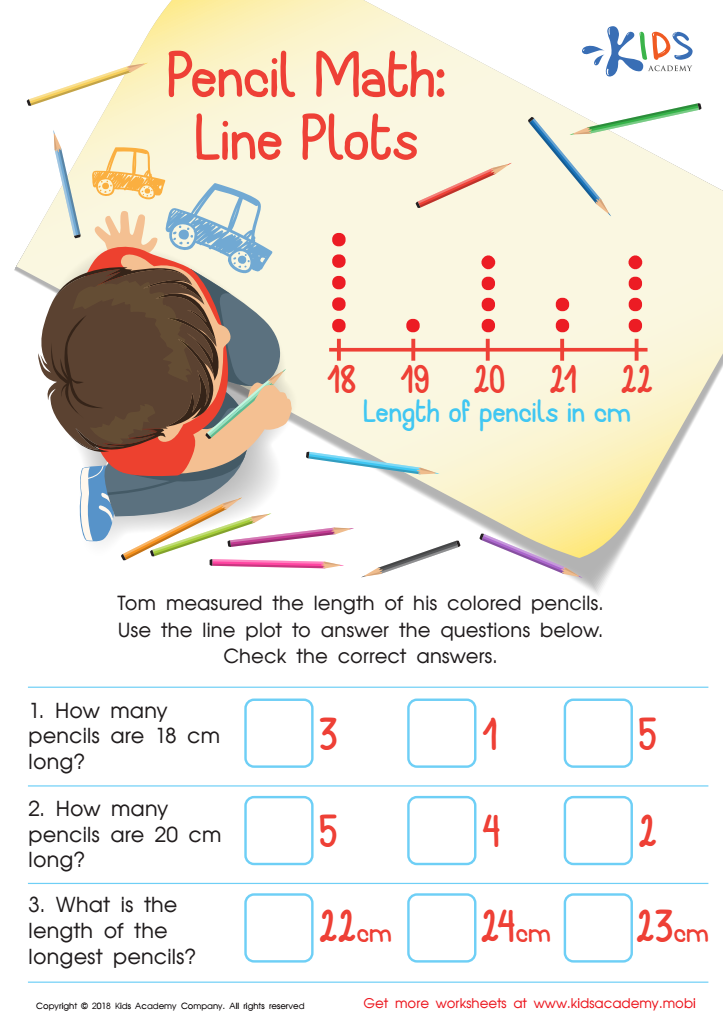
Pencil Math: Line Plots Worksheet
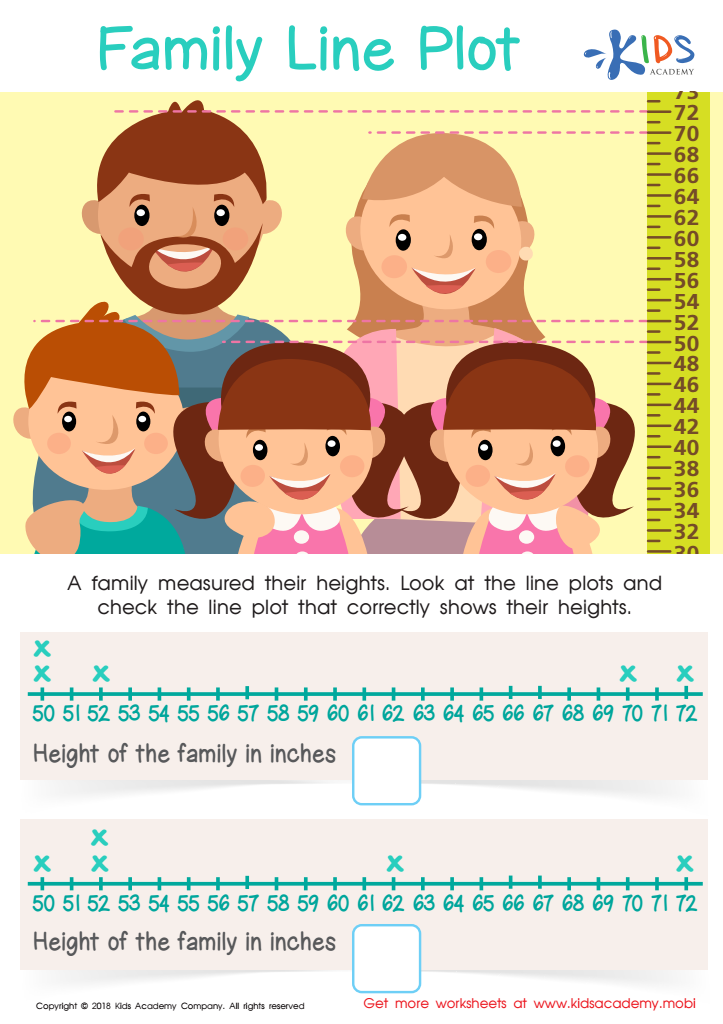
Family Line Plot Worksheet
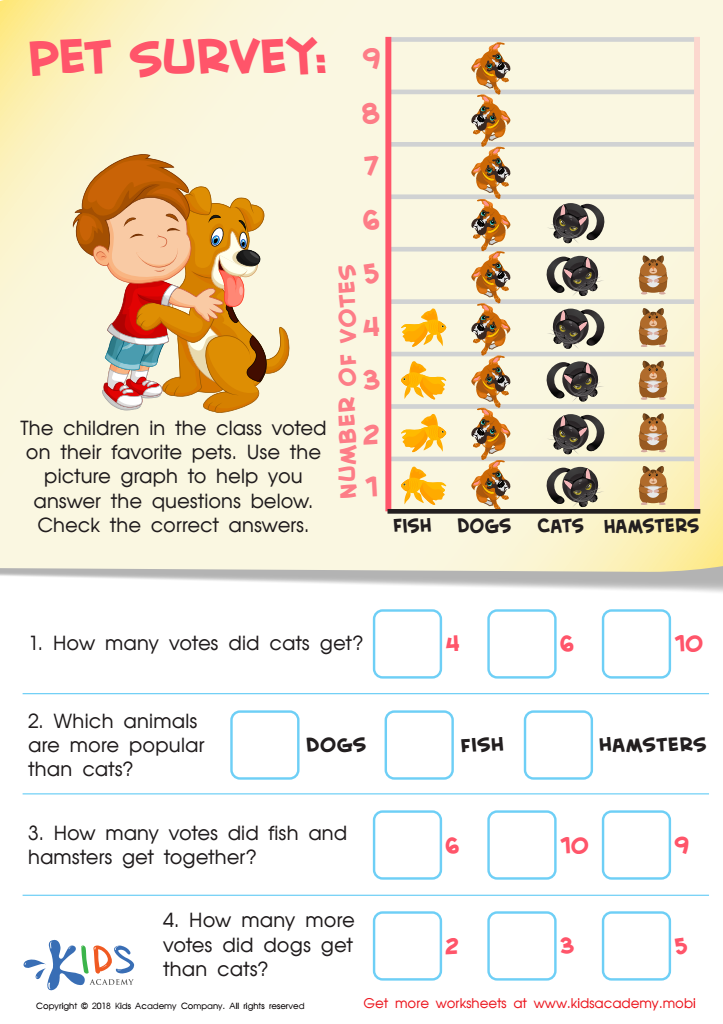
Pet Survey Worksheet
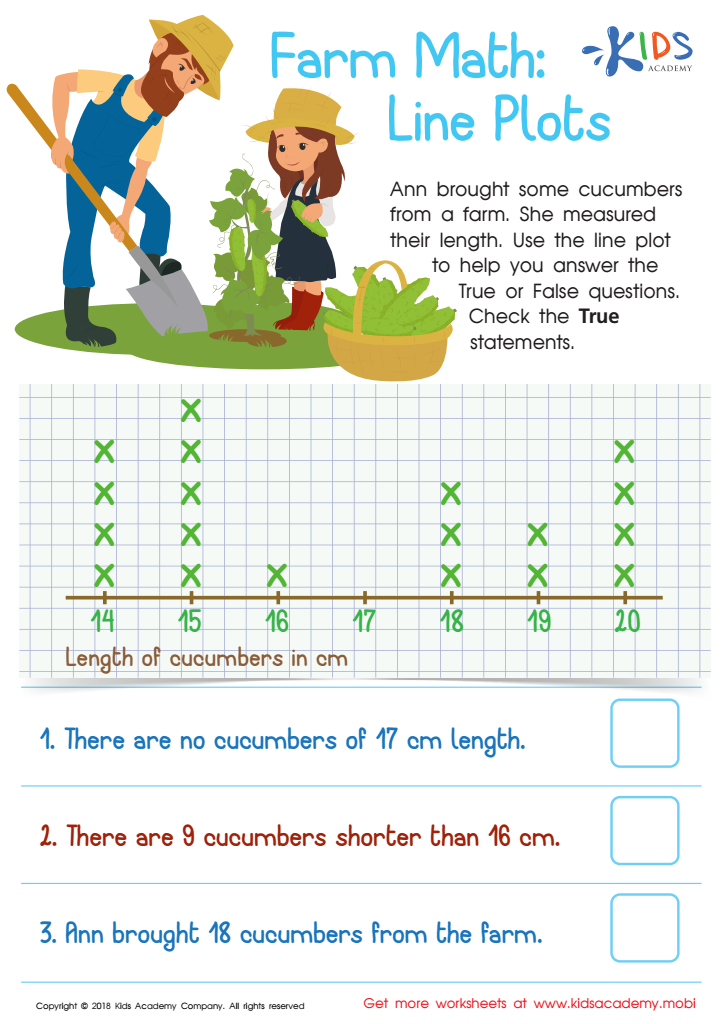
Farm Math: Line Plots Worksheet
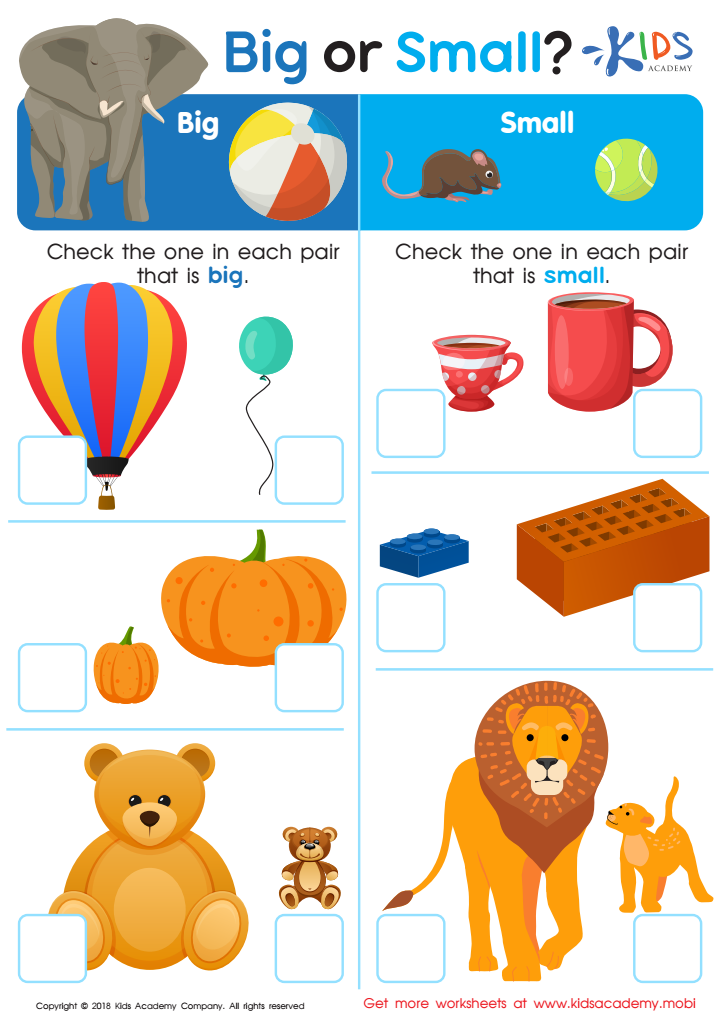
Big or Small? Worksheet
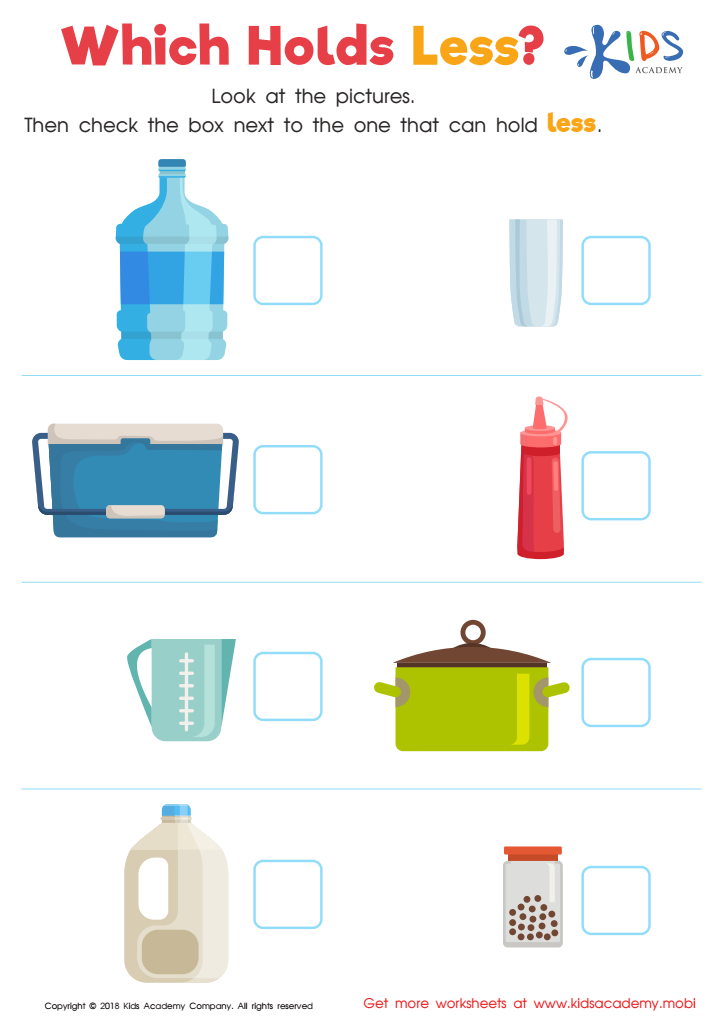
Which Holds Less? Worksheet








At ages 5-7, children are in a critical developmental period where foundational skills are formed. Learning easy measurement skills is crucial at this stage, as it serves multiple educational and practical purposes. Parents and teachers should care deeply about this for several reasons:
Firstly, measuring helps children grasp basic math concepts, such as numbers, size, length, and weight, fostering numerical literacy. These early experiences with measurement are connected to broader mathematical understanding and future success in subjects like geometry, arithmetic, and science.
Secondly, measurement activities like comparing heights, weighing objects, or filling containers boost problem-solving skills and critical thinking. Children learn to make observations, predict outcomes, and test their hypotheses — key components of the scientific method.
Moreover, measurement has practical daily applications. It enhances fine motor skills through hands-on tasks and aids in language development through the terminology used (e.g., taller, shorter, heavier). Engaging with these activities fosters a child's curiosity and improves their ability to focus, following step-by-step instructions.
Finally, building competence in measurement nurtures confidence and independence. Children feel a sense of achievement when they can compare, sort, and analyze objects, which supports their overall cognitive and emotional growth.
In summary, integrating easy measurement activities into learning for ages 5-7 provides essential educational building blocks and fosters critical developmental skills, ensuring well-rounded early childhood growth.








