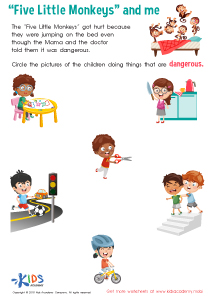
Critical Thinking Easy Building Vocabulary Worksheets for Ages 5-7
3 filtered results
-
From - To
Our "Critical Thinking Easy Building Vocabulary Worksheets for Ages 5-7" are designed to enhance your child's language skills through engaging activities. Developed by educators, these worksheets motivate young learners to expand their vocabulary while honing critical thinking abilities. Featuring colorful illustrations, interactive exercises, and age-appropriate challenges, our worksheets make learning fun and effective. Perfect for both classroom use and at-home practice, these printables cover a wide range of topics and themes to keep kids curious and invested. Help your child build a strong vocabulary foundation and critical thinking skills that will benefit them for a lifetime!
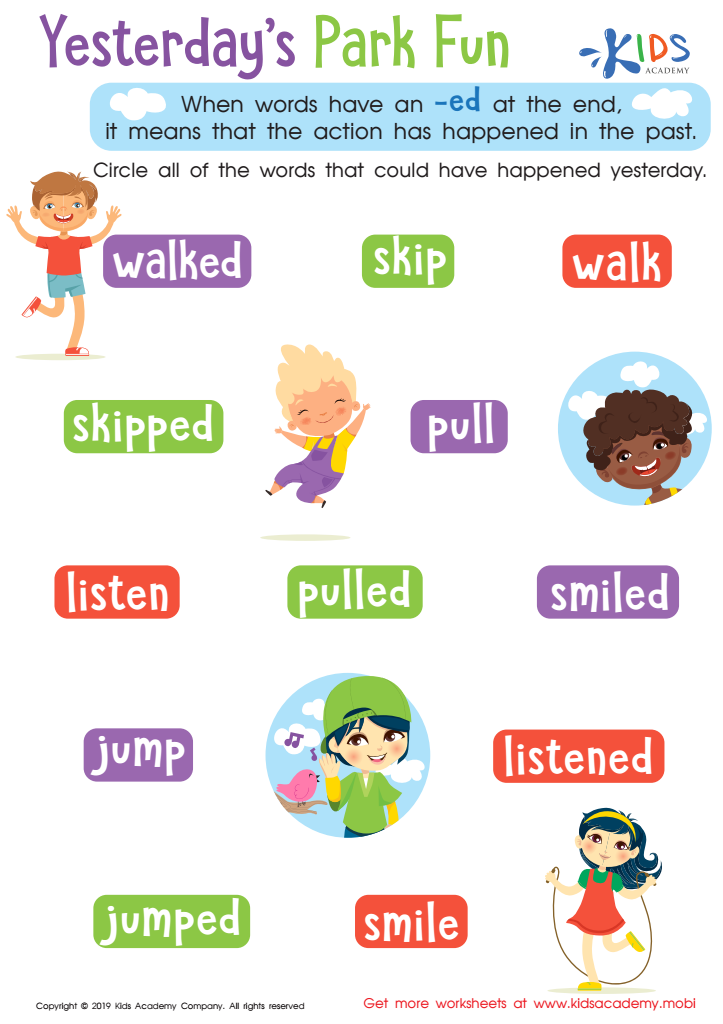
Yesterday's Park Fun Worksheet
 Assign to My Students











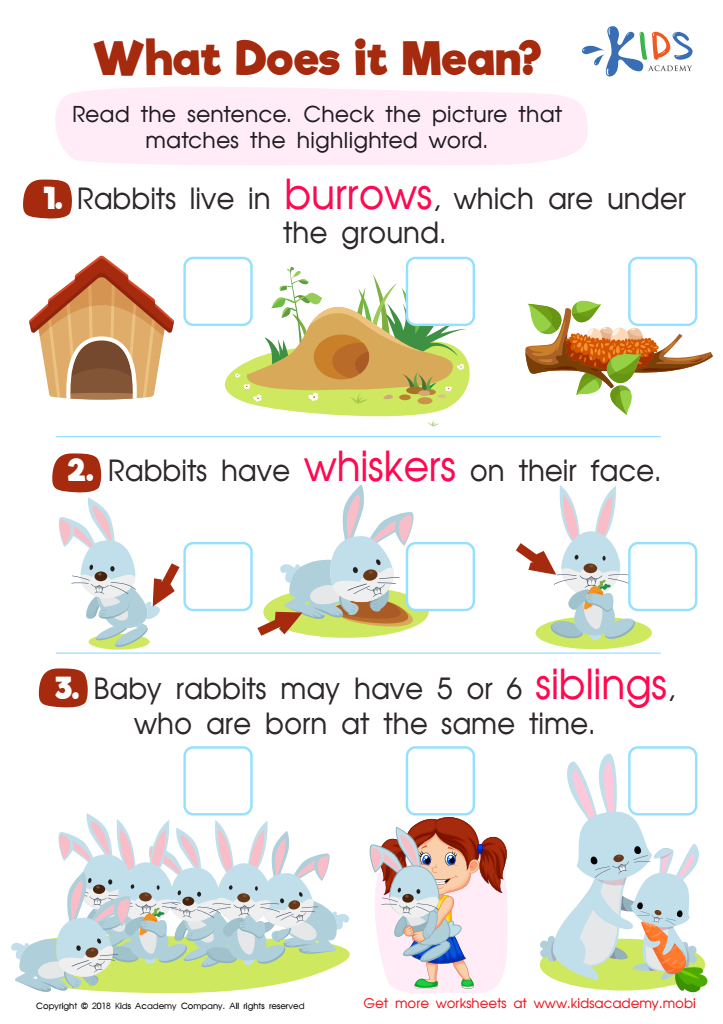
What Does It Mean? Worksheet
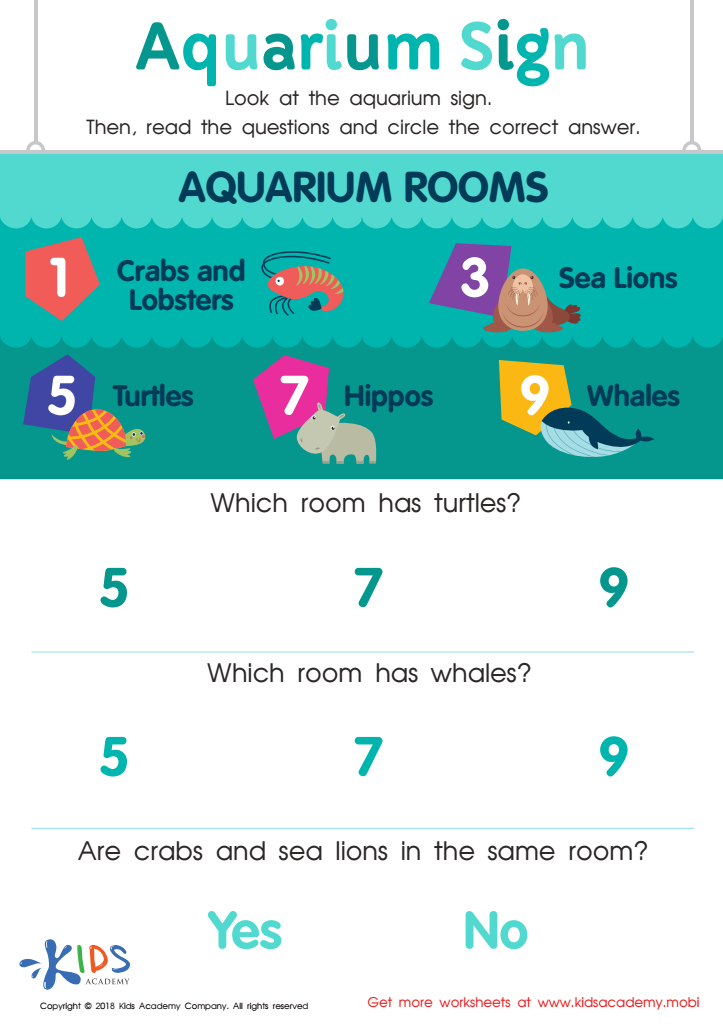
Assessment: Aquarium Sign Worksheet








Parents and teachers should place a strong emphasis on building vocabulary and fostering critical thinking skills in children aged 5-7 because these early years are foundational for cognitive development and academic success. At this crucial stage, young minds are highly receptive and capable of absorbing new information rapidly. Vocabulary acquisition during these formative years lays the groundwork for effective communication, comprehensive reading, and articulate writing—skills essential for lifelong learning.
Developing a rich vocabulary enhances a child's ability to understand new concepts and follow instructions more easily, which boosts their confidence and academic performance. When children are equipped with a varied and descriptive vocabulary, they can express their thoughts, needs, and emotions more clearly, improving social interactions and emotional intelligence.
Critical thinking, on the other hand, encourages children to analyze information, ask questions, and solve problems creatively. It primes them to think independently and make informed decisions rather than merely accepting information at face value. Encouraging critical thinking from an early age promotes curiosity and a love for learning, instilling resilience and adaptability to navigate the complexities of the world.
Overall, investing in vocabulary building and critical thinking during early childhood equips children with essential tools for academic achievements and nurtures intelligent, thoughtful, and articulate individuals prepared for future challenges.