Hand-eye Coordination Easy Alphabet Worksheets for Ages 5-8
3 filtered results
-
From - To
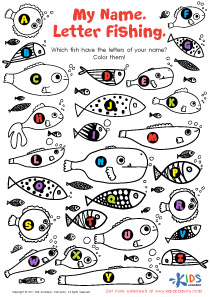
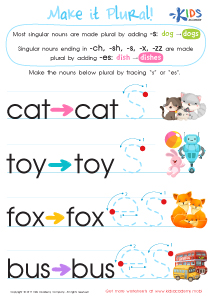
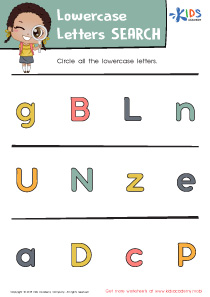
Our Hand-eye Coordination Easy Alphabet Worksheets for Ages 5-8 are designed to make learning both fun and educational. Perfect for early grade students, these worksheets enhance dexterity by encouraging kids to trace, write, and match letters. Each activity is carefully crafted to improve alphabetical skills while boosting hand-eye coordination. From dot-to-dots to letter mazes, our engaging exercises challenge young minds and promote fine motor skills development. Ideal for parents and teachers, these printable resources are a fantastic addition to any educational toolkit, ensuring that children build a strong foundation in letters and coordination simultaneously.
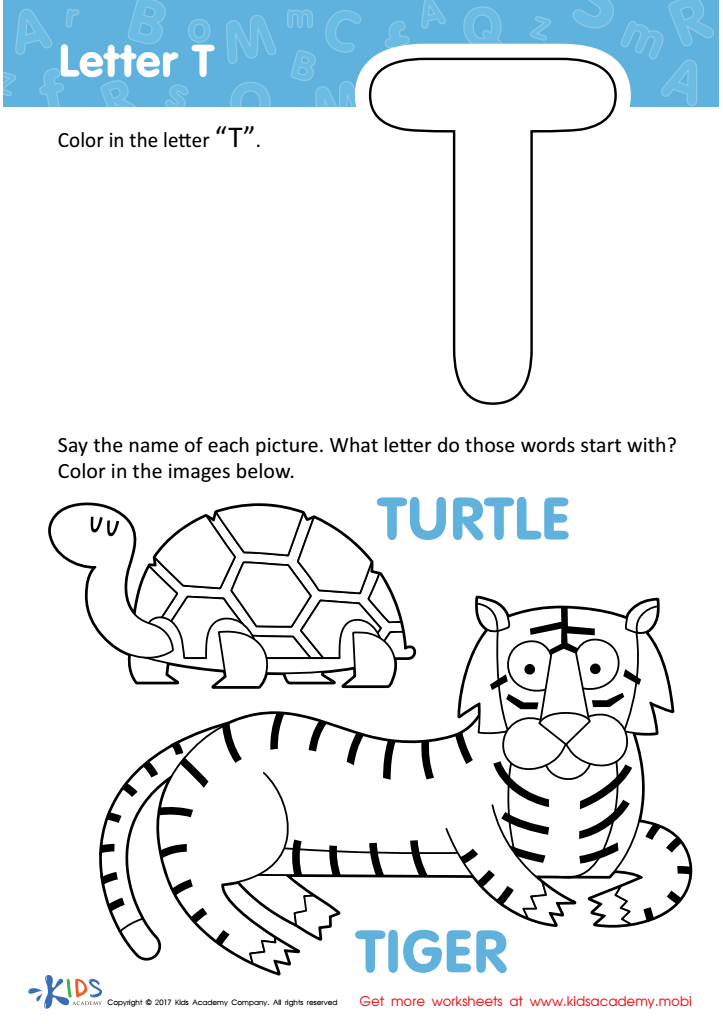
Letter T Coloring Sheet
 Assign to My Students
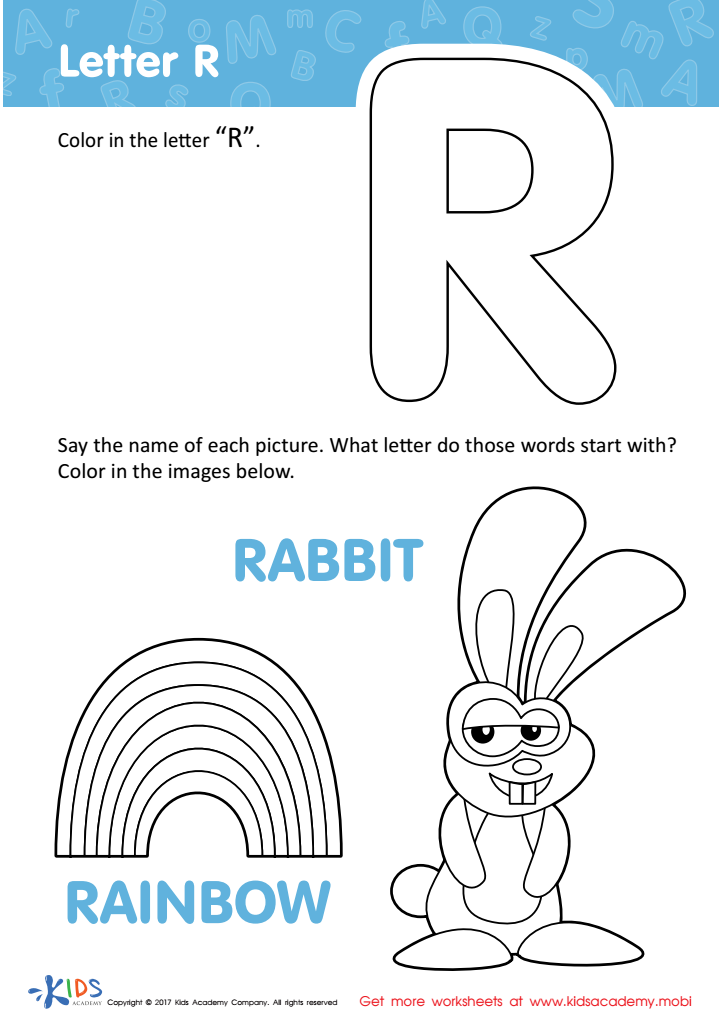
Letter R Coloring Sheet
Assign to My Students
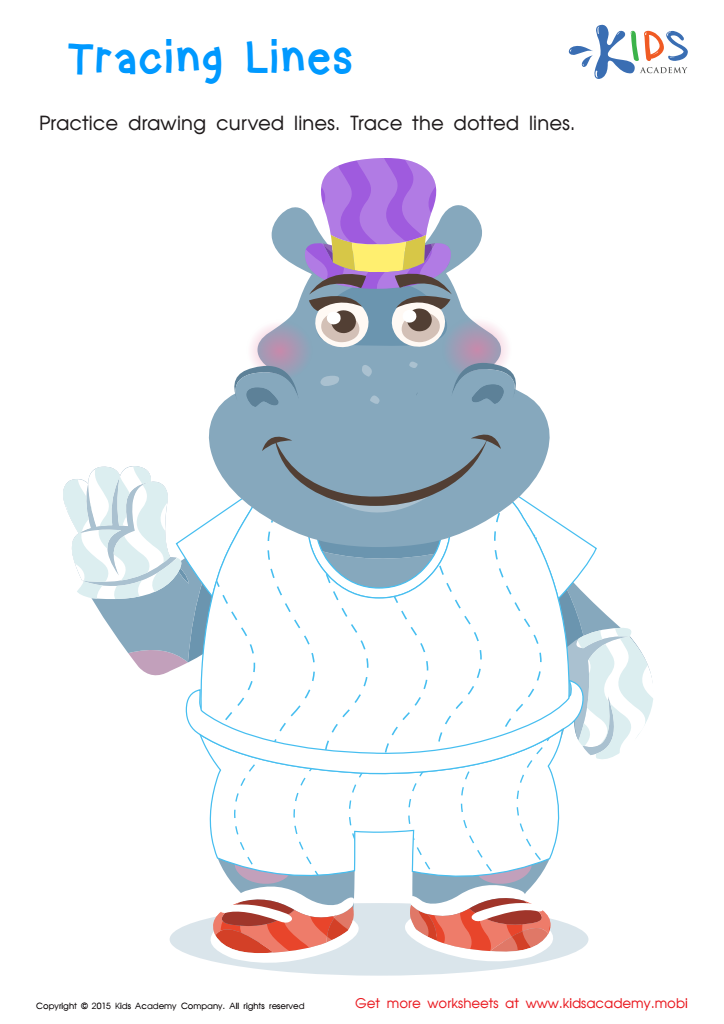
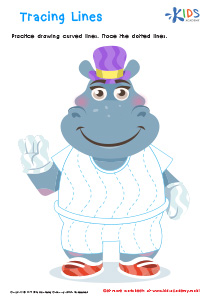
Tracing Lines Worksheet






Hand-eye coordination is a crucial developmental skill for children, as it enhances their ability to synchronize visual information with hand movements. The "Hand-eye Coordination Easy Alphabet" program for ages 5-8 offers a playful and effective way to boost this essential ability while simultaneously introducing young learners to foundational literacy skills.
For children within this age group, learning to recognize and write letters is a critical step in their educational journey. Activities that focus on hand-eye coordination, such as tracing or drawing alphabet letters, reinforce fine motor skills, which are necessary for writing, tying shoelaces, and other daily tasks requiring precision. By making these activities enjoyable and accessible, parents and teachers can help children develop a sense of confidence and competence in their abilities.
Beyond academics, improving hand-eye coordination has broader implications. It enhances cognitive functions, such as problem-solving and spatial awareness, and contributes to physical abilities like catching a ball or riding a bicycle, supporting overall physical health and well-being.
Incorporating the "Hand-eye Coordination Easy Alphabet" program into a child's routine ensures a well-rounded approach to their development, promoting both intellectual growth and physical dexterity. This holistic enhancement can pave the way for future academic success and everyday practical skills, making it a vital consideration for attentive parents and teachers.