Writing practice Easy Alphabet Worksheets for Ages 5-8
3 filtered results
-
From - To
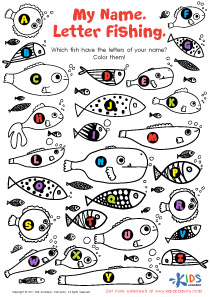
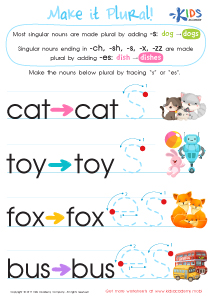
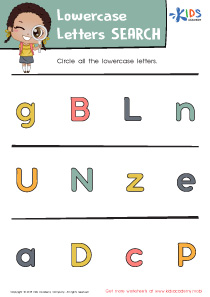
Help your child master the ABCs with our Writing Practice Easy Alphabet Worksheets tailored for ages 5-8! These fun, engaging printables are designed to strengthen young learners’ writing skills while making learning enjoyable. Each worksheet promotes letter recognition, tracing, and independent writing, paving the way for excellent handwriting. Perfect for individual practice or classroom use, these worksheets neatly blend education with creativity, ensuring children gain confidence in their alphabet skills. Ideal for parents, teachers, and homeschooling setups, our worksheets make learning the alphabet easy and exciting! Start your child's writing journey today with our easy alphabet worksheets.
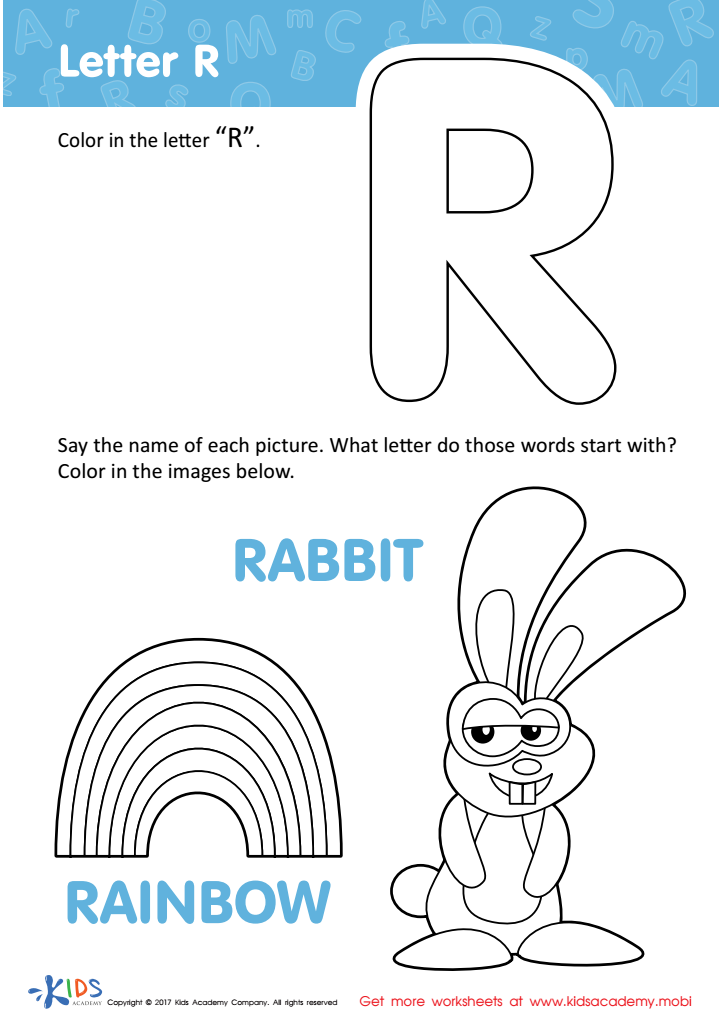
Letter R Coloring Sheet
 Assign to My Students
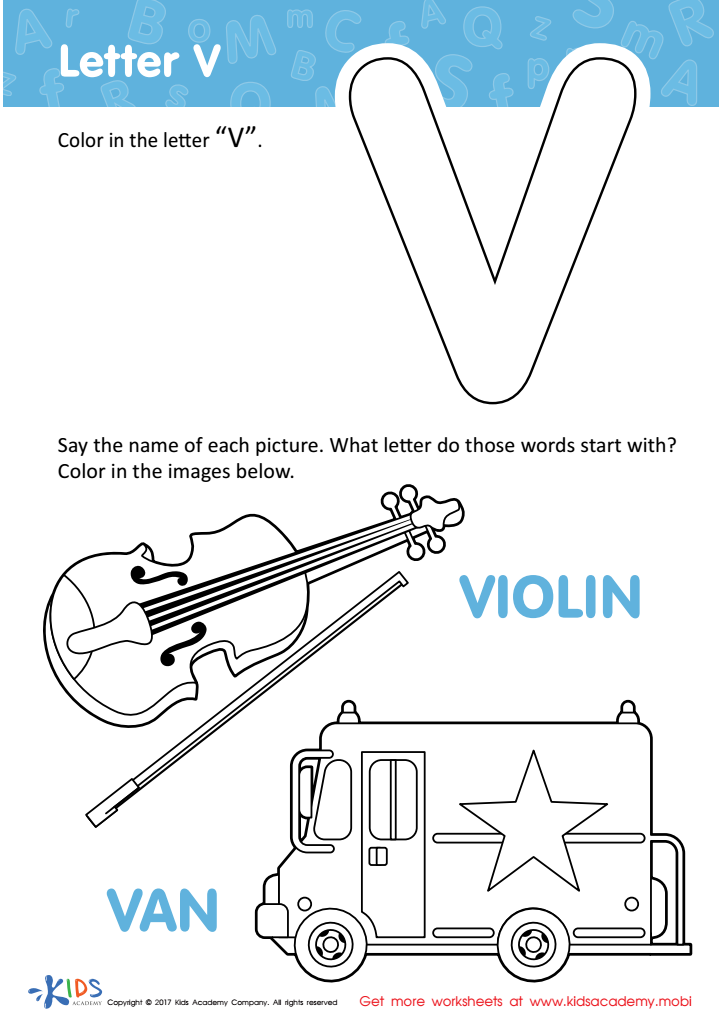
Letter V Coloring Sheet
Assign to My Students
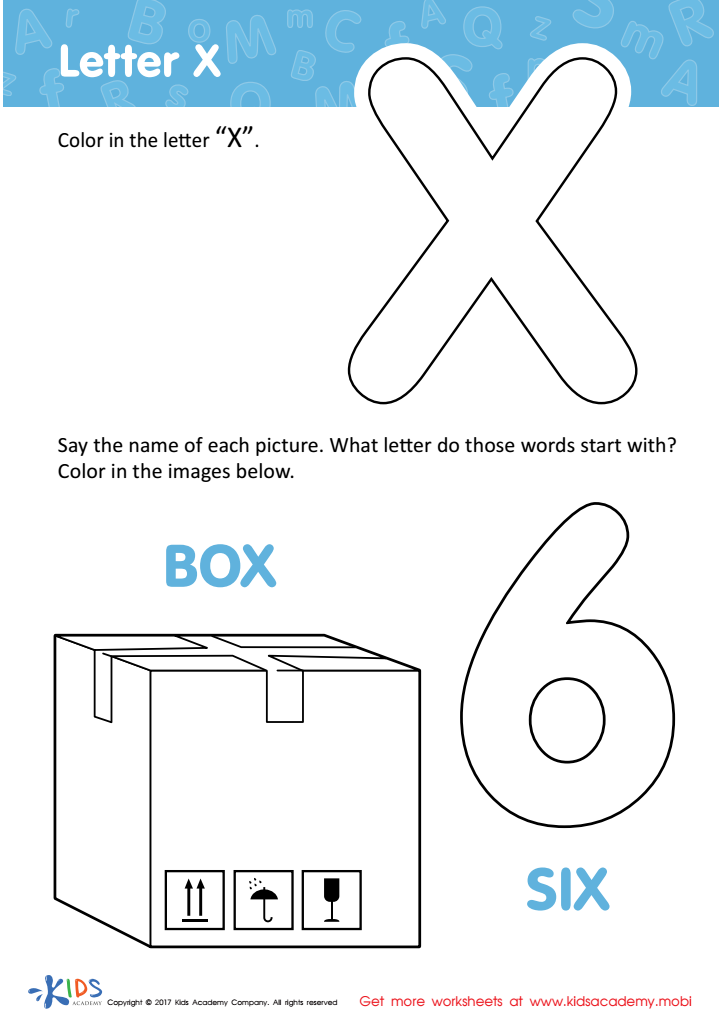
Letter X Coloring Sheet
Assign to My Students







Encouraging writing practice through "Easy Alphabet" for children aged 5-8 is crucial for several important reasons. Firstly, it reinforces vital fine motor skills. Children at this age are still developing their hand coordination, and writing helps strengthen the small muscles in their hands and fingers, which are essential for everyday tasks like tying shoelaces or buttoning clothes.
Secondly, early writing practice lays the foundation for literacy. Recognizing and forming letters allows children to make the connection between spoken and written language, an essential step in learning to read. The ability to write letters also boosts a child's confidence as they start to see progress in their reading and writing skills.
Furthermore, writing supports cognitive development. It enhances memory and helps children learn to express their thoughts and emotions. Writing practice also fosters attention and concentration, skills that are critical for academic success.
Additionally, early writing experiences can be fun and engaging. Using colorful worksheets or creative activities can turn writing practice into an enjoyable routine rather than a chore. This not only makes learning enjoyable but also cultivates a positive attitude towards education.
Lastly, parental or teacher involvement in writing practice strengthens the child-adult bond, showing the child that their learning is valued and supported, which is essential for their overall development.