Fine Motor Skills Easy Letter Recognition Worksheets for Ages 5-8
6 filtered results
Difficulty Level
Grade
Age
-
From - To
Subject
Activity
Standards
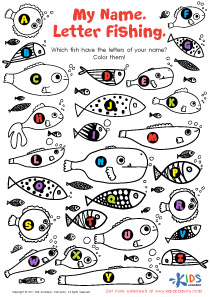
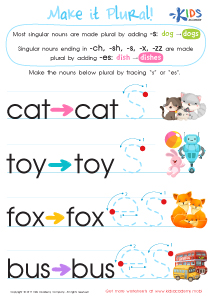
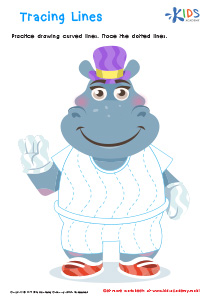
Discover our engaging "Fine Motor Skills Easy Letter Recognition Worksheets" designed specifically for children ages 5-8. These printable worksheets make learning the alphabet fun and interactive, featuring a variety of activities to develop fine motor skills, such as tracing, coloring, and drawing. Perfect for young learners, these resources build hand-eye coordination and dexterity while reinforcing letter recognition. Ideal for both classroom and at-home use, our worksheets provide a strong foundation for early reading and writing skills. Empower your child’s education journey with these thoughtfully crafted tools that make mastering the alphabet an enjoyable experience.
Favorites
With answer key
Interactive
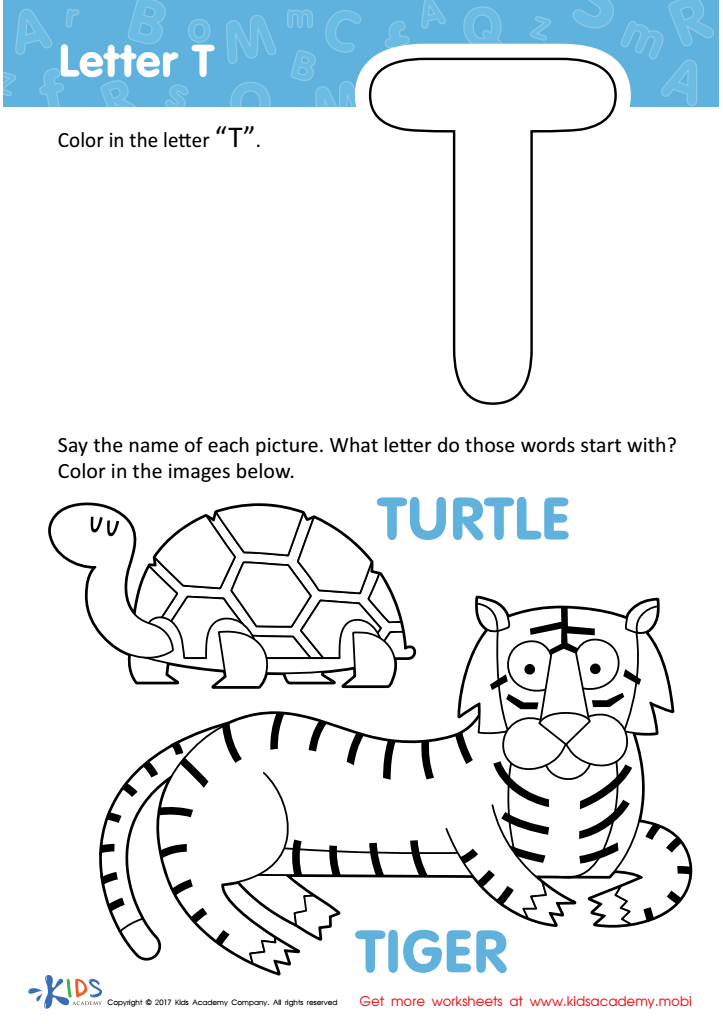
Letter T Coloring Sheet
Introduce your child to the letter "T" and its animals – turtles and tigers! With this coloring page, you can stimulate your child's imagination and creativity, while helping them recognize the letter "T". Have fun with your child and get coloring!
Download (PDF)
 Assign to My Students
Assign to My Students
Letter T Coloring Sheet
Worksheet
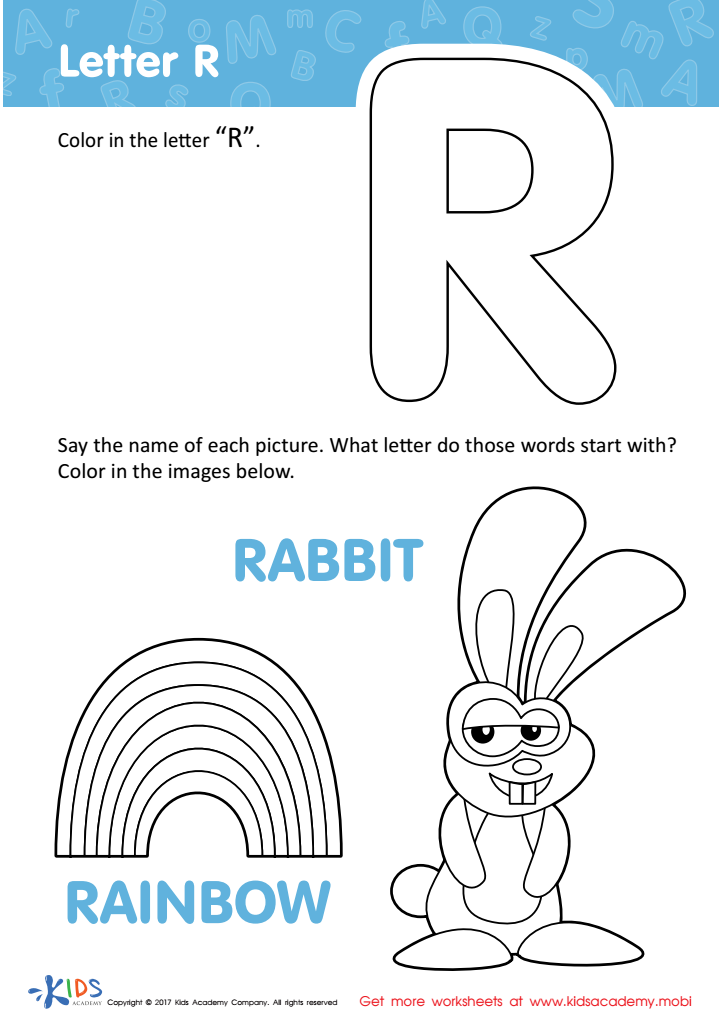
Letter R Coloring Sheet
Let your child explore the rainbow with this fun letter "R" coloring page! They can learn to recognize the letter and make connections to words, all while having fun! Make alphabet learning enjoyable with joyful coloring pages.
Download (PDF)
Assign to My Students
Assign to My Students
Letter R Coloring Sheet
Worksheet
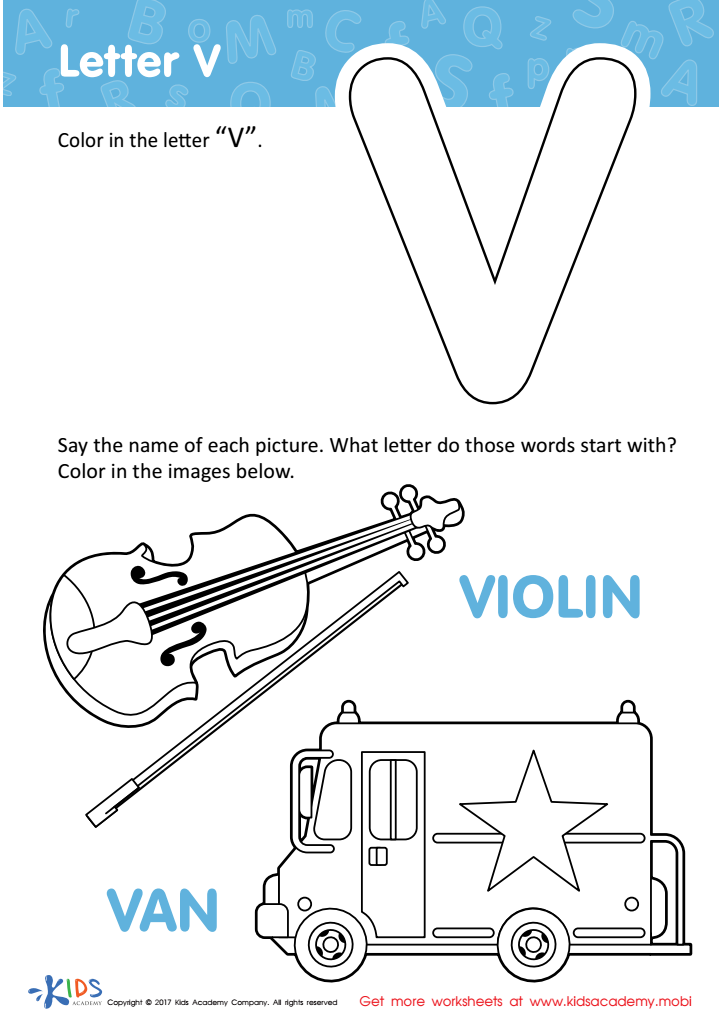
Letter V Coloring Sheet
This fun letter V coloring page can boost your child's knowledge of the letter "V" and its sound. Help them pronounce it correctly, too!
Download (PDF)
Assign to My Students
Assign to My Students
Letter V Coloring Sheet
Worksheet
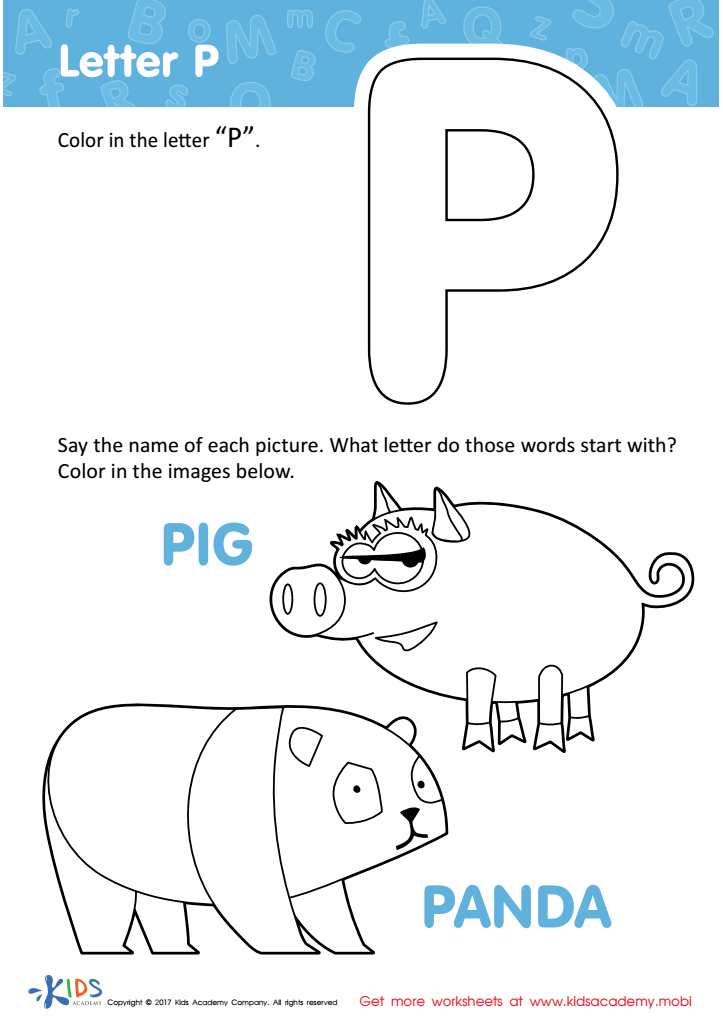
Letter P Coloring Sheet
Encourage your child's creativity and letter recognition with this "P" coloring page! Through coloring animals such as pigs and pandas, your little one will get to know the sound of the letter "P" and have fun too!
Download (PDF)
Assign to My Students
Assign to My Students
Letter P Coloring Sheet
Worksheet
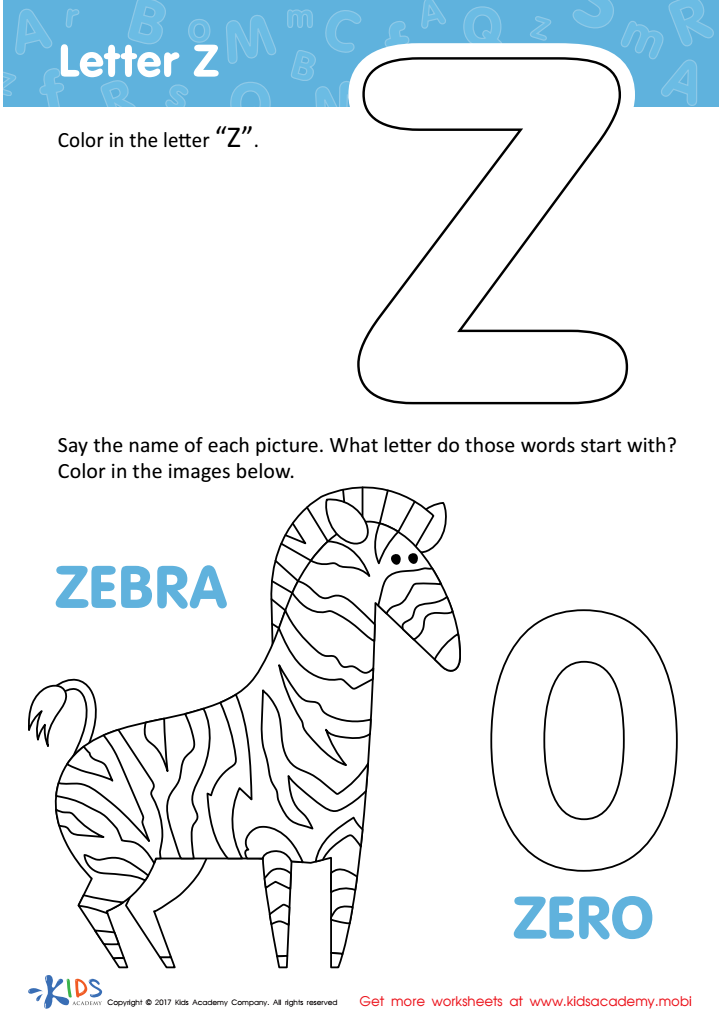
Letter Z Coloring Sheet
This coloring page featuring the letter "Z" is perfect for your child to practice letter recognition! Help them learn the unique sound it makes as they color. It'll be a fun and easy activity they won't have trouble with!
Download (PDF)
Assign to My Students
Assign to My Students
Letter Z Coloring Sheet
Worksheet
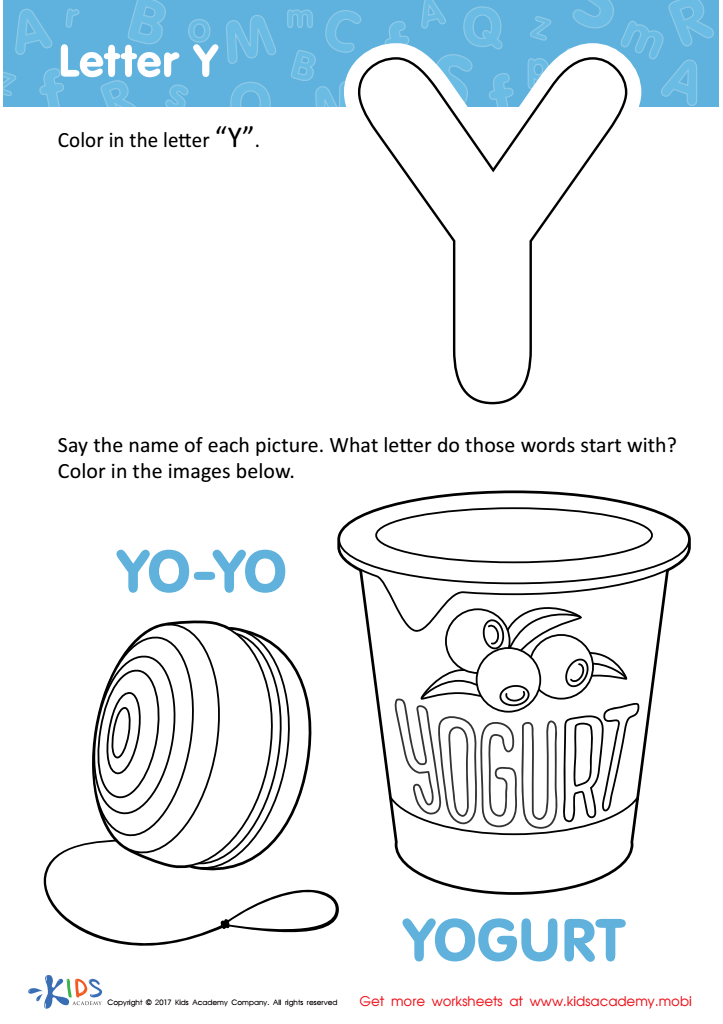
Letter Y Coloring Sheet
Let's celebrate letter "Y"! Here's a fun coloring page that'll help your child learn this end-of-the alphabet letter. It's packed with familiar objects that'll help build their art and literacy skills. So let's say "Yay"!
Download (PDF)
Assign to My Students
Assign to My Students
Letter Y Coloring Sheet
Worksheet
Join Kids Academy for Free
Who is primarily going to use this learning content?








Developing fine motor skills and letter recognition in children aged 5-8 is crucial for their overall educational success and daily activities. Fine motor skills involve the coordination of small muscles in hands and fingers, essential for tasks like writing, buttoning clothes, and manipulating small objects. When children refine these skills, they build the physical foundation needed for proper pencil grip and handwriting, which directly influences their ability to write legibly and efficiently.
Simultaneously, letter recognition is a critical pre-reading skill. Children who easily recognize and differentiate between letters become more proficient at understanding the basics of language, which fosters better reading and writing fluency. This foundational knowledge supports vocabulary expansion, comprehension, and academic confidence.
By focusing on these skills during early childhood, parents and teachers provide children with the tools necessary for academic success and practical life skills. Engaging activities like tracing letters, playing with playdough, or using scissors can make learning enjoyable while strengthening these core abilities. Investing time and attention in developing fine motor skills and letter recognition sets children up for smoother transitions into more complex academic tasks and nurtures independence in their everyday routines, benefiting their self-esteem and lifelong learning journey.