Hand-eye Coordination Easy Coloring Pages Worksheets for Ages 5-8
8 filtered results
-
From - To
Welcome to our collection of Hand-eye Coordination Easy Coloring Pages Worksheets, specially designed for children aged 5 to 8! These engaging worksheets provide a fun and interactive way to develop crucial motor skills. By coloring vibrant images, kids enhance their hand-eye coordination while nurturing their creativity and focus. Each worksheet features child-friendly designs that captivate young imaginations and promote fine motor skills through tracing, coloring, and following instructions. Perfect for both classroom settings and home activities, these worksheets encourage playful learning in a supportive environment. Explore our easy coloring pages today and watch your child thrive as they learn through art!
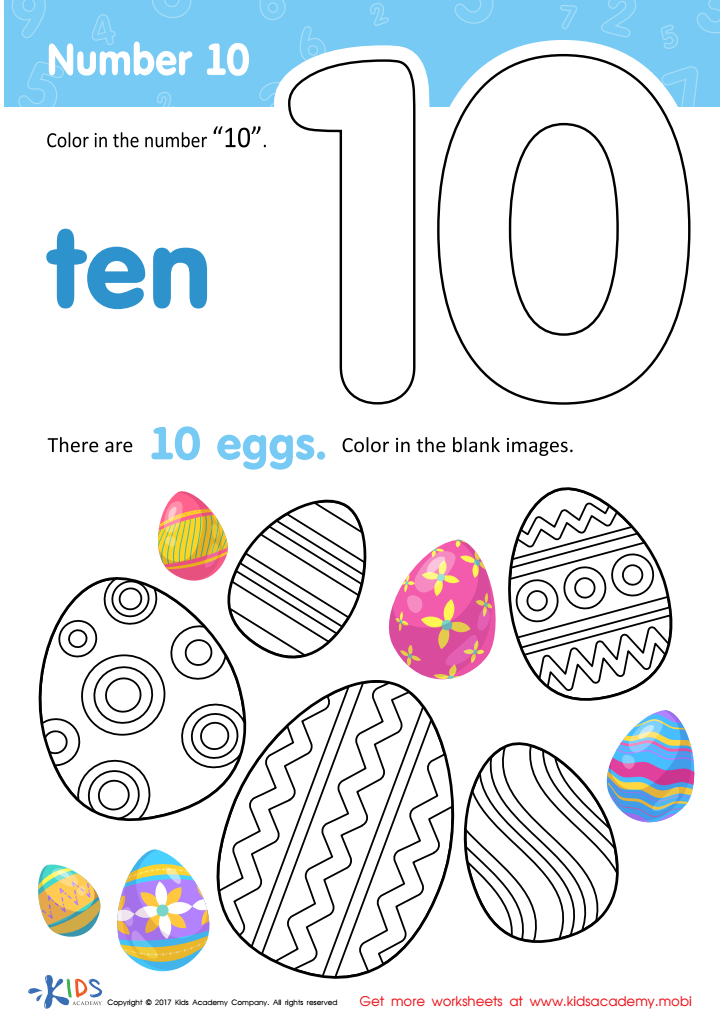
Number 10 Printable
 Assign to My Students
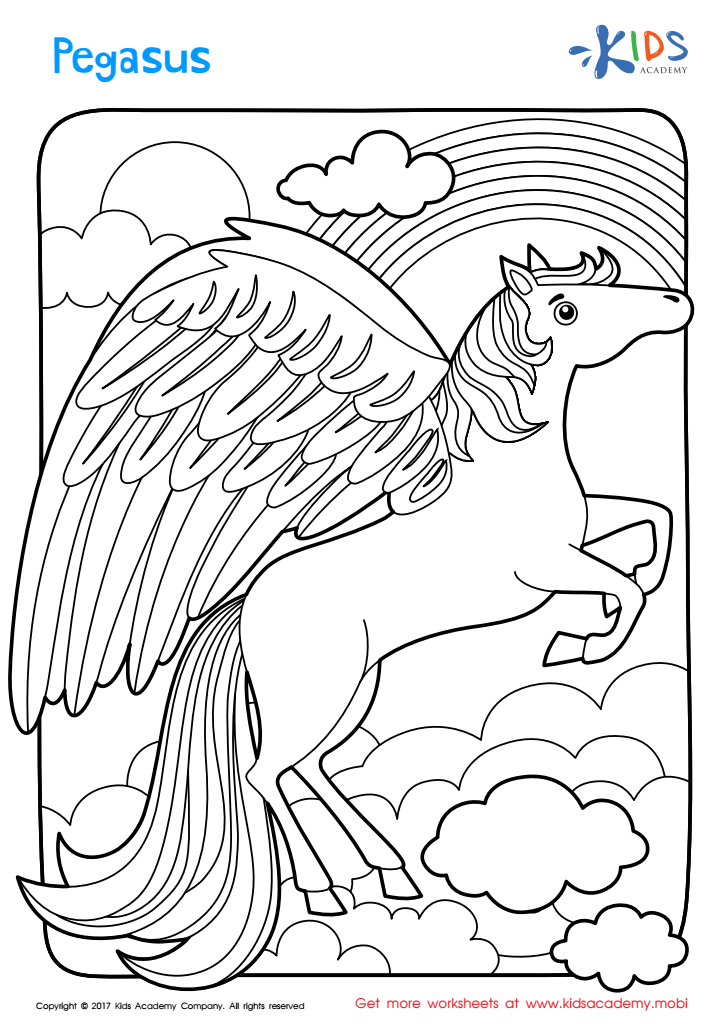
Pegasus Printable
Assign to My Students
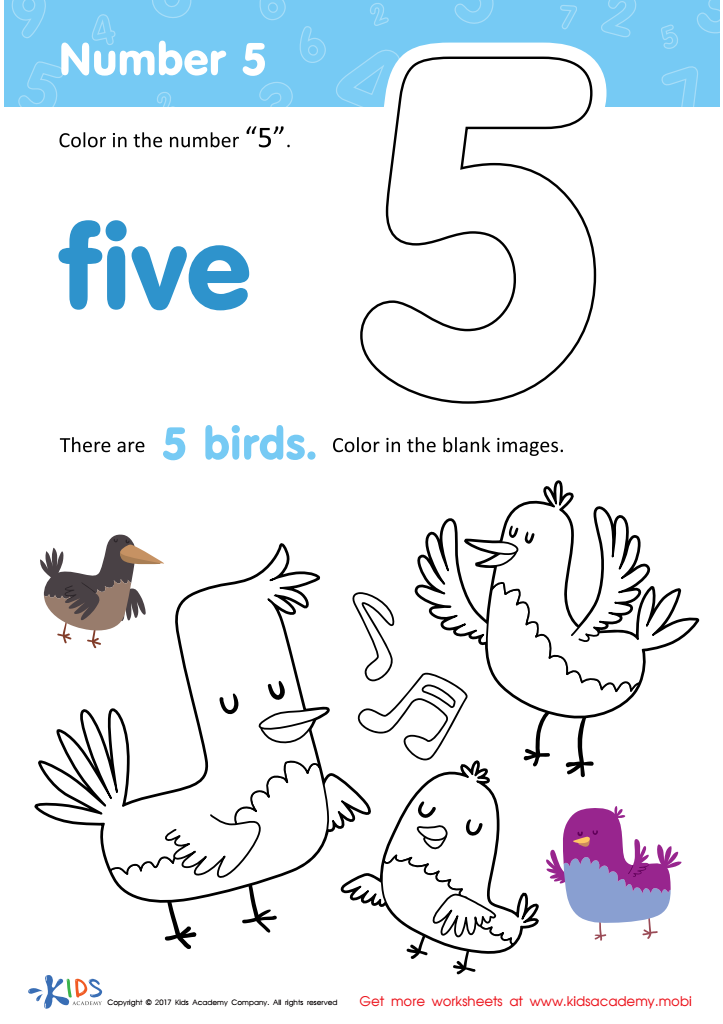
Number 5 Printable
Assign to My Students
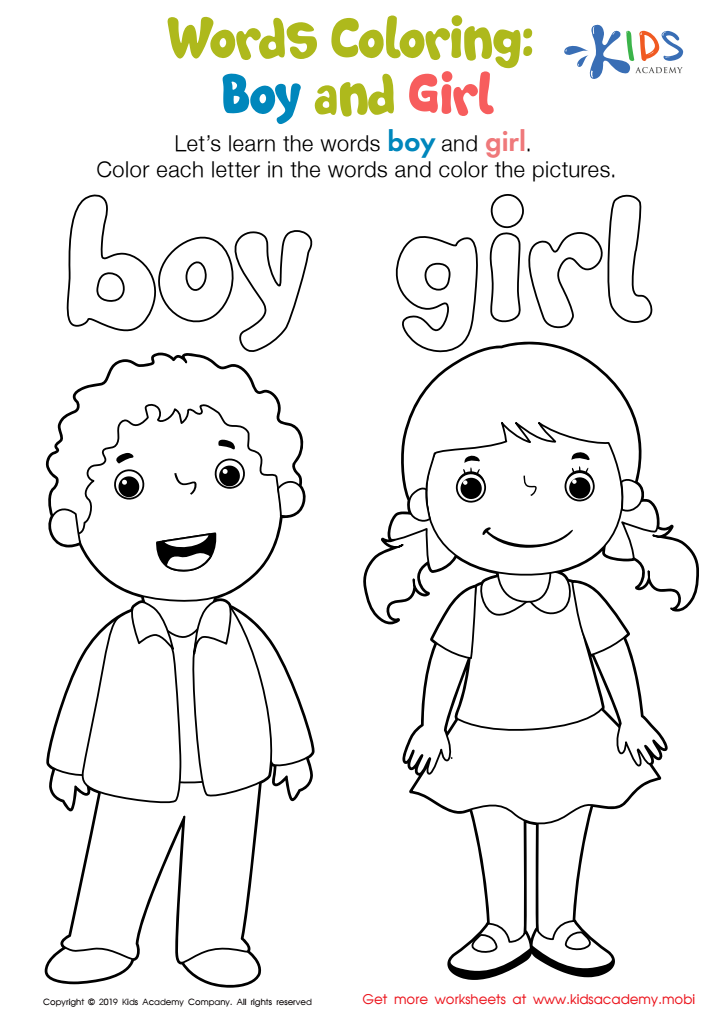
Boy and Girl Words Coloring Worksheet
Assign to My Students
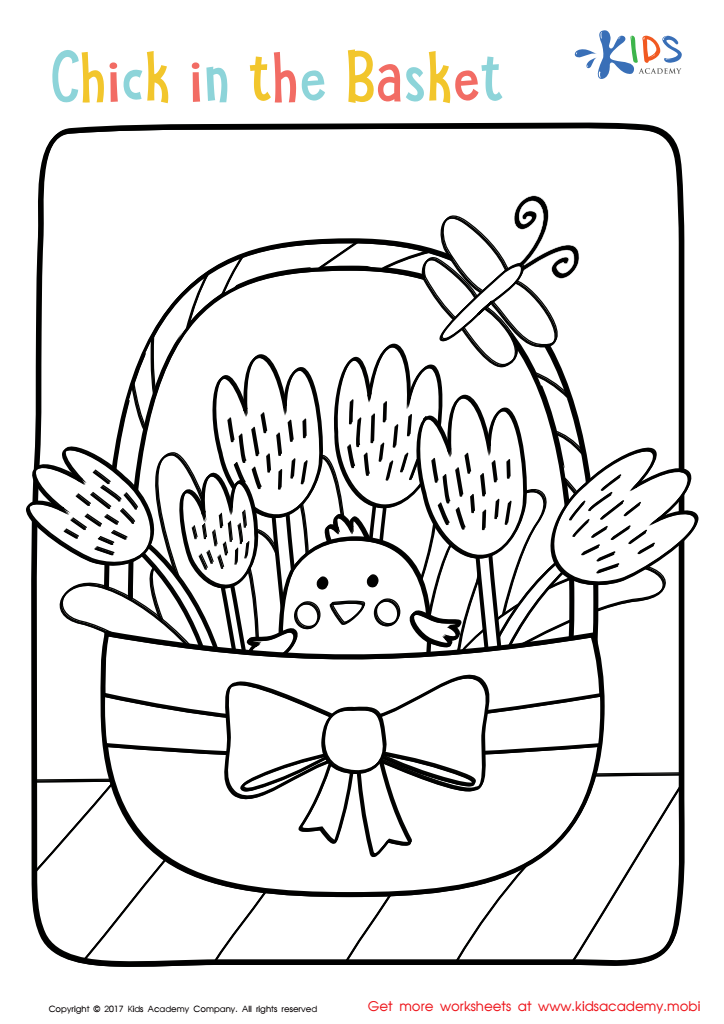
Easter: Chick in the Basket Worksheet
Assign to My Students
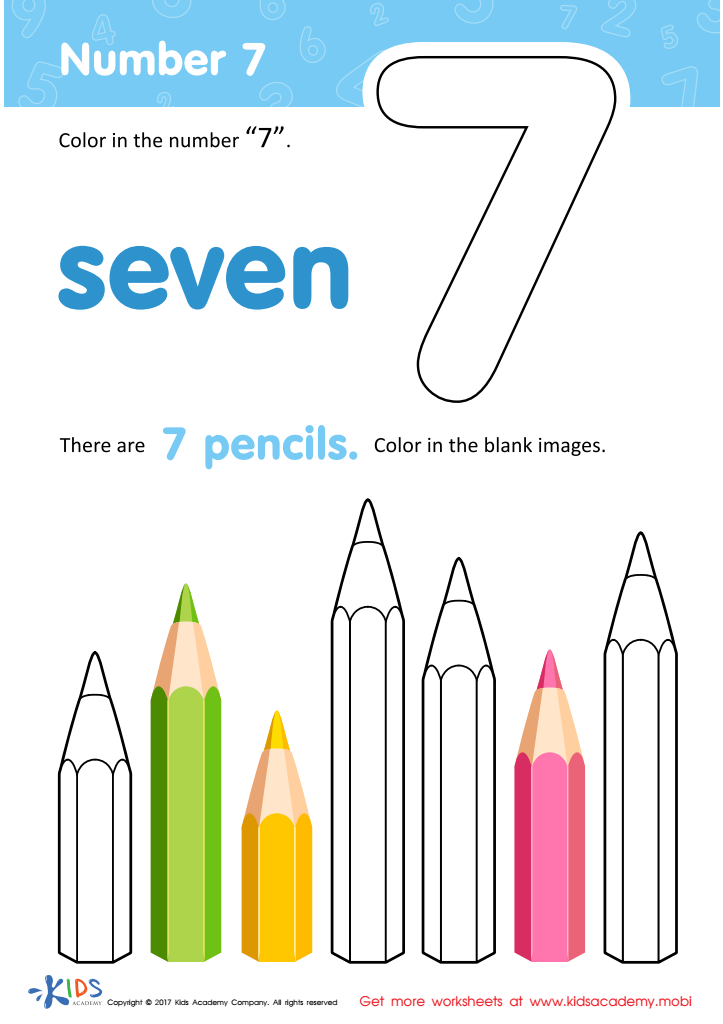
Number 7 Worksheet
Assign to My Students
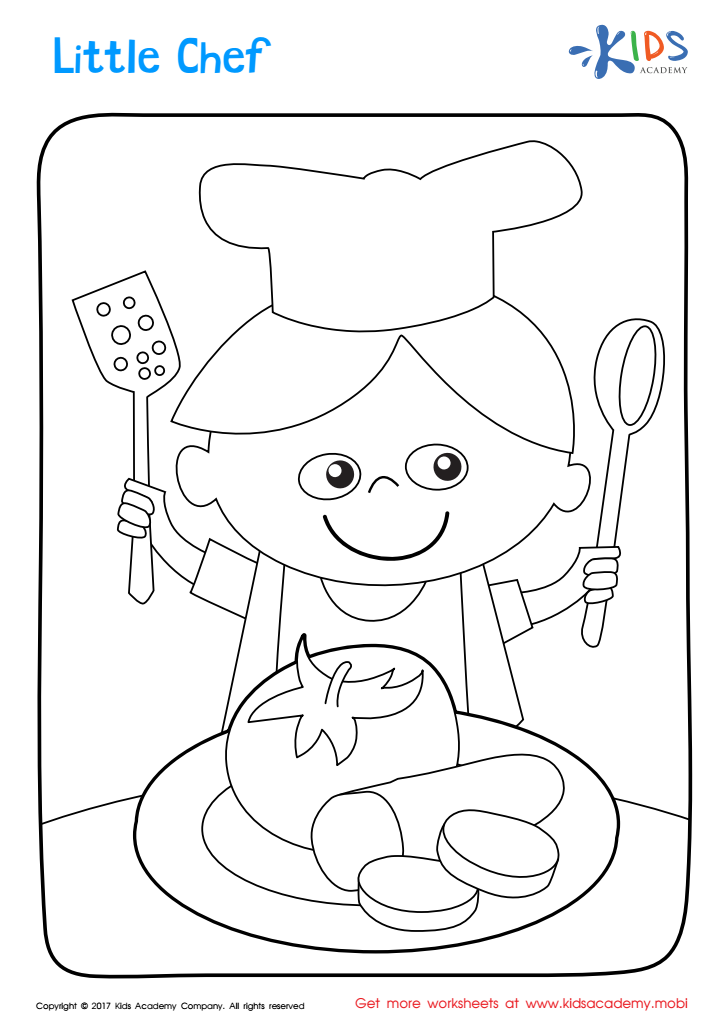
Little Chef Coloring Page
Assign to My Students
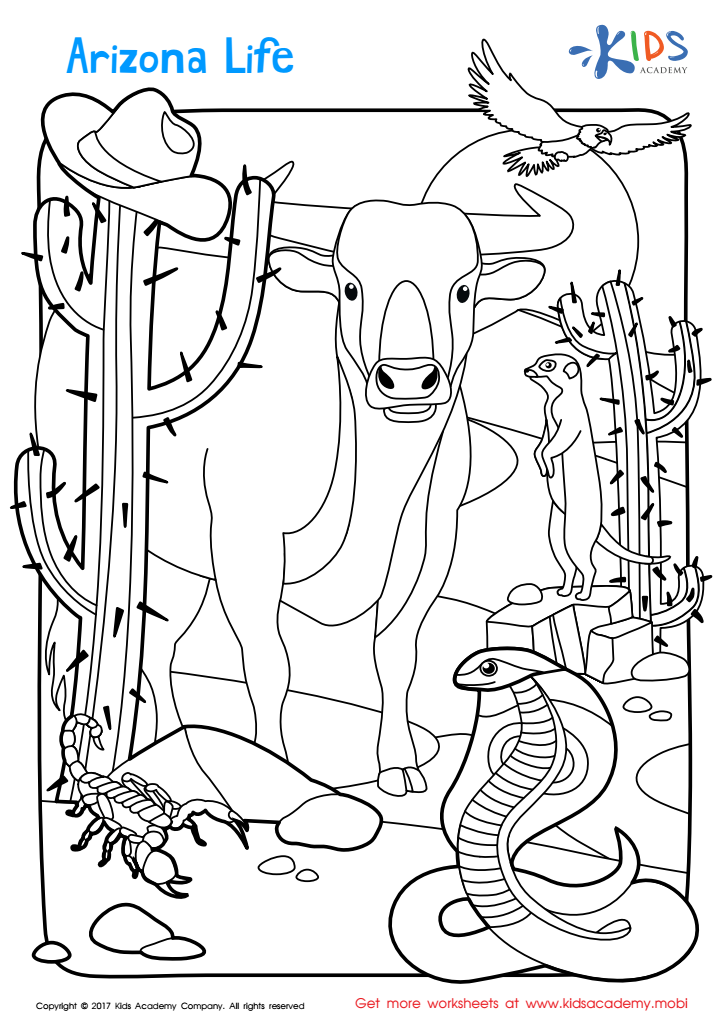
Arizona Coloring Page Worksheet
Assign to My Students







.jpg)
Hand-eye coordination is a crucial developmental skill for children aged 5-8, significantly impacting their academic success and daily activities. Engaging activities such as easy coloring pages can foster this skill in a fun, interactive way. When children manipulate crayons or markers to fill shapes and outlines, they strengthen the connection between their visual perception and motor control, building dexterity and control over their movements.
Parents and teachers should care about incorporating these coloring activities into learning environments because they not only promote hand-eye coordination but also enhance fine motor skills, which are essential for writing and various tasks later in life. These coloring exercises often require focus and concentration, helping kids improve their attention spans and overall cognitive development.
Furthermore, coloring activities can be used to introduce concepts such as color recognition, following instructions, and creativity expression. By investing time in these easy yet impactful activities, parents and teachers nurture well-rounded skills that contribute to children’s academic readiness and boost their confidence in their abilities. In summary, easy coloring pages offer a multi-faceted approach to learning that supports physical coordination, cognitive development, and emotional growth, making them an essential tool in early childhood education.