Color recognition Easy English for Beginners Worksheets for Ages 5-8
9 filtered results
-
From - To
Boost your child’s learning with our Color Recognition Easy English for Beginners Worksheets for Ages 5-8! Perfect for young learners, these engaging worksheets are designed to enhance color recognition and basic English skills, making them ideal for both native speakers and ESL students. Bright illustrations and simple exercises ensure that kids can easily identify and name colors while developing language abilities. Whether at home or in the classroom, these printable resources make learning fun and interactive. Watch your child’s confidence and skills grow as they enjoy these delightful activities tailored specially for ages 5-8.
Red and Blue Coloring Fun Worksheet
 Assign to My Students
Yellow and Green Coloring Fun Worksheet
Assign to My Students
Robot Fun Worksheet
Assign to My Students
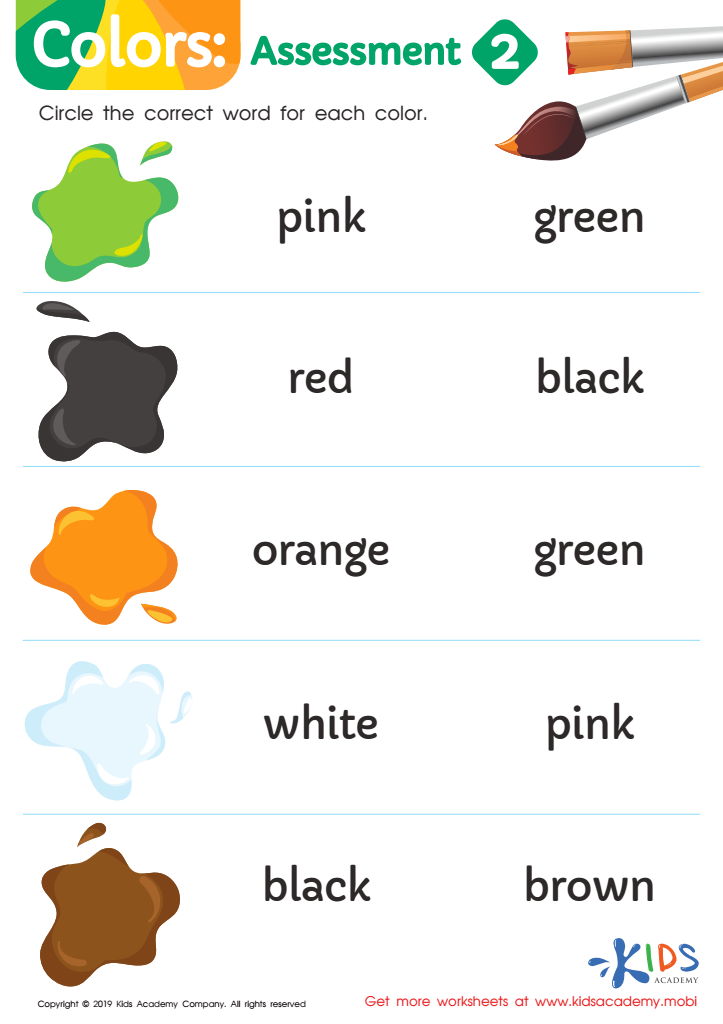
Colors: Assessment 2 Worksheet
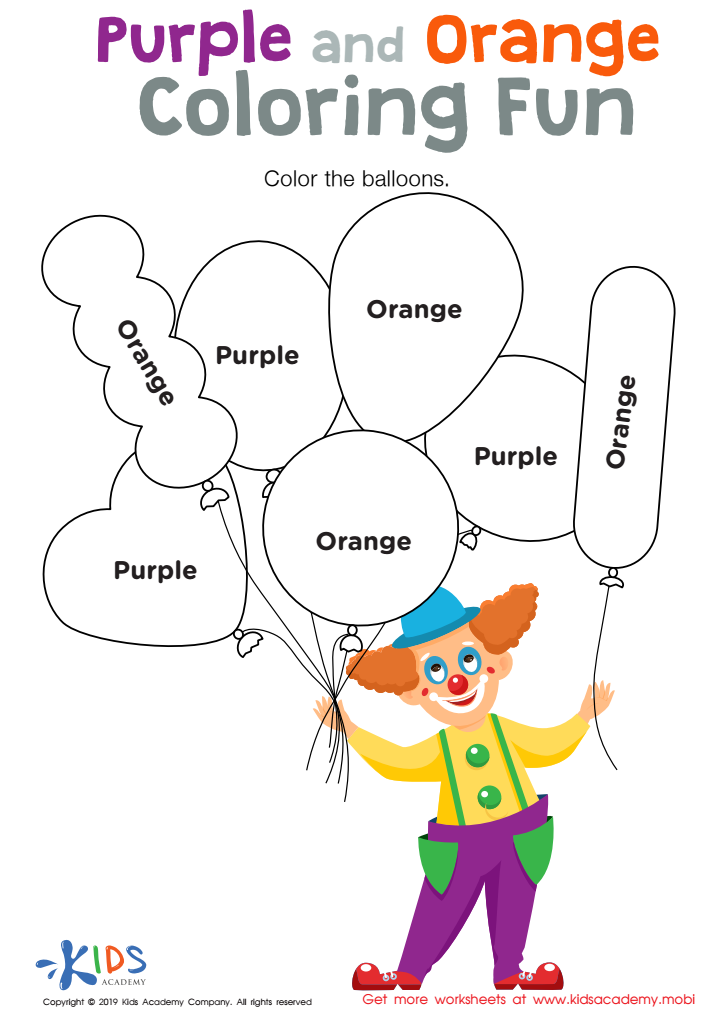
Purple and Orange Coloring Fun Worksheet
Assign to My Students
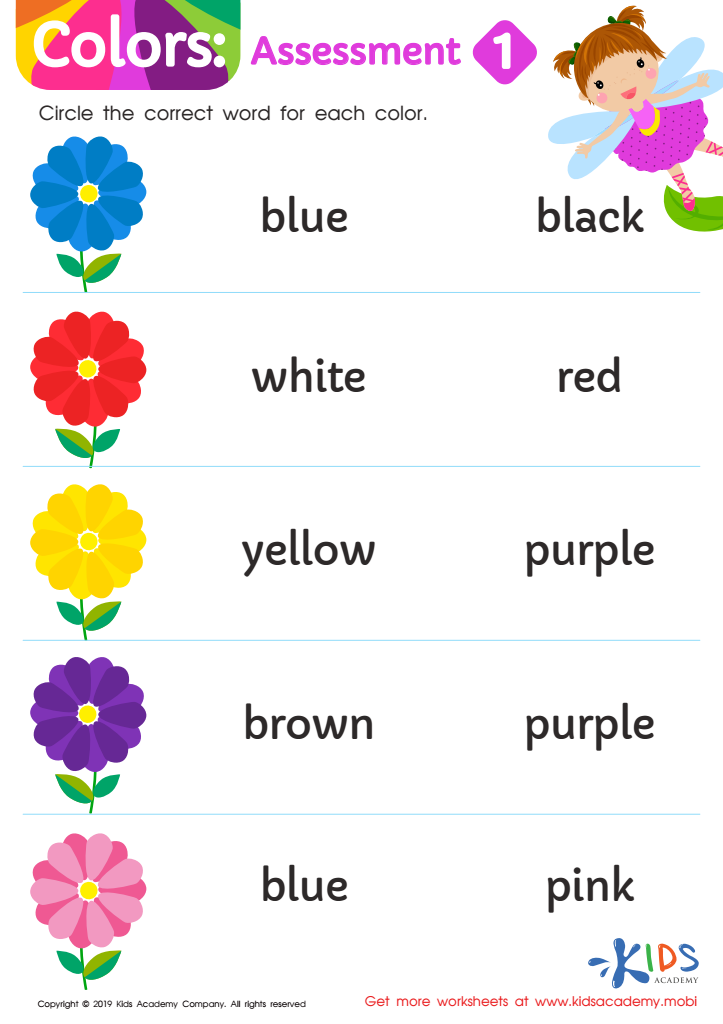
Colors: Assessment 1 Worksheet
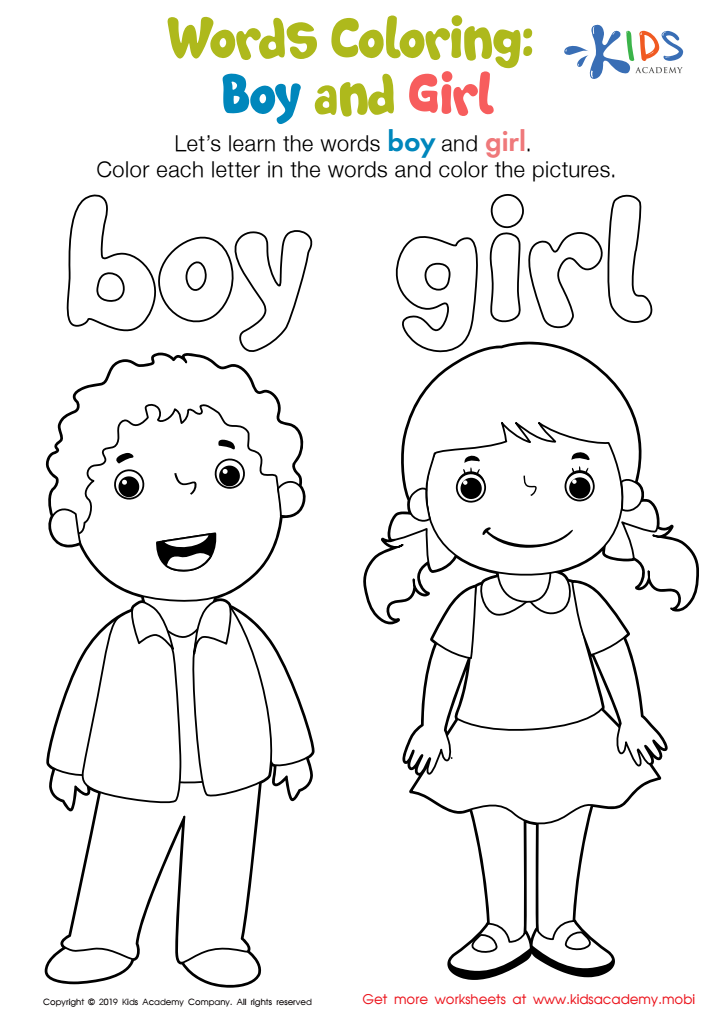
Boy and Girl Words Coloring Worksheet
Assign to My Students
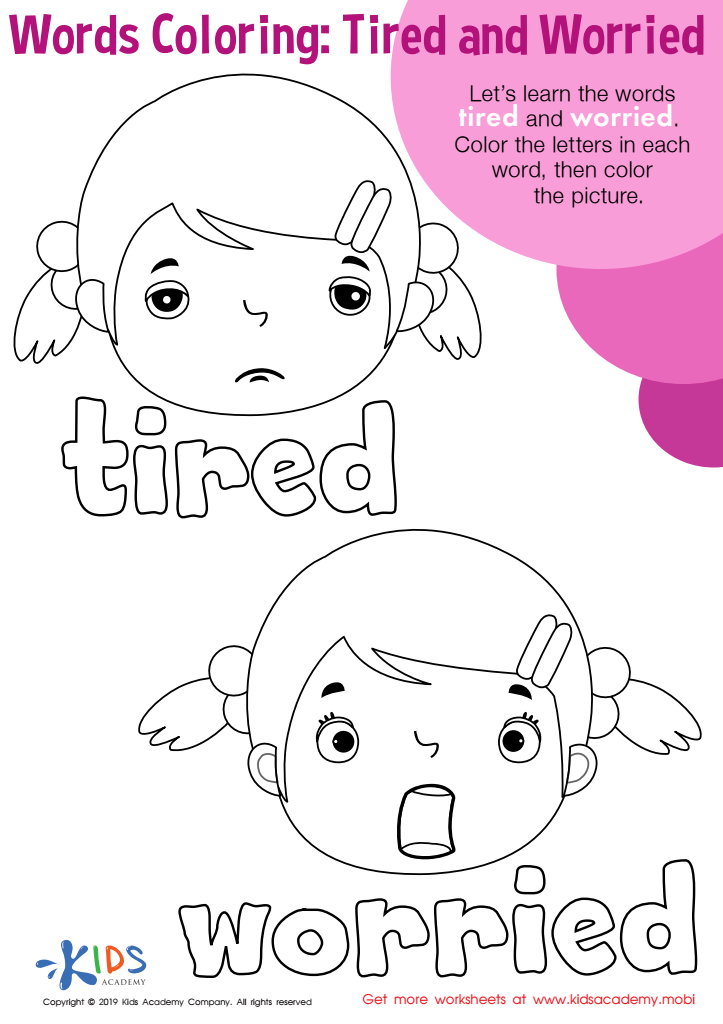
Tired and Worried Words Coloring Worksheet
Assign to My Students
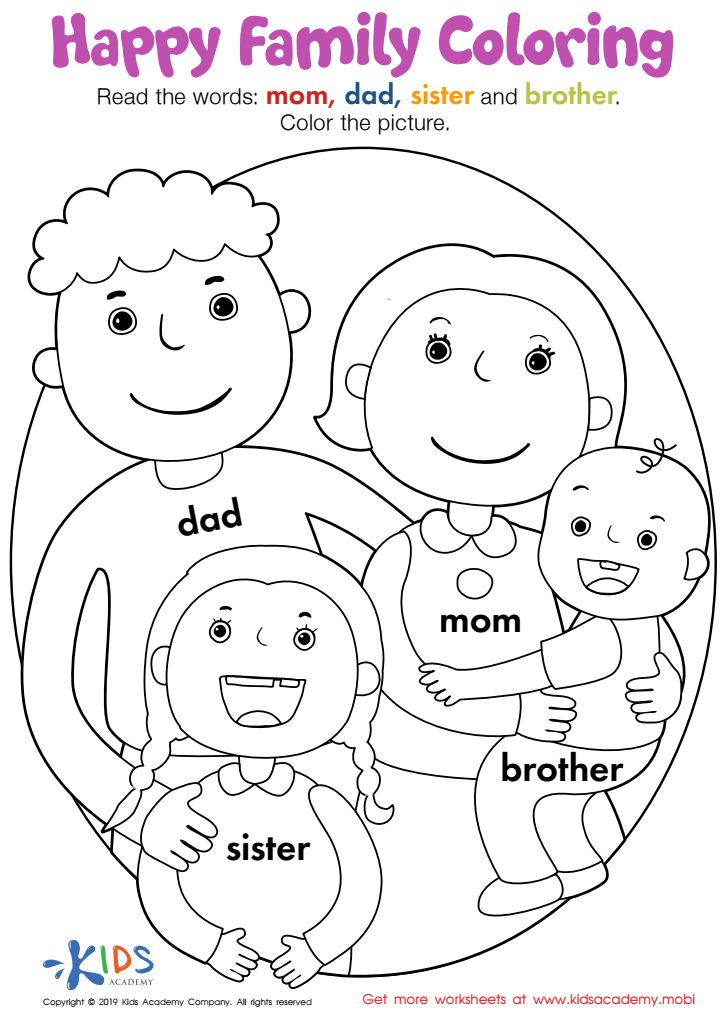
Happy Family Coloring Worksheet
Assign to My Students




Color recognition is a fundamental skill that has significant benefits for children aged 5-8. Parents and teachers should care about it because recognizing and differentiating colors is a crucial part of a child's development. Colors are often used as basic descriptors in the environment, teaching children how to observe and categorize the world around them.
Firstly, learning colors enhances a child's cognitive skills. It involves memory and critical thinking as they learn to distinguish between different shades and hues. This paves the way for learning more complex concepts, like shapes, patterns, and even early math skills.
Secondly, color recognition plays a pivotal role in communication development. As kids describe and identify colors, they acquire and practice new vocabulary. Saying “red apple” or “blue sky” helps them to expand their descriptive language and improves their ability to express themselves clearly.
Additionally, colors can aid in emotional development. Different colors evoke different emotions and moods, helping children to articulate their feelings. For example, they might say they feel "blue" when they are sad or "bright" when they are happy, relating colors to their internal states.
Lastly, mastering color recognition fosters artistic expression. It encourages creativity and imagination, allowing children to create visual art, blend colors, and explore their artistic abilities. Hence, both parents and teachers should prioritize teaching color recognition, ensuring a well-rounded early education experience.