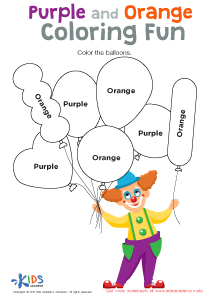
Letter recognition Easy English for Beginners Worksheets for Ages 5-8
5 filtered results
-
From - To
Discover the joy of learning with our "Letter Recognition Easy English for Beginners Worksheets" designed specifically for children ages 5-8. Our engaging and interactive worksheets help young learners master letter identification through fun activities, exercises, and colorful visuals. Perfect for ESL students, these resources not only enhance letter recognition skills but also build a strong foundation for reading and writing. Each worksheet is carefully crafted to cater to different learning styles, ensuring an enjoyable educational experience. Boost your child’s confidence and literacy skills with our easy-to-use worksheets, making learning letters a delightful adventure! Start their journey today!
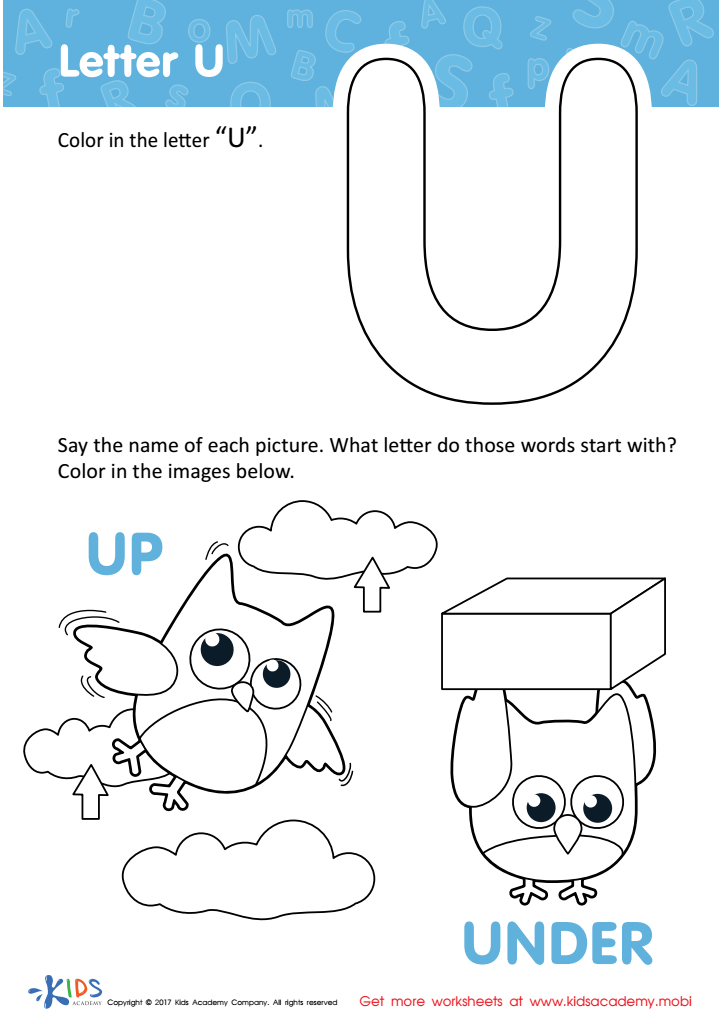
Letter U Coloring Sheet
 Assign to My Students
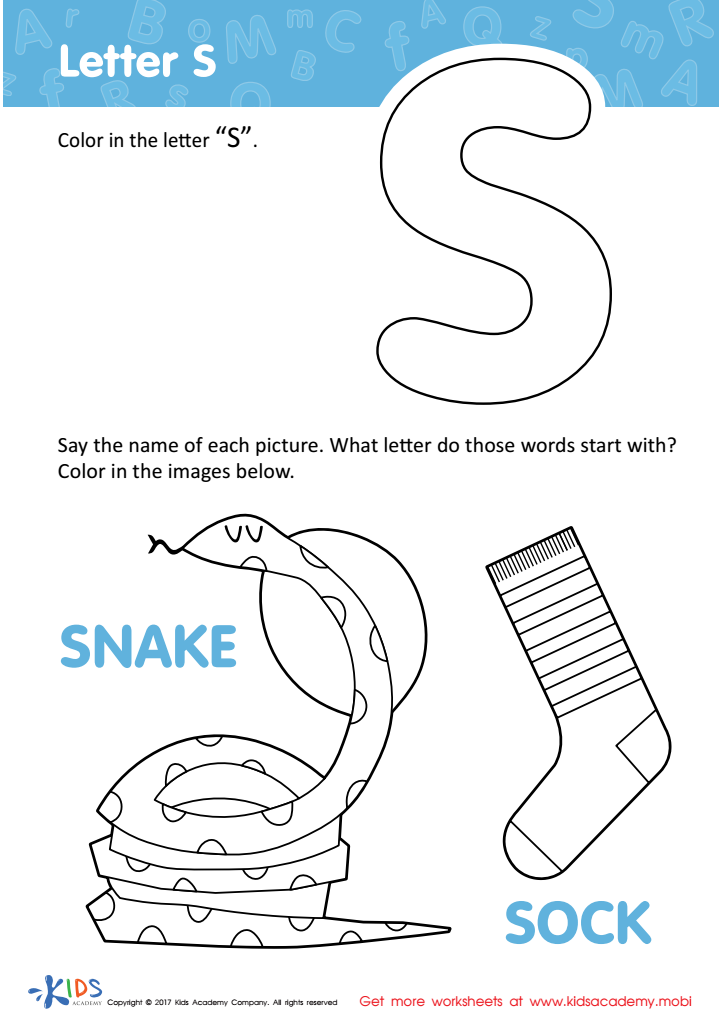
Letter S Coloring Sheet
Assign to My Students
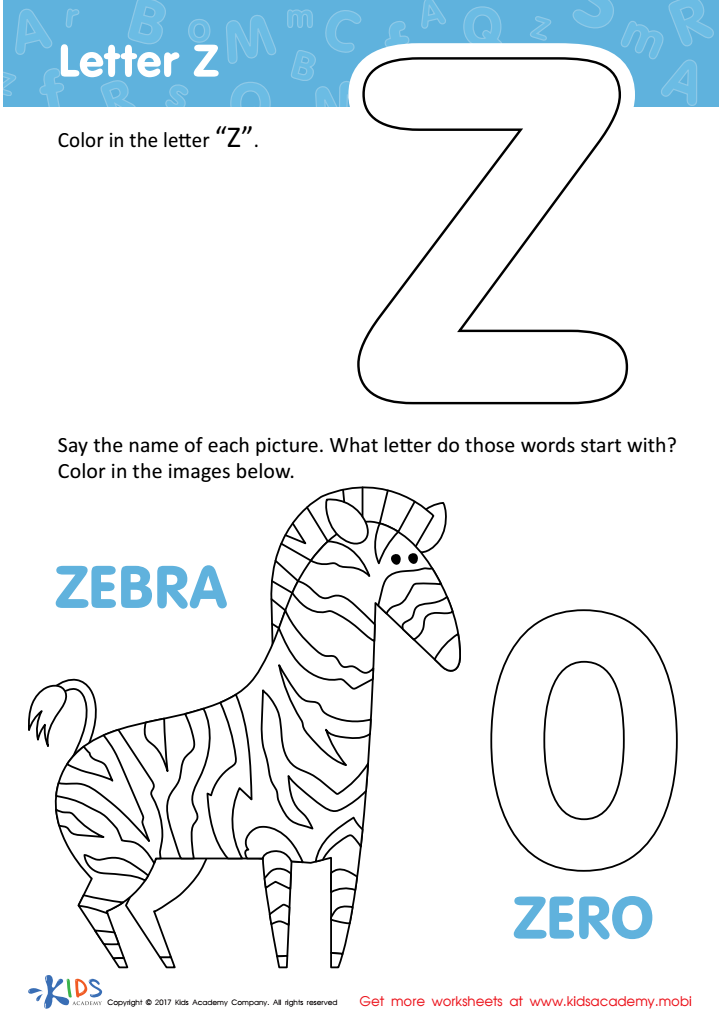
Letter Z Coloring Sheet
Assign to My Students
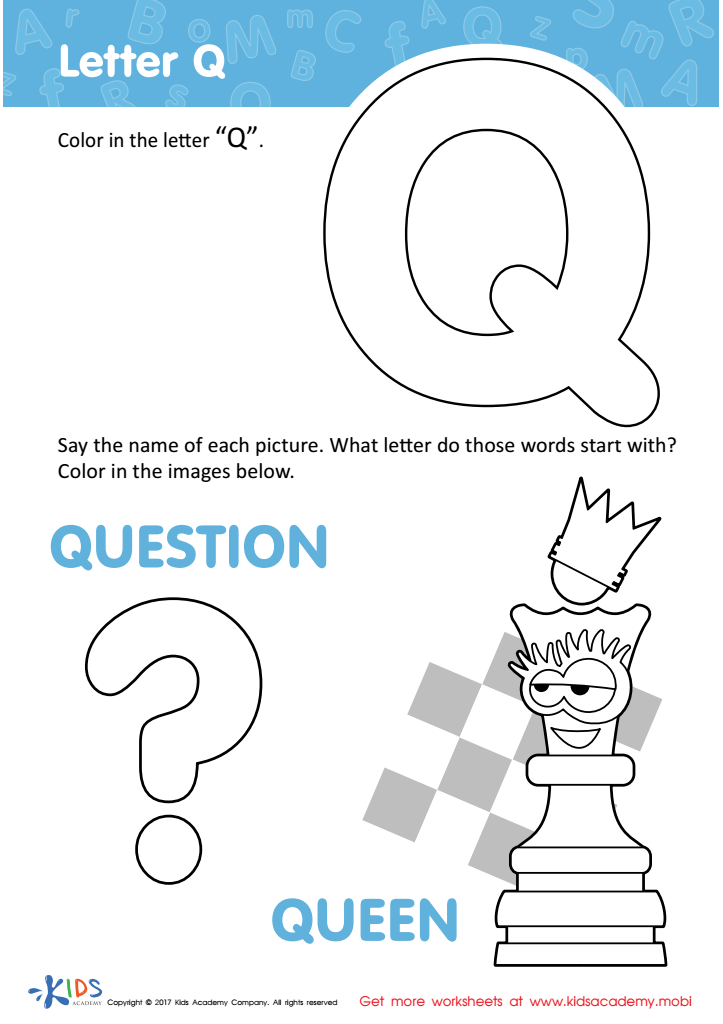
Letter Q Coloring Sheet
Assign to My Students
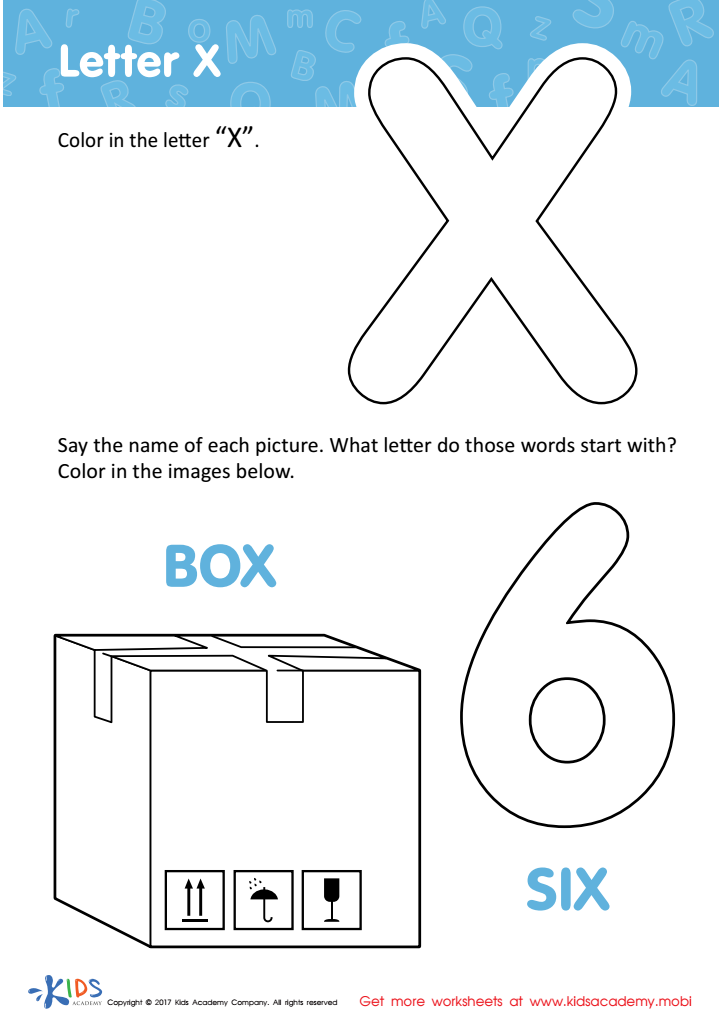
Letter X Coloring Sheet
Assign to My Students





Letter recognition is a fundamental skill that sets the foundation for literacy in young children, particularly for those aged 5-8. Parents and teachers should prioritize this skill because it forms the basis for reading and writing. When children can recognize letters, they are better equipped to understand the alphabetic principle, which is the understanding that letters represent sounds. This knowledge is crucial for developing phonics skills and decoding words, essential components of reading.
Engaging in letter recognition enhances cognitive development and improves language skills, allowing children to begin forming words and sentences. Additionally, mastering letter recognition boosts a child's confidence and motivation to engage with reading materials, fostering a lifelong love for learning.
Furthermore, letter recognition activities can be fun and interactive, providing opportunities for parents and teachers to engage with children through games, songs, and hands-on activities. In turn, this strengthens the parent-child or teacher-student relationship, making learning enjoyable and reinforcing positive experiences around literacy. Therefore, valuing letter recognition not only equips children with critical academic skills but also strengthens their emotional and social development, making it a key necessity in early education.