Visual perception Easy Numbers Worksheets for Ages 5-8
16 filtered results
-
From - To
Enhance your child's learning journey with our "Visual Perception Easy Numbers Worksheets" designed for ages 5-8! These engaging worksheets help boost visual recognition and understanding of numbers through fun activities. Young learners will develop critical skills such as number identification, counting, and matching, all while enjoying colorful illustrations and interactive tasks. Each worksheet encourages the development of fine motor skills and promotes cognitive growth, laying a strong foundation for future math success. Perfect for both classroom use and at-home practice, our resources offer a delightful way to help children grasp essential numerical concepts. Download now and make learning numbers exciting!
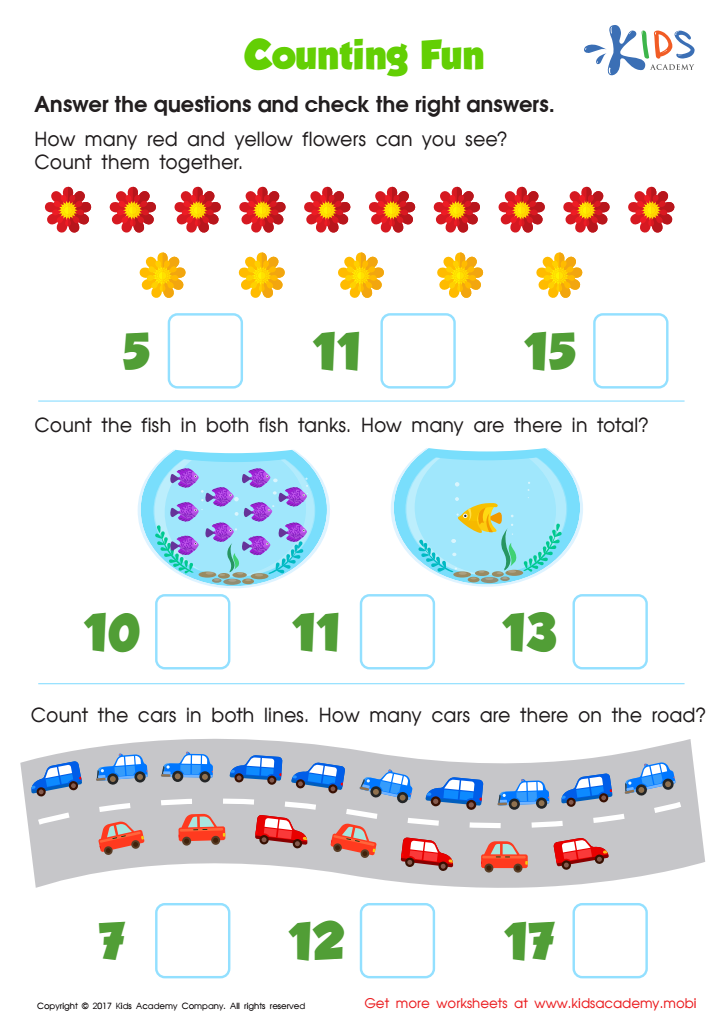
Counting Fun Worksheet
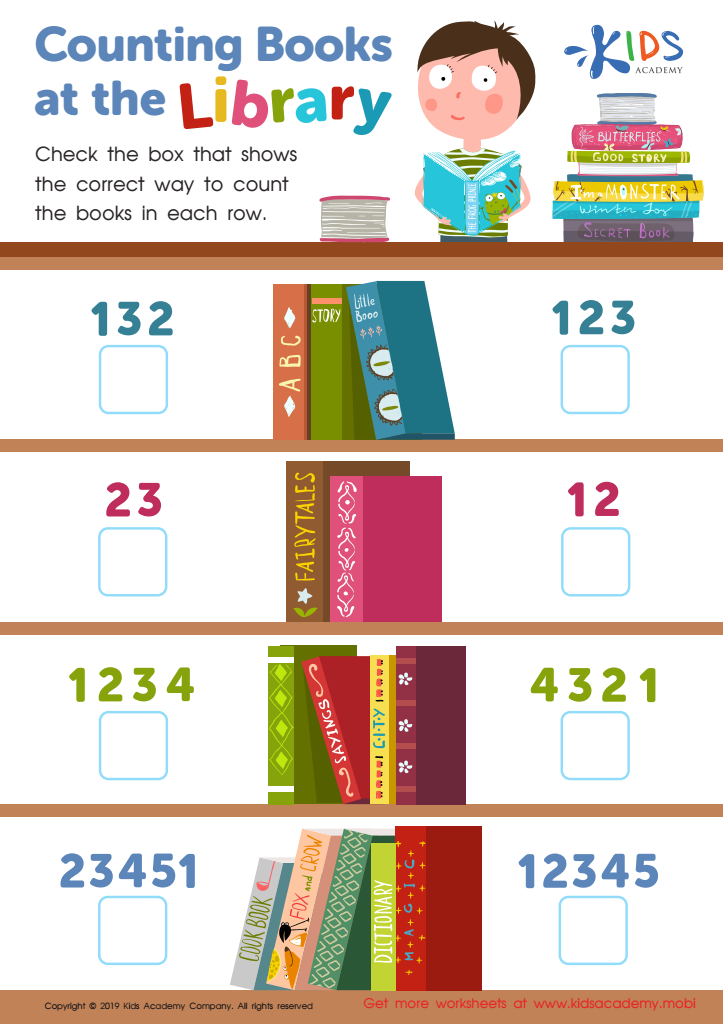
Counting Books at the Library Worksheet
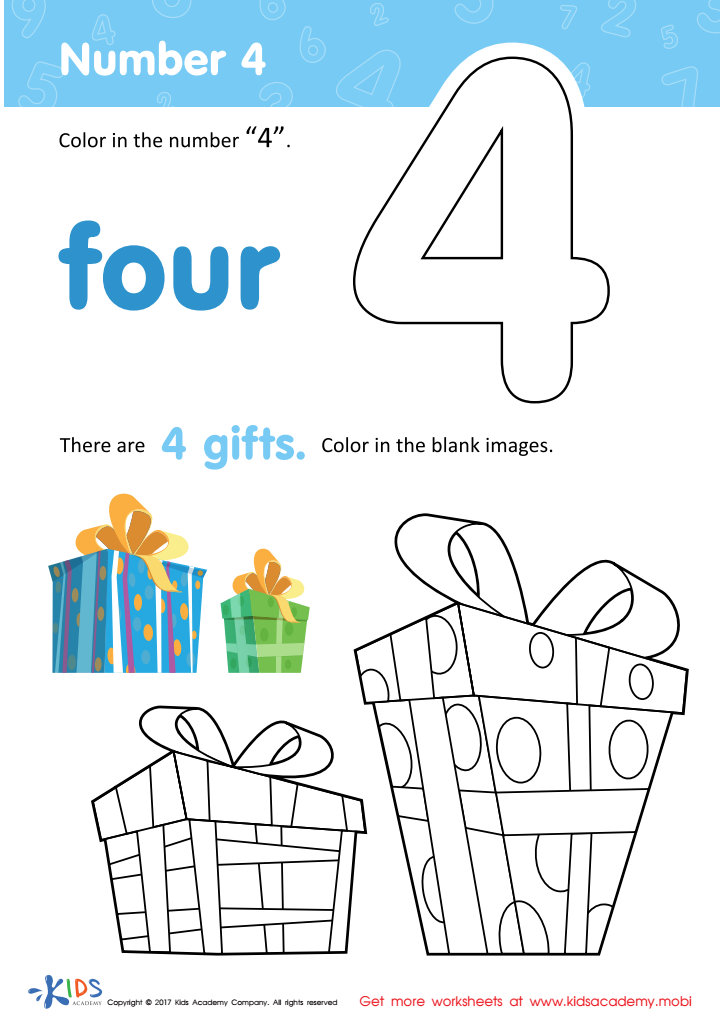
Number 4 Printable
 Assign to My Students
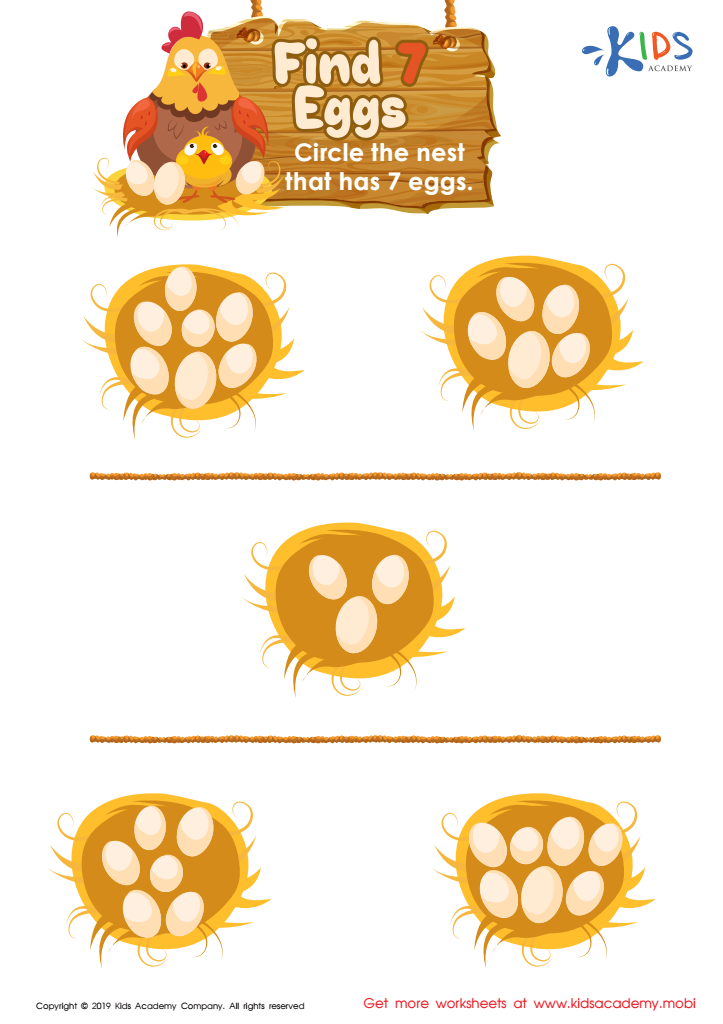
Find 7 Eggs Worksheet
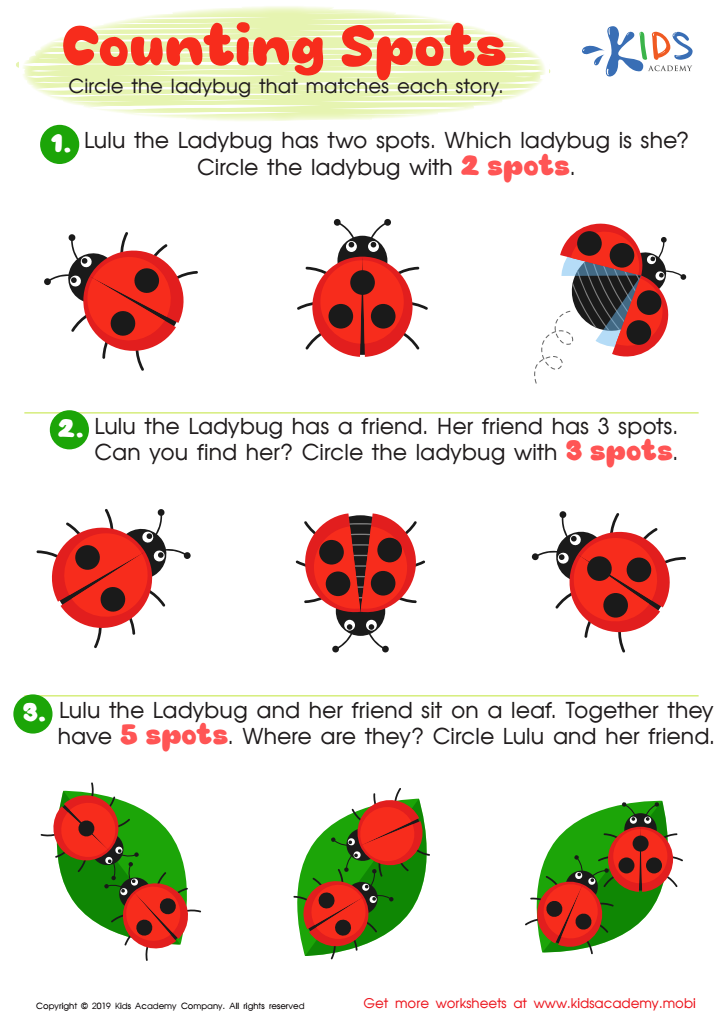
Counting Spots Worksheet
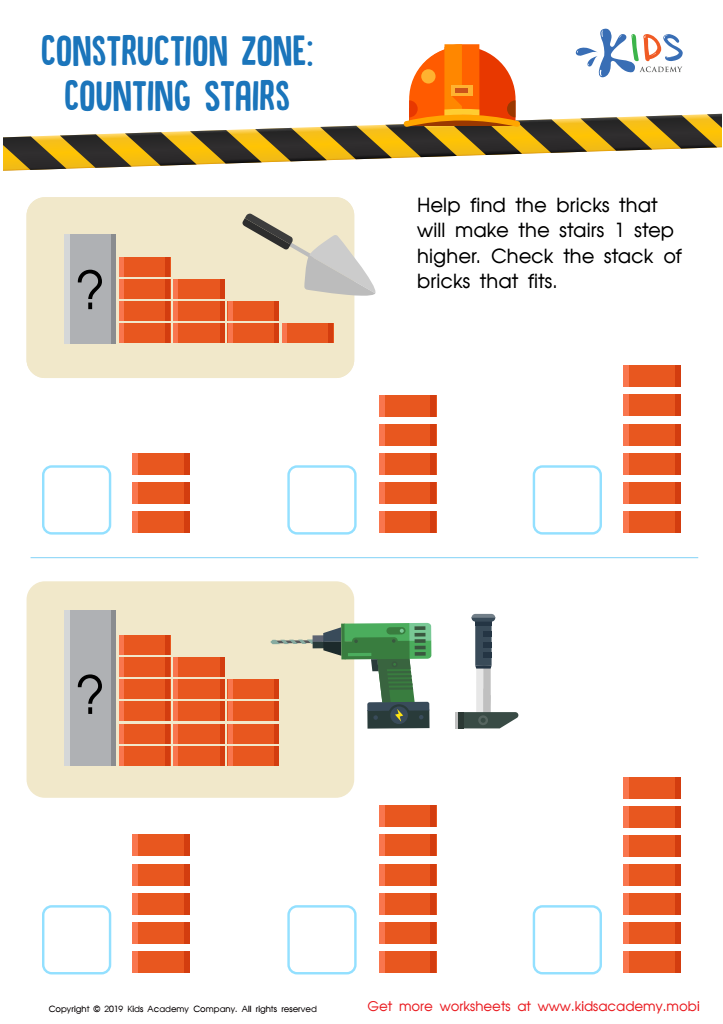
Construction Zone: Counting Stairs Worksheet
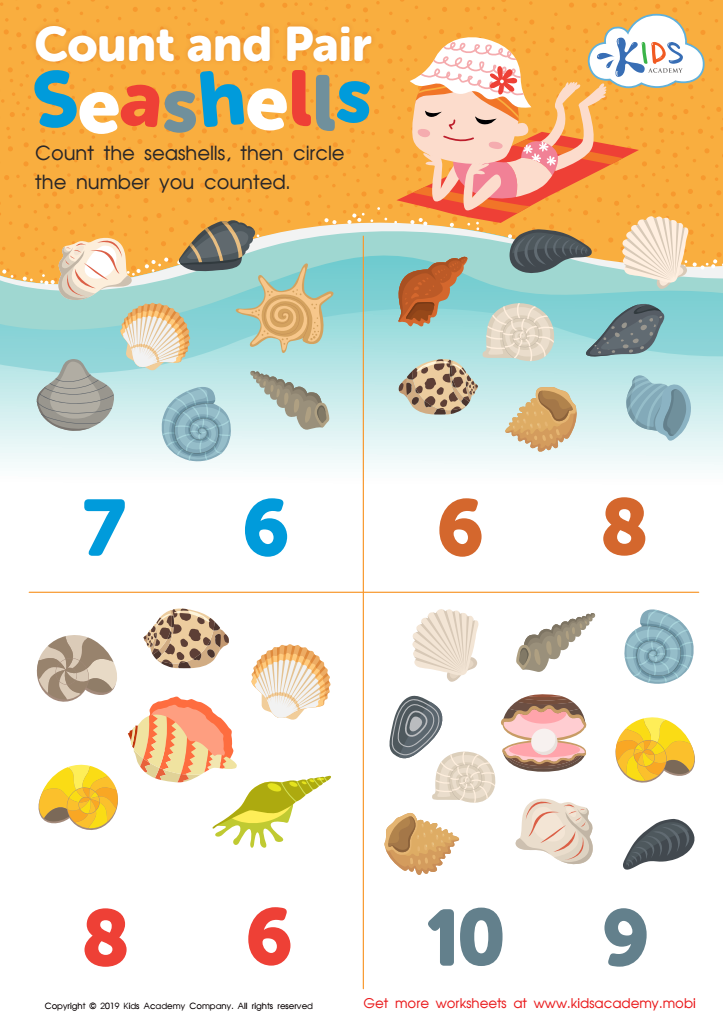
Count and Pair Seashells Worksheet
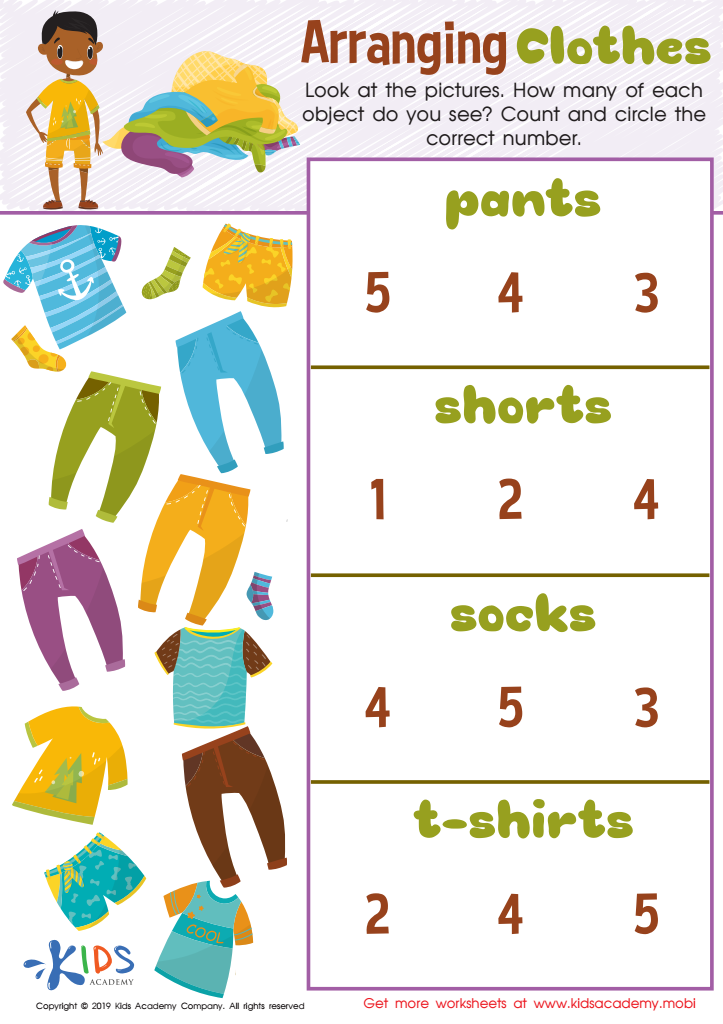
Arranging Clothes Worksheet
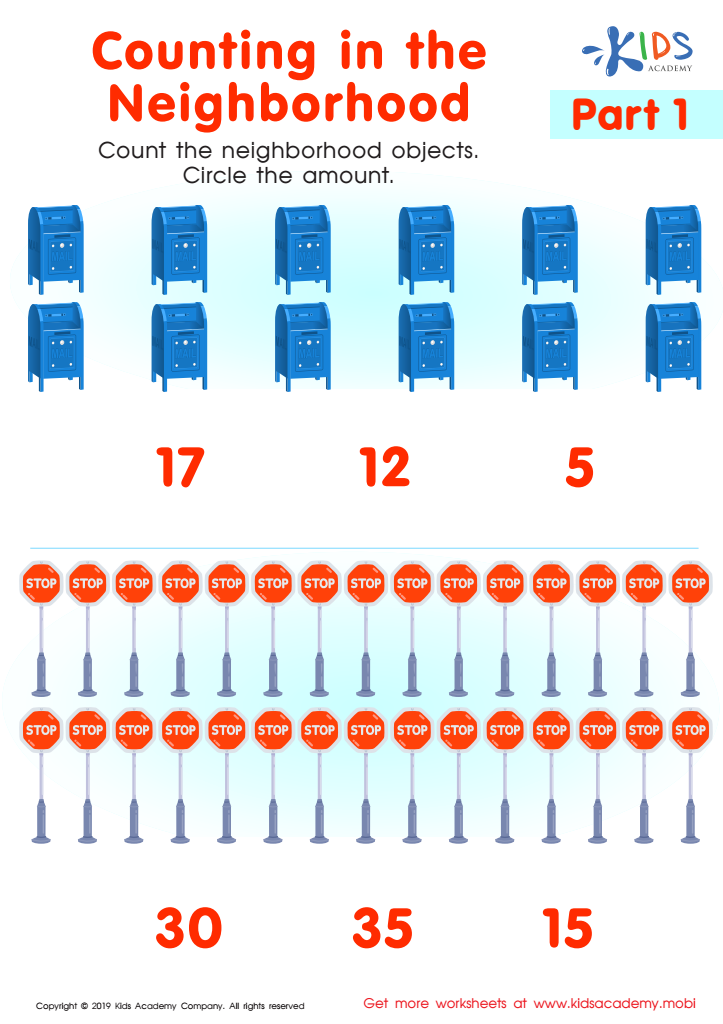
Counting in the Neighborhood Part1 Worksheet
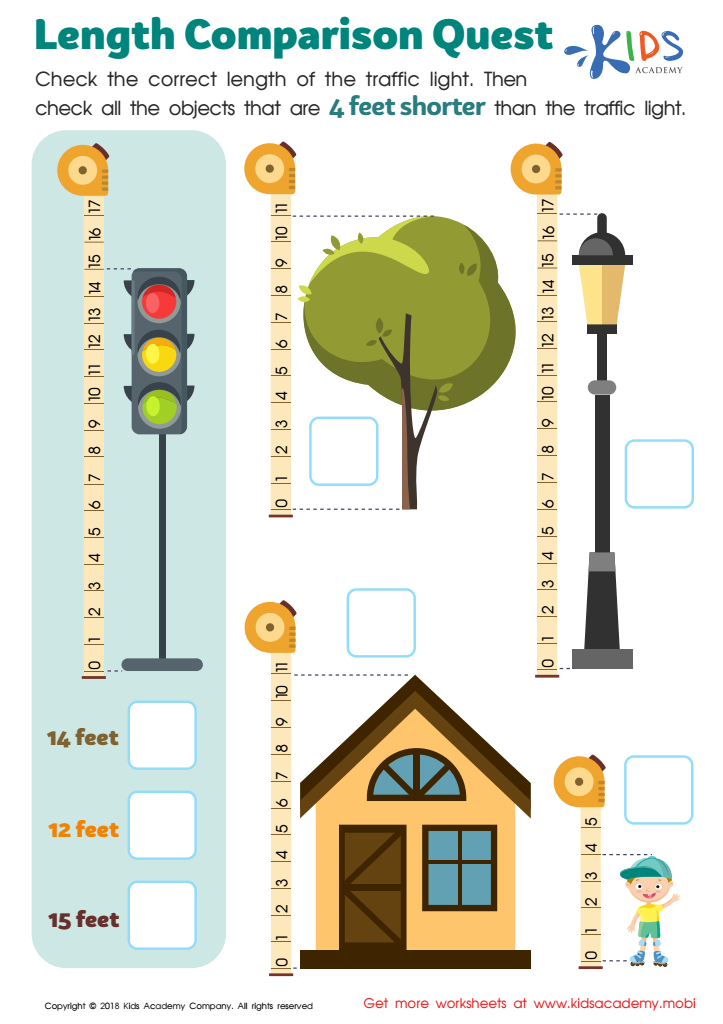
Length Comparison Quest Worksheet
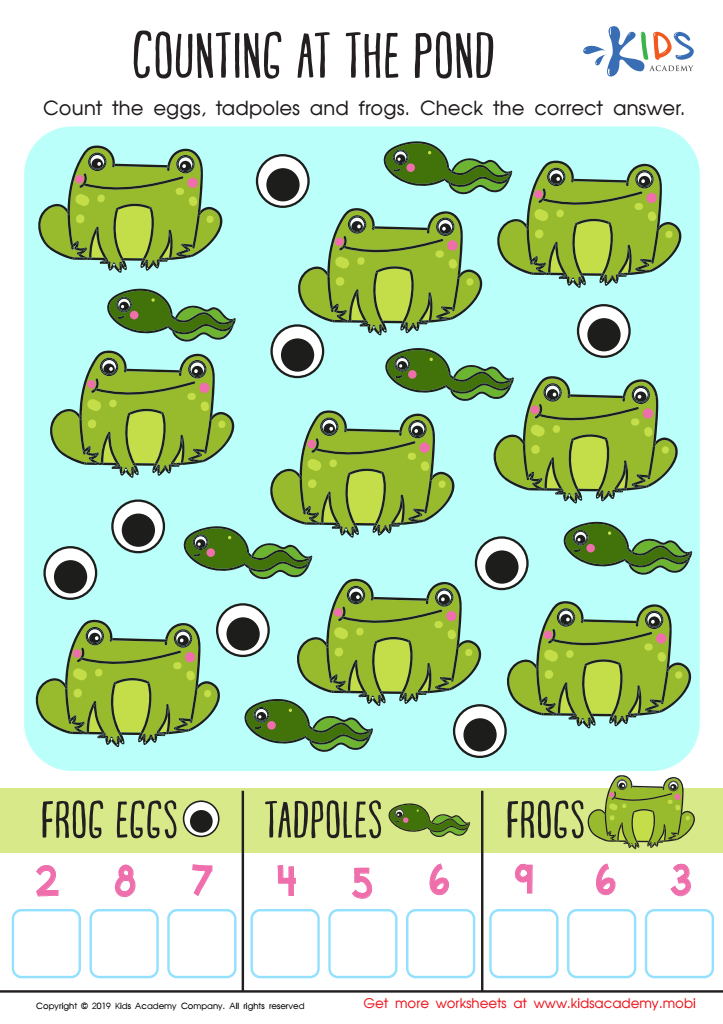
Counting at the Pond Worksheet
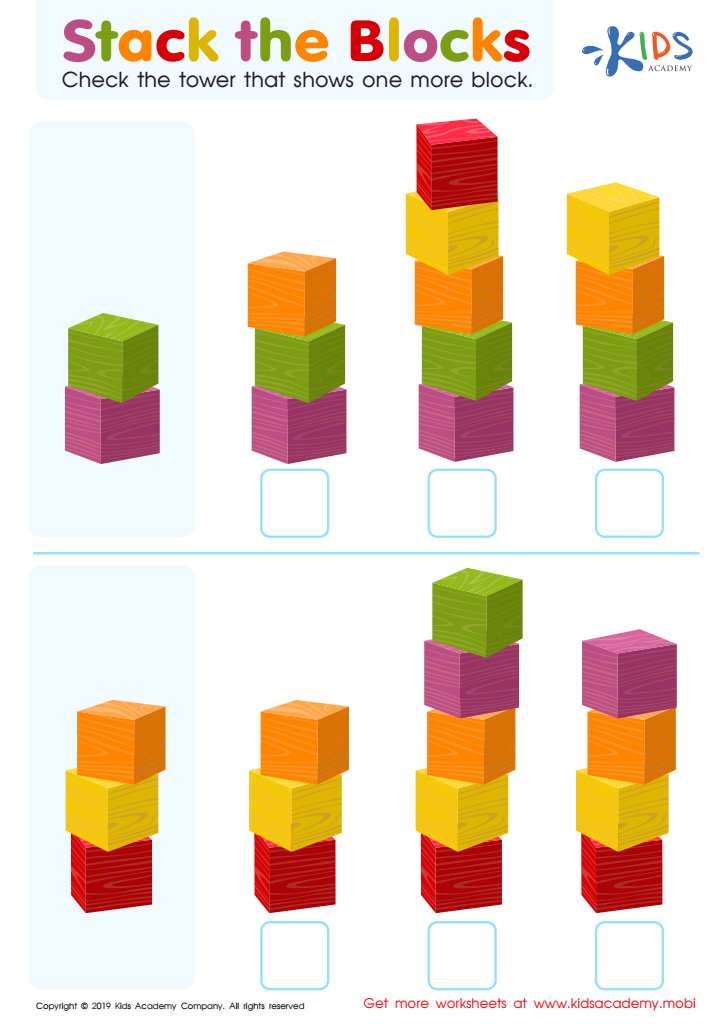
Stack the Blocks Worksheet
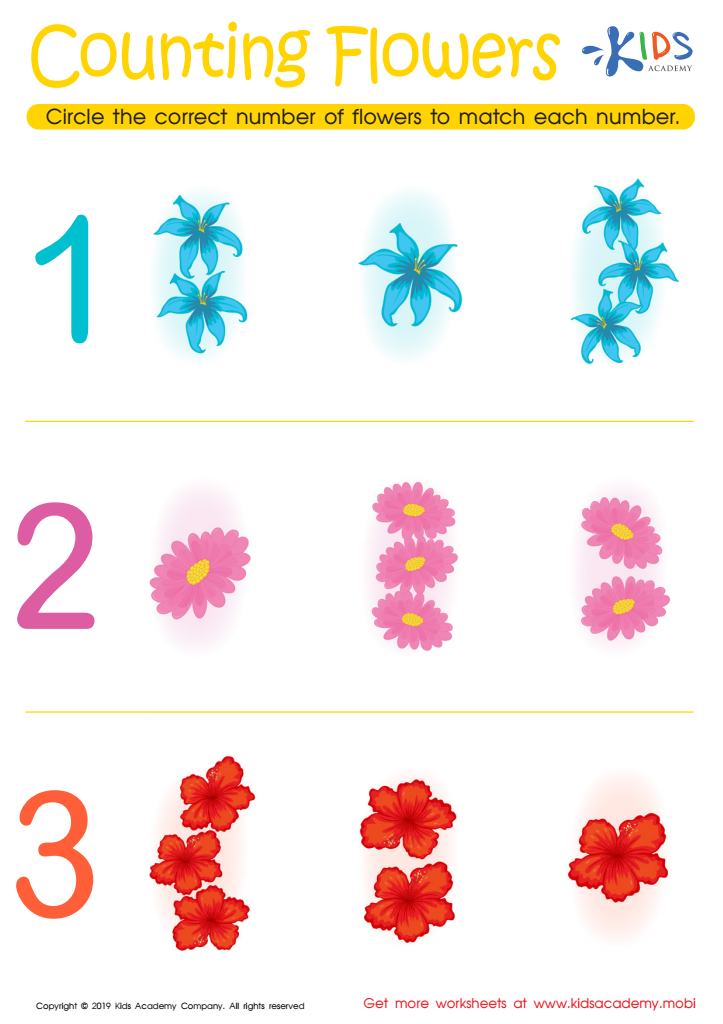
Counting Flowers Worksheet
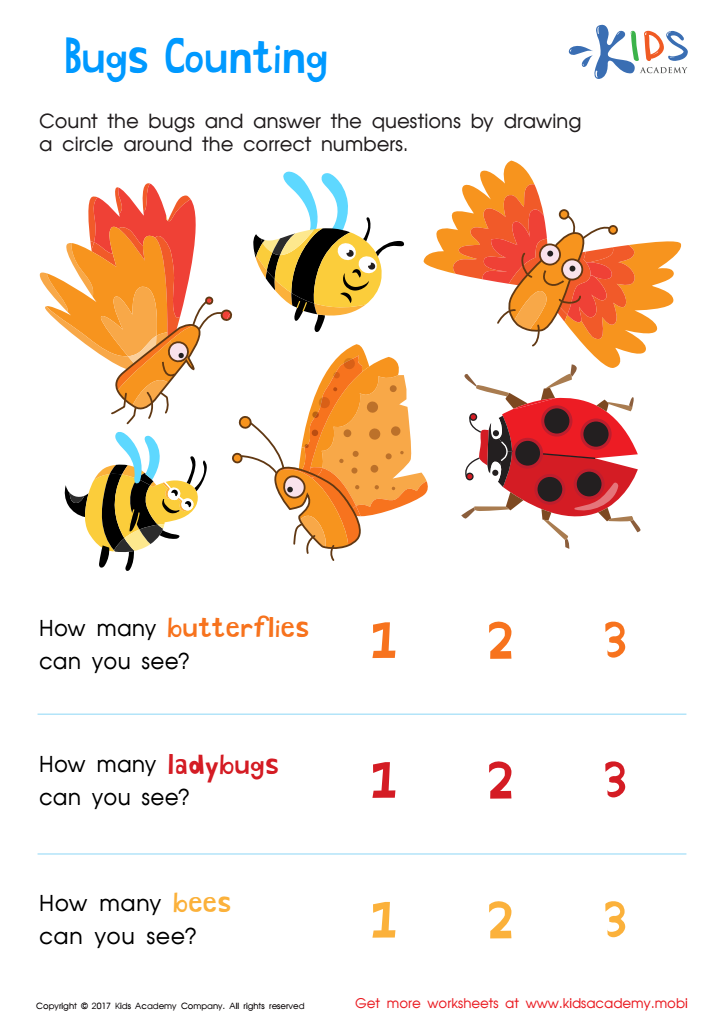
Bugs Counting Worksheet
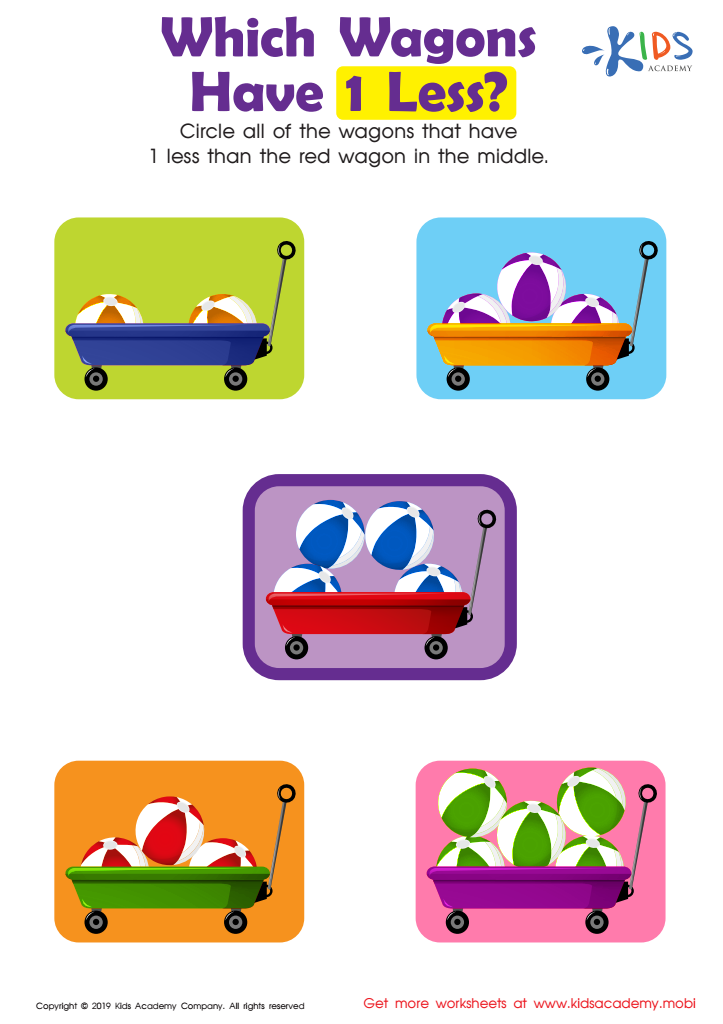
Which Wagons Have 1 Less? Worksheet
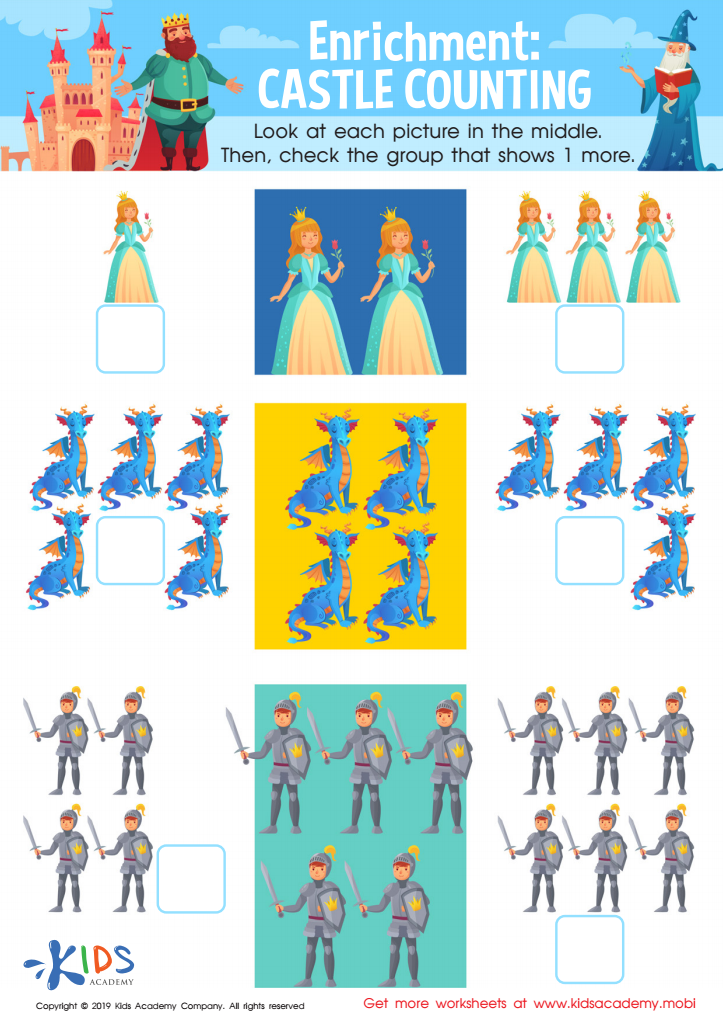
Enrichment: Castle Counting Worksheet







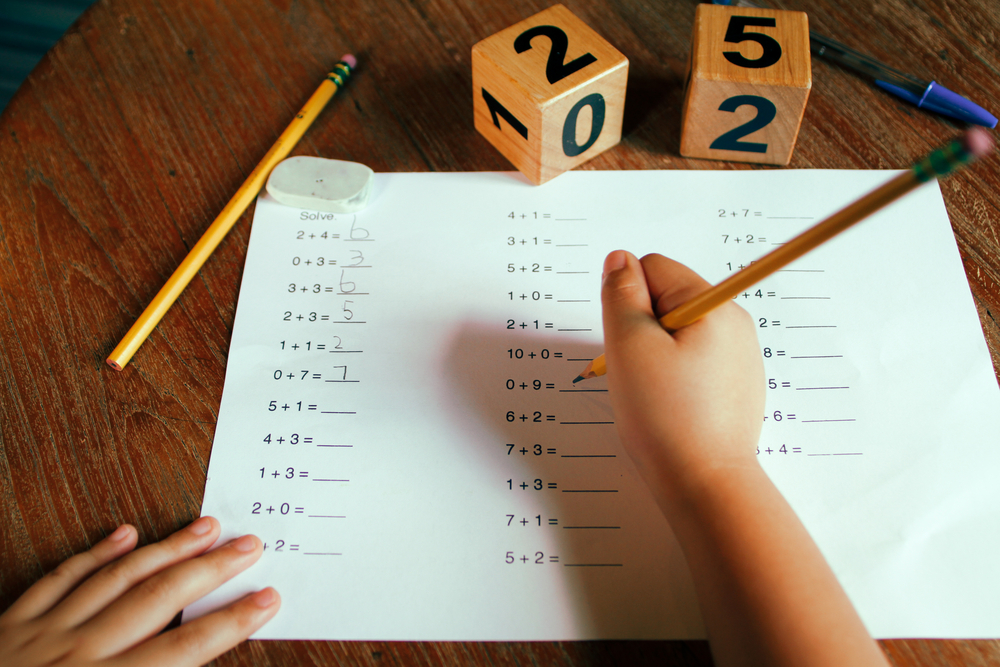
Visual perception is a fundamental skill that significantly impacts a child’s early learning, making it vital for parents and teachers to prioritize. For ages 5-8, a strong foundation in visual perception enhances children's ability to interpret and understand visual information. This age is critical for developing basic math skills, as children learn to recognize shapes, patterns, and numbers.
Improved visual perception helps children quickly identify and differentiate numbers, which is essential when solving simple math problems and understanding concepts like addition and subtraction. Without strong visual skills, a child may struggle with number placement, ordering, and even recognizing similar digits, leading to frustration and difficulties in learning.
Moreover, visual perception supports reading readiness. Children who can effectively track visual information are better equipped to follow text in books and worksheets, ultimately boosting literacy skills.
By investing time in activities that encourage visual perception, such as games and exercises focused on number recognition and spatial awareness, parents and teachers can create a solid groundwork for academic success. Cultivating these skills early fosters confidence and sets children on a positive trajectory in their educational journey, highlighting the importance of support from adults in this crucial stage of learning.








