Basic Math Skills Easy Math Worksheets for Ages 5-8 - Page 2
30 filtered results
-
From - To
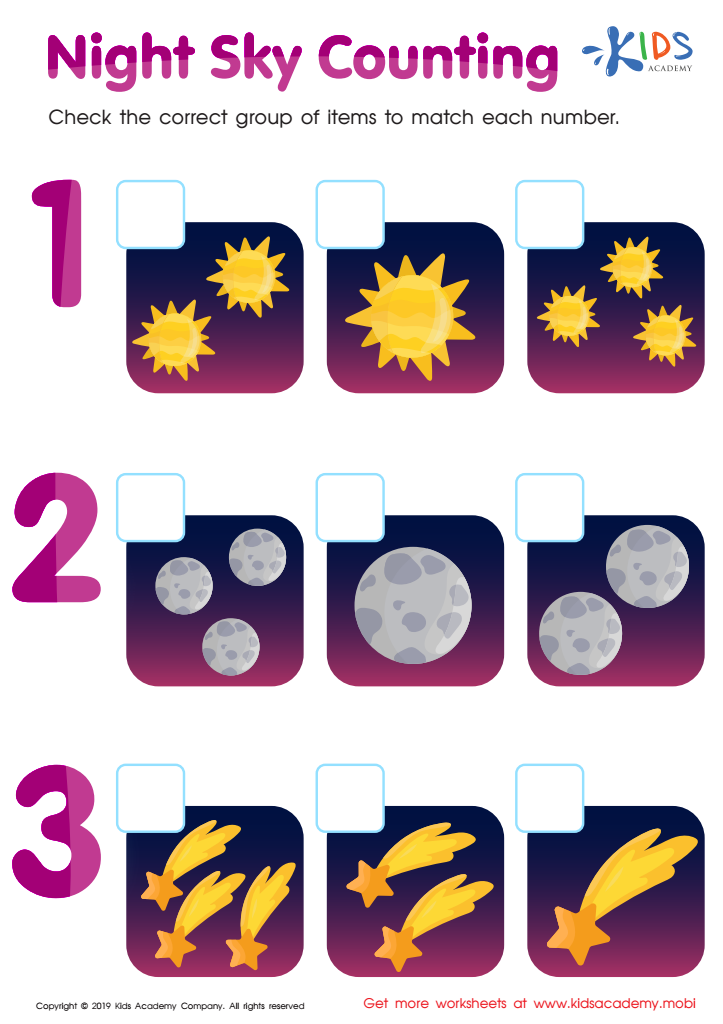
Night Sky Counting Worksheet
 Assign to My Students
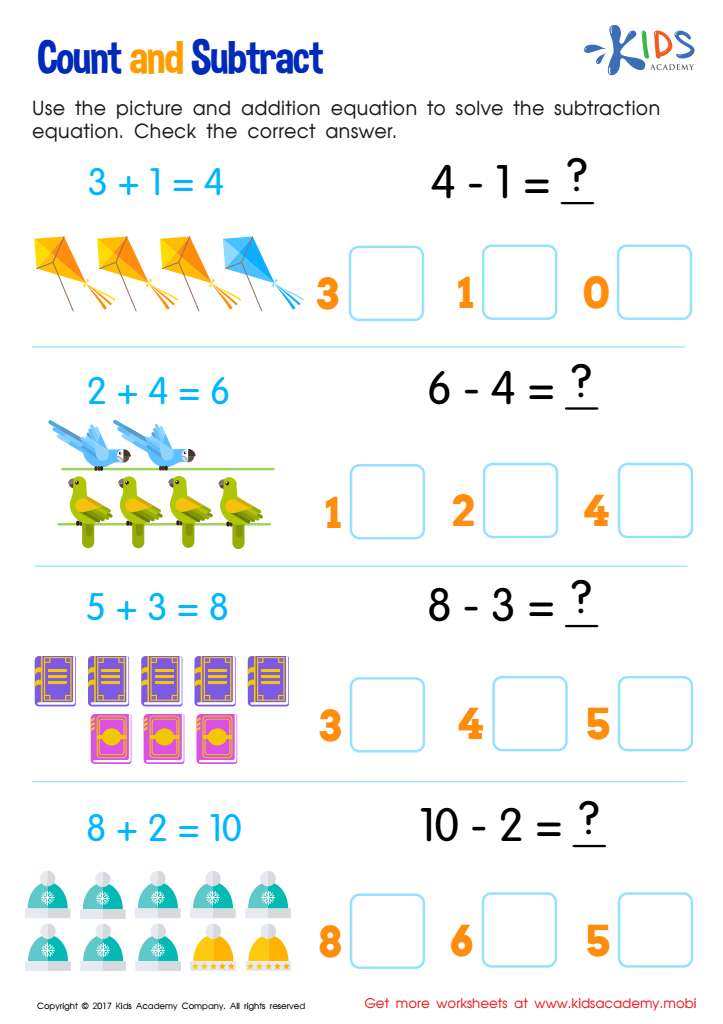
Count and Subtract Worksheet
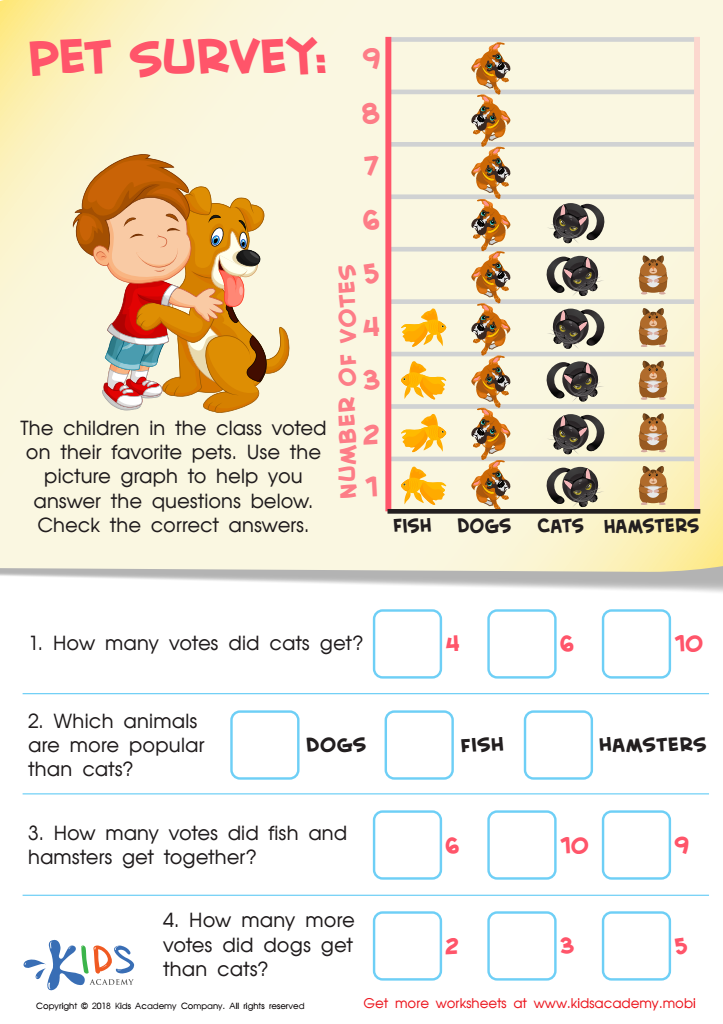
Pet Survey Worksheet
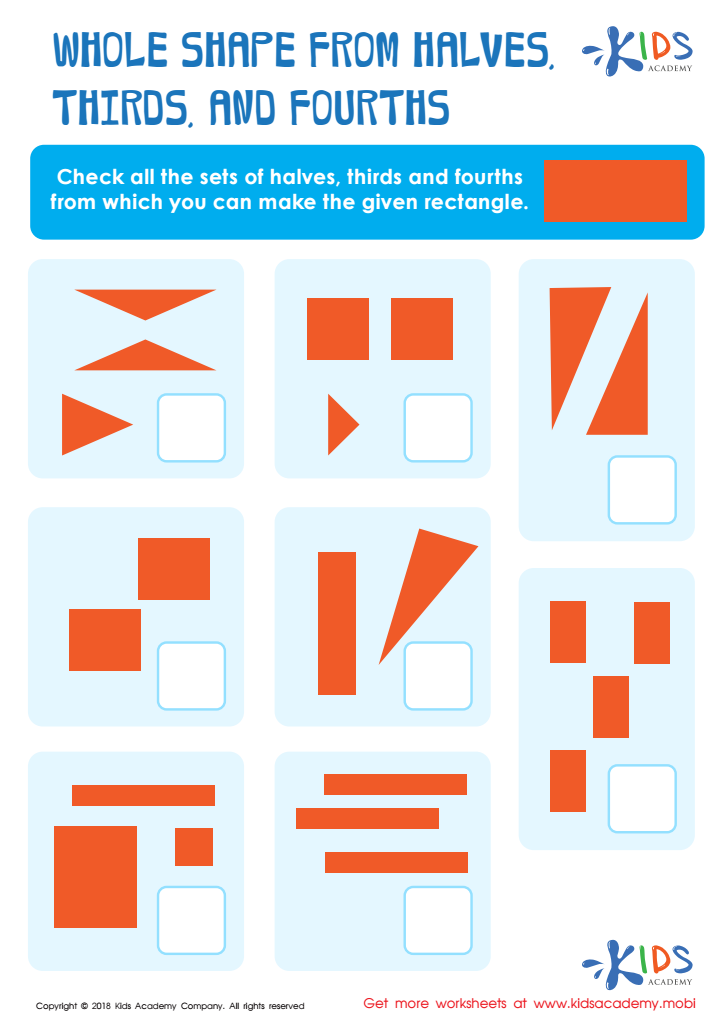
Whole Shape from Halves, Thirds and Fourths Worksheet
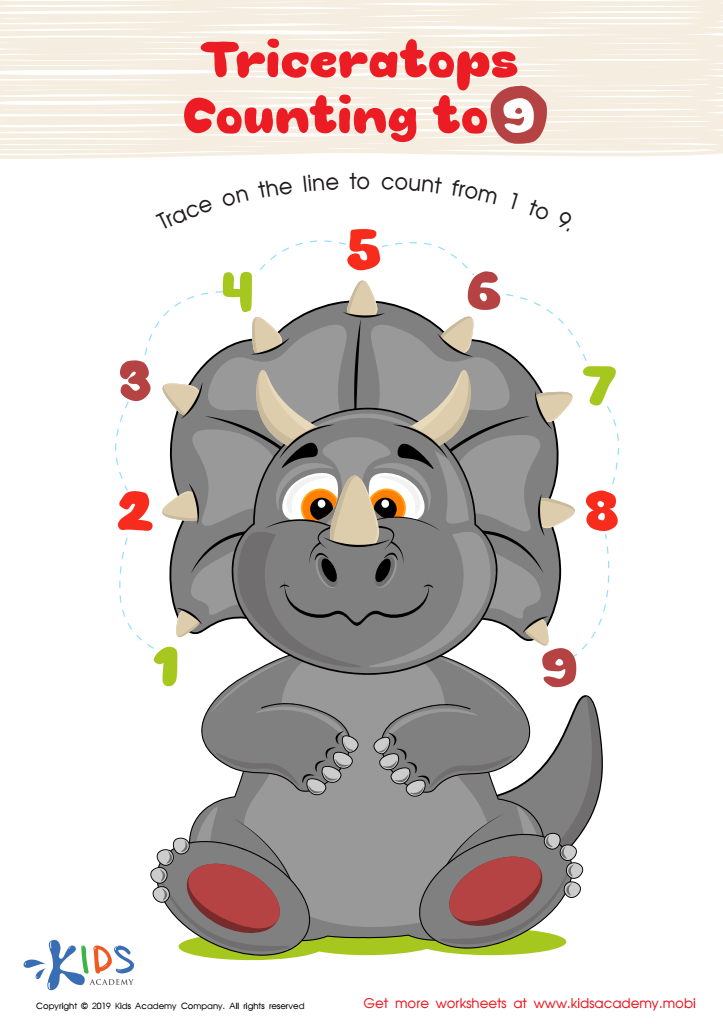
Triceratops Counting to 9 Worksheet
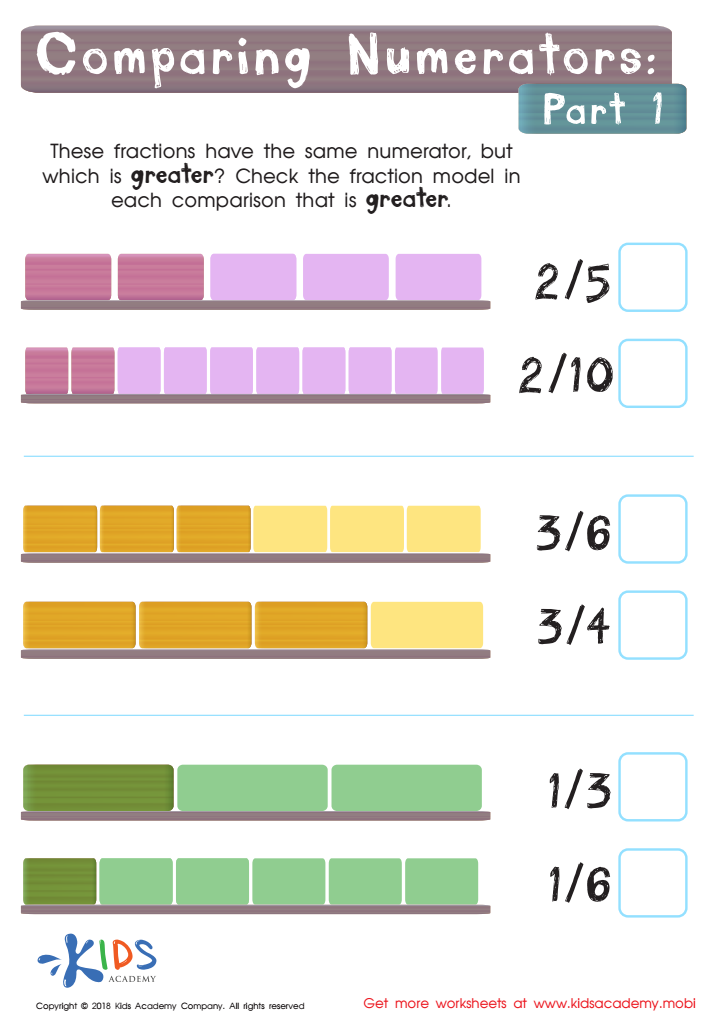
Comparing Numerators Part 1 Worksheet








Basic math skills form the foundation for future academic success and are crucial for the cognitive development of children aged 5-8. At this formative stage, children are highly receptive and begin to build the critical thinking and problem-solving skills that are vital in math. Strong early math skills predict better outcomes in not only advanced mathematical areas but also in other subjects such as science and engineering.
Moreover, learning basic math such as counting, recognition of numbers, addition, and subtraction helps children develop logical reasoning and enhances their abilities to process information. Such skills translate into everyday life activities like telling time, using money, and measuring, thus increasing their independence and confidence.
Parents and teachers who focus on teaching these foundational skills create a positive learning environment that can foster a lifelong interest and proficiency in math. It also cultivates a growth mindset, where children understand that effort can enhance ability.
Ignoring these early math skills could lead to future gaps in understanding, making it harder for children to catch up. Early intervention can prevent these issues, ensuring that all children have the necessary skills to succeed both academically and in their daily lives. Therefore, investing time and resources in promoting easy math for young learners is crucial.








