Color recognition Easy Math Worksheets for Ages 5-8
6 filtered results
-
From - To
Welcome to our Color Recognition Easy Math Worksheets for Ages 5-8! Designed to engage young learners, these fun and interactive worksheets help children develop crucial color recognition skills while enhancing their math abilities. Each worksheet is thoughtfully crafted to combine vibrant colors and essential math concepts, allowing children to identify, match, and sort colors while solving simple math problems. Ideal for classrooms or home learning, our resources promote creativity and critical thinking in a playful environment. With these worksheets, your child will build confidence and essential skills at their own pace, making learning both enjoyable and effective. Start exploring today!
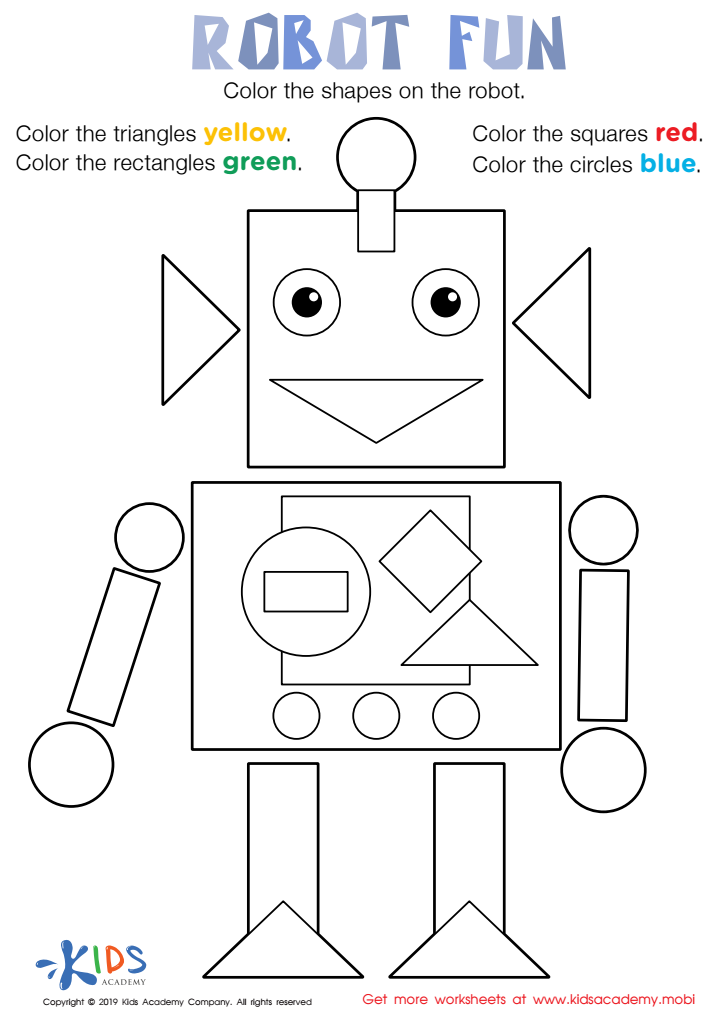
Robot Fun Worksheet
 Assign to My Students
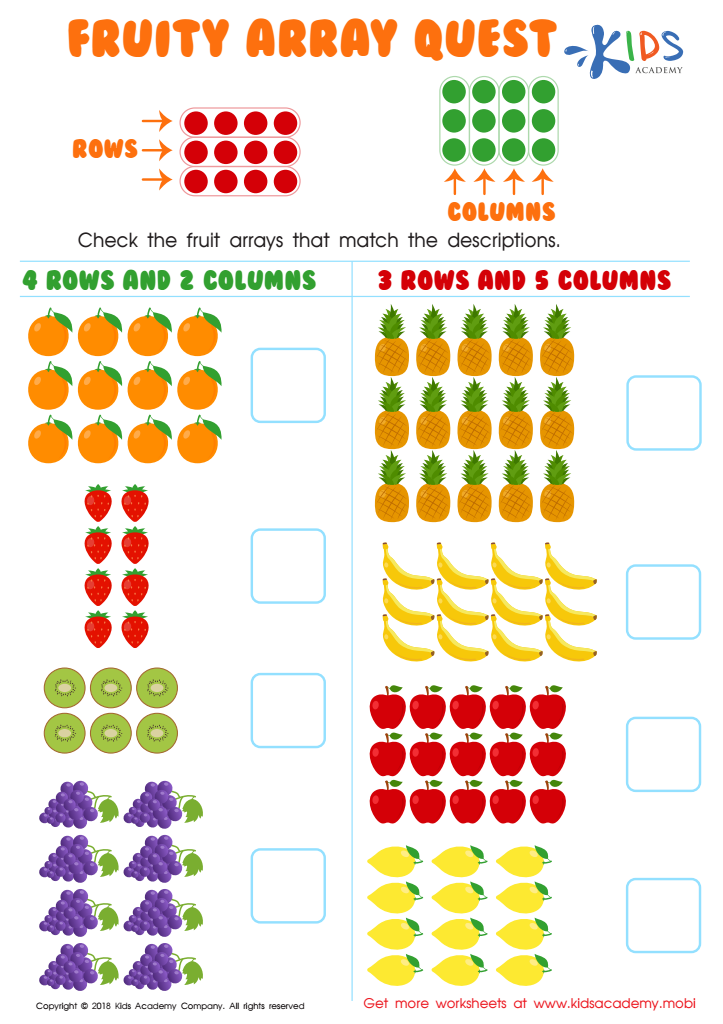
Fruity Array Quest Worksheet
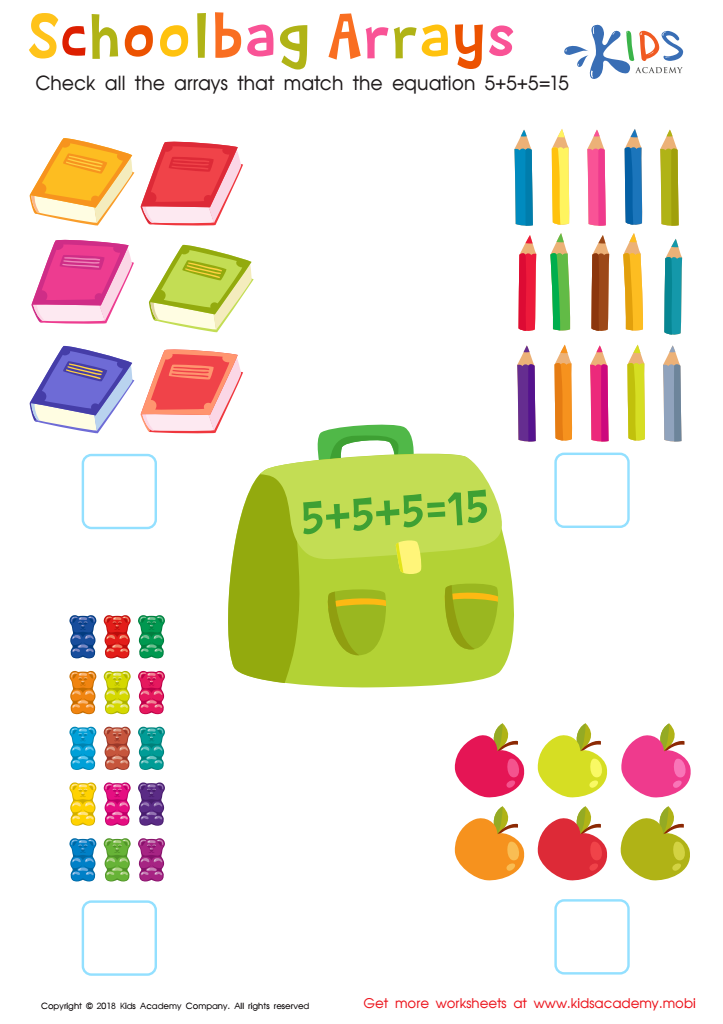
Schoolbag Arrays Worksheet
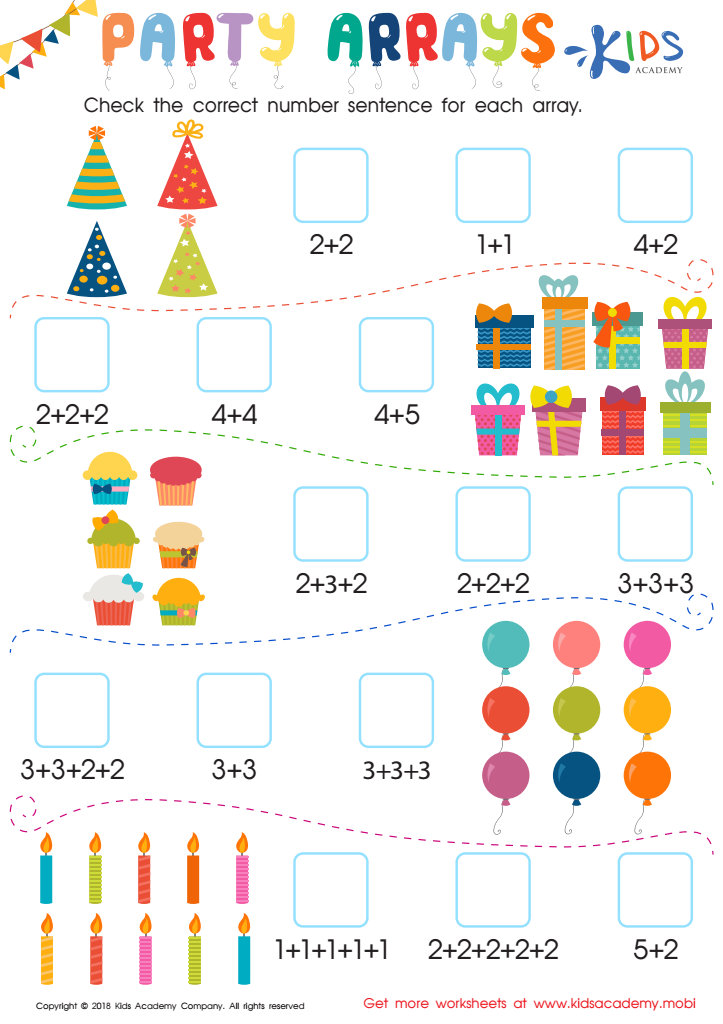
Party Arrays Worksheet
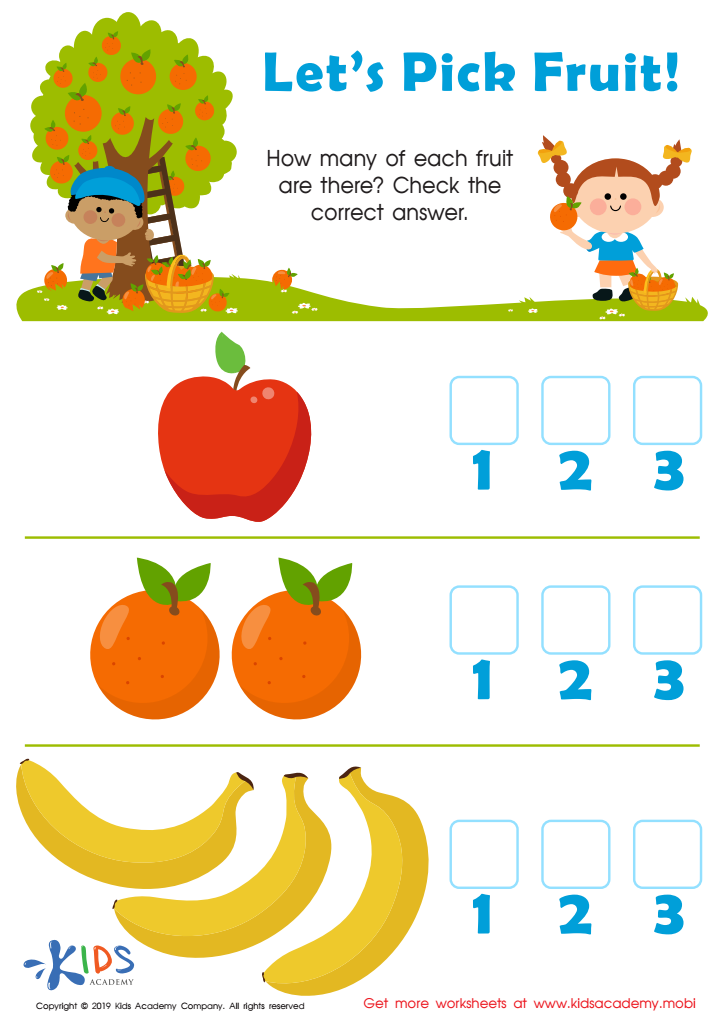
Let's Pick Fruit Worksheet
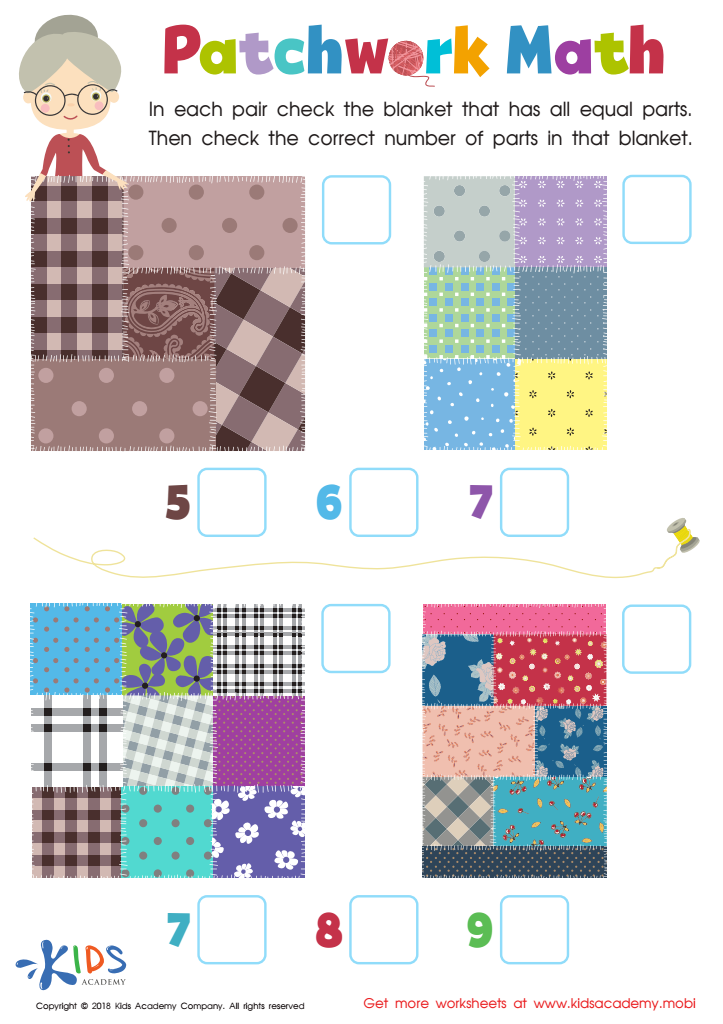
Patchwork Math Worksheet








Color recognition and basic math skills are foundational components of early childhood education that significantly contribute to a child's cognitive and social development. For children aged 5 to 8, learning to identify and differentiate colors enhances their ability to recognize patterns, which is essential for later math skills. For instance, connecting colors to numerical concepts can make math more engaging and relatable, fostering a positive attitude towards learning.
By integrating color recognition with easy math concepts, parents and teachers can create an enriched learning environment that captivates young learners. For example, using colorful objects to teach counting or simple addition makes abstract numbers tangible and enjoyable. This multisensory approach caters to different learning styles, allowing children to grasp concepts more effectively.
Moreover, color recognition plays a crucial role in language development. When children learn to name colors, they expand their vocabulary and enhance their communication skills, which are essential in a collaborative learning atmosphere. Recognizing the importance of color in mathematical exploration can prepare children for later academic challenges, develop critical thinking, and support their overall confidence and creativity in learning. Thus, prioritizing color recognition alongside math aligns with best practices in early education and nurtures well-rounded development.








