Enhancing critical thinking Easy Math Worksheets for Ages 5-8
3 filtered results
-
From - To
Boost your child's critical thinking skills with our carefully crafted Easy Math Worksheets designed specifically for ages 5-8! These interactive resources engage young learners through fun and age-appropriate math activities. Each worksheet focuses on developing logical reasoning, problem-solving, and analytical skills while covering essential math concepts. Parents and educators can easily access and print these worksheets to supplement classroom learning or provide at-home practice. Join us in fostering a love for math and enhancing cognitive abilities through creative exercises and challenges. Empower your child today and watch them build a strong foundation in critical thinking with our engaging math activities!
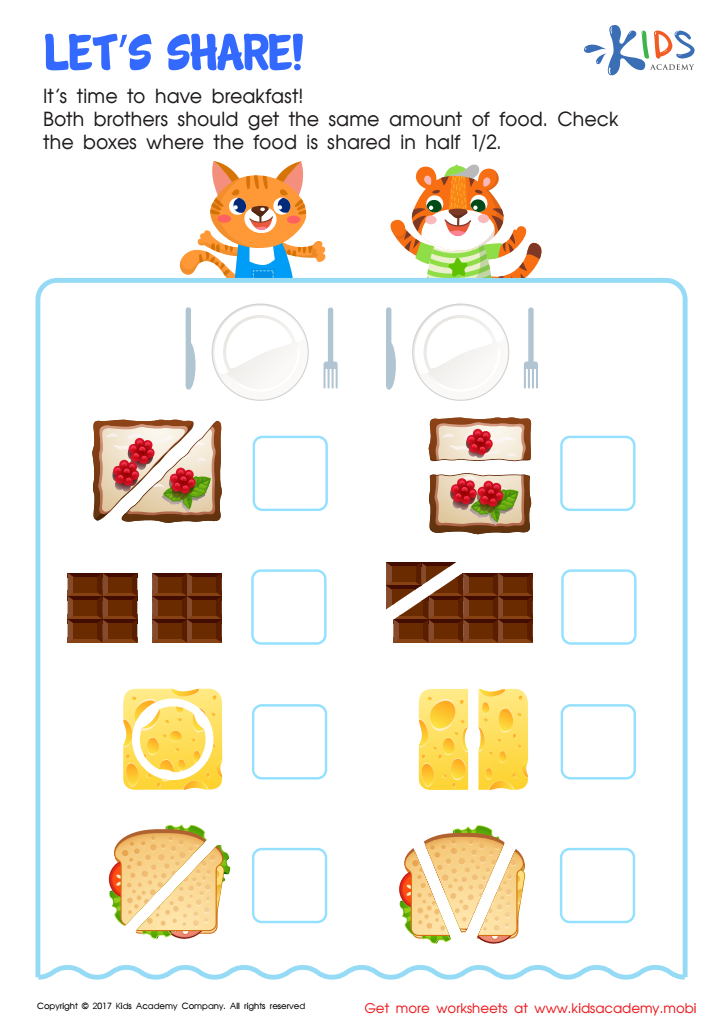
Let's Share Worksheet
 Assign to My Students
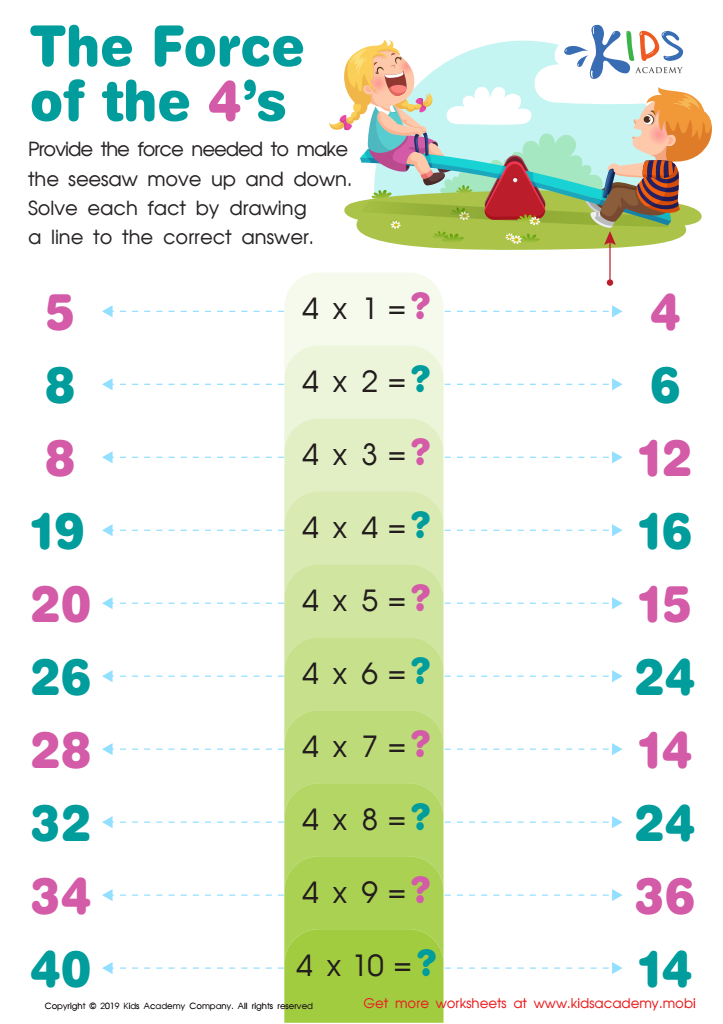
The Force of the 4's Worksheet
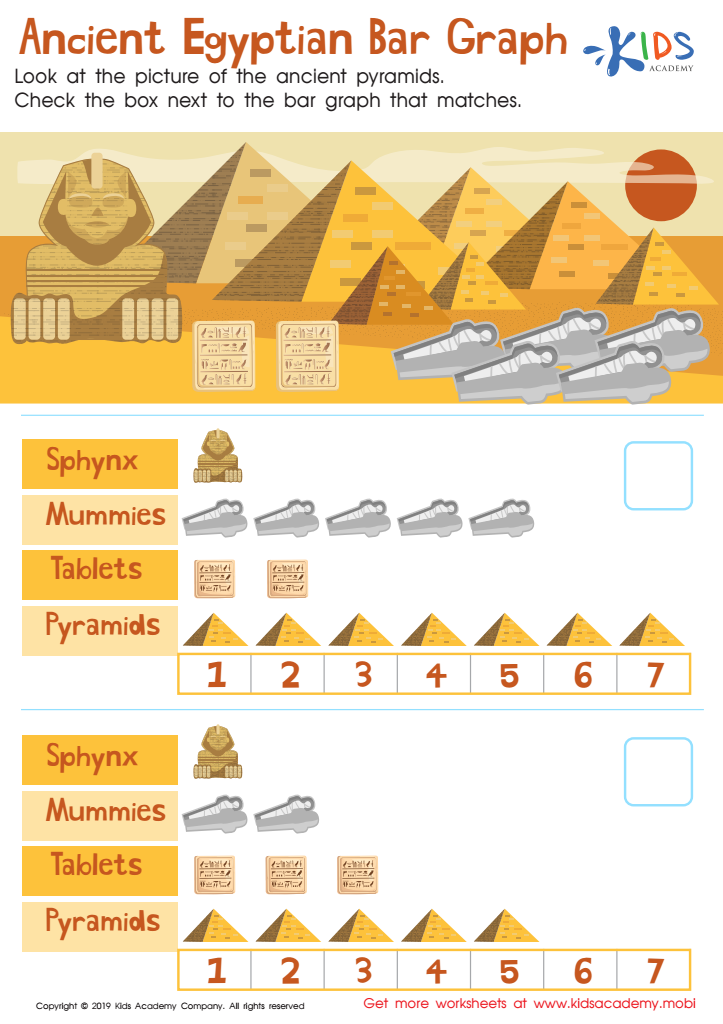
Egyptian Bar Graph Worksheet







Enhancing critical thinking in young children, particularly through easy math for ages 5-8, is crucial for their overall development and future academic success. During these formative years, children are highly receptive to learning and can grasp foundational concepts that shape their cognitive abilities. Math education that emphasizes critical thinking encourages kids to reason, problem-solve, and approach tasks creatively, laying a strong groundwork for more complex mathematical concepts in later years.
Parents and teachers should care about this because critical thinking skills transcend the subject of math itself. They foster lifelong learners capable of analyzing situations, making informed decisions, and approaching challenges with confidence. Furthermore, engaging children in easy math problems that stimulate critical thinking helps them to develop perseverance and resilience, as they learn to navigate difficulties and explore different solutions.
Involving critical thinking in a playful and age-appropriate manner makes learning enjoyable, encouraging a positive attitude toward education. When parents and teachers prioritize this type of learning, they're not only enhancing mathematical skills but also nurturing well-rounded, thoughtful individuals. An early focus on critical thinking in math thus contributes to a child's emotional, social, and intellectual growth, equipping them with skills they will use throughout their lives.








