Understanding Sequences Easy Math Worksheets for Ages 5-8
4 filtered results
-
From - To
Welcome to our "Understanding Sequences Easy Math Worksheets" page, designed specifically for children ages 5-8! Our engaging and interactive worksheets help young learners grasp the concept of sequences, enhancing their critical thinking and problem-solving skills. Through fun activities and colorful illustrations, kids will identify patterns, complete sequences, and develop a solid foundation in mathematics. These worksheets are perfect for home or classroom use, offering step-by-step guidance to ensure learning is enjoyable and effective. Empower your child’s mathematical journey and watch as they build confidence in understanding sequences while having fun! Suitable for parents and educators alike.
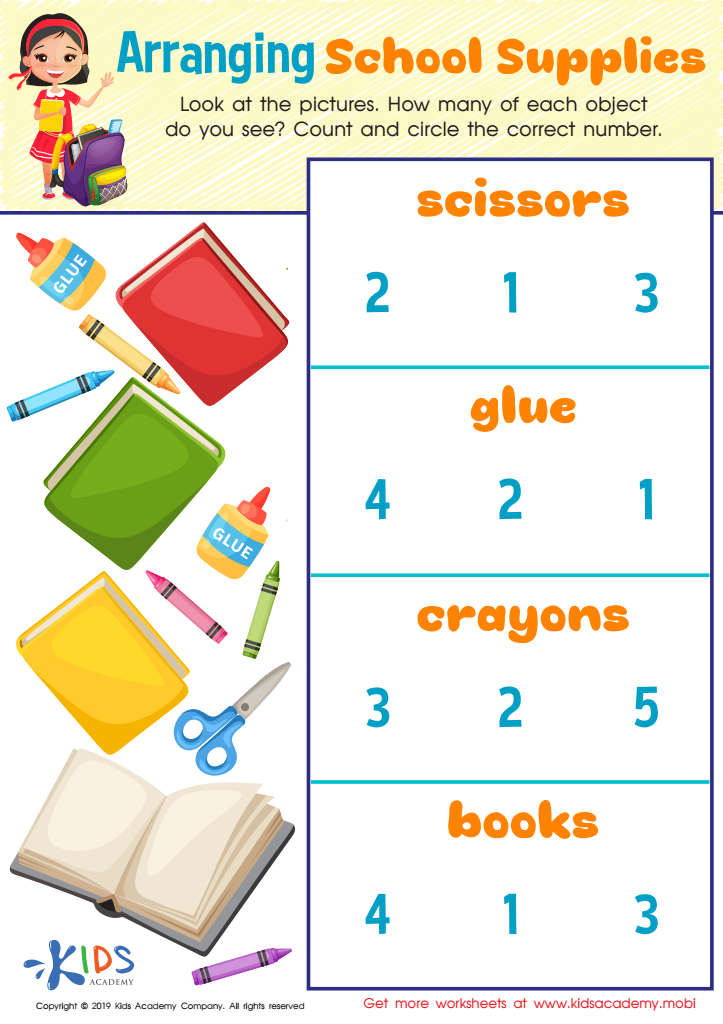
Arranging School Supplies Worksheet
 Assign to My Students
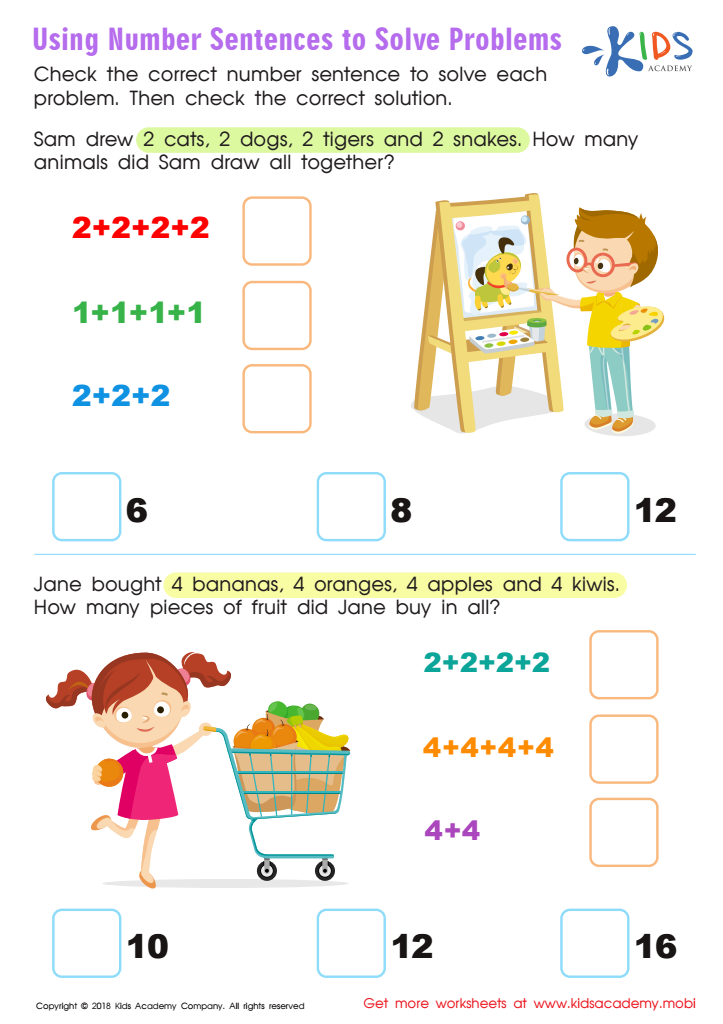
Using Number Sentences to Solve Problems Worksheet
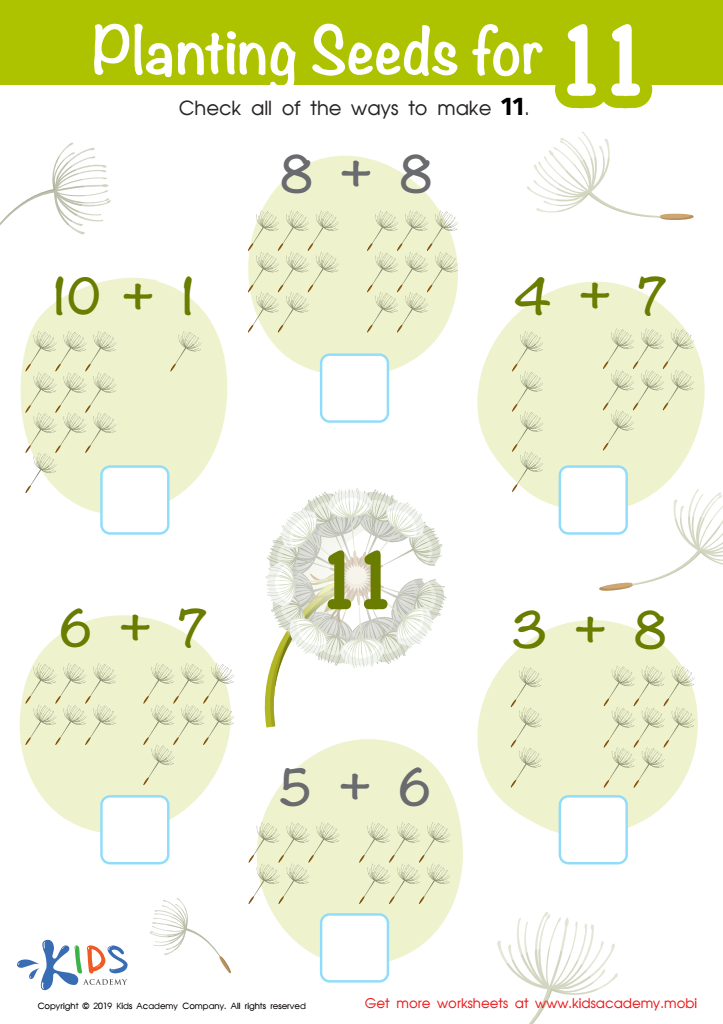
Planting Seeds for 11 Worksheet
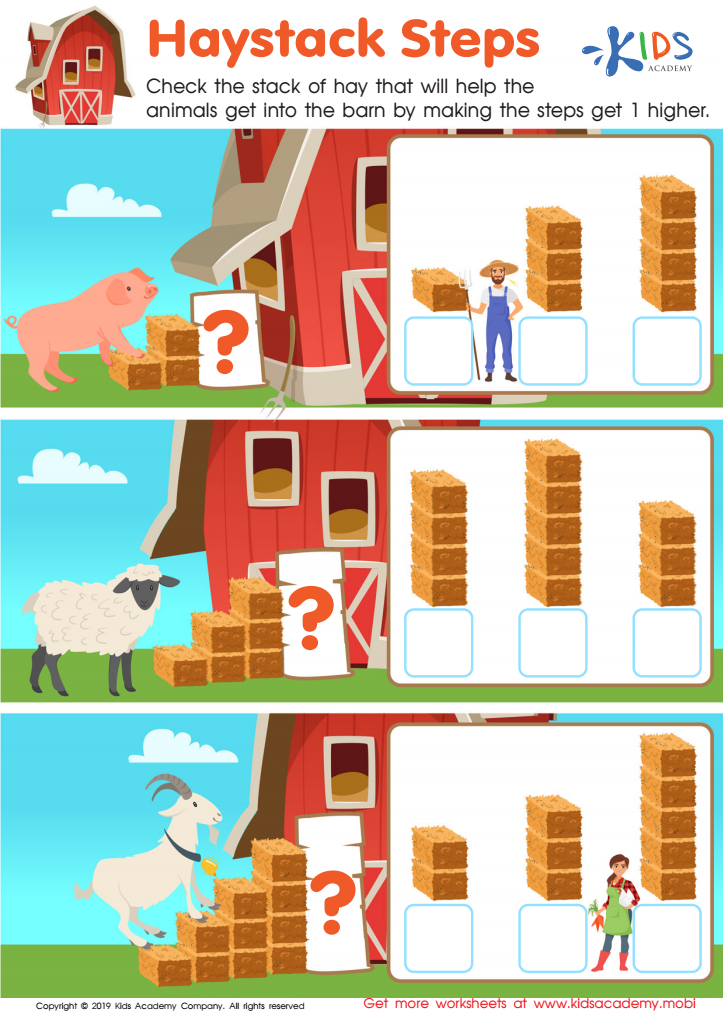
Haystack Steps Worksheet








Parents and teachers should prioritize understanding sequences in mathematics for children ages 5-8 because this foundational skill is essential for building critical thinking and problem-solving abilities. Sequences, which involve recognizing patterns and predicting what comes next, lay the groundwork for more advanced math concepts such as addition, subtraction, multiplication, and even algebra later on.
By engaging with sequences, young learners develop organizational skills and cognitive flexibility, enabling them to approach math challenges systematically. These skills transcend mathematics, influencing areas such as reading comprehension and logical reasoning across other subjects. Early exposure to sequences encourages curiosity, enabling children to explore relationships between numbers in a fun and engaging way, fostering a positive attitude toward math.
Furthermore, understanding sequences enhances memory and recall, helping students retain information longer, which is critical at this formative stage. Teachers and parents can incorporate simple activities and games to make learning sequences enjoyable. Investing time in this area nourishes confidence in math abilities, setting children on a path for academic success. Ultimately, nurturing a strong understanding of sequences can empower young learners to tackle increasingly complex concepts as they progress in their education.








