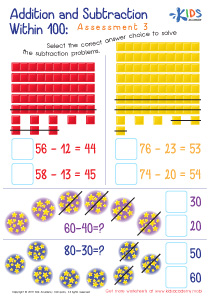
Sorting skills Easy Numbers 0–10 Worksheets for Ages 5-8
3 filtered results
-
From - To
Enhance your child's sorting skills with our engaging "Easy Numbers 0–10 Worksheets" designed specifically for ages 5-8! Perfect for early learners, these worksheets provide fun and interactive activities that help children confidently recognize and sort numbers from 0 to 10. Through colorful visuals and engaging exercises, kids will develop essential cognitive skills and hand-eye coordination. These worksheets align with early math standards, making learning both effective and enjoyable. Whether at home or in the classroom, our sorting skills worksheets are a great resource for building a strong numerical foundation. Download now and watch your child thrive in math!
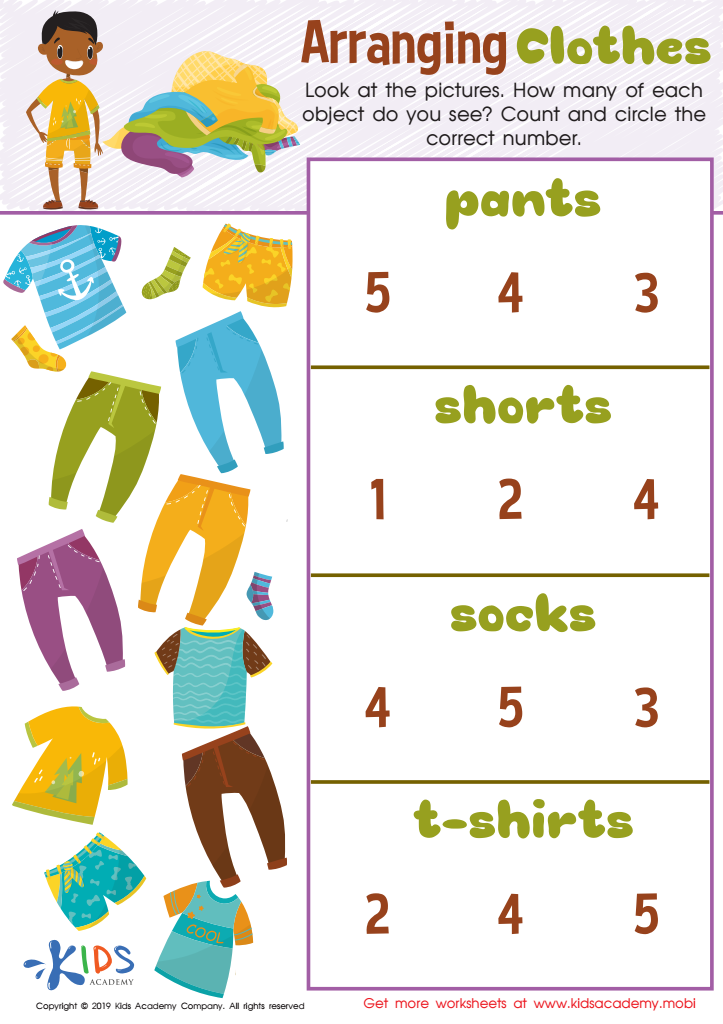
Arranging Clothes Worksheet
 Assign to My Students
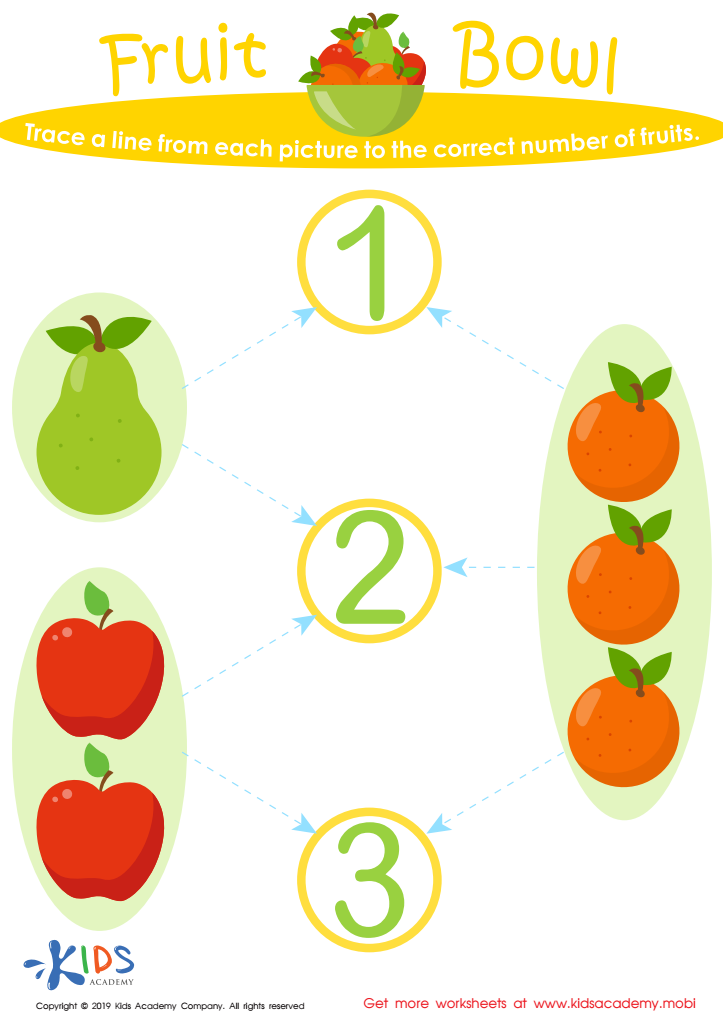
Fruit Bowl Worksheet
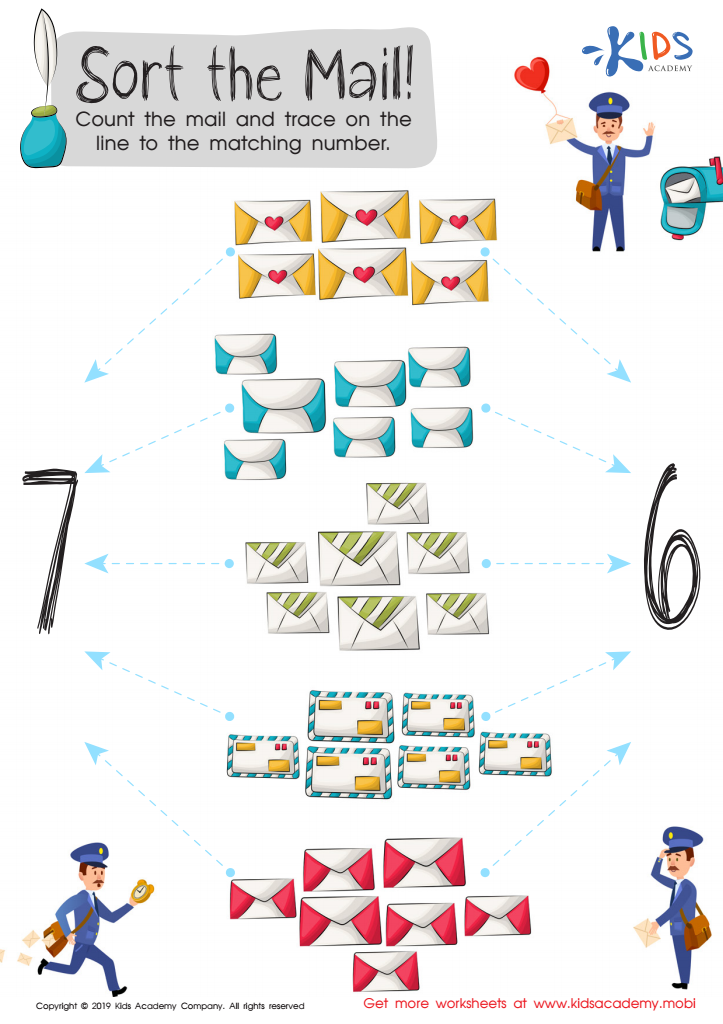
Sort the Mail Worksheet








Sorting skills, particularly with easy numbers from 0-10, are fundamental for children aged 5-8 as they lay the groundwork for essential cognitive and mathematical development. Firstly, sorting enhances critical thinking skills by encouraging children to categorize and organize information, fostering their ability to identify patterns and relationships. This skill ultimately supports their ability to comprehend more complex concepts in math and science as they progress in their education.
Moreover, engaging with sorting activities helps improve fine motor skills, as children manipulate objects or numbers through games and hands-on activities. It also boosts language development, as children learn vocabulary related to grouping, greater than/less than, and other comparative terms. Additionally, sorting reinforces early numeracy skills; understanding how numbers relate to one another serves as a precursor to addition and subtraction.
For parents and teachers, focusing on sorting skills offers an opportunity to create fun, interactive learning experiences that encourage children’s curiosity and motivation. By nurturing these fundamental skills, adults are equipping children with essential tools for lifelong learning, setting them up for academic success while helping them to develop confidence in their abilities. Ultimately, early sorting activities build a strong educational foundation that benefits children across various disciplines.